Skip the research trap. Get your landing pads in 60 seconds.
We scored 350+ landing pads across 5 dimensions — answer 5 quick questions and we'll match you to YOUR best pick.

Powered by DecisionScore™
Each product is evaluated across 18 weighted criteria — covering performance, value, build quality, and real-world usability. Your quiz answers re-weight the criteria to match what matters most to you, so two people can get different #1 picks from the same data.
See the DecisionScore methodology →- 22-inch (55cm) 2x3 fast-fold foldable landing pad
- Double-sided waterproof helipad with dual-color design
- Compatible with DJI Flip, Mini 4 Pro, Air 3S, Neo, Mini 4K, Mini 3, Mini 2 SE, Avata 2, Mavic
Find your perfect landing pads
5 quick questions. No quiz-takes-10-minutes trap. A personalized match from 34 scored picks — with clear reasoning for every recommendation.
What size is your drone?
Smaller drones like the DJI Mini series fit a 17–22 inch pad. Larger drones like the Phantom or Mavic 3 Pro benefit from 25–30+ inch pads.
- Measure your drone’s landing gear footprint to ensure the pad is at least 2–4 inches wider on all sides.
- Mini drones like DJI Mini or Spark fit 20–22 inch pads; larger models need 28–30 inches for safe landings.
- If you fly multiple drone sizes, choose a pad sized for your largest model to maximize protection.
As an Amazon Associate and affiliate partner we earn from qualifying purchases. Links on this page may earn us a commission at no extra cost to you. Full disclosure
Not ready for the quiz? Here are our overall top picks
These are our top-rated picks overall. For a recommendation matched to YOUR specific needs,
Drone Landing Pad Weighted
22-inch (55cm) 2x3 fast-fold foldable landing pad
View Today's Price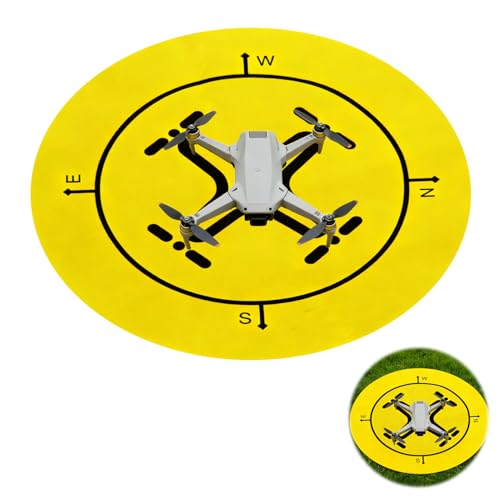
Drone Landing Pad, 20 Inch Universal Waterproof Weighted Portable Fast-Foldable
20-inch (50cm) foldable PU leather drone landing pad
View Today's Price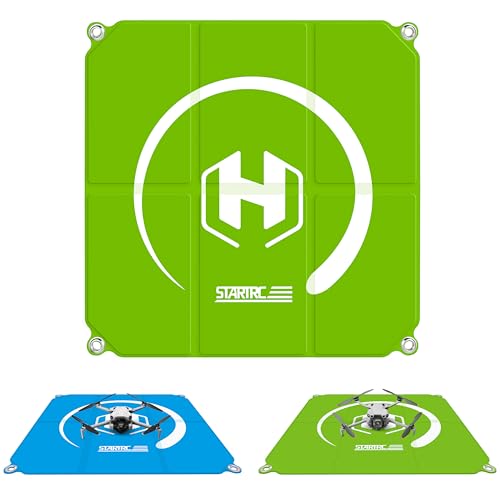
STARTRC Drone Landing Pad 22 inch
22-inch windproof waterproof anti-crash portable landing pad
View Today's PriceHow to Choose the Right Landing Pads
Choosing the right drone landing pad depends on drone size, flying terrain, portability needs, and lighting conditions—trade-offs that shift based on your specific flying habits and environments. A feature that’s perfect for a DJI Mini on pavement could be a disaster for a Phantom on windy grass. Generic top-10 lists miss these nuances. Our recommendation engine evaluates your unique setup across five key dimensions and matches you to the ideal landing pad in under 60 seconds.
About this guide
Landing Pads
Why Drone Landing Pads Are Trickier Than They Look
Choosing the right landing pads for drones in 2026 is more nuanced than most pilots realize. The trade-off between portability and stability is real: ultra-light foldable landing pads made from PU leather or ripstop nylon are easy to pack, but these landing pads can blow away in the slightest gust unless staked down. Weighted landing pads, like the Hoodman tri-folds, solve this with heavy perimeters or internal inserts, but these landing pads are bulkier and cost more—expect $35–$55 for a premium weighted landing pad versus $15–$25 for a budget foldable option. Size is another make-or-break factor: a 20–22 inch landing pad will work for a DJI Mini or Mavic, but land a Phantom or Inspire on one and you’ll risk clipping the edge of the landing pad. Most buyers underestimate how much debris even trimmed grass or fine dust can kick up into a drone’s gimbal and sensors without proper landing pads. Many also overlook the importance of high-contrast landing pad designs for optical-flow sensors and night visibility. Don’t fall for the cheapest landing pads if you fly in wind, or you’ll spend more time chasing your landing pad than flying.
What Actually Sets Landing Pads Apart
Not all landing pads are created equal—material, anchoring, and visibility features make a bigger difference than most buyers expect. Foldable fabric landing pads (PU leather or ripstop nylon) are great for portability, but skip these landing pads if you regularly fly in wind or on uneven ground. Weighted landing pads like the Hoodman 3-foot and 5-foot models are the gold standard for pros: their internal plastic inserts or heavy rims keep these landing pads flat on any surface, no stakes required. Reflective strips or built-in LEDs on landing pads aren’t just gimmicks—if you fly at dusk or use return-to-home, these features can mean the difference between a safe landing and a lost drone. For larger drones (Phantom, Inspire, Matrice 4E), only consider landing pads 28 inches or larger; anything smaller is a false economy. Prioritize waterproof landing pads and high-contrast color schemes (orange/black is best) for all-weather use and reliable sensor targeting. If you only fly on pavement, almost any landing pad will do, but for grass, sand, or mud, invest in a weighted or staked landing pad design.
How to Decide: Interacting Factors and Smart Choices
Your drone’s size, your flying environment, and your budget all interact in ways that shape the best landing pads for you. A compact drone like the DJI Mini needs just a 20-inch landing pad, but if you fly on sand or grass, waterproof landing pads and wind resistance become critical. Large drones demand a 28–30 inch landing pad for safe landings, and only weighted or heavy-duty staked landing pads will stay put in gusty conditions. Night flyers should prioritize reflective or LED-equipped landing pads, while recreational pilots can get away with simpler, budget-friendly landing pads. The quiz evaluates your drone size, landing pad type, use case, terrain, and lighting needs to match you with the right landing pads. Don’t ignore portability if you hike to your launch site—foldable landing pads are easier to pack, but may need extra anchoring. Professional pilots should skip anything under $35 and focus on long-term durability in their landing pads. Ultimately, the right landing pads balance size, stability, and visibility for your specific flying habits and locations.
Buyer's guide
How to choose
1Core Performance Criteria
- Always match the pad diameter to your drone’s footprint—20–22 inches for Minis, 28–30 inches for Phantoms or Inspires ensures safe, debris-free landings.
- Weighted pads like Hoodman’s tri-folds resist wind without stakes, while lightweight foldables can blow away unless anchored, especially on open fields.
- Waterproof materials (PU leather or ripstop nylon) are essential for flying on grass, sand, or after rain—avoid basic canvas or non-coated fabrics.
- High-contrast dual-color designs (like orange/black) help your drone’s optical-flow sensors lock on, reducing drift and landing errors.
- Reflective strips or integrated LEDs are must-haves for dusk, dawn, or night flights, improving both pilot visibility and downward sensor accuracy.
- A pad that folds to one-third its deployed size is ideal for portability, but ensure it springs flat and doesn’t retain creases that could snag rotors.
2Build Quality and Durability
- Heavy-duty polyester or PU leather pads outlast basic nylon, especially after repeated folding and exposure to sun or moisture.
- Stitched or reinforced edges prevent fraying—look for double-stitched seams, especially on premium pads like Hoodman or EUDAX.
- Weighted perimeters (plastic inserts or sand-filled tubes) keep pads flat and usable in wind, unlike cheap pads that curl or flip.
- Waterproof coatings extend pad life and prevent waterlogging, which can add weight and cause mildew in non-treated fabrics.
- UV-resistant materials prevent fading and cracking after months of outdoor use, a must for frequent flyers.
- Integrated carrying bags protect the pad during transport and storage, reducing accidental tears or abrasion in your drone kit.
3Value and Price Analysis
- Budget pads under $25 deliver solid value for casual pilots, but expect lighter materials and less wind resistance.
- Premium weighted pads in the $35–$55 range justify the price with superior durability, wind stability, and all-weather usability.
- Avoid ultra-cheap pads with no waterproofing or poor stitching—these often fail after a few outings, costing more in replacements.
- Consider the total kit: some pads include stakes, reflective strips, or carrying cases, which add value and convenience.
- If you fly larger drones, spending more upfront on a bigger, weighted pad prevents costly gimbal or sensor repairs.
- Mid-range options ($25–$35) can offer the best balance for hobbyists—look for reinforced fabrics and at least some wind resistance.
4Fit for Use Case and Environment
- Hobbyists flying on pavement or short grass can use lightweight foldable pads, prioritizing portability over wind resistance.
- Professional or commercial pilots should choose weighted, heavy-duty pads for reliability on any surface and in variable weather.
- If you fly on sand, mud, or snow, waterproof and easy-clean surfaces are essential to prevent debris from sticking to your gear.
- Photographers and videographers benefit from reflective or LED-equipped pads for safer landings in low light or at dusk.
- Frequent travelers or hikers should look for pads that fold compactly and weigh under 2 pounds for easy transport.
- For automated landings or return-to-home, high-contrast pads improve accuracy and reduce the risk of missed landings or tip-overs.
5Common Mistakes to Avoid
- Choosing a pad that’s too small for your drone leads to edge strikes and debris hitting the gimbal or sensors.
- Underestimating wind—lightweight pads without weights or stakes can become airborne hazards, especially in open fields.
- Ignoring waterproofing results in soggy, heavy pads that are hard to clean and can damage your drone’s landing gear.
- Selecting a pad with poor visibility or single-color design can confuse optical-flow sensors and cause unstable landings.
- Forgetting about portability—bulky, rigid pads are a pain to carry if you hike or travel to fly.
- Relying on price alone—saving $10 on a flimsy pad can cost hundreds in drone repairs if debris gets into moving parts.
6Maintenance and Longevity
- Always wipe down your pad after use, especially if flying on sand or mud, to prevent abrasive grit from wearing the fabric.
- Store pads dry and folded in their carrying bag to avoid mildew and prolong waterproof coatings.
- Inspect seams and weighted perimeters regularly for signs of wear or leakage—repair promptly to maintain wind resistance.
- Avoid folding pads along the same crease every time, as this weakens the material and can cause premature cracking.
- UV exposure degrades materials over time; store your pad out of direct sunlight when not in use.
- Replace reflective strips or LED batteries as needed to ensure night visibility and safe landings in low-light conditions.
FAQ
Frequently asked questions
Is a weighted landing pad worth paying extra for?
Absolutely—if you fly in windy conditions or on uneven terrain, a weighted pad like the Hoodman tri-fold is a game changer. Unlike lightweight foldables, weighted pads stay flat without stakes, resist rotor wash, and won’t blow away mid-flight. The extra $15–$30 over a basic pad pays off in reliability and long-term durability, especially for larger drones or frequent outdoor use. If you only fly indoors or on calm days, a basic foldable may suffice, but most pilots find weighted pads are well worth the investment.
How does Hoodman compare to budget brands like SENSHINE or YADFYSUL?
Hoodman sets the standard for durability and wind resistance with their weighted tri-fold landing pads, which use heavy-duty materials and internal weights. Budget brands like SENSHINE or YADFYSUL offer solid value for casual flyers, especially with foldable designs under $25, but they often rely on stakes or lighter fabrics that can struggle in wind. If you fly larger drones or need all-weather reliability, Hoodman is the clear choice. For light recreational use, budget brands can be perfectly adequate.
What size landing pad do I need for a DJI Mini or Spark?
For compact drones like the DJI Mini or Spark, a 20–22 inch landing pad is ideal. This size provides enough margin to prevent grass, sand, or debris from reaching the gimbal and sensors, while still being easy to fold and carry. Going larger isn’t necessary unless you want extra room for imprecise landings. Avoid pads under 17 inches, as they offer minimal protection and can lead to tip-overs, especially in windy or uneven environments.
Are reflective strips or LEDs on a landing pad actually useful?
Yes, reflective strips and LEDs are more than just nice-to-have features. They dramatically improve pad visibility during dusk, dawn, or night flights, making it easier to spot your landing zone and helping your drone’s downward sensors lock on accurately. If you fly with FAA night waivers or often shoot in low light, investing in a pad with reflective or illuminated features is a smart move for both safety and landing precision.
Can I use any landing pad on sand or wet grass?
Not all pads are suited for sand or wet grass. For these terrains, choose a waterproof pad made from PU leather or ripstop nylon, ideally with a weighted perimeter to prevent shifting. Basic fabric pads can absorb moisture, become heavy, and stick to sand or mud, making cleanup a hassle. Weighted, waterproof models like the Hoodman or certain EUDAX pads excel in these conditions, ensuring your drone stays clean and your pad stays put.
Do I really need a landing pad for concrete or pavement?
While you can technically take off from concrete or pavement without a pad, using one still protects your drone from dust, pebbles, and hot surfaces that can damage landing gear or sensors. Any pad will do for hard surfaces, so a lightweight, foldable option is fine. However, if you frequently move between different terrains, a more robust pad offers greater versatility and long-term protection for your investment.
What’s the best landing pad for large drones like the Phantom or Inspire?
For large drones such as the DJI Phantom, Inspire, or Matrice 4E, only consider pads 28 inches or larger. Weighted pads like the Hoodman 3-foot or 5-foot models provide the stability and surface area needed for safe, debris-free landings. Smaller pads risk edge strikes and insufficient protection for larger landing gear. Investing in a premium, heavy-duty pad ensures your expensive drone’s camera, gimbal, and sensors stay protected on every flight.
Best Landing Pads By Category
Related Guides
Beginner CNC Routers
Project type, assembly comfort, upgrade needs, and support—get matched to the right CNC router for your skills and ambitions.
Beginner Telescopes
Skill level, observing targets, portability, and setup preferences—get matched to the right beginner telescope for your skywatching style.
Calipers
Matched to your measurement type, accuracy needs, shop environment, and workflow—find the caliper that truly fits your projects.
Desktop 3D Scanners
Matches you to the right scanner based on object size, precision, workflow, colour needs, and how you’ll actually use it.
3D Printer Filament
Matched to your project type, printer, experience, and budget—find the right filament for every print.