Which Advanced Camera Drone Fits Your Flying Style?
We scored 400+ camera drones across 5 dimensions — answer 5 quick questions and we'll match you to YOUR best pick.

Powered by DecisionScore™
Each product is evaluated across 18 weighted criteria — covering performance, value, build quality, and real-world usability. Your quiz answers re-weight the criteria to match what matters most to you, so two people can get different #1 picks from the same data.
See the DecisionScore methodology →- 1/1.28‑inch sensor with 6K/30 fps video
- Up to 38‑minute flight time and 4× digital zoom
- Dynamic Track 2.1 subject tracking and SkyLink transmission
Find your perfect camera drones
5 quick questions. No quiz-takes-10-minutes trap. A personalized match from 39 scored picks — with clear reasoning for every recommendation.
What type of footage will you capture most?
Choose the style of footage you’re excited about. Cinematic drones prioritise smooth, high‑resolution video. Action/FPV models emphasise speed and agility for immersive first‑person shots. 360‑degree rigs capture everything around you for VR content. Travel‑focused drones trade some image quality for ultimate portability. If you’re unsure, cinematic is a versatile starting point.
- Cinematic footage benefits from gimbals and large sensors for smooth, detailed video.
- FPV and action shots require drones with fast response and robust crash protection.
- 360-degree rigs are best for VR or immersive content, but demand more editing skill.
As an Amazon Associate and affiliate partner we earn from qualifying purchases. Links on this page may earn us a commission at no extra cost to you. Full disclosure
Not ready for the quiz? Here are our overall top picks
These are our top-rated picks overall. For a recommendation matched to YOUR specific needs,
Autel Robotics EVO Lite 640T Enterprise Bundle, 866g Lightweight
1/1.28‑inch sensor with 6K/30 fps video
View Today's Price
DJI Mini 4 Pro (DJI RC 2), Drones with Camera for Adults 4K, Under 0.549 lbs/249
Compact folding drone with 1/1.3‑inch sensor
View Today's Price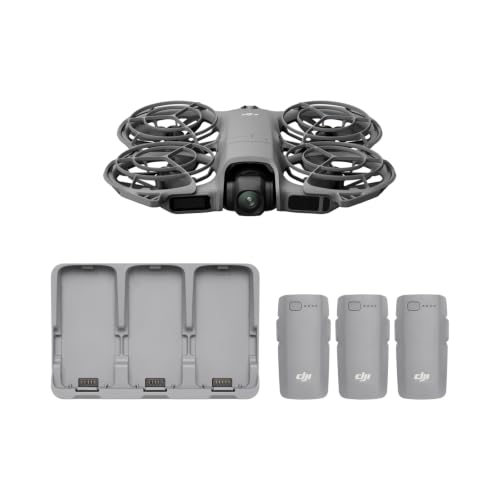
DJI Neo 2 Fly More Combo (Drone Only), 4K Drone With Camera
32× zoom dual‑sensor payload with 4K video
View Today's PriceHow to Choose the Right Camera Drones
Choosing the right advanced camera drone depends on how you balance portability, camera sensor quality, flight time, and regulatory requirements—trade-offs that shift based on your shooting style, travel habits, and budget. A feature that’s essential for cinematic landscapes may be overkill for travel, while registration rules make weight a deal-breaker for some. Our recommendation engine analyzes your unique needs across five key dimensions and matches you to the ideal camera drone in under 60 seconds.
About this guide
Camera Drones
Why Advanced Camera Drone Choices Are Trickier Than Ever
Choosing advanced camera drones in 2026 isn’t just about picking the highest resolution or longest flight time. Leading manufacturers like DJI and Potensic have packed advanced camera drones with pro-level features—think 4K/60fps video, AI tracking, and multi-lens gimbals—into airframes that weigh less than 250 grams. That’s a significant upgrade for travel and registration, but it also means real trade-offs for anyone shopping for advanced camera drones. Under-250g advanced camera drones like the DJI Mini 4K ($300) dodge FAA paperwork, yet sacrifice sensor size and wind stability compared to heavier flagship advanced camera drones like the Mavic 4 Pro ($2,200). Battery life claims of 31–32 minutes for advanced camera drones often shrink to 20–25 minutes in real-world conditions, especially in wind or when shooting 4K. Many buyers get tripped up by acronyms—OcuSync 4, LiDAR, DynamicTrack—without realizing how these impact footage or flight safety in advanced camera drones. Price tiers are stark: $250–$400 gets you solid 4K and tracking in entry-level advanced camera drones, but true pro features (6K video, 100MP Hasselblad stills) live above $1,000. Most people underestimate how much regulations, flight time, and actual camera needs should drive their choice of advanced camera drones.
What Actually Sets the Best Drones Apart
The real differentiators in advanced camera drones aren’t just megapixels or flight specs—they’re how those specs work together in practice. DJI dominates the advanced camera drones market for a reason: their gimbals and OcuSync 4 transmission deliver unmatched stability and wind resistance, especially on advanced camera drones like the Mini 4 Pro and Mavic 4 Pro. Potensic’s Atom 2 is a rare non-DJI rival in advanced camera drones that holds its own for under $400, offering 4K/30fps and AI tracking, but it can’t match DJI’s low-light performance or controller precision. Skip 6K/100MP advanced camera drones unless you’re editing for broadcast or heavy post-production—4K/30fps is more than enough for social, YouTube, or travel. Don’t get seduced by multi-lens systems in advanced camera drones if you never use zoom or vertical video; a single large sensor often yields better footage. Under 250g advanced camera drones are a must if you want to avoid registration headaches, but heavier advanced camera drones unlock better sensors, longer flights, and advanced avoidance. Bottom line: prioritize camera quality and flight stability in advanced camera drones over raw spec sheets—avoid outdated models like Yuneec Mantis Q or Typhoon H Plus entirely.
How to Weigh the Decision Factors That Matter
The interplay between portability, camera quality, and flight time is what makes picking advanced camera drones so nuanced. If you travel or hike, sub-250g advanced camera drones like the DJI Mini 4K are unbeatable for convenience, but you’ll compromise on sensor size and wind handling. Need pro-grade footage? You’ll have to accept a heavier, pricier advanced camera drone and deal with registration. Flight time is always less than advertised with advanced camera drones—expect 20–25 minutes per battery in real use. Special features like autonomous tracking or FPV immersion in advanced camera drones are fantastic, but only if they fit your shooting style and skill level. Our quiz evaluates your footage goals, portability needs, camera expectations, desired features, and battery life requirements to narrow the field of advanced camera drones. For most buyers, the smartest move is to match your primary use case (cinematic, travel, FPV, 360) to the right balance of weight, sensor, and price in advanced camera drones—don’t overspend for pro specs you won’t use, but don’t settle for a budget advanced camera drone if you crave cinematic results.
Buyer's guide
How to choose
1Core Performance Criteria
- Look for at least 4K/30fps video and a 3-axis gimbal—DJI Mini 4K and Potensic Atom 2 both deliver this in the $300–$400 range.
- Flight stability in wind is critical; Level 5 wind resistance is the minimum for reliable outdoor shooting, especially in coastal or open areas.
- Transmission range should be at least 8–10km for uninterrupted control—OcuSync 4 on DJI models is the current gold standard.
- AI tracking and obstacle avoidance are must-haves for solo creators; Potensic Atom 2 and DJI Mini 4 Pro both offer reliable subject tracking.
- Low-light performance separates premium drones—1-inch sensors like on DJI Air 3S greatly outperform smaller sensors in dusk or shade.
- Skip 6K/100MP unless you need pro editing flexibility; for most users, 4K with good dynamic range is more practical and manageable.
2Build Quality and Durability
- Sub-250g drones like DJI Mini 4K use lightweight plastics for portability, but can feel less robust than heavier Mavic or Air series models.
- Folding arms and compact designs are great for travel, but check hinge strength and play—loose hinges can cause vibration in flight footage.
- Propeller guards are essential for indoor or close-quarters flying; invest in a quality set to protect both drone and surroundings.
- Weather sealing is rare below $1,000; avoid flying in rain or heavy mist, as even premium models like Mavic 4 Pro lack full waterproofing.
- Battery door and gimbal mechanisms are common failure points—test these before each flight and avoid forcing them if they feel sticky.
- DJI’s build quality is consistently praised in reviews, but Potensic’s Atom 2 is surprisingly sturdy for its price, outperforming most sub-$400 competitors.
3Value Analysis
- The $300–$400 range (DJI Mini 4K, Potensic Atom 2) is the current sweet spot for 4K video, 30+ minute flights, and reliable AI features.
- Premium models like DJI Mavic 4 Pro ($2,200) only make sense if you truly need 6K video, 100MP stills, or broadcast-grade footage.
- Avoid drones under $200—these lack gimbals, have poor wind handling, and rarely deliver usable 4K footage despite the marketing claims.
- Look for bundled accessories (controller, extra batteries, ND filters) as these can add $100–$200 in value over buying each item separately.
- Potensic Atom 2 matches DJI Mini 3’s performance at a lower price, making it a standout for budget-conscious buyers who still want AI tracking.
- Sales on sub-250g drones are frequent—watch for DJI Mini 4K dropping to $250, but don’t pay more than $400 for this tier in 2026.
4Use-Case Fit
- Travelers should prioritize drones under 250g for easy packing and to avoid registration—Mini 4K is a top pick for this scenario.
- Cinematic shooters benefit from larger sensors and multi-lens options, but must accept heavier drones and stricter regulations.
- FPV and action fans need models with fast acceleration, high top speeds, and robust crash protection—standard camera drones aren’t built for this.
- Social media creators can get by with smaller sensors, as long as the drone offers stable 4K and decent color profiles.
- If you plan to shoot in low light, a 1-inch sensor (DJI Air 3S) is a must—budget models struggle with noise and detail loss.
- For long-form projects or surveying, prioritize drones with 30+ minute real-world flight time and hot-swappable batteries for minimal downtime.
5Common Mistakes to Avoid
- Don’t assume advertised flight times—expect 20–25 minutes per battery, not 31–32, especially if shooting in 4K or in windy conditions.
- Skipping wind resistance specs is a recipe for shaky footage; Level 5 or better is essential for reliable outdoor use.
- Paying extra for 6K or 100MP is wasted if you only share to social media or YouTube—4K is more than enough for most users.
- Overlooking registration rules leads to headaches; drones over 250g require paperwork and sometimes insurance in many regions.
- Buying outdated models like Yuneec Mantis Q or Inspire 3 means missing out on modern AI, tracking, and flight safety features.
- Neglecting controller quality is a mistake—upgrading to RC Pro 2 on DJI models yields much smoother and more precise flight control.
6Maintenance and Longevity
- Keep firmware updated—DJI and Potensic regularly release stability and feature updates that improve flight safety and camera performance.
- Store batteries at 50–70% charge and use a LiPo-safe bag to maximize lifespan and reduce fire risk during transport.
- Regularly clean gimbal and camera lenses with a microfiber pen to prevent dust spots and ensure sharp footage.
- Inspect folding arms and propellers before each flight; replace any with visible cracks or warping to avoid mid-air failures.
- Avoid flying in rain or fog, as even high-end drones lack full waterproofing and moisture can damage sensors and motors.
- Replace propellers and batteries every 12–18 months if flying regularly—performance drops and flight times shorten as components age.
FAQ
Frequently asked questions
Is it worth paying extra for a drone with a 1-inch sensor?
A 1-inch sensor, like on the DJI Air 3S, delivers much better low-light performance and dynamic range than smaller sensors. If you shoot at dusk, in forests, or want cinematic depth, it’s absolutely worth the premium. For bright daylight and casual social media, a smaller sensor is usually fine, but serious photographers will notice the difference immediately.
How does the DJI Mini 4K compare to the Potensic Atom 2?
Both the DJI Mini 4K and Potensic Atom 2 offer 4K video, 30+ minute flight times, and sub-250g weight for registration-free flying. The DJI Mini 4K has a slight edge in wind resistance and gimbal stability, while the Atom 2 matches it on AI tracking and price. If you value smoother footage and a larger accessory ecosystem, DJI is the safer bet, but Potensic delivers impressive value.
What flight time can I realistically expect from a 31-minute rated drone?
Expect 20–25 minutes of real-world flight per battery, even if the manufacturer claims 31–32 minutes. Wind, high-speed maneuvers, and 4K recording all drain batteries faster. Always bring at least one spare battery for longer shoots, and plan for a few minutes of buffer to land safely before low-battery warnings kick in.
Do I need to register my drone if it’s under 250 grams?
No, drones under 250 grams—like the DJI Mini 4K and Potensic Atom 2—are exempt from registration in most regions, including the US and EU. However, adding accessories or larger batteries can push the weight over the limit, so always check your drone’s total takeoff weight before flying to avoid legal issues.
Should I buy a drone with multiple lenses or stick with a single large sensor?
Multi-lens drones offer zoom and vertical shooting versatility, but a single large sensor often produces cleaner, more cinematic footage. Unless you specifically need zoom or portrait modes, prioritize sensor size and gimbal quality over lens count. For most creators, a well-tuned single-lens system is simpler and more reliable.
How does the DJI Mavic 4 Pro justify its higher price compared to the Mini 4 Pro?
The Mavic 4 Pro delivers 6K/60fps video, 100MP Hasselblad stills, and omnidirectional obstacle avoidance—features aimed at professional videographers and commercial pilots. It’s heavier, requires registration, and costs over $2,000, but if you need broadcast-quality footage or advanced safety, it’s unmatched. For most hobbyists, the Mini 4 Pro offers more than enough capability at a much lower price.
What are the main drawbacks of buying a drone under $200?
Drones under $200 typically lack a true 3-axis gimbal, have poor wind resistance, and deliver subpar video quality—even if they claim 4K. Flight times are shorter, and app support is often unreliable. If you care about stable, usable footage, it’s worth saving for a $300–$400 model like the DJI Mini 4K or Potensic Atom 2.
Best Camera Drones By Category
Related Guides
Action Cameras Buying Guide
Matched to your adventure style, budget, portability needs, and the features you’ll actually use—no more guessing.
Advanced DSLR Cameras
Matched to your shooting style, sensor format, portability, video needs, and autofocus speed—get the right camera for your real workflow.
Beginner Drones
Matched to your flying style, risk tolerance, budget, and camera needs—get the right beginner drone for how you’ll actually fly.
Beginner Mirrorless Photography Cameras
Sensor size, stabilization, body style, and creative features—matched to your budget and how you actually want to shoot.