Skip the research trap. Get your carrying cases in 60 seconds.
We scored 400+ carrying cases across 5 dimensions — answer 5 quick questions and we'll match you to YOUR best pick.

Powered by DecisionScore™
Each product is evaluated across 18 weighted criteria — covering performance, value, build quality, and real-world usability. Your quiz answers re-weight the criteria to match what matters most to you, so two people can get different #1 picks from the same data.
See the DecisionScore methodology →- CornerArmor military-grade drop protection (MIL-STD-810H 2025)
- Tri-compartment smart storage system with small pockets
- Hidden back pocket for secure personal belongings
Find your perfect carrying cases
5 quick questions. No quiz-takes-10-minutes trap. A personalized match from 40 scored picks — with clear reasoning for every recommendation.
What type of carrying case do you need?
Different case types offer different protection levels and capacity. Laptop sleeves are slim and portable; backpacks offer the most storage; camera bags have padded dividers; gaming cases protect consoles; travel organizers manage cables and accessories.
- Laptop sleeves are slim and lightweight, perfect for slipping into another bag or carrying solo.
- Backpacks offer the most space and comfort for heavier loads or multiple devices.
- Camera bags and gaming cases provide dedicated protection—choose these if you carry sensitive electronics or gear.
As an Amazon Associate and affiliate partner we earn from qualifying purchases. Links on this page may earn us a commission at no extra cost to you. Full disclosure
Not ready for the quiz? Here are our overall top picks
These are our top-rated picks overall. For a recommendation matched to YOUR specific needs,
tomtoc 360 Protective Laptop Shoulder Bag for 14-inch MacBook Pro M5 Pro/Max
CornerArmor military-grade drop protection (MIL-STD-810H 2025)
View Today's Price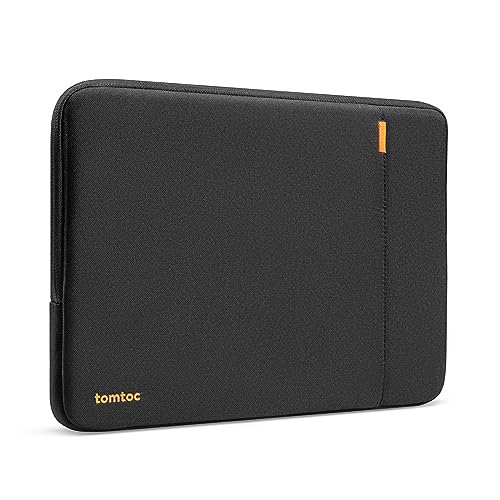
tomtoc 360° Protective Laptop Sleeve for 13-inch New MacBook Air M5/A3449 (2026)
CornerArmor Technology with 4 corner protectors
View Today's Price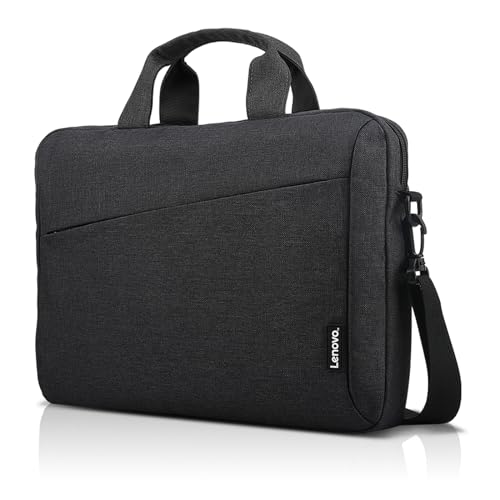
Lenovo Laptop Bag T210, Messenger Shoulder Bag for Laptop or Tablet, Sleek,
Fits 14.1-inch laptops and tablets in padded main compartment
View Today's PriceHow to Choose the Right Carrying Cases
Choosing the right carrying case depends on device size, use scenario, protection needs, and budget—trade-offs that shift based on your daily routine, travel habits, and gear value. Generic top-10 lists can’t account for how these factors interact—what’s ideal for a daily commuter may be wrong for a traveling photographer. Our recommendation engine evaluates your specific needs across five key dimensions and matches you to the right carrying case in under 60 seconds.
About this guide
Carrying Cases
Why Carrying Case Selection Is Trickier Than It Looks
Choosing the right carrying case in 2026 is a balancing act that trips up even savvy buyers. The trade-offs are real: a slim laptop sleeve (like those from MOSISO or tomtoc) slips easily into any bag, but sacrifices drop protection and organization for portability compared to more robust carrying cases. Full-featured carrying cases like backpacks from SwissGear or MATEIN offer padded laptop compartments and RFID-blocking pockets, but can be bulky and overkill for light commutes. Camera carrying cases with adjustable dividers (from CADeN or ProCase) protect expensive gear, yet add weight and may not fit non-photography needs. Budget carrying cases under $30 are tempting for students, but often use basic materials and lack water resistance, while mid-range carrying cases ($40–$60) unlock smarter layouts and better zippers. Premium carrying cases up to $100, like those from Herschel or BAGSMART, tout military-grade drop protection and sustainable fabrics, but can be overkill for casual use. Most buyers underestimate the importance of fit—buying a carrying case that’s too loose or a backpack that barely fits their device. Others ignore carry method, choosing a shoulder bag when a backpack carrying case would be more ergonomic. The biggest pitfall? Focusing only on looks or price, not on daily usability and verified protection in carrying cases.
What Actually Sets Carrying Cases Apart
The real differentiators in carrying cases are protection level, organization, and carry comfort—not just brand or style. tomtoc’s 360° padding and water-resistant zippers genuinely outperform basic carrying cases, especially for MacBook Air or Pro users. SwissGear’s ScanSmart carrying cases pass TSA checks without removing your laptop, a lifesaver for frequent flyers. If you need to carry a camera, padded dividers and quick-access pockets from CADeN or ProCase carrying cases are non-negotiable; skip basic carrying cases unless you’re only carrying a single lens. For console gamers, Orzly’s Nintendo Switch carrying cases with game card slots and hard-shell exteriors give real peace of mind over generic pouches. Organization is where mid-range and premium carrying cases shine: BAGSMART’s cable organizers tame chaos with mesh pockets and elastic loops, a huge upgrade from the single-pocket designs in budget carrying cases. Weather resistance is more than a buzzword—look for water-resistant coatings or sealed seams in carrying cases if you commute in rain, but skip full waterproofing unless you’re outdoors a lot. Don’t be fooled by brand alone: even big names like JanSport or Herschel offer carrying cases that vary widely in protection and layout. Focus on specs like drop rating, zipper quality, and warranty length when comparing carrying cases, rather than pure aesthetics.
How to Make the Right Choice for Your Needs
The best carrying case for you depends on how device size, use scenario, protection needs, and budget interact. A 17-inch laptop requires a much larger carrying case—SwissGear’s 1900 ScanSmart fits, but many stylish carrying cases don’t. Photographers need padded camera carrying cases with modular dividers, while daily commuters can get by with a slim tomtoc or MOSISO carrying case. If you travel often, prioritize TSA-friendly carrying cases and water resistance; for cable organization, a dedicated BAGSMART travel organizer outperforms stuffing chargers into your backpack’s front pocket. Budget constrains your carrying case options: under $30, expect basic protection and fewer pockets; $40–$60 unlocks better materials and smarter layouts; $100 gets you drop-tested, eco-friendly, or modular carrying cases. Weather protection matters more if you’re outdoors or in rainy climates—don’t overpay for waterproof carrying cases if you’re always indoors. Our quiz evaluates your device size, use scenario, budget, and water protection needs to match you to the right carrying case. Beyond that, think about how you’ll actually carry it: shoulder strap for short trips, backpack carrying cases for heavier loads, or a sleeve that slips into another bag. Don’t forget to check warranty details—brands like Osprey and SwissGear offer lifetime repairs on their carrying cases, which can be a significant upgrade for frequent travelers.
Buyer's guide
How to choose
1Core Performance Criteria
- Choose a case that matches your device size exactly—loose sleeves or tight backpacks can lead to damage or daily frustration.
- Prioritize padding and drop protection for laptops or cameras—tomtoc’s 360° padding and CADeN’s adjustable dividers are superior to generic foam.
- Look for TSA-friendly designs like SwissGear’s ScanSmart if you travel, which allow you to pass airport security without removing your device.
- Water resistance is essential for commuters; opt for sealed zippers and coated fabrics if you face rain, but skip full waterproofing for indoor-only use.
- Organization features like mesh pockets and elastic loops in BAGSMART organizers make a real difference for cable and accessory management.
- RFID-blocking pockets, found in some SwissGear and MATEIN models, are valuable for protecting personal data during travel or in crowded spaces.
2Build Quality and Durability
- Check for reinforced stitching and high-denier fabrics—SwissGear and Herschel use 1680D or higher for long-term durability.
- YKK or SBS zippers are more reliable than generic brands, reducing the risk of snags or breakage over years of daily use.
- Hard-shell cases, like those from Orzly or certain camera bags, offer superior impact resistance but can add weight compared to padded soft cases.
- Water-resistant coatings and sealed seams extend lifespan, especially if you commute or travel in wet climates.
- Look for warranty details—Osprey and SwissGear offer lifetime repairs, while budget brands may only cover basic defects for one year.
- Avoid cases with thin straps or weak handle attachments, as these are common failure points in budget options under $30.
3Value and Price Analysis
- Budget cases under $30, like basic MOSISO sleeves, deliver solid value for light use but sacrifice advanced protection and organization.
- Mid-range picks ($40–$60) from BAGSMART or MATEIN unlock better materials, smarter layouts, and often include brand-backed warranties.
- Premium cases up to $100, such as Herschel or SwissGear, justify their price with military-grade drop protection, eco-friendly fabrics, or modular systems.
- Avoid overpaying for aesthetics—Away and similar brands may look stylish but are prone to scuffing and offer less value for the price.
- Watch for seasonal sales on Amazon US, where even top models from tomtoc or ProCase can drop into the mid-range tier.
- Lifetime warranties, like those from Osprey, add long-term value and can offset a higher upfront price if you travel frequently.
4Fit for Specific Use Cases
- Photographers should choose camera bags with customizable dividers and quick-access pockets, such as those from CADeN or ProCase.
- Gamers need console-specific cases—Orzly’s Switch case with hard-shell protection and game card slots is far better than generic pouches.
- Travelers benefit from TSA-friendly backpacks like SwissGear’s ScanSmart, which streamline airport security and keep devices protected.
- Students and commuters may prefer slim sleeves (MOSISO, tomtoc) that fit easily into existing backpacks or totes without extra bulk.
- Cable and accessory organization is best handled by dedicated organizers from BAGSMART, which prevent tangles and lost chargers.
- Outdoor users or those in wet climates should prioritize water-resistant or waterproof models, but avoid paying for this feature if you’re mostly indoors.
5Common Mistakes and Pitfalls
- Many buyers underestimate the importance of exact fit, leading to sleeves that are too loose or backpacks that barely close around their device.
- Ignoring carry method is a frequent error—shoulder bags are less ergonomic for heavy loads than backpacks with padded straps.
- Focusing only on style or color often results in poor protection—Away and similar brands can scuff easily and lack real drop resistance.
- Overlooking zipper quality leads to daily frustration; always check for YKK or SBS branding, especially in mid- and premium-tier cases.
- Neglecting warranty details can cost you—brands like Osprey and SwissGear offer lifetime repairs, while budget options may have weak coverage.
- Forgetting to check organizational features means you’ll end up with cable chaos or lost accessories, especially in basic sleeves or backpacks.
6Maintenance and Longevity
- Clean fabric cases regularly with mild soap and water to prevent stains and extend the life of coatings and zippers.
- Inspect seams, straps, and handles every few months—early repairs prevent catastrophic failures, especially on budget cases under $30.
- Hard-shell cases should be wiped down after travel to prevent scuff buildup and maintain their protective integrity.
- Store your case in a dry, cool place to avoid mold or mildew, particularly if it has water-resistant treatments.
- Register your product with the manufacturer—brands like SwissGear and Osprey require this for lifetime warranty claims.
- Replace cases if padding compresses or zippers begin to fail, as these are signs the protective qualities have diminished.
FAQ
Frequently asked questions
Is paying extra for water resistance in a carrying case worth it?
If you commute or travel in rainy climates, water resistance is absolutely worth the extra cost. Cases like tomtoc’s water-resistant laptop sleeves or SwissGear’s coated backpacks protect your electronics from accidental spills or light rain. However, if you use your case exclusively indoors, basic splash resistance is usually enough. Full waterproofing (IPX-rated) is only necessary for outdoor adventures or heavy rain. For most users, spending $10–$20 more for reliable water resistance is a smart investment for peace of mind.
How does SwissGear compare to Herschel for backpacks in 2026?
SwissGear backpacks, such as the 1900 ScanSmart, excel in protection, TSA-friendly features, and lifetime repair warranties. They use high-denier fabrics and offer RFID-blocking pockets, making them ideal for travel and daily commuting. Herschel bags are known for their stylish designs and durable construction but may lack advanced organization or drop protection. If you prioritize travel and device safety, SwissGear is the better choice. For style-focused users who carry lighter loads, Herschel offers great build quality and aesthetics.
What size carrying case do I need for a 16-inch laptop?
For a 16-inch laptop, look for sleeves or backpacks specifically labeled for 15–16 inch devices. tomtoc’s 360 Protective Laptop Shoulder Bag and SwissGear’s larger ScanSmart models are designed to fit these dimensions without being overly snug. Avoid cases that only list compatibility up to 15.6 inches, as they may not accommodate newer, slightly larger laptops. Always check the internal measurements and allow a small margin for device thickness and accessories.
Are budget carrying cases under $30 reliable for daily use?
Budget carrying cases under $30, such as basic MOSISO sleeves or entry-level MATEIN backpacks, provide solid value for light daily use. They generally offer basic padding and simple organization. However, they may lack reinforced stitching, premium zippers, or advanced water resistance. For students or those with low-risk commutes, these cases are sufficient. If you need higher protection or travel frequently, consider investing in a mid-range model for better durability and warranty support.
What’s the advantage of a TSA-friendly backpack like SwissGear’s ScanSmart?
TSA-friendly backpacks like SwissGear’s ScanSmart allow you to pass through airport security without removing your laptop. The lay-flat design unzips to separate the laptop compartment, speeding up the screening process and reducing the risk of damage. This feature is invaluable for frequent flyers, saving time and hassle. In 2026, most premium travel backpacks include this function, but SwissGear’s implementation is consistently rated as the most reliable and user-friendly by expert reviewers.
Do I need a hard-shell case for my Nintendo Switch or camera?
If you travel often or carry your Nintendo Switch or camera in crowded bags, a hard-shell case is highly recommended. Orzly’s Switch case and ProCase camera bags offer rigid protection against drops, compression, and impacts. Soft cases may suffice for gentle, at-home use but won’t protect against accidental knocks or being crushed in luggage. For valuable electronics, spending a bit more on a hard-shell or padded case is a wise choice.
Which brands offer the best warranty or repair support for carrying cases?
Osprey and SwissGear stand out for their lifetime repair policies, covering defects and even some accidental damage. Herschel and MATEIN usually offer limited warranties of one to five years, covering manufacturing defects but not wear and tear. Budget brands often provide only 30-day to one-year coverage. If you travel frequently or rely on your case daily, a brand with a robust warranty like SwissGear or Osprey can save you money and hassle over time.
Best Carrying Cases By Category
Related Guides
Action Cameras Buying Guide
Matched to your adventure style, budget, portability needs, and the features you’ll actually use—no more guessing.
Camera Drones
Matched to your footage style, portability, camera quality, and how long you want to fly per charge.
Advanced DSLR Cameras
Matched to your shooting style, sensor format, portability, video needs, and autofocus speed—get the right camera for your real workflow.
Beginner Drones
Matched to your flying style, risk tolerance, budget, and camera needs—get the right beginner drone for how you’ll actually fly.
Beginner Mirrorless Photography Cameras
Sensor size, stabilization, body style, and creative features—matched to your budget and how you actually want to shoot.