Skip the research trap. Get your fitness trackers and smart watches in 60 seconds.
We scored 450+ fitness trackers and smart watches across 5 dimensions — answer 5 quick questions and we'll match you to YOUR best pick.
Powered by DecisionScore™
Each product is evaluated across 18 weighted criteria — covering performance, value, build quality, and real-world usability. Your quiz answers re-weight the criteria to match what matters most to you, so two people can get different #1 picks from the same data.
See the DecisionScore methodology →Find your perfect fitness trackers and smart watches
5 quick questions. No quiz-takes-10-minutes trap. A personalized match from 41 scored picks — with clear reasoning for every recommendation.
What’s your primary fitness focus?
Choose the main activity you want help with: everyday wellness tracks basic steps and sleep; training & performance suits serious athletes; advanced health focuses on detailed metrics like ECG; kids tracks are built for children; discreet devices prioritize subtle, screen-free tracking.
- If you’re a runner, prioritize built-in GPS and training analytics for accurate outdoor tracking.
- For everyday wellness, look for reliable step, sleep, and stress tracking with long battery life.
- Parents should consider trackers with kid-specific features like location tracking and gamified activity goals.
As an Amazon Associate and affiliate partner we earn from qualifying purchases. Links on this page may earn us a commission at no extra cost to you. Full disclosure
Not ready for the quiz? Here are our overall top picks
These are our top-rated picks overall. For a recommendation matched to YOUR specific needs,
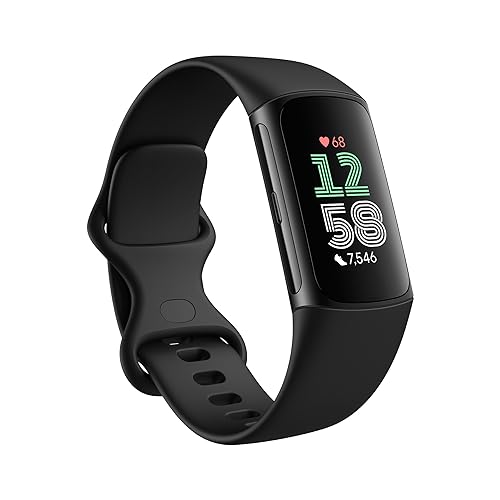
Fitbit Charge 6 Fitness Tracker with Google Apps - Heart Rate on Exercise

Garmin vívomove Trend, Stylish Hybrid Smartwatch, Long-Lasting Battery Life,

XIAOMI Smart Band 9 Global Version (2024) 1.62" Amoled Display | 233 mAh Battery
How to Choose the Right Fitness Trackers and Smart Watches
Choosing the right fitness tracker depends on your activity focus, desired features, comfort preferences, and budget—trade-offs that shift based on your lifestyle and device ecosystem. A feature that’s perfect for a marathoner is overkill for a casual walker, and the best value for one user is a waste for another. Our recommendation engine evaluates your specific needs across 12+ dimensions and matches you to the ideal tracker or smartwatch in under 60 seconds.
About this guide
Fitness Trackers and Smart Watches
The Real Buying Challenge: Specs, Trade-Offs, and Price Tiers
Buying a fitness tracker in 2026 is more complicated than ever, thanks to the explosion of options that go far beyond counting steps. The main challenge is balancing sensors, battery life, comfort, and connectivity with your actual fitness goals. For example, marathoners and serious athletes need multi-band GPS and advanced training metrics, which are only available on midrange and premium models like the Garmin Venu 4 ($450) or Coros Pace 4 ($150-200). Everyday wellness users, on the other hand, often overspend on features they’ll never use, when a Fitbit Inspire 3 ($100) or Amazfit Active 2 ($99) delivers accurate basics and 10-day battery life. Parents face a different set of trade-offs—location tracking and gamified activity for kids, but often at the cost of durability or battery. Most buyers get tripped up by headline specs: a big AMOLED screen looks great but can cut battery life to one day, while built-in GPS is overkill if you never run outdoors. Comfort, app compatibility, and even skin irritation from sweaty straps are real make-or-break factors that too many shoppers overlook.
What Separates the Options: Features, Brands, and Real Performance
The real differentiators in fitness trackers are not always obvious. Built-in GPS, found on models like the Garmin Venu 3S and Coros Pace 4, is essential for phone-free outdoor tracking but drains batteries fast—expect 5-7 hours with GPS active, versus 10-14 days in regular use. Skip GPS if you mostly walk indoors or at the gym. Advanced health metrics—like ECG, SpO2, skin temperature, and heart-rate variability—are available on devices such as the Fitbit Sense 2 or Apple Watch Series 11, but require paying for premium app subscriptions on Fitbit/Google, while Garmin and Coros give you full data for free. Battery life is a major separator: Apple Watches last barely a day, while Amazfit and Fitbit Inspire 3 stretch to 10+ days. For runners, Garmin and Coros are unrivaled for training analytics, but their screens and smart features lag behind Apple and Fitbit. If you hate subscriptions, avoid Fitbit and prioritize Garmin or Coros. And don’t underestimate comfort—bulkier watches like the Versa 4 can be uncomfortable on small wrists, while slim bands or rings offer all-day wearability without irritation.
Decision Factors and How to Choose
How you use your tracker—running marathons, tracking sleep, or just counting steps—directly determines which features are worth paying for. Room for error is slim: battery life, sensor accuracy, and even strap material interact with your daily routine. Budget is a huge constraint: under $100 nets you reliable basics (Fitbit Inspire 3, Amazfit Active 2), but you’ll sacrifice built-in GPS and advanced metrics. At $150-200, you unlock runner-focused devices like Coros Pace 4 with pro-grade analytics and marathon battery. Above $300, you’re paying for AMOLED screens, full smartwatch features, or deep health insights—worth it only if you’ll actually use them. Platform compatibility (iPhone vs Android), app ecosystems, and comfort all influence your long-term satisfaction. Our quiz weighs these factors—fitness focus, connectivity needs, design style, battery tolerance, and special features—to match you with the right device. Don’t assume more features are always better: for many, a slim band with 10-day battery and solid sleep tracking is a smarter buy than a bulky smartwatch loaded with rarely-used apps.
Buyer's guide
How to choose
1Core Performance Criteria
- Prioritize heart rate accuracy and sleep tracking, as seen in Fitbit Inspire 3 and Garmin Venu 4, for reliable daily health insights.
- Built-in GPS, featured on Garmin Venu 3S and Coros Pace 4, is essential for runners and cyclists who want phone-free outdoor tracking.
- Look for 10+ day battery life on models like Amazfit Active 2 if you dislike frequent charging and need consistent data capture.
- Check for advanced metrics such as SpO2, ECG, and HRV if you want proactive health monitoring—these are available on Fitbit Sense 2 and Apple Watch Series 11.
- Water resistance of at least 5ATM is necessary for swimming; verify claims, as some trackers exaggerate durability.
- Ensure the device syncs reliably with your smartphone platform—Fitbit and Apple excel for iOS, while Garmin and Amazfit work well across both ecosystems.
2Build Quality and Durability
- Choose silicone or fabric straps to minimize skin irritation, especially for sweaty workouts, as noted with Versa 4 and Inspire 3.
- Rugged models like Garmin Instinct 3 withstand drops, water, and extreme temperatures, making them ideal for hiking or outdoor use.
- Slim bands such as Fitbit Inspire 3 are comfortable for small wrists, but may sacrifice screen size and button durability.
- Check for IP68 or 5ATM ratings to ensure genuine water and dust resistance, especially if you swim or train outdoors.
- Replaceable bands and tempered glass protectors extend the lifespan of your device and help maintain a fresh look.
- Avoid ultra-cheap trackers under $50, as they often suffer from unreliable sensors and weak clasps that break within months.
3Value Analysis and Pricing
- The $100-200 price range delivers the best balance of accuracy, battery life, and features for most users, as seen in Coros Pace 4 and Fitbit Inspire 3.
- Premium models like Garmin Venu 4 ($450) and Apple Watch Series 11 justify their price only if you need AMOLED screens or deep ecosystem integration.
- Budget picks under $100, such as Amazfit Active 2, offer surprising battery life and AI coaching but may lack built-in GPS or advanced health metrics.
- Avoid trackers below $50, as they frequently overstate their capabilities and underdeliver on sensor accuracy and app support.
- Subscription fees for premium insights (Fitbit/Google) can add $80+ per year, so factor ongoing costs into your value calculation.
- Hybrid models in the $120-150 range balance fitness and smart features without locking you into expensive ecosystems.
4Fit for Your Use Case
- Serious runners and cyclists should prioritize multi-band GPS and training analytics found in Garmin and Coros models.
- Everyday wellness users benefit from slim, comfortable bands like Fitbit Inspire 3, which excel at step, sleep, and stress tracking.
- Parents shopping for kids should look for location tracking, gamified goals, and durable design, as in Garmin vivofit jr. 3.
- Swimmers need 5ATM or higher water resistance and swim-specific metrics, available on Garmin Venu 4 and select Fitbit models.
- If style matters, consider hybrid analog or ring trackers for discreet wear without sacrificing core health data.
- Heavy smartwatch users who want calls, music, and payments should focus on Apple Watch Series 11 or Fitbit Versa 4, but expect daily charging.
5Common Mistakes to Avoid
- Don’t pay extra for built-in GPS if you rarely run outdoors—phone-tethered tracking is accurate enough for most step and gym workouts.
- Avoid models that require subscriptions for basic health insights unless you’re committed to using those advanced metrics long-term.
- Overlooking strap comfort leads to skin irritation, especially during sweaty runs—test fit and material before committing.
- Assuming all trackers are waterproof is risky; verify IP68 or 5ATM ratings before swimming or showering with your device.
- Buying for looks alone can backfire—bulky watches like Versa 4 may be uncomfortable for small wrists or all-day wear.
- Ignoring smartphone compatibility leads to sync issues; check that your chosen tracker’s app works seamlessly with your phone’s OS.
6Maintenance and Longevity
- Wipe straps nightly with alcohol to prevent skin irritation and extend the life of silicone bands, as recommended for Fitbit and Garmin.
- Replace bands and screen protectors every 6-12 months to keep your device looking and feeling new.
- Update firmware regularly to fix bugs and improve sensor accuracy—brands like Garmin and Fitbit offer frequent updates.
- Avoid exposing your tracker to extreme heat or chemicals, which can degrade battery life and sensor reliability.
- Charge devices before they reach 10% battery to prolong lithium cell lifespan, especially on models with daily charging cycles.
- Store unused trackers in a cool, dry place and power them off to prevent battery degradation during long breaks.
FAQ
Frequently asked questions
Is built-in GPS worth paying extra for?
Built-in GPS is essential if you run or cycle outdoors and want phone-free tracking, as found in Garmin Venu 4 and Coros Pace 4. For gym workouts or casual step tracking, phone-tethered GPS on cheaper bands like Fitbit Inspire 3 is accurate enough. GPS drains battery quickly, so only pay extra if you’ll use it regularly for outdoor activities.
How does Fitbit compare to Garmin for everyday use?
Fitbit excels at motivating features like Active Zone Minutes, sleep tracking, and a user-friendly app, making it ideal for everyday wellness. Garmin offers superior training metrics and longer battery life, especially on models like Venu 3S. If you want deep health insights without a subscription, Garmin is better; for casual users, Fitbit’s ecosystem and comfort win.
What battery life should I expect from a fitness tracker?
Expect 10-14 days from slim bands like Amazfit Active 2 and Fitbit Inspire 3, while full-featured smartwatches like Apple Watch Series 11 last just 1-2 days. Built-in GPS or always-on displays will reduce battery life significantly. If you dislike frequent charging, prioritize models with at least a week between charges.
Are there good fitness trackers under $100?
Yes, models like Amazfit Active 2 and Fitbit Inspire 3 offer accurate step, heart rate, and sleep tracking with 10+ day battery life for under $100. However, you’ll sacrifice built-in GPS and some advanced health metrics. For basic wellness tracking, these budget options outperform many pricier competitors.
Do I need to pay for a subscription to get full features?
Some brands, like Fitbit, require a subscription (about $10/month) for advanced insights such as Daily Readiness Score or detailed sleep analytics. Garmin and Coros provide full access to training and health data without extra fees. Consider ongoing costs before committing, especially if you want premium health metrics.
Which tracker is best for small wrists or all-day comfort?
Slim bands like Fitbit Inspire 3 and lightweight models such as Coros Pace 4 are ideal for small wrists and unobtrusive wear. Bulky watches like Fitbit Versa 4 or Garmin Instinct 3 may feel uncomfortable for petite users or those who want to wear their tracker 24/7. Always test fit and strap material if possible.
How does Apple Watch Series 11 compare to other smartwatches?
Apple Watch Series 11 offers the best app ecosystem and advanced health sensors, but battery life is only 1-2 days—much shorter than Garmin or Amazfit. It’s ideal for iPhone users who want calls, music, and payments on their wrist. If long battery life or Android compatibility matter, look elsewhere.
Related reading
Best Fitness Trackers and Smart Watches By Category
Compare Fitness Trackers and Smart Watches
Related Guides
Android Smartwatches
Battery life, health sensors, phone compatibility, and style—get matched to the Android smartwatch that fits your priorities, not just the specs.
Dog GPS Trackers & Smart Collars
Matches your dog’s size, roaming area, battery needs, and subscription comfort to the right tracker or smart collar.
Sleep Trackers
Comfort, data detail, subscription fees, and phone compatibility—get matched to the right sleep tracker for your nightly routine.
Smartwatches
Phone compatibility, battery life, fitness tracking, and smart features—get matched to a smartwatch that truly fits your lifestyle.