Skip the research trap. Get your safety glasses in 60 seconds.
We scored 300+ safety glasses across 5 dimensions — answer 5 quick questions and we'll match you to YOUR best pick.

Powered by DecisionScore™
Each product is evaluated across 18 weighted criteria — covering performance, value, build quality, and real-world usability. Your quiz answers re-weight the criteria to match what matters most to you, so two people can get different #1 picks from the same data.
See the DecisionScore methodology →- ANSI Z87.1 and MIL-PRF 32432 ballistic rated
- Anti-fog + anti-scratch dual coating
- Integrated side shields for extra coverage
Find your perfect safety glasses
5 quick questions. No quiz-takes-10-minutes trap. A personalized match from 28 scored picks — with clear reasoning for every recommendation.
What type of lens coating do you prefer?
Lens coatings can significantly affect the performance of safety glasses. Anti-fog coatings are essential in humid environments, while anti-scratch coatings enhance durability. Mirror coatings can reduce glare, making them ideal for outdoor use.
- Construction and power tools require Z87.1+ high-impact lenses and full coverage for maximum protection.
- For general or home DIY, standard Z87.1 glasses with anti-fog and scratch resistance are usually sufficient.
- Lab, chemistry, or medical use may need splash guards or side shields in addition to impact protection.
As an Amazon Associate and affiliate partner we earn from qualifying purchases. Links on this page may earn us a commission at no extra cost to you. Full disclosure
Not ready for the quiz? Here are our overall top picks
These are our top-rated picks overall. For a recommendation matched to YOUR specific needs,
Ergodyne Skullerz SIXTEN Safety Glasses with Side Shields, Anti Fog + Anti
ANSI Z87.1 and MIL-PRF 32432 ballistic rated
View Today's Price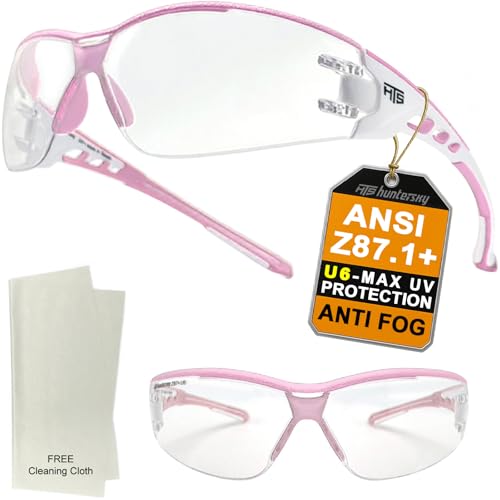
HTS HUNTERSKY E9532 Super Flexible Lightweight Anti Fog Wrap-Around U6 Clear
Super flexible lightweight frame
View Today's Price
Kleenguard™ V30 Maverick™ Safety Glasses (56567), Clear Lenses with KleenVision™
KleenVision anti-fog coating for clear vision
View Today's PriceHow to Choose the Right Safety Glasses
Choosing the right safety glasses depends on your work environment, lens type, fit style, and budget—factors that interact in ways most buyers overlook. A model perfect for outdoor landscaping is wrong for indoor lab work, and the best fit for prescription wearers isn’t ideal for everyone. Generic top-10 lists ignore these nuances. Our recommendation engine analyzes your specific needs across five dimensions and matches you to the ideal safety glasses in under 60 seconds.
About this guide
Safety Glasses
Why Choosing Safety Glasses Is Trickier Than It Looks
Most people assume grabbing any ANSI-rated pair of safety glasses is enough, but the real challenge is balancing protection, comfort, and usability for your environment. The ANSI Z87.1 certification is non-negotiable—it means your safety glasses can stop a 1/4-inch steel ball at 150 fps, but that’s just the baseline. For construction or heavy manufacturing, you absolutely need the Z87.1+ rating on your safety glasses, which handles impacts at 250 fps; skipping this is a mistake if you’re around power tools or flying debris. Price tiers matter: $10–$20 gets you basic, no-frills safety glasses, but step up to $30–$50 and you unlock anti-fog coatings, UV400-rated lenses, and all-day comfort features in your safety glasses. Most buyers overlook anti-fog performance in safety glasses, only to find their safety glasses useless in humid or sweaty conditions—a top complaint in verified reviews. Another common error is ignoring fit style; standard safety glasses don’t work if you wear prescription glasses underneath. Brands like NoCry, 3M, and KleenGuard each have their own strengths in safety glasses, but not every model is a winner. The real trick is matching safety glasses specs to your actual use—not just grabbing whatever’s cheapest or looks cool.
What Actually Separates the Best Safety Glasses
The difference between a forgettable pair of safety glasses and a daily essential comes down to five key factors: anti-fog coatings, scratch resistance, UV protection, coverage, and comfort. Don’t get distracted by flashy mirrored lenses unless you’re working outdoors—clear, anti-fog polycarbonate safety glasses are the gold standard for most indoor jobs. If you’re outside, only consider safety glasses with 99.9% UVA and UVB protection; anything less is outdated. Wraparound safety glasses designs from KleenGuard and Pyramex offer far better peripheral protection than standard frames, which is crucial for jobs with unpredictable hazards. Skip polarized safety glasses unless you’re dealing with constant glare—otherwise, you’re just paying extra for style. Frameless safety glasses models like the Radians Mirage are a significant upgrade for long shifts, but they sacrifice some impact resistance compared to beefier safety glasses frames. Don’t underestimate the value of adjustable nose pads and rubberized temple grips—comfort is what keeps safety glasses on your face, not in your pocket. In 2026, the best safety glasses blend industrial-grade safety with athletic comfort, and brands like 3M and Milwaukee have finally caught up to that reality.
How to Decide: Specs, Fit, and Use Case Interactions
Lens type, fit style, and use case all interact in ways that can make or break your experience with safety glasses. For example, if you’re in a hot workshop, anti-fog safety glasses are more important than UV protection, but if you’re landscaping, UV400 and wraparound safety glasses coverage are non-negotiable. Budget also constrains your safety glasses options: under $20 means you’ll likely sacrifice anti-fog coatings or adjustable features, while $35–$50 unlocks premium comfort and durability from safety glasses brands like Carhartt or Ergodyne. The quiz evaluates your primary use, lens preference, indoor/outdoor split, fit style, and quantity needed to match you to the right safety glasses models. Don’t assume a single pair of safety glasses fits all scenarios—multi-packs of safety glasses are smart for crews or backup, but daily users should invest in a pair of safety glasses they’ll actually want to wear. If you wear prescription glasses, OTG (over-the-glasses) safety glasses styles are a must; standard safety glasses frames will drive you crazy. Ultimately, the right choice is about aligning real-world needs with the safety glasses specs that matter most for your environment and habits.
Buyer's guide
How to choose
1Core Performance Criteria
- Always verify ANSI Z87.1 certification; Z87.1+ is essential for high-impact environments like construction or manufacturing jobs.
- Prioritize anti-fog coatings if you work in humid conditions or sweat frequently, as fogged lenses are the top reason people remove glasses.
- Look for 99.9% UVA and UVB protection if you’ll be outdoors, as basic indoor models often lack full-spectrum UV shielding.
- Polycarbonate lenses are the industry standard for impact resistance and clarity, outperforming cheaper acrylic or plastic alternatives.
- Wraparound designs provide superior side protection, which is crucial for unpredictable hazards in workshops and job sites.
- Adjustable nose pads and rubberized temple grips dramatically improve comfort for all-day wear, especially in premium models from 3M and Carhartt.
2Build Quality and Durability
- Scratch-resistant coatings are a must for longevity, especially if you toss your glasses in a toolbox or glove compartment.
- Frames from brands like Milwaukee and KleenGuard use flexible polymers that resist cracking better than generic hard plastics.
- Frameless styles are lighter but can be less durable if dropped or bent, so consider your work environment before choosing.
- Check for reinforced hinges and sturdy bridge construction, which prevent breakage during repeated donning and removal.
- Rubberized temple tips reduce slippage and wear over time, making a big difference in models worn for long shifts.
- Avoid ultra-cheap multi-packs if you need glasses to last months—these often have thin, brittle frames that fail under real job site use.
3Value Analysis and Price Tiers
- Budget models under $15 deliver basic protection but usually lack anti-fog, scratch resistance, or comfort features found in mid-tier picks.
- The $20–$30 range is the sweet spot for most buyers, offering verified ANSI Z87.1 protection and decent comfort without premium pricing.
- Premium models ($35–$50) from brands like Ergodyne and Carhartt justify their price with advanced coatings and all-day wearability.
- Multi-packs save money for crews or frequent misplacers, but per-pair quality often drops compared to single premium pairs.
- Paying extra for polarized or mirrored lenses only makes sense if you’re outdoors in bright, reflective environments regularly.
- Don’t be lured by brand alone—some big names sell both basic and premium lines, so always check specs before assuming quality.
4Fit and Use-Case Match
- Standard fit is fine for most, but OTG (over-the-glasses) styles are essential if you wear prescription eyewear underneath.
- Wraparound frames maximize side protection and are the best choice for jobs with flying debris or unpredictable hazards.
- Frameless, lightweight designs like the Radians Mirage are ideal for extended wear but may not suit high-impact environments.
- Clear anti-fog lenses are best for indoor or mixed-use, while tinted or polarized lenses are a must for outdoor glare reduction.
- Adjustable features—nose pads, temple length—matter more than most buyers realize for comfort during long shifts or sweaty work.
- If you need spares or share with a crew, multi-packs offer convenience but rarely match the comfort of a single premium pair.
5Common Mistakes to Avoid
- Skipping ANSI Z87.1 certification is a gamble; non-certified glasses may shatter or fail to protect against real-world hazards.
- Ignoring anti-fog performance leads to constant removal and defeats the purpose of wearing safety glasses in the first place.
- Assuming all UV protection is equal—many cheap models only block UVA, not full-spectrum UVB, which is critical for outdoor work.
- Buying the wrong fit style—standard frames won’t work over prescription glasses, and wraparound is overkill for light office use.
- Choosing based on looks alone—mirrored or stylish frames often lack the durability or certification required for job sites.
- Believing all multi-packs are a bargain—ultra-cheap sets often cut corners on lens clarity and frame strength.
6Maintenance and Longevity
- Clean lenses only with microfiber cloths and approved sprays to avoid scratching anti-fog and scratch-resistant coatings.
- Store glasses in a hard case when not in use; tossing them in a bag or pocket accelerates wear and lens damage.
- Inspect for cracks or loose hinges monthly—replace immediately if you spot damage, as compromised frames won’t protect properly.
- Avoid using harsh chemicals or abrasive cleaners, which can strip coatings and reduce both clarity and fog resistance.
- Replace glasses yearly if used daily, even if they look fine—coatings degrade and impact resistance can drop over time.
- Multi-pack glasses are best treated as semi-disposable; premium single pairs can last much longer with careful maintenance.
FAQ
Frequently asked questions
Is it worth paying extra for anti-fog coatings on safety glasses?
Absolutely—anti-fog coatings are a significant upgrade if you work in humid conditions, sweat often, or move between temperature zones. Without them, you’ll constantly be taking your glasses off to wipe them, which defeats the purpose of wearing protection. Models like the 3M Virtua and KleenGuard V30 Nemesis offer reliable anti-fog performance in the $20–$30 range. If you only use glasses briefly or in cool, dry environments, you might get by without, but for most real-world users, anti-fog is worth every penny.
How does NoCry compare to 3M and KleenGuard for safety glasses?
NoCry is known for affordable, comfortable ANSI Z87.1-certified glasses with solid anti-fog and scratch resistance, making them a favorite for home workshops. 3M offers a broader range, including premium anti-fog and wraparound designs ideal for professional use. KleenGuard’s V30 Nemesis is a standout for comfort and style, especially with its rubberized temple grips. For daily job site use, 3M and KleenGuard edge out NoCry in durability and fit, but NoCry is unbeatable for value and occasional use.
What lens type is best for outdoor landscaping or construction work?
For outdoor work, always choose lenses with 99.9% UVA and UVB protection—look for UV400 or higher. Tinted or polarized lenses are ideal for bright sunlight and glare, while mirrored coatings add extra comfort in extremely sunny conditions. Brands like Pyramex and Milwaukee offer outdoor-specific models with these features. Avoid clear lenses for all-day outdoor use, as they don’t provide enough sun protection or glare reduction for landscaping or construction.
Do I need Z87.1+ safety glasses, or is standard Z87.1 enough?
If you’re on a construction site, using power tools, or exposed to high-velocity debris, Z87.1+ is strongly recommended—it’s tested to withstand impacts at 250 fps. Standard Z87.1 is fine for light workshop, lab, or general household use where impact risk is lower. Always check the marking on the lens or frame; Z87.1+ is sometimes labeled as 'High Impact' or 'Z87+'. For peace of mind in unpredictable environments, go with Z87.1+ even if your employer doesn’t require it.
Are multi-pack safety glasses worth it for crews or frequent loss?
Multi-packs are a smart buy if you manage a team, tend to misplace glasses, or want backups for guests. Sets from Radians or Pyramex often include 6–12 pairs at a low per-unit cost. However, these typically sacrifice premium features like anti-fog or adjustable nose pads. For daily, all-day wear, invest in at least one higher-end pair for yourself, and use multi-packs for spares or short-term visitors.
Which brands make the most comfortable safety glasses for all-day wear?
KleenGuard’s V30 Nemesis series and 3M’s Virtua models consistently earn top marks for comfort, thanks to their lightweight frames, rubberized grips, and adjustable features. Ergodyne and Carhartt’s premium lines also offer excellent comfort for long shifts, especially with wraparound and frameless designs. Avoid generic or ultra-budget models if you plan to wear glasses for more than an hour at a time—the difference in pressure points and slippage is dramatic.
How often should I replace my safety glasses if used daily?
For daily use, plan to replace your safety glasses every 12 months—even if they appear intact. Lens coatings degrade, and micro-scratches can reduce clarity and impact resistance over time. If you notice any cracks, loose hinges, or significant scratches, replace immediately. Premium models with reinforced frames and coatings may last longer with careful handling, but for maximum protection, annual replacement is the safest bet.
Related reading
Best Safety Glasses By Category
Related Guides
Beginner CNC Routers
Project type, assembly comfort, upgrade needs, and support—get matched to the right CNC router for your skills and ambitions.
Beginner Telescopes
Skill level, observing targets, portability, and setup preferences—get matched to the right beginner telescope for your skywatching style.
Calipers
Matched to your measurement type, accuracy needs, shop environment, and workflow—find the caliper that truly fits your projects.
Desktop 3D Scanners
Matches you to the right scanner based on object size, precision, workflow, colour needs, and how you’ll actually use it.
3D Printer Filament
Matched to your project type, printer, experience, and budget—find the right filament for every print.