Skip the research trap. Get your mechanical keyboards in 60 seconds.
We scored 250+ mechanical keyboards across 5 dimensions — answer 5 quick questions and we'll match you to YOUR best pick.

Powered by DecisionScore™
Each product is evaluated across 18 weighted criteria — covering performance, value, build quality, and real-world usability. Your quiz answers re-weight the criteria to match what matters most to you, so two people can get different #1 picks from the same data.
See the DecisionScore methodology →- Tri‑mode gaming keyboard with ROG NX linear switches and pre‑lubed stabilizers
- Gasket mount design and three layers of foam deliver rich acoustics
- OLED screen and multifunction knob for system monitoring and quick controls
Find your perfect mechanical keyboards
5 quick questions. No quiz-takes-10-minutes trap. A personalized match from 24 scored picks — with clear reasoning for every recommendation.
What is your preferred keyboard connectivity?
Connectivity affects portability and ease of use. Wireless keyboards offer more flexibility and less clutter, while wired keyboards provide a stable connection without the need for batteries.
- If you type for hours, prioritize comfort and ergonomic features to reduce fatigue.
- Gamers should focus on fast switches and high polling rates for the best in-game response.
- Enthusiasts often want hot-swappable sockets and customization options for a unique typing experience.
As an Amazon Associate and affiliate partner we earn from qualifying purchases. Links on this page may earn us a commission at no extra cost to you. Full disclosure
Not ready for the quiz? Here are our overall top picks
These are our top-rated picks overall. For a recommendation matched to YOUR specific needs,
ASUS ROG Azoth X Wireless Mechanical Gaming Keyboard – 75% TKL, Tri-Mode
Tri‑mode gaming keyboard with ROG NX linear switches and pre‑lubed stabilizers
View Today's Price
KINESIS Freestyle Edge RGB Plus Split Mechanical Keyboard | Hotswap Tactile
Split ergonomic design reduces strain with adjustable tenting and splay
View Today's Price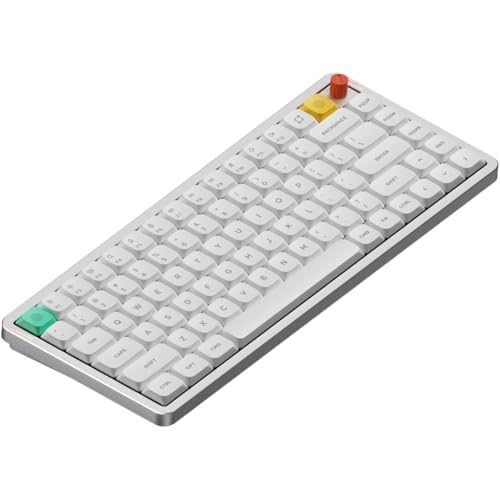
nuphy Air75 V3 Hot Swappable Wireless Mechanical Keyboard, 84 Keys 75% Custom
Ultra‑slim 75% board with low‑profile switches and 17 mm thickness
View Today's PriceHow to Choose the Right Mechanical Keyboards
Choosing the right mechanical keyboard depends on your workflow, desk space, switch preference, and feature priorities—trade-offs that shift based on your daily routine and typing habits. A feature that’s essential for gaming may be irrelevant for office work, and vice versa, making generic top-10 lists useless for nuanced needs. Our recommendation engine evaluates your specific requirements across five key dimensions and matches you to the ideal keyboard in under 60 seconds.
About this guide
Mechanical Keyboards
Why Choosing the Right Mechanical Keyboard Is Tricky
Picking premium computer keyboards in 2026 is a balancing act between comfort, performance, and personal style—much harder than most buyers expect. The sheer range of premium computer keyboards layouts is overwhelming: compact 60% boards sacrifice function and arrow keys for portability, while full-size premium computer keyboards with dedicated numpads and macro clusters dominate larger desks. Price tiers are stark: $80 gets you a decent entry-level board, but $300–$400 unlocks features like double-gasket mounts, acoustic foam, and CNC-milled aluminum cases found in high-end premium computer keyboards. Most buyers obsess over RGB or switch color, but overlook critical trade-offs like hot-swappable sockets (for future-proofing) or the difference between tri-mode wireless and basic Bluetooth in premium computer keyboards. Many assume all wireless premium computer keyboards are laggy, but 2.4 GHz models from Razer or ASUS now rival wired USB-C for gaming latency. The biggest mistake? Ignoring switch feel—linear, tactile, or clicky—until after purchase, leading to daily frustration with premium computer keyboards. Even seasoned enthusiasts underestimate how much mounting style (gasket vs tray) or foam layering changes the typing sound and comfort in premium computer keyboards. Navigating these choices requires understanding not just specs, but how premium computer keyboards affect real-world use.
What Actually Sets Premium Mechanical Keyboards Apart
The true differentiators in premium computer keyboards go far beyond RGB or marketing hype. Mounting style is make-or-break: gasket or leaf-spring mounts with foam, now standard in premium computer keyboards from Keychron and Glorious, deliver a softer, quieter, and more refined typing experience than stiff tray mounts. Hot-swappable sockets are non-negotiable for enthusiasts—skip premium computer keyboards without them unless you never plan to experiment with switches. South-facing RGB lighting improves keycap compatibility and reduces glare, a detail overlooked by most buyers of premium computer keyboards. For gaming, polling rate and switch technology matter more than RGB: Razer and ASUS use optical or hall effect switches with 8,000 Hz polling for near-instant actuation, while most productivity-focused premium computer keyboards stick with classic Cherry MX or Gateron switches. Metal cases and double-shot PBT keycaps, found in the $200+ tier of premium computer keyboards, outlast ABS plastic and resist shine. Don’t get distracted by OLED screens or rotary knobs on premium computer keyboards unless you’ll actually use them—programmable macros and software integration are far more valuable for real productivity. In short: prioritize mounting, switch feel, and hot-swap support in premium computer keyboards over flashy extras unless you have a specific need.
How to Decide: Matching Features to Your Workflow
Your ideal premium computer keyboards are shaped by how you work and play—and which trade-offs you’re willing to make. Desk space and workflow dictate size: coders and spreadsheet warriors benefit from full-size or TKL premium computer keyboards, while gamers and travelers thrive on compact premium computer keyboards. Wireless convenience is great for multi-device setups, but if you demand zero latency for gaming, 2.4 GHz or wired USB-C premium computer keyboards are essential. Switch feel is deeply personal: linear switches are best for rapid gaming, tactile for typing accuracy, clicky for feedback junkies—premium computer keyboards offer all these options. Extra features like hot-swap sockets, programmable macros, or ergonomic splits interact with your primary use—an office worker may need split layouts and wrist rests, while an enthusiast wants full customization from premium computer keyboards. Our quiz weighs all these factors—use case, size, connectivity, switch feel, and features—to match you with the right premium computer keyboards. Don’t just chase specs: think about your daily routine, hand comfort, and how much you’ll actually use advanced features in premium computer keyboards. Remember, the most expensive premium computer keyboards aren’t always the best fit if they don’t suit your workflow.
Buyer's guide
How to choose
1Core Performance Criteria
- Polling rate is crucial for gaming—look for 1,000 Hz minimum, but Razer and ASUS boards now offer up to 8,000 Hz for near-zero latency.
- Switch type directly impacts comfort and speed: linear for smooth gaming, tactile for precise typing, and clicky for audible feedback.
- Hot-swappable sockets allow you to easily change switches without soldering, future-proofing your board and letting you experiment with different feels.
- Mounting style matters: gasket or leaf-spring mounts with foam, as seen on premium Keychron and Glorious models, deliver a softer, quieter typing experience.
- Tri-mode connectivity (wired, Bluetooth, 2.4 GHz) is ideal for users who switch between devices or want both wireless freedom and gaming-grade performance.
- Onboard memory and programmable macros let you customize shortcuts and lighting profiles, boosting productivity for work and gaming alike.
2Build Quality and Durability
- Aluminum or steel top plates, found on boards like Glorious GMMK Pro, provide superior rigidity and a premium feel compared to plastic cases.
- Double-shot PBT keycaps resist shine and wear far better than ABS, maintaining legends and texture even after years of heavy typing.
- South-facing RGB lighting prevents interference with aftermarket keycaps and reduces glare, a subtle but meaningful upgrade for enthusiasts.
- Thick acoustic foam layers inside the case dampen vibrations and reduce hollow typing sounds, especially on higher-end models above $200.
- Gold-plated or hot-swappable sockets extend switch lifespan and make maintenance easier, a feature increasingly common in mid and premium tiers.
- Braided or detachable USB-C cables offer better longevity and flexibility, especially if you travel or frequently unplug your keyboard.
3Value Analysis: What You Get at Each Price Tier
- Entry-level boards under $100 often lack hot-swap, use ABS keycaps, and have basic tray mounts—fine for casual use but not for enthusiasts.
- Mid-tier models ($120–$200) add features like hot-swappable sockets, PBT keycaps, and improved wireless connectivity, striking a balance between cost and customization.
- Premium boards ($250+) include CNC-milled metal cases, double-gasket mounts, acoustic foam, and advanced wireless—delivering the best typing feel and durability.
- Gaming-focused brands like Razer and ASUS charge more for optical switches and ultra-fast polling, but these features matter only if you need top-tier gaming response.
- Customizable boards from Keychron and Glorious in the $200–$300 range offer enthusiast features without the boutique price tag of fully custom kits.
- Don’t overpay for features you won’t use—OLED screens and rotary knobs add cost, but only benefit power users who leverage them daily.
4Use-Case Fit: Matching Board to Your Workflow
- Programmers and office users benefit from TKL or full-size layouts for dedicated arrow keys and numpads, improving efficiency with spreadsheets and shortcuts.
- Gamers should prioritize compact or TKL boards with fast switches and high polling rates for more desk space and rapid response.
- Travelers and multi-device users will appreciate tri-mode wireless boards, which seamlessly switch between laptop, tablet, and desktop setups.
- Enthusiasts seeking a unique typing feel should look for hot-swappable, gasket-mounted boards that support custom switches and keycaps.
- Ergonomic split designs and wrist rests are essential for users with wrist pain or those typing for extended periods each day.
- Media professionals and streamers may benefit from boards with programmable knobs, dedicated media keys, and macro support for workflow shortcuts.
5Common Mistakes and Pitfalls
- Ignoring switch feel leads to regret—always try linear, tactile, and clicky switches before committing, as preference is highly personal.
- Overvaluing RGB or OLED screens adds cost without improving typing or gaming performance for most users.
- Assuming all wireless keyboards are laggy is outdated; modern 2.4 GHz models rival wired latency, but basic Bluetooth can still introduce delays.
- Buying a compact board without considering lost keys (like arrow or function row) often frustrates spreadsheet users and programmers.
- Skipping hot-swappable sockets locks you into one switch type, limiting future upgrades or repairs.
- Neglecting build quality—cheap ABS keycaps and plastic cases wear quickly, leading to a mushy feel and shiny legends within a year.
6Maintenance and Longevity
- Regularly clean your keyboard with a keycap puller and brush set to prevent dust buildup and sticky keys, especially on boards with open switch designs.
- PBT keycaps and metal cases resist wear, but periodic cleaning and occasional keycap replacement keep your board looking and feeling new.
- Hot-swappable sockets make replacing worn switches easy, extending the board’s usable life well beyond traditional soldered models.
- Lubing switches annually can greatly improve smoothness and reduce noise, especially on enthusiast or custom boards.
- Check firmware updates from brands like Keychron and Razer to ensure wireless stability and unlock new features over time.
- Store your keyboard in a carrying case when traveling to prevent damage to keycaps, switches, and the case finish.
FAQ
Frequently asked questions
Is it worth paying extra for hot-swappable sockets in a mechanical keyboard?
Absolutely—hot-swappable sockets let you easily change switches without soldering, which is invaluable if you want to experiment with different feels or replace worn switches. In 2026, most mid-tier and premium boards from Keychron and Glorious include this feature. It future-proofs your keyboard, extends its lifespan, and saves you from buying a whole new board just to try a new switch type. Unless you’re certain you’ll never want to change switches, it’s worth the extra investment.
How does Keychron compare to Razer for premium mechanical keyboards?
Keychron targets enthusiasts and professionals, offering customizable metal boards with double-gasket mounts, hot-swap sockets, and tri-mode wireless. Their focus is on refined typing feel and flexibility. Razer, on the other hand, prioritizes gaming performance with optical switches, ultra-high polling rates (up to 8,000 Hz), and bold RGB. If you want a board for both work and play, Keychron is more versatile; if you need top-tier gaming response, Razer is hard to beat.
What keyboard size is best for programming or office work?
For programming or office work, a TKL (tenkeyless) or full-size (100%) keyboard is ideal. These layouts provide dedicated arrow keys, function rows, and a numpad, which are essential for spreadsheets, shortcuts, and efficient navigation. Compact boards (60–75%) save desk space but often sacrifice these keys, which can slow down workflow for heavy typists or coders. Unless you’re extremely limited on space, TKL strikes the best balance for productivity.
Are optical or hall effect switches better than traditional mechanical switches?
Optical and hall effect switches, found on gaming boards from Razer and ASUS, offer faster actuation and less debounce delay than traditional mechanical switches. This results in lower latency—crucial for competitive gaming. However, for pure typing comfort and customization, classic mechanical switches (like Cherry MX or Gateron) still dominate. Unless you’re chasing every millisecond in games, traditional switches remain a strong choice for most users.
Do I need tri-mode wireless, or is Bluetooth enough?
Tri-mode wireless (wired USB-C, Bluetooth, and 2.4 GHz) gives you maximum flexibility—Bluetooth is fine for casual typing or multi-device use, but 2.4 GHz delivers near-wired latency for gaming or real-time work. If you only use one device and don’t game, Bluetooth is sufficient. If you want to switch devices or need gaming-grade performance, tri-mode is worth the premium.
How does the Glorious GMMK Pro compare to the Logitech G715 Wireless?
The Glorious GMMK Pro is a fully customizable, hot-swappable board with a double-gasket mount, metal case, and enthusiast-grade acoustics—perfect for users who want to tailor every aspect. The Logitech G715 Wireless is more plug-and-play, offering tri-mode connectivity, pre-lubed switches, and a lighter build. Choose GMMK Pro for deep customization and premium feel; pick G715 for convenience and wireless versatility.
What’s the best way to maintain a premium mechanical keyboard for longevity?
To maximize longevity, regularly remove and clean keycaps, brush out debris, and occasionally lube the switches if your board supports it. Use a wrist rest to reduce wear on the case edge, and store the board in a protective case when traveling. For hot-swappable boards, replace worn switches as needed. Keeping firmware up to date also ensures wireless stability and prevents bugs, especially on tri-mode or Bluetooth models.
Related reading
Best Mechanical Keyboards By Category
Related Guides
3D Printers
Matched to your print size, detail needs, materials, and how much you want to tinker or automate.
All-in-One Laser Printers for Home Office
Matched to your print volume, color needs, workflow features, and budget—get the right laser all-in-one for your home office.
Sit-Stand Desk Converters
Matched to your desk size, equipment weight, ergonomics, and feature preferences—get the right converter for your workflow.
Budget and Mid‑Range Laptops
Matched to your main tasks, OS preference, portability, and display—find a laptop that fits your real workflow and budget.
Color Laser Printers
Matched to your print volume, connectivity, and cost priorities—find the color laser printer that fits your workflow and space.