Skip the research trap. Get your heat press machines in 60 seconds.
We scored 950+ heat press machines across 5 dimensions — answer 5 quick questions and we'll match you to YOUR best pick.

Powered by DecisionScore™
Each product is evaluated across 18 weighted criteria — covering performance, value, build quality, and real-world usability. Your quiz answers re-weight the criteria to match what matters most to you, so two people can get different #1 picks from the same data.
See the DecisionScore methodology →- Durable 15×15 clamshell heat press reaches 500°F
- Adjustable pressure with digital time and temperature controls
- Non‑stick pad protects garments
Find your perfect heat press machines
5 quick questions. No quiz-takes-10-minutes trap. A personalized match from 95 scored picks — with clear reasoning for every recommendation.
What kind of items do you plan to press most?
Heat presses come with different platens and attachments. Choose apparel for shirts and flat fabrics; hats for curved cap elements; mugs for cylindrical cups; small crafts for patches or labels; or all‑round versatility if you want to handle everything. Unsure? Pick all‑round to see multipurpose machines.
- Flat platens are best for shirts and fabrics, while curved or cylindrical platens are needed for hats and mugs.
- If you plan to do a bit of everything, look for a 5-in-1 kit with reliable attachments.
- Specialty presses for mugs or hats often have better results than multipurpose kits, but are less versatile overall.
As an Amazon Associate and affiliate partner we earn from qualifying purchases. Links on this page may earn us a commission at no extra cost to you. Full disclosure
Not ready for the quiz? Here are our overall top picks
These are our top-rated picks overall. For a recommendation matched to YOUR specific needs,
Fancierstudio 15x15 Sublimation Heat Press - New Model FS15x15A
Durable 15×15 clamshell heat press reaches 500°F
View Today's Price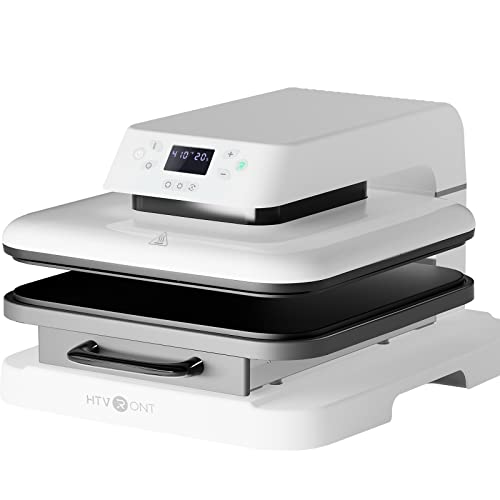
HTVRONT Auto Heat Press Machine for T Shirts - 15x15 Smart T Shirt Press Machine
15×15 clamshell press with digital controls
View Today's Price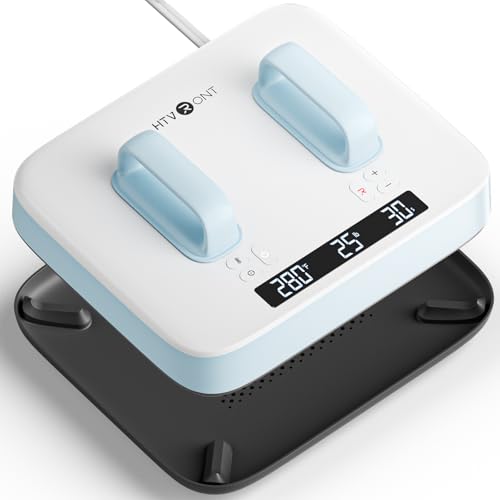
HTVRONT Heat Press Machine for T Shirts 12X10 with Pressure Display
12×10 clamshell press with LED display and 305°F max temp
View Today's PriceHow to Choose the Right Heat Press Machines
Choosing the right heat press machine depends on your primary project type, production volume, workspace, and need for automation—trade-offs that shift with your specific workflow and space constraints. A feature that’s essential for a home business can be wasted on a casual crafter, and the wrong platen size or controller can ruin results. Generic top-10 lists can’t account for these nuanced interactions. Our recommendation engine evaluates your unique needs across 12 dimensions and matches you to the right heat press in under 60 seconds.
About this guide
Heat Press Machines
Why Heat Press Shopping Is So Tricky
Buying heat press machines in 2026 is a minefield of trade-offs that most buyers underestimate. Clamshell, swing-away, portable, and auto heat press machines each have distinct strengths, but the wrong choice will bottleneck your workflow or limit what you can create. Plate size is make-or-break: a 12x10 Cricut EasyPress 3 is perfect for patches and kids’ shirts, but can’t handle adult tees—while a 16x20 HPN Signature heat press machine is overkill (and over $700) for hobbyists. Budget heat press machines under $200, like VEVOR 5-in-1 combos, seem tempting but often suffer from uneven heating, unreliable controllers, or coatings that peel after 50 uses. Even the $250–$500 “sweet spot” for 15x15 swing-away heat press machines isn’t foolproof—skip basic digital controllers and insist on PID for consistent results. Most buyers get tripped up by acronyms (HTV, sublimation, Infusible Ink), mismatched attachments, or by chasing the lowest price on heat press machines. New heat press machines flood the market every year, but expert consensus is rare and user reviews are littered with complaints about misaligned platens and short warranties. Getting it right means weighing your real project needs against the specs, price, and reliability of heat press machines.
What Actually Sets Heat Presses Apart
The real differentiators in heat press machines go beyond surface-level features. Swing-away heat press machines like the Hix Swingman 15x15 ($850+) minimize burns and deliver even pressure, making them the gold standard for pro apparel work, while clamshell heat press machines—such as the PowerPress Industrial 15x15—offer a compact footprint but risk uneven transfers if the platen shifts. Don’t get distracted by multi-function attachments unless you genuinely need hats or mugs; most 5-in-1 heat press machines (e.g., VEVOR 12x15) compromise on build quality and heating consistency. Skip non-PID digital controllers—only PID-equipped heat press machines hold temperature within ±2°F, which is crucial for HTV and sublimation. Teflon-coated aluminum platens (2–3mm thick) are a must; thinner, uncoated platens on heat press machines warp and peel, ruining transfers. US brands like HPN and Hix back their heat press machines with 2-year warranties, while budget imports often fail after 6–12 months. If you only press shirts, avoid paying for mug or hat attachments you’ll never use on your heat press machine. For small crafts or portability, Cricut’s EasyPress 3 is unbeatable for beginners, but it’s not built for daily business use. Focus on even heating, pressure control, and warranty—those matter more than digital bells and whistles on heat press machines.
How to Choose: What Really Matters
Your ideal heat press machine depends on how your needs, space, and budget interact. Room size limits whether you can fit a swing-away heat press machine or must settle for a clamshell. Project frequency and volume dictate whether a $150 compact heat press machine suffices or if you need a $700+ industrial workhorse. If you want to press hats, mugs, and shirts, only a true multipurpose heat press machine with solid attachments will do—otherwise, a dedicated flat heat press machine is simpler and more reliable. Automation is tempting, but unless you’re running large batches, manual or digital-assisted heat press machines give you more flexibility and fewer repair headaches. The quiz evaluates your main project type, volume, design preference, versatility, and automation needs to narrow the field of heat press machines. Don’t ignore voltage compatibility—110V is standard, but some imported heat press machines require 220V and risk electrical issues. Always verify warranty length and support, especially for heat press machines over $300. Remember: a feature that’s essential for one user (like auto-release or Bluetooth control) might be pointless for another. Balance your actual workflow against the specs of heat press machines, and don’t pay for extras you’ll never use.
Buyer's guide
How to choose
1Core Performance Criteria
- Choose a 15x15 inch platen minimum for adult shirts—smaller sizes like Cricut’s 12x10 limit you to kids’ or small crafts.
- PID temperature controllers are a must for consistent results, holding within ±2°F versus basic digital models that can swing ±10°F.
- Look for Teflon-coated aluminum platens at least 2–3mm thick, as thinner platens warp and cause uneven transfers after extended use.
- Even heating across the platen is crucial—avoid budget models with hot or cold spots, which ruin HTV and sublimation projects.
- Pressure adjustment should be smooth and reliable; misaligned clamshells or sticky swing-away arms can damage garments and reduce quality.
- Digital timers and accurate temperature displays help prevent scorching, especially for beginners or high-volume runs.
2Build Quality and Durability
- US brands like Hix and HPN offer 2-year warranties, while most budget imports (VEVOR, F2C) provide only 90-day coverage and less robust support.
- Heavy-duty frames—found on PowerPress and HPN Signature—handle daily use better than lightweight models, but weigh 50+ pounds and require sturdy tables.
- Check for reinforced hinges and solid swing-away mechanisms; weak joints are a leading cause of early failure in combo kits.
- Non-stick coatings on cheap presses often peel after 50–100 uses, so factor in replacement costs for platens or Teflon sheets.
- Digital controller reliability varies—imported models often develop glitches after 6–12 months, which can void warranties and halt production.
- Industrial models like Hix Swingman use commercial-grade components designed for thousands of cycles, justifying their higher price for business users.
3Value Analysis and Price Tiers
- The $250–$500 range is the current sweet spot for 15x15 swing-away presses with PID control and decent warranties—avoid presses under $200 for serious use.
- Entry-level 5-in-1 combos (VEVOR, F2C) are tempting for under $200 but often sacrifice build quality and have high failure rates within the first year.
- Premium models ($700+) like HPN Signature and Hix Swingman deliver reliability and even heating, but are overkill for occasional hobbyists.
- Cricut EasyPress 3 is affordable and user-friendly for beginners, but its small platen and light pressure limit it to crafts and infrequent projects.
- Factor in the total cost of ownership: replacement platens, Teflon sheets, and potential controller repairs add up over two to five years.
- Warranties matter—spending $100 more for a 2-year warranty from a US brand often saves money and hassle in the long run.
4Use-Case Fit and Versatility
- If you press only shirts, a dedicated flat press is simpler and more reliable than a multipurpose kit with extra attachments.
- Multipurpose 5-in-1 kits are essential for those doing hats, mugs, and plates, but attachments often compromise on pressure and heating quality.
- Swing-away presses are safer and provide more even pressure for thick items, but require more workspace than clamshell models.
- Portable presses like Cricut EasyPress 3 are great for travel or small spaces but can’t handle large or frequent projects.
- Auto/motorized presses add convenience for high-volume businesses, but manual or digital-assisted models are more flexible for mixed workloads.
- Always match the platen shape and attachments to your main project type—wrong fit leads to wasted money and poor results.
5Common Mistakes and Pitfalls
- Buying on price alone leads to frustration—budget presses often suffer from uneven heating, short lifespans, and poor support.
- Ignoring voltage requirements can be dangerous—220V imports need converters and pose fire risks if used on standard US outlets.
- Choosing a press that’s too small limits your project scope; 15x15 is the minimum for adult shirts, not just a nice-to-have.
- Assuming all digital controllers are equal is a mistake—only PID controllers deliver the tight temperature control needed for quality transfers.
- Neglecting warranty and support can cost you more in repairs than the initial savings on a cheap import.
- Overestimating your need for attachments—if you never press mugs or hats, skip the 5-in-1 kits and get a better flat press.
6Maintenance and Longevity
- Clean the platen regularly with a heat press cleaning kit to prevent residue buildup, which can scorch future projects and shorten lifespan.
- Replace Teflon sheets or non-stick covers at the first sign of peeling—damaged coatings lead to ruined transfers and costly mistakes.
- Check and tighten hinge bolts every few months, especially on swing-away and combo models, to avoid misalignment and uneven pressure.
- Store your press in a dry area to prevent rust and electrical issues, particularly for models with exposed wiring or basic insulation.
- Monitor digital controllers for glitches—early signs of failure include temperature swings or display errors, common on budget imports after 6–12 months.
- Order replacement parts (platens, fuses, handles) from US brands in advance, as import delays can leave you without a working press for weeks.
FAQ
Frequently asked questions
Is a swing-away heat press worth the extra cost over a clamshell design?
Swing-away presses like the Hix Swingman 15x15 cost more—typically $850+—but deliver safer operation and more even pressure, especially for thicker items or layered transfers. They’re ideal for business use or anyone pressing multiple garment types. Clamshells are more compact and affordable, but can risk burns and uneven results if the upper platen shifts. If you have the space and budget, swing-away is the better long-term investment.
How does the Cricut EasyPress 3 compare to a PowerPress 15x15 for t-shirt projects?
The Cricut EasyPress 3 (12x10) is beginner-friendly and portable, making it great for crafts, patches, and small shirts. However, its small platen and light pressure limit it for adult t-shirts and high-volume work. The PowerPress 15x15 offers a larger platen, stronger pressure, and better temperature consistency, making it more suitable for regular t-shirt production. For serious apparel projects, the PowerPress is the clear winner.
What size heat press do I need for adult shirts?
For adult t-shirts, a 15x15 inch platen is the minimum recommended size. Smaller presses like the 12x10 Cricut EasyPress 3 can’t cover full shirt designs, leading to awkward seams and uneven transfers. Larger platens, such as 16x20 models, are even better for oversized prints or business use, but 15x15 strikes the best balance for most users.
Are 5-in-1 combo heat presses good for beginners?
5-in-1 combos like the VEVOR 12x15 are popular for their versatility, letting you press hats, mugs, and plates. However, attachments often compromise on build quality and heating consistency. Beginners may find these kits overwhelming and less reliable for apparel. If you only plan to press shirts, a dedicated flat press is simpler and more dependable.
How important is a PID controller compared to basic digital controls?
A PID controller is crucial for holding temperature within ±2°F, which prevents scorching and ensures even transfers. Basic digital controllers can swing ±10°F or more, leading to inconsistent results—especially with HTV and sublimation. If you want professional-quality output and fewer ruined projects, always choose a press with PID temperature control.
Do US brands like HPN and Hix really last longer than budget imports?
Yes, US brands such as HPN and Hix offer superior build quality, commercial-grade components, and 2-year warranties. Budget imports like VEVOR and F2C often develop controller failures or coating issues within a year, and support is limited. For frequent or business use, investing in a reputable US brand pays off in reliability and long-term savings.
What’s the best value for a home business starting out in 2026?
For a home business, the $250–$500 range offers the best balance of size, reliability, and features. Look for a 15x15 swing-away press with PID control and a 2-year warranty from a reputable brand like PowerPress or HPN. Avoid presses under $200, as they tend to have high failure rates and limited support.
Related reading
Best Heat Press Machines By Category
Related Guides
Beginner CNC Routers
Project type, assembly comfort, upgrade needs, and support—get matched to the right CNC router for your skills and ambitions.
Beginner Telescopes
Skill level, observing targets, portability, and setup preferences—get matched to the right beginner telescope for your skywatching style.
Calipers
Matched to your measurement type, accuracy needs, shop environment, and workflow—find the caliper that truly fits your projects.
Desktop 3D Scanners
Matches you to the right scanner based on object size, precision, workflow, colour needs, and how you’ll actually use it.
3D Printer Filament
Matched to your project type, printer, experience, and budget—find the right filament for every print.