Skip the research trap. Get your tablet mounts in 60 seconds.
We scored 350+ tablet mounts across 5 dimensions — answer 5 quick questions and we'll match you to YOUR best pick.
Powered by DecisionScore™
Each product is evaluated across 18 weighted criteria — covering performance, value, build quality, and real-world usability. Your quiz answers re-weight the criteria to match what matters most to you, so two people can get different #1 picks from the same data.
See the DecisionScore methodology →- Aluminum arm with 360° swivel and multi-angle tilt
- Clamps to desk, bedside table, or kitchen counter
- Fits 4"–11" tablets and phones
Find your perfect tablet mounts
5 quick questions. No quiz-takes-10-minutes trap. A personalized match from 34 scored picks — with clear reasoning for every recommendation.
What is your preferred mounting location?
The mounting location is crucial as it determines the mount's suitability for your environment, whether it's a car, desk, wall, or other specific areas. This affects usability and convenience.
- Think about where you’ll use your tablet most—car, kitchen, office, or bedside all need different mount types.
- Wall and under-cabinet mounts are best for permanent setups, while desk and gooseneck stands are more portable.
- Car headrest and suction cup mounts are tailored for vehicle use—make sure your car’s seat posts or dashboard are compatible.
As an Amazon Associate and affiliate partner we earn from qualifying purchases. Links on this page may earn us a commission at no extra cost to you. Full disclosure
Not ready for the quiz? Here are our overall top picks
These are our top-rated picks overall. For a recommendation matched to YOUR specific needs,
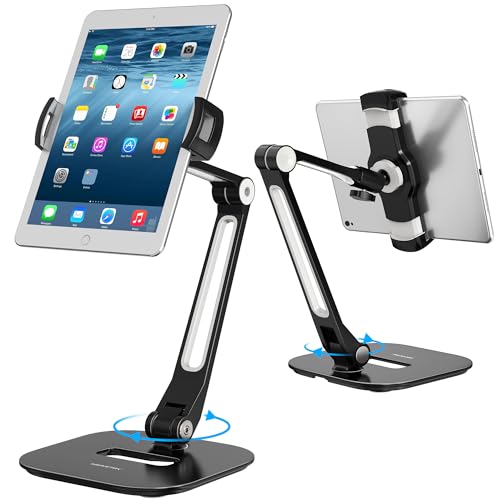
AboveTEK Tablet Stand, Multi-Angle Adjustable iPad Stand Holder, 360° Swivel
Aluminum arm with 360° swivel and multi-angle tilt
View Today's Price![Lamicall 2 Pack Tablet Holder for Car Headrest - [Thick Case Friendly] Car](https://m.media-amazon.com/images/I/41mNYPMzVbL._SL500_.jpg)
Lamicall 2 Pack Tablet Holder for Car Headrest - [Thick Case Friendly] Car
2-pack value for two rear seats
View Today's Price![Lamicall Tablet Holder for Car Headrest - [Thick Case Friendly] [360° Rotation]](https://m.media-amazon.com/images/I/41D3FsFsPOL._SL500_.jpg)
Lamicall Tablet Holder for Car Headrest - [Thick Case Friendly] [360° Rotation]
Imported carbon steel — 50% thicker than standard
View Today's PriceHow to Choose the Right Tablet Mounts
Choosing the right tablet mount depends on where you’ll use it, your device size (and case), how much adjustability you need, and your budget—factors that interact in ways most buyers miss. A mount that’s perfect for a car headrest is useless for a kitchen wall or a heavy iPad Pro. Generic top-10 lists can’t account for these context-specific trade-offs. Our recommendation engine evaluates your unique setup across five dimensions and matches you to the right mount in under 60 seconds.
About this guide
Tablet Mounts
Why Tablet Mount Shopping Is Trickier Than It Looks
Tablet mounts seem simple, but picking the right tablet mount in 2026 is a balancing act between stability, adjustability, and compatibility—each with its own trade-offs. For instance, a $15 gooseneck clamp tablet mount might look appealing, but it often wobbles with heavier tablets like the 2025 iPad Pro, especially if you keep a case on. On the other hand, a $100 aluminum desk tablet mount from Lamicall or AboveTEK offers rock-solid stability and multi-angle adjustment, but it’s overkill for casual recipe browsing. Many buyers get tripped up by compatibility: tablet mount manufacturers advertise diagonal screen sizes (4–13”), but your device’s actual width—especially with a case—can exceed the tablet mount’s grip range. Car tablet mounts are another minefield: headrest tablet mounts excel for backseat entertainment, while suction cup and CD-slot tablet mounts target drivers, but each has its own limitations in terms of vibration and reach. Most people underestimate how much daily frustration a poorly chosen tablet mount can cause—wobble, slipping, or even scratched tablets if you skip rubberized pads. The stakes for choosing the right tablet mount are higher than you think.
What Actually Sets Tablet Mounts Apart
The real differentiators among tablet mounts in 2026 aren’t just brand names—they’re in the details of construction, adjustability, and mounting method. Gooseneck tablet mounts like the Tryone or Lamicall models offer unmatched flexibility but can sag or shake with anything larger than a 10.5” device. Fixed desk tablet mounts from OMOTON or Nulaxy deliver stability but limit your viewing angles, making them best for static setups. Wall and under-cabinet tablet mounts from woleyi or Macally create a permanent solution for kitchens or workshops, but installation is a commitment. Skip suction cup tablet mounts unless you need true portability—vibration and temperature swings in cars can cause these tablet mounts to lose grip. For car use, APPS2Car’s headrest and windshield tablet mounts are top-rated for secure holds, but only if you double-check your seat’s post spacing and your tablet’s width. Rubberized pads and adjustable cradles are non-negotiable in tablet mounts; without them, you risk scratches and a loose fit. Aluminum alloy tablet mounts outlast plastic, especially for frequent repositioning. Don’t pay extra for “universal” tablet mounts unless the device width range (not just screen size) matches your tablet plus case.
How to Choose: Key Decision Factors and Interactions
Choosing the right tablet mount means weighing where you’ll use your tablet mount, what device you have, and how much flexibility you need—these factors interact in ways most buyers overlook. For example, a heavy 13” iPad Pro in a rugged case demands a different tablet mount than a bare 8” Fire tablet, especially if you want to clamp it to a bed frame or mount it in a car. Room size or car configuration dictates whether a gooseneck tablet mount or a compact stand is realistic. Budget also sets hard limits: $15–$25 gets you basic plastic tablet mounts or simple goosenecks, while $55–$100 opens up premium aluminum tablet mounts and multi-jointed arms from brands like AboveTEK and Lamicall. The quiz on this page weighs your intended location, device size, adjustability needs, budget, and user type to match you to the right tablet mounts. Beyond that, think about who’s using the tablet mount—kids in the back seat need extra-secure headrest tablet mounts, while professionals benefit from stable, precise desk or floor tablet mounts. Don’t assume one tablet mount fits all; the right tablet mount is always context-specific.
Buyer's guide
How to choose
1Core Performance Criteria
- Stability is critical: a mount that wobbles or sags, especially with a 12.9” iPad Pro, will drive you crazy during video calls or streaming.
- Adjustability varies widely—gooseneck arms offer infinite angles but can shake, while fixed stands from OMOTON or Lamicall are rock-solid but less flexible.
- Check the device width range, not just diagonal compatibility; a 13” tablet with a case may not fit some “universal” cradles.
- Rubberized pads on all contact points prevent scratches and slipping, a must-have for expensive devices like the Galaxy Tab S9 or iPad Air.
- 360° rotation is a significant upgrade for switching between portrait and landscape, especially for recipe reading or video conferencing.
- For car use, look for vibration-dampening features and double-check your seat post spacing for headrest mounts like those from APPS2Car.
2Build Quality and Durability
- Aluminum alloy and steel construction, as found in premium Lamicall and AboveTEK models, outlasts plastic, especially with frequent repositioning.
- Plastic goosenecks under $25 often develop sag or cracks within a year, especially when used with heavier tablets or in high-traffic areas.
- Look for reinforced joints and thickened arms if you plan to adjust the mount daily; these features are common in mid-range ($40+) stands.
- Rubber or silicone grip pads not only protect your device but also extend the life of the mount by reducing wear on contact points.
- Foldable desk stands with metal hinges, like those from Nulaxy, resist loosening over time compared to cheaper friction-based designs.
- Wall and under-cabinet mounts should include robust mounting hardware; avoid adhesive-only solutions for anything larger than 10” tablets.
3Value Analysis and Price Tiers
- Budget picks ($15–$25) like basic OMOTON or Tryone stands are great for light use but lack the stability and finish of pricier models.
- The $26–$55 range is the sweet spot for most buyers, with brands like Lamicall and Nulaxy offering sturdy builds and multi-angle adjustment.
- Premium mounts ($56–$100) justify their price with aluminum construction, reinforced arms, and smoother rotation—worth it for daily professional use.
- Don’t pay extra for “universal” claims unless the mount’s width range matches your device with its case; check specs carefully.
- Skip mounts with unnecessary features like built-in charging unless you’ll use them daily, as these add bulk and potential failure points.
- Verified reviews and high Amazon ratings are a good value signal, but always cross-check for recent complaints about fit or durability.
4Use-Case Fit: Matching Mount to Situation
- For car entertainment, headrest mounts from APPS2Car or Macally are best for kids, while suction cup mounts suit drivers needing navigation.
- Desk and gooseneck clamp mounts excel for home offices or bedside reading, but can be overkill for occasional kitchen use.
- Wall and under-cabinet mounts are ideal for permanent kitchen or workshop setups, but installation is more involved and less portable.
- Tripod and floor stands offer maximum flexibility for streaming, fitness, or presentations, but take up more space and cost more.
- If you switch locations often, choose a foldable stand or a model with tool-free adjustment for quick setup and teardown.
- Heavy tablets in rugged cases require mounts with reinforced arms and strong clamps; don’t trust lightweight plastic models for these setups.
5Common Mistakes and Pitfalls
- Assuming diagonal screen size equals fit—always check the actual device width, especially with cases, before buying any “universal” mount.
- Overlooking the importance of rubberized pads leads to scratched devices and constant slipping, especially with glass-backed tablets.
- Buying a gooseneck arm for a heavy tablet often results in sagging or bouncing screens; fixed stands are better for large devices.
- Ignoring car seat post spacing can make headrest mounts unusable—measure before ordering APPS2Car or Macally models.
- Choosing the cheapest mount for professional or daily use almost guarantees frustration from wobble, breakage, or poor adjustability.
- Not considering who will use the mount—kids need extra-secure clamps, while professionals need precise, stable positioning for video calls.
6Maintenance and Longevity
- Regularly check and tighten all screws and joints, especially on articulating arms and gooseneck mounts, to prevent sagging over time.
- Clean rubber pads and grips to maintain friction and prevent device slipping, especially if used in kitchens or cars.
- Avoid exposing suction cup mounts to extreme heat or cold, as temperature swings degrade the adhesive and reduce holding power.
- Inspect plastic arms and joints for cracks or stress marks—replace at the first sign of wear to avoid sudden failure.
- Store foldable stands in a dry place to prevent hinge corrosion, particularly for aluminum or steel models with exposed hardware.
- If mounting permanently, periodically check wall or cabinet screws for loosening, especially in high-vibration environments like RVs or busy kitchens.
FAQ
Frequently asked questions
Is it worth paying extra for an aluminum tablet mount?
Yes, especially if you use your tablet mount daily or with heavier devices like the iPad Pro 12.9”. Aluminum mounts from brands like Lamicall and AboveTEK resist sagging and last years longer than plastic alternatives. The extra $30–$50 buys you smoother hinges, reinforced joints, and a premium finish that stands up to frequent repositioning. For professional or office setups, the stability and longevity easily justify the higher price.
How does Lamicall compare to OMOTON and Tryone for desk use?
Lamicall stands out for its aluminum construction and multi-angle adjustability, making it a favorite for both home and office desks. OMOTON offers solid fixed stands at a lower price, but with fewer adjustment options. Tryone specializes in gooseneck arms, which are flexible but can wobble with larger tablets. If you want a stable, premium feel and wide compatibility, Lamicall is worth the slight price premium over OMOTON or Tryone.
What’s the best type of mount for car backseat entertainment?
For backseat use, a headrest mount from APPS2Car or Macally is the top choice. These models securely clamp to the seat posts and hold tablets up to 13” for kids or passengers. Always check your car’s headrest spacing and your tablet’s width with its case. Avoid suction cup mounts for rear seats—they’re less stable and can fall off with road vibration. Look for models with rubberized grips to prevent scratches.
Will a universal mount fit my 2025 iPad Pro with a case?
Not always—many universal mounts advertise compatibility up to 13” diagonally, but the actual clamp width may be too small for a cased iPad Pro. Always check the mount’s maximum width specification, not just the diagonal. Brands like Lamicall and AboveTEK list both diagonal and width ranges; if your device plus case exceeds 8.5 inches wide, you’ll need a large cradle or adjustable arm.
How much adjustability do I really need for kitchen or bedside use?
For the kitchen or bedside, multi-angle stands or gooseneck arms are ideal. They let you easily tilt, rotate, and reposition the screen for recipes or reading. Fixed stands are more stable but can’t be adjusted on the fly. If you move your tablet often or want to switch between portrait and landscape, invest in a flexible mount—even a $30–$40 model from Nulaxy or Lamicall makes a big difference.
Are suction cup mounts reliable for long-term car use?
Suction cup mounts from brands like APPS2Car work well for short-term or occasional use, but they’re prone to losing grip in extreme temperatures or on textured dashboards. Over months, the adhesive can degrade, especially in hot climates. For daily use or long trips, a headrest or CD-slot mount is more secure and less likely to fail unexpectedly. Always clean the mounting surface thoroughly for best results.
Can I use a gooseneck mount for heavy tablets like the Galaxy Tab S9?
Gooseneck mounts are best for lightweight tablets under 10.5 inches. Heavy models like the Galaxy Tab S9 or iPad Pro 12.9” often cause the arm to sag or bounce, especially with cheaper plastic goosenecks. For large tablets, choose a reinforced aluminum desk stand or a floor tripod. If you must use a gooseneck, pick one with a thick, stiff arm and avoid extending it fully to minimize wobble.
Related reading
Best Tablet Mounts By Category
Related Guides
3D Printers
Matched to your print size, detail needs, materials, and how much you want to tinker or automate.
All-in-One Laser Printers for Home Office
Matched to your print volume, color needs, workflow features, and budget—get the right laser all-in-one for your home office.
Sit-Stand Desk Converters
Matched to your desk size, equipment weight, ergonomics, and feature preferences—get the right converter for your workflow.
Budget and Mid‑Range Laptops
Matched to your main tasks, OS preference, portability, and display—find a laptop that fits your real workflow and budget.
Color Laser Printers
Matched to your print volume, connectivity, and cost priorities—find the color laser printer that fits your workflow and space.