Find Your Perfect Document Scanner
We scored 250+ document scanners across 5 dimensions — answer 5 quick questions and we'll match you to YOUR best pick.

Powered by DecisionScore™
Each product is evaluated across 18 weighted criteria — covering performance, value, build quality, and real-world usability. Your quiz answers re-weight the criteria to match what matters most to you, so two people can get different #1 picks from the same data.
See the DecisionScore methodology →Find your perfect document scanners
5 quick questions. No quiz-takes-10-minutes trap. A personalized match from 23 scored picks — with clear reasoning for every recommendation.
What type of scanning capability do you need?
The type of scanning capability is crucial as it determines how efficiently you can digitize documents. Duplex scanning allows for scanning both sides of a document simultaneously, saving time and effort, especially for large volumes.
- Portable scanners are ideal for travel or scanning receipts on the go, but lack feeders for bulk jobs.
- Desktop sheet-fed models handle higher volumes and are best for regular office tasks.
- Flatbed combos add photo and ID scanning versatility, but take up more desk space.
As an Amazon Associate and affiliate partner we earn from qualifying purchases. Links on this page may earn us a commission at no extra cost to you. Full disclosure
Not ready for the quiz? Here are our overall top picks
These are our top-rated picks overall. For a recommendation matched to YOUR specific needs,
Brother DS-640 Compact Mobile Document Scanner, (Model: DS640)

Brother DS-640 Compact Mobile Document Scanner, (Renewed Premium)
Ultra-light portable scanner weighs just over a pound
View Today's Price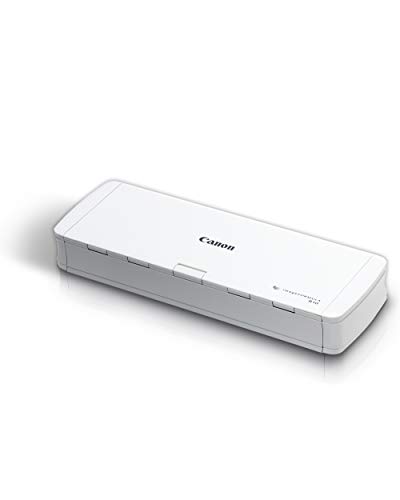
Canon imageFORMULA R10 - Portable Document Scanner, USB Powered, Duplex
How to Choose the Right Document Scanners
Choosing the right document scanner depends on batch size, media type, connectivity, and how you want to interact with the device—trade-offs that shift based on your scanning habits and workspace. A feature that’s perfect for photo archiving could be a waste for bulk document workflows, and vice versa. Our recommendation engine weighs your unique setup across five key dimensions and matches you to the right scanner in under 60 seconds.
About this guide
Document Scanners
Why Document Scanner Choices Are Trickier Than They Look
Picking document scanners in 2026 is a minefield of trade-offs. The document scanners market stretches from ultra-portable wands like the Brother DS-640 (just over a pound, USB-powered) to $900+ office towers such as the Canon imagePROGRAF PRO-310. Most buyers underestimate the impact of scan speed—15 ppm on a Canon MF665Cdw feels glacial if you process 100+ pages per week, but is overkill for the occasional receipt. Automatic document feeders (ADFs) are make-or-break for document scanners: a 50-page ADF saves hours on bulk jobs, while single-sheet document scanners will drive you crazy if you handle stacks. Photo-centric flatbed document scanners deliver 4800–6400 dpi for archiving family albums, but sheet-fed document scanners top out at 600 dpi, prioritizing speed over detail. Price tiers for document scanners matter: $150–$250 gets you basic sheet-fed document scanners, $250–$400 unlocks duplex and network features, and $500+ is for high-speed batch or photo scanning. Most buyers get tripped up by ignoring ADF capacity, duplex support, or the real cost of bundled software—OCR is often paywalled on Canon document scanners, but free with Epson document scanners. Don’t just chase the cheapest deal on document scanners; match your workflow to the right specs for document scanners.
What Actually Sets Top Scanners Apart
The real differentiators between document scanners in 2026 are not just speed or price, but how document scanners handle your specific workflow. For high-volume offices, skip single-sheet or manual-feed document scanners—look for document scanners with ADFs offering at least 20–50 sheet capacity, like the Canon R40 or Brother MFC-L2820DW. Duplex scanning is essential if you regularly process double-sided documents; don’t settle for manual flipping unless you rarely scan more than a few pages at a time with your document scanners. For photos or delicate items, flatbed or hybrid document scanners such as the Epson FastFoto FF-680W are worth the premium, offering gentle handling and true 4800+ dpi resolution. Connectivity is another real-world separator for document scanners: Wi-Fi and Ethernet on models like the Canon MF665Cdw allow direct-to-cloud workflows, but USB is more reliable for bulk jobs—wireless drops are a common complaint on the FF-680W document scanners. OCR software bundles matter more than you think: Epson and ABBYY often include robust options with their document scanners, while Canon may charge extra. Skip app-only solutions for anything beyond casual use; hardware document scanners crush them on speed, accuracy, and jam resistance. Prioritize ADF capacity and duplex in document scanners over touchscreen frills unless you need stand-alone operation.
How to Match Scanner Features to Your Workflow
Choosing the right document scanners means juggling batch size, media type, connectivity, and interface—all of which interact in surprising ways. If you scan thick stacks, ADF capacity and duplexing in document scanners will matter more than raw resolution. For mixed media (photos, IDs, receipts), a hybrid document scanner with both flatbed and feeder is worth the investment, but expect to pay $350–$550 for reliable document scanners performance. Budget constraints force trade-offs: under $200, you’ll sacrifice duplex and feeder size, but can still get reliable single-sheet document scanners for light home use. Don’t forget ongoing costs—laser AIO document scanners like the Canon MF665Cdw run $0.02/page in toner, which adds up fast for heavy users. Our quiz evaluates your setup—batch size, item type, connectivity, and interface—to pinpoint the best document scanners fit. For most, the sweet spot is a $250–$400 ADF-equipped document scanner with USB and bundled OCR. If you’re archiving family photos, prioritize flatbed document scanners for resolution and gentle handling. And always check media thickness support on document scanners—overloading a feeder with thick paper is the fastest route to jams and frustration.
Buyer's guide
How to choose
1Core Performance Criteria
- Look for scan speeds of at least 15 ppm for home offices, but 30+ ppm if you regularly process large batches of documents.
- ADF capacity should match your workload—20 sheets is the bare minimum for small stacks, but 50+ sheets is ideal for business use.
- True duplex scanning saves time on double-sided jobs; avoid models that require manual flipping if you scan more than a few pages.
- Photo scanning demands at least 4800 dpi optical resolution and gentle handling—flatbeds like Epson FastFoto FF-680W excel here.
- OCR accuracy is critical for searchable PDFs; bundled software varies widely—Epson and ABBYY offer robust solutions, while Canon may charge extra.
- Connectivity impacts workflow: USB is most reliable for bulk, while Wi-Fi or Ethernet enables direct-to-cloud and shared office use.
2Build Quality and Durability
- Scanners in the $250–$400 range, such as Brother MFC-L2820DW, generally offer more robust ADF mechanisms than sub-$150 models.
- Heavy-duty office models withstand daily high-volume use, while portable wands are best for occasional scanning and travel.
- ADF rollers and feed mechanisms are common failure points—choose brands with easy-access maintenance and widely available replacement parts.
- Flatbed lids should feel solid and close evenly; flimsy hinges on budget models often misalign and cause scan artifacts over time.
- Port covers and USB jacks on portable models should be reinforced—loose connections lead to frustrating scan interruptions.
- Warranty terms vary: Canon and Brother typically offer 1-year coverage, but extended plans are worthwhile for business-critical devices.
3Value Analysis and Cost of Ownership
- The $200–$350 range is the current value sweet spot, balancing speed, feeder capacity, and bundled software for most home and small office users.
- Budget models under $150 often lack duplex scanning and reliable ADFs, leading to more jams and slower workflows in real use.
- Premium scanners above $500, like the Epson FastFoto FF-680W, justify their price only if you need high-speed photo or batch scanning.
- Factor in ongoing costs—laser AIOs like Canon MF665Cdw average $0.02 per page in toner, which adds up for heavy users.
- Bundled OCR software can save $20–$50 per year versus paywalled options; always check if full-text search is included.
- Mobile scanning apps are free upfront but may require $5–$10 monthly for premium features, and rarely match hardware reliability.
4Use-Case Fit and Workflow Matching
- For high-volume office scanning, prioritize ADF capacity and duplexing—Canon R40 and Brother MFC-L2820DW are strong mid-range picks.
- Photo archiving requires flatbed or hybrid models with 4800+ dpi and gentle handling; sheet-fed units risk damaging delicate prints.
- Portability is key for travel—choose USB-powered wands like Brother DS-640 for lightweight, on-the-go scanning of receipts and cards.
- Mixed media (passports, thick cards) demand scanners with adjustable feed slots and support for 0.6mm+ thickness.
- Direct-to-cloud features via Wi-Fi or Ethernet streamline workflows in shared office environments, but can be less reliable for large batches.
- Touchscreen controls and automated workflows are worth the premium if you want to scan without a computer or need one-touch cloud uploads.
5Common Mistakes and Pitfalls
- Overloading ADFs with thick or stapled paper causes jams—always check the maximum media thickness and remove staples before scanning.
- Assuming all scanners offer duplex—many budget models require manual flipping, doubling scan time for double-sided jobs.
- Ignoring OCR software costs—Canon often paywalls full-featured OCR, while Epson and ABBYY bundles are included in the box.
- Relying on Wi-Fi for bulk scanning can lead to dropped connections, especially on models like Epson FF-680W during 100+ page jobs.
- Underestimating the importance of feeder capacity—single-sheet scanners become tedious quickly for anything beyond occasional use.
- Choosing photo-centric flatbeds for document-only workflows wastes money and slows down batch processing compared to sheet-fed units.
6Maintenance and Longevity
- Regularly clean ADF rollers and scanner glass to prevent streaks and jams—most brands sell cleaning kits for under $20.
- Replace feed rollers every 10,000–20,000 scans for consistent performance; Brother and Canon offer affordable replacement parts.
- Flatbed scanners last longer with gentle lid handling and dust protection—use a cover when not in use to avoid scratches.
- Firmware updates can add features or fix bugs—Canon and Epson regularly release updates for their mid- and high-end models.
- Avoid feeding crumpled or torn documents, which can damage sensors and cause costly repairs.
- Store portable scanners in padded cases to protect against drops and USB port damage during travel.
FAQ
Frequently asked questions
Is duplex scanning worth the extra cost for home use?
Duplex scanning is absolutely worth it if you regularly scan double-sided documents, even at home. Models like the Canon MF665Cdw and Brother MFC-L2820DW automate both sides in a single pass, saving significant time and hassle. If you only scan single pages or a few double-sided sheets occasionally, manual flipping on a budget model may suffice. For anyone processing more than 10 double-sided pages per week, the time savings and reduced error risk justify paying extra for true duplex capability.
How does the Canon MF665Cdw compare to the Brother MFC-L2820DW for small offices?
The Canon MF665Cdw offers color scanning, a duplex ADF, and direct-to-cloud features, making it ideal for offices needing versatility and network integration. Its 15 ppm scan speed is solid but slower than the Brother MFC-L2820DW, which excels at monochrome scanning with a faster print proxy speed and robust ADF. The Brother is more affordable (around $250) and better for high-volume black-and-white jobs, while the Canon’s color and duplex features suit mixed document types. Choose Canon for color and cloud, Brother for speed and value.
What ADF capacity do I need for scanning large batches?
For large batches—think 50 pages or more at a time—look for an automatic document feeder (ADF) with at least 50-sheet capacity. Models like the Canon imageFORMULA R40 and higher-end Brother units handle these volumes without frequent reloading. If you routinely scan 100+ page stacks, consider a premium model or plan to break jobs into smaller batches. Overloading a 20-sheet ADF with large stacks leads to jams and frustration, so match feeder size to your real workload.
Are portable scanners like the Brother DS-640 reliable for everyday use?
Portable scanners such as the Brother DS-640 are excellent for occasional, on-the-go scanning—receipts, cards, or single pages. They’re USB-powered, lightweight, and fit easily in a bag. However, they lack ADFs, so bulk jobs become tedious quickly. For everyday home or office use with more than a handful of pages, a desktop sheet-fed scanner is much more efficient. Portables are best as a supplement for travel, not as a primary scanner for regular, high-volume tasks.
Is it better to use a scanning app or a dedicated hardware scanner?
Scanning apps like CamScanner or Qzox are convenient for quick, casual jobs, but they struggle with bulk, mixed media, or consistent quality. Hardware scanners—especially those with ADFs—outperform apps in speed, accuracy, and jam resistance. Apps often distort curved or thick documents and suffer in low light, while hardware models like the Epson FastFoto FF-680W or Canon R40 handle stacks and delicate items reliably. For anything beyond occasional use, dedicated scanners are the clear choice.
What ongoing costs should I expect with a laser all-in-one scanner like the Canon MF665Cdw?
With a laser all-in-one scanner such as the Canon MF665Cdw, expect ongoing toner costs averaging $0.02 per page. High-yield cartridges can reduce this slightly, but heavy users should factor in regular replacement. Maintenance items like feed rollers may need replacement every 10,000–20,000 scans. While initial hardware costs are higher than app-based solutions, the reliability and speed for batch scanning make these expenses worthwhile for most offices.
Does higher resolution (e.g., 4800 dpi) matter for scanning documents, or is it just for photos?
For standard documents, 600 dpi is more than sufficient—higher resolutions like 4800 dpi are overkill and mainly benefit photo or image archiving. Flatbed scanners with 4800–6400 dpi, such as the Epson FastFoto FF-680W, are designed for preserving fine photo detail or scanning negatives. For text, higher resolution just increases file size without visible benefit. Only pay for ultra-high resolution if you regularly scan photos or artwork.
Related reading
Best Document Scanners By Category
Compare Document Scanners
Related Guides
3D Printers
Matched to your print size, detail needs, materials, and how much you want to tinker or automate.
All-in-One Laser Printers for Home Office
Matched to your print volume, color needs, workflow features, and budget—get the right laser all-in-one for your home office.
Sit-Stand Desk Converters
Matched to your desk size, equipment weight, ergonomics, and feature preferences—get the right converter for your workflow.
Budget and Mid‑Range Laptops
Matched to your main tasks, OS preference, portability, and display—find a laptop that fits your real workflow and budget.
Color Laser Printers
Matched to your print volume, connectivity, and cost priorities—find the color laser printer that fits your workflow and space.