Skip the research trap. Get your compact wall-mounted desks in 60 seconds.
We scored 300+ compact wall-mounted desks across 5 dimensions — answer 5 quick questions and we'll match you to YOUR best pick.

Powered by DecisionScore™
Each product is evaluated across 18 weighted criteria — covering performance, value, build quality, and real-world usability. Your quiz answers re-weight the criteria to match what matters most to you, so two people can get different #1 picks from the same data.
See the DecisionScore methodology →- Farmhouse gray finish for rustic-modern rooms
- Built-in LED light with 3 adjustable color modes
- Fold-down writing surface with storage compartments
Find your perfect compact wall-mounted desks
5 quick questions. No quiz-takes-10-minutes trap. A personalized match from 30 scored picks — with clear reasoning for every recommendation.
What type of desk functionality do you prefer?
The functionality of a desk can greatly impact its usability in your space. Some desks offer foldable features for space-saving, while others provide additional storage or a keyboard tray for enhanced utility.
- Fold-down desks save space but require more complex installation and stud anchoring.
- Floating desks are always visible and best for quick, easy access in narrow rooms.
- Cabinet-style desks offer the most storage but project farther from the wall and cost more.
As an Amazon Associate and affiliate partner we earn from qualifying purchases. Links on this page may earn us a commission at no extra cost to you. Full disclosure
Not ready for the quiz? Here are our overall top picks
These are our top-rated picks overall. For a recommendation matched to YOUR specific needs,
ARTETHYS Wall Mounted Desk with LED Light Farmhouse Multifunctional Fold Down
Farmhouse gray finish for rustic-modern rooms
View Today's Price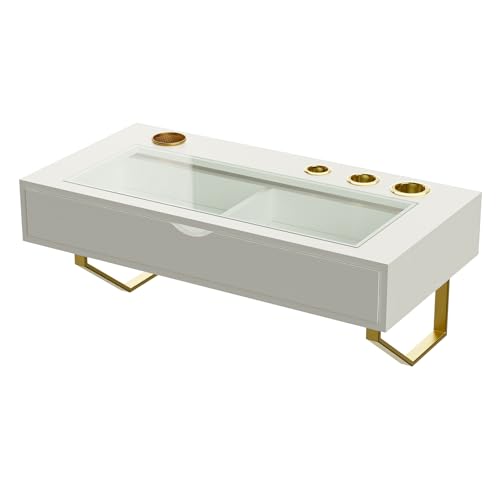
Floating Makeup Vanity Table, 31 inch Wall Mounted Desk for Bedroom, White
Clean designer floating surface ideal for any room
View Today's Price
Giantex Wall-Mounted Computer Desk, Floating Laptop Desk with 3 Storage
Versatile wall-mounted floating desk with side compartments and top shelf
View Today's PriceHow to Choose the Right Compact Wall-Mounted Desks
Choosing the right compact wall-mounted desk depends on space constraints, storage needs, finish preferences, and your DIY skill level—trade-offs that shift based on your room layout and daily workflow. A feature that’s perfect for a micro-apartment can be a mistake in a shared bedroom, and installation complexity often gets overlooked. Our recommendation engine evaluates your specific needs across five dimensions and matches you to the best-fit wall-mounted desk in under 60 seconds.
About this guide
Compact Wall-Mounted Desks
Why Picking the Right Wall-Mounted Desk is Tricky
Choosing compact wall mounted desks in 2026 is far more nuanced than it looks. The market is flooded with compact wall mounted desks—from $50 floating shelves to $300 all-in-one cabinet workstations—each with real trade-offs. Fold-down Murphy-style compact wall mounted desks maximize floor space but often sacrifice storage and can be tricky to install securely. Minimalist floating compact wall mounted desks look great but rarely offer enough surface area for more than a laptop and notebook. Cabinet-style compact wall mounted desks with built-in LED lighting and corkboards add organization but may protrude farther from the wall, eating into precious room depth. Many buyers overlook weight capacity: anything under 44 lbs is a red flag if you plan to use a monitor or store books on compact wall mounted desks. Surface dimensions matter—a 20"×30" minimum is essential for comfortable laptop work, but some budget compact wall mounted desks cut corners here. Most shoppers underestimate installation complexity; a $50 compact wall mounted desk with flimsy drywall anchors won’t cut it for daily use. The real challenge is balancing space, storage, durability, and aesthetics within your budget for compact wall mounted desks—get one wrong, and you’ll regret it every day.
What Separates Good from Great: Specs and Features That Matter
The key differentiators among compact wall mounted desks in 2026 are surface size, storage configuration, build quality, and installation hardware. Skip ultra-cheap compact wall mounted desks under $50 unless you only need a decorative shelf—these rarely support more than 20 lbs and often use thin MDF with weak brackets. For real work, look for compact wall mounted desks with at least 20" deep × 30" wide surfaces and powder-coated steel supports. Premium compact wall mounted desks—like those with hydraulic folding rods or solid wood construction—justify their $200–$300 price tags with smoother operation and longer lifespan. Storage is another make-or-break: open shelves on compact wall mounted desks are great for quick access, but drawers and full cabinets (like the Prepac or Tangkula compact wall mounted desks) keep clutter hidden. Built-in lighting and corkboards are nice-to-haves for compact wall mounted desks, not essentials, unless you’re setting up a true home office in a closet. One surprising tip: finish matters more than you think—laminated MDF on compact wall mounted desks resists scratches better than bare wood, while powder-coated brackets outlast painted ones. Don’t pay extra for features you’ll never use on compact wall mounted desks, but don’t skimp on mounting hardware or surface depth if you want daily durability.
How to Decide: Matching Desk Type, Space, and Installation Skill
Your ideal compact wall mounted desk depends on how much space you have, what you need to store, and your comfort with DIY installation. Room size and wall layout dictate whether fold-down compact wall mounted desks or fixed floating shelves make sense—smaller rooms benefit from Murphy-style fold-down compact wall mounted desks, but these require precise stud anchoring. Storage needs are equally critical: if you need to hide paperwork or tech, cabinet-style compact wall mounted desks are worth the extra cost and depth. Budget puts real limits on feature sets—under $80 means basic compact wall mounted desks, while $100–$180 unlocks mid-range compact wall mounted desks with shelves or drawers. Installation skill is the wild card: some compact wall mounted desks, like the SEI Furniture Willingham, are beginner-friendly, while others demand advanced mounting with stud finders and heavy-duty anchors. Our quiz weighs your compact wall mounted desk type, surface area, storage, finish, and installation comfort to pinpoint your best match. Think through how these factors interact—don’t buy oversized compact wall mounted desks for a tiny nook, or a complex install if you’re not handy. Prioritize daily usability over flashy extras when choosing compact wall mounted desks.
Buyer's guide
How to choose
1Core Performance Criteria
- Always check for a minimum weight capacity of 44 lbs, especially if you plan to use a monitor or store books on the desk.
- A surface area of at least 20" deep × 30" wide is essential for comfortable laptop work, but larger setups may require 36"+ surfaces.
- Powder-coated steel brackets provide stronger, longer-lasting support than painted or plastic alternatives, especially for daily use.
- Look for smooth folding mechanisms—hydraulic rods or soft-close hinges—if you want a Murphy-style desk that’s easy to operate.
- Integrated cable management is a must if you’re running power cords or chargers, as it keeps your workspace tidy and safe.
- Check real-world reviews for wobble complaints; even high-rated desks can suffer from poor mounting hardware or weak wall anchors.
2Build Quality and Durability
- Engineered wood and laminated MDF dominate the $50–$180 tier, but solid wood desks in the $200+ range offer superior scratch resistance and longevity.
- Powder-coated steel hardware resists rust and chipping far better than painted brackets, especially in humid or high-traffic rooms.
- Avoid desks with visible particleboard edges, as these are prone to chipping and moisture damage over time.
- Premium models often feature reinforced mounting plates or double-thick brackets, which prevent sagging after years of daily use.
- Inspect finish quality in product photos—poor lamination leads to bubbling or peeling after a few months of cleaning or sunlight exposure.
- Check assembly instructions before buying; complicated builds with dozens of screws tend to loosen over time if not installed perfectly.
3Value and Price Analysis
- Budget picks under $80 typically offer basic floating surfaces with minimal storage and lighter weight capacity—best for occasional use or decorative setups.
- Mid-range desks ($100–$180) deliver the best balance of surface size, storage, and hardware quality for most small-space home offices.
- Premium models up to $300 justify their price with solid wood, hydraulic folding mechanisms, or full cabinet storage with integrated lighting.
- Beware of overpriced 'designer' models that use the same MDF and hardware as $80 options but add only cosmetic upgrades.
- Always factor in the cost of mounting hardware—some budget desks require you to buy heavy-duty anchors or wall studs separately.
- Check for bundled accessories like cable trays or corkboards; these can add real value if you plan to use the desk for organization.
4Use-Case Fit and Room Compatibility
- Fold-down Murphy desks are ideal for multipurpose rooms or studios, but require at least 12" wall clearance when folded up.
- Floating desks work best in narrow hallways or bedrooms, where a permanent surface won’t block walking space or doors.
- Cabinet-style wall desks are perfect for closet offices or anyone needing to hide clutter, but they project farther from the wall than floating types.
- Drop-leaf designs can double as dining surfaces in micro-apartments, but check weight ratings if you plan to use them for meals.
- Measure your wall and surrounding furniture carefully; even a 30" desk can feel cramped if placed next to a bed or closet door.
- Consider adjustable installation heights if multiple people will use the desk—some models allow mounting at standing or sitting levels.
5Common Mistakes and Pitfalls
- Many buyers underestimate installation complexity—always use a stud finder and level to avoid unsafe mounting and future wobble.
- Choosing a desk with too little surface area leads to daily frustration, especially if you add a monitor or paperwork later.
- Ignoring weight capacity specs can result in sagging or catastrophic failure, particularly with budget MDF models and heavy loads.
- Overlooking cable management creates unsightly tangles and increases the risk of tripping or damaging devices.
- Assuming all mounting hardware is included is risky—double-check the product listing to avoid last-minute trips to the hardware store.
- Picking a finish that clashes with your room’s palette can make even the best desk feel out of place and visually cluttered.
6Maintenance and Longevity
- Laminated MDF surfaces clean easily with a damp cloth, but avoid harsh chemicals that can degrade the finish over time.
- Inspect mounting hardware every six months—tighten screws and check for wall anchor loosening, especially in high-use setups.
- Solid wood desks may require occasional oiling or waxing to maintain their finish and prevent drying or cracking.
- Hydraulic folding mechanisms should be operated gently; forcing them can damage internal rods or hinges, shortening the desk’s lifespan.
- Avoid overloading shelves or drawers, even if the desk’s main surface is rated for higher weights—side storage is often less robust.
- Protect corners and edges with silicone bumpers if your desk is in a high-traffic area to prevent chips and dents.
FAQ
Frequently asked questions
Is it worth paying extra for a hydraulic folding mechanism?
If you plan to fold and unfold your desk daily, a hydraulic rod mechanism is absolutely worth the premium. Models in the $200–$300 range offer smoother, quieter operation and are far less likely to wear out or slam shut over time. Cheaper Murphy-style desks with basic hinges can become stiff or noisy after a few months of use. For occasional folding, you might not notice much difference, but for frequent transitions, the upgrade pays for itself in durability and convenience.
How does the Prepac Storage Floating Desk compare to Tangkula’s wall-mounted options?
The Prepac Storage Floating Desk stands out for its roll-out keyboard tray and spacious side compartments, making it ideal for users who need organized storage. Tangkula’s wall-mounted desks, especially the foldable models, excel in space-saving and quick installation but often offer less built-in storage. Both brands use laminated MDF and steel brackets, but Prepac leans toward more robust hardware and higher weight capacity. Choose Prepac for all-in-one organization, Tangkula for minimalist, flexible setups.
What surface size do I need for dual monitors and a full workstation?
For a dual-monitor setup and full workstation, look for a wall-mounted desk with at least a 36" wide by 20" deep surface. Anything smaller will feel cramped and limit your ability to use a keyboard, mouse, and paperwork comfortably. Some premium models offer 40"+ widths, which are ideal if you also need space for speakers or additional accessories. Always check the weight capacity—dual monitors can easily exceed 30 lbs with stands and peripherals.
Are cabinet-style wall desks worth the extra depth and cost?
Cabinet-style wall desks are a smart investment if you need to hide clutter, store supplies, or create a true home office in a small space. They typically cost $180–$300 and project farther from the wall—often 10–14 inches—but provide drawers, corkboards, and compartments that floating desks lack. If aesthetics and organization are priorities, the extra depth and price are justified. However, for pure laptop work in a tight hallway, stick with a floating or fold-down model.
What’s the easiest wall-mounted desk to install for beginners?
Desks like the SEI Furniture Willingham Wall Mount Folding Desk are beginner-friendly, offering simple rail-hang systems and clear instructions. These models typically require only a drill, level, and stud finder, with most assembly done before mounting. Avoid heavy cabinet-style desks or those needing complex bracket alignment if you’re new to DIY. Always anchor into wall studs—never rely solely on drywall anchors for any desk supporting more than 20 lbs.
Do I need to buy extra mounting hardware for budget wall-mounted desks?
Many budget wall-mounted desks under $80 include only basic screws and light-duty anchors, which may not be sufficient for safe, long-term installation. It’s wise to purchase heavy-duty wall anchors or lag bolts separately, especially if you plan to support more than 30 lbs. Always check the product listing and reviews for hardware details. Skimping on mounting hardware is the most common cause of desk wobble and wall damage over time.
How does finish choice affect daily use and durability?
Finish choice has a bigger impact than most buyers expect. Laminated MDF resists scratches and stains better than bare or painted wood, making it ideal for high-traffic or kid-friendly spaces. Wood finishes like walnut or oak add warmth but may show wear faster without regular care. Powder-coated steel brackets outlast painted ones, especially in humid rooms. Choose a finish that matches your room but don’t ignore maintenance—some require more upkeep to stay looking new.
Related reading
Best Compact Wall-Mounted Desks By Category
Related Guides
3D Printers
Matched to your print size, detail needs, materials, and how much you want to tinker or automate.
All-in-One Laser Printers for Home Office
Matched to your print volume, color needs, workflow features, and budget—get the right laser all-in-one for your home office.
Sit-Stand Desk Converters
Matched to your desk size, equipment weight, ergonomics, and feature preferences—get the right converter for your workflow.
Budget and Mid‑Range Laptops
Matched to your main tasks, OS preference, portability, and display—find a laptop that fits your real workflow and budget.
Color Laser Printers
Matched to your print volume, connectivity, and cost priorities—find the color laser printer that fits your workflow and space.