Skip the research trap. Get your camera tripods in 60 seconds.
We scored 450+ camera tripods across 5 dimensions — answer 5 quick questions and we'll match you to YOUR best pick.
Powered by DecisionScore™
Each product is evaluated across 18 weighted criteria — covering performance, value, build quality, and real-world usability. Your quiz answers re-weight the criteria to match what matters most to you, so two people can get different #1 picks from the same data.
See the DecisionScore methodology →- Aluminum construction keeps weight around 3.4 lb for portability
- Supports up to 20.0 lb – sturdy enough for DSLR setups
- Maximum height 60" with 5 leg sections
Find your perfect camera tripods
5 quick questions. No quiz-takes-10-minutes trap. A personalized match from 45 scored picks — with clear reasoning for every recommendation.
What type of photography do you mostly shoot?
Your primary shooting environment determines the tripod’s size and stability. Travel photographers need compact, lightweight legs; studio and landscape shooters benefit from full-size support; videographers need fluid motion; tabletop users require mini or smartphone-friendly tripods; wildlife shooters need heavy-duty rigs for long lenses.
- Travel and outdoor shooters need lightweight, compact tripods for easy packing and hiking.
- Studio and landscape work benefits from taller, heavier tripods for maximum stability and precise framing.
- Wildlife and video require high load ratings and specialized heads for long lenses or smooth panning.
As an Amazon Associate and affiliate partner we earn from qualifying purchases. Links on this page may earn us a commission at no extra cost to you. Full disclosure
Not ready for the quiz? Here are our overall top picks
These are our top-rated picks overall. For a recommendation matched to YOUR specific needs,
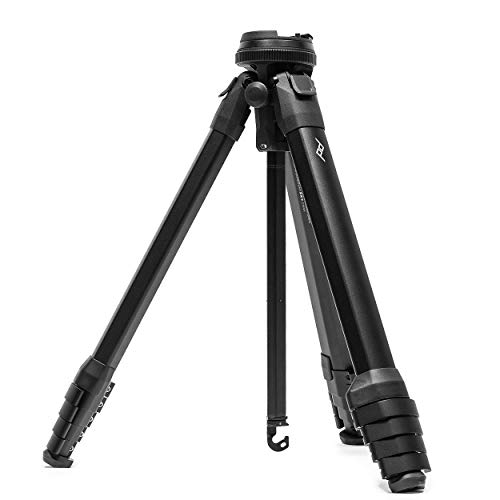
Peak Design Travel Tripod, Aluminum, Compact Design, Quick Setup and Takedown,
Aluminum construction keeps weight around 3.4 lb for portability
View Today's Price
3 Legged Thing Leo 2.0 Carbon Fibre Tripod System & AirHed Pro Lever - Earth
Carbon Fiber construction keeps weight around 3.4 lb for portability
View Today's Price
Benro Travel Angel Series 1 4-Section Aluminum Tripod/Monopod with B0 Ball Head
Aluminum construction keeps weight around 3.9 lb for portability
View Today's PriceHow to Choose the Right Camera Tripods
Choosing the right camera tripod depends on load capacity, portability, head type, and the specific features you’ll actually use—interacting factors that shift based on your gear, shooting style, and travel habits. A tripod that’s perfect for hiking is wrong for studio macro work, and vice versa. Generic top-10 lists miss these nuances, leading to buyer’s remorse. Our recommendation engine analyzes your unique needs across 12 dimensions and matches you to the right tripod in under 60 seconds.
About this guide
Camera Tripods
Why Tripod Choices Are Trickier Than They Look
Picking the right camera tripod in 2026 is a balancing act that trips up even experienced photographers. Choosing among camera tripods means weighing stability versus portability: lightweight travel camera tripods like the Zomei Z699C Carbon Fiber (under 3 lbs) fold down small for hiking but can flex or wobble with heavier cameras, especially in wind. Full-size studio camera tripods—think Manfrotto 190XPRO4—offer rock-solid support and 63" max height but weigh over 4 lbs and hog space in your bag. Most buyers underestimate the load capacity of camera tripods: if your camera and lens weigh 8 lbs, you need a camera tripod rated for at least 12 lbs to avoid sagging or collapse. Ball heads on camera tripods allow quick adjustments but may slip under torque, while pan-tilt heads are slower but more precise for video. Budget camera tripods under $50 (like Amazon Basics) often cut corners with plastic heads and weak leg locks, while premium carbon fiber camera tripods soar past $250 for pro-level rigidity. Many shoppers focus on price or height alone, missing critical specs like leg lock type, section count, and head compatibility—leading to regret when their new camera tripod fails in the field.
What Actually Sets Tripods Apart
The real differentiators between camera tripods in 2026 are materials, leg lock mechanisms, head type, and load capacity. Carbon fiber camera tripods (like those on the Benro Mach3 TMA38CL) dampen vibrations and shave weight, but you’ll pay a $100–$200 premium over aluminum camera tripods. Skip carbon fiber camera tripods unless you hike long distances or shoot in windy conditions—mid-range aluminum camera tripods like the Slik Pro 700DX are plenty stable for most. Leg locks on camera tripods matter more than most realize: twist locks are slimmer and less prone to snagging, while lever locks are faster but bulkier. Four-section camera tripods pack smaller but flex more than three-section designs. Ball heads are best for stills and quick repositioning, but pan/tilt or fluid heads are essential for smooth video on camera tripods. Don’t get lured by extras like pivoting center columns or monopod conversion on camera tripods unless you’ll actually use them—these features add weight and complexity. Always prioritize a camera tripod’s load rating and rigidity over flashy features; a $100 camera tripod with a solid head outperforms a $300 camera tripod with a wobbly center column for most users.
How to Choose: Matching Specs to Your Shooting Style
Your ideal camera tripod depends on how you shoot, what you carry, and the environments you face. Room size and shooting height dictate whether a compact travel camera tripod or a full-size studio camera tripod makes sense. If you hike, every ounce matters—carbon fiber camera tripods may be worth it. For indoor or landscape work, prioritize maximum height and stability in your camera tripod, even if it’s heavier. Your camera’s weight and lens length determine the minimum load capacity for camera tripods; always add a 50% safety margin. Head choice on camera tripods is non-negotiable: ball heads for fast stills, fluid heads for video, pan/tilt for precision. Features like pivoting columns or detachable legs on camera tripods are only worth the added bulk if you shoot macro or need a monopod. Price constrains which camera tripod features are realistic—expect to spend $100–$150 for a reliable, rigid camera tripod with a decent head. Our quiz weighs your shooting style, gear, and feature priorities to pinpoint the right camera tripod match. Don’t let a single spec or brand sway you; it’s the interaction of weight, rigidity, head type, and features in camera tripods that makes or breaks your experience.
Buyer's guide
How to choose
1Core Performance Criteria
- Always choose a tripod with a load capacity at least 50% higher than your heaviest camera and lens combination to prevent sagging or collapse.
- Tripods with three leg sections offer better rigidity but pack longer, while four-section designs fold smaller at the cost of increased flex and slightly less stability.
- Carbon fiber legs, as seen on the Benro Mach3 TMA38CL, provide superior vibration dampening and lighter weight, but cost significantly more than comparable aluminum models.
- Ball heads are ideal for quick repositioning in still photography, while fluid heads are crucial for smooth video panning and tilting.
- Leg lock type directly affects setup speed and reliability—twist locks are slimmer and less prone to snagging, while lever locks are faster but bulkier.
- A tripod’s maximum height should match your eye level for comfort, but avoid extending the center column fully, as this introduces unwanted wobble.
2Build Quality and Durability
- Premium tripods like the Manfrotto 190XPRO4 use thicker aluminum tubing and robust metal joints, resisting flex and lasting for years even with daily use.
- Budget models under $50 often use plastic heads and thin legs, leading to early failures, loose locks, or outright collapse under moderate loads.
- Look for replaceable rubber feet or optional spike feet to maintain traction on various surfaces, especially if you shoot outdoors or on uneven ground.
- Check for weather-sealed leg locks and anti-corrosion coatings if you plan to use your tripod in wet, sandy, or salty environments regularly.
- A sturdy center column and minimal plastic in the head assembly are critical for withstanding heavy cameras and rough handling.
- Quality tripods include a multi-year warranty—Slik and Manfrotto typically offer 3–5 years—while no-name brands may lack any meaningful support.
3Value Analysis and Price Tiers
- The sweet spot for most buyers is the $100–$150 range, where you get solid aluminum legs, a reliable head, and real-world durability.
- Tripods under $50, such as the Amazon Basics 60-Inch, are fine for smartphones or light cameras but struggle with DSLRs or telephoto lenses.
- Premium carbon fiber tripods ($250+) offer weight savings and vibration control, but the extra cost only pays off for frequent travelers or pros.
- Don’t pay extra for features like monopod conversion or pivoting columns unless you’ll use them regularly; these add cost and complexity.
- Avoid tripods bundled with flimsy plastic heads—buying legs and a quality head separately often yields better performance for the money.
- Inflation has kept 2026 prices stable since 2023, so don’t expect major discounts on reputable brands, but avoid overpaying for minor upgrades.
4Use-Case Fit and Special Features
- Travel photographers should prioritize folded length under 18" and weight under 3 lbs, even if it means a slight trade-off in maximum height.
- Studio and landscape shooters benefit from full-size tripods with a maximum height above 60" and robust heads for precise framing.
- Wildlife and sports shooters need high load ratings (15–22 lbs) and gimbal or fluid heads to handle long lenses and fast movement.
- Macro photographers should look for pivoting or removable center columns to achieve low-angle or overhead shots without sacrificing stability.
- If you frequently shoot video, skip ball heads and opt for a tripod with a fluid or pan/tilt head for smooth, controlled camera movements.
- Convertible features like detachable legs for monopod use are only worthwhile if you actually need that flexibility in your shooting routine.
5Common Mistakes and Pitfalls
- Many buyers match tripod load capacity exactly to their gear, but you need a 50% safety margin to avoid instability and future upgrades.
- Choosing a four-section tripod for compactness often results in more flex and less rigidity than a three-section design of similar weight.
- Extending the center column fully to gain height leads to significant wobble, especially in wind or with heavy cameras—keep it as low as possible.
- Selecting lever locks for their "pro look" can backfire if you need a slimmer profile or frequent packing; twist locks are often more practical.
- Buying a tripod with a bundled plastic head often results in slippage or frustration—invest in a solid metal head matched to your shooting style.
- Ignoring the importance of leg angle adjustments limits your ability to shoot on uneven terrain or achieve creative low-angle perspectives.
6Maintenance and Longevity
- Regularly clean leg locks and joints to prevent grit buildup, which can cause locks to seize or slip, especially after outdoor shoots.
- Check and tighten all screws and bolts every few months, as vibrations and use can loosen critical joints over time.
- Store your tripod with legs collapsed and avoid leaving it extended for long periods, which can weaken the joints and leg locks.
- Replace worn rubber feet or spike attachments promptly to maintain grip and prevent accidental slips on slick or uneven surfaces.
- Lubricate moving parts sparingly with silicone-based lubricants—avoid oil-based products that attract dust and degrade plastic components.
- Inspect carbon fiber legs for cracks or splinters after impacts; even minor damage can compromise strength and safety during future use.
FAQ
Frequently asked questions
Is carbon fiber worth the extra cost over aluminum in 2026?
Carbon fiber tripods, like the Benro Mach3 TMA38CL, are worth the premium if you hike long distances or shoot in windy conditions. They’re lighter and absorb vibrations better than aluminum, but cost $100–$200 more. For home, studio, or short walks, a solid aluminum model such as the Slik Pro 700DX offers nearly the same stability and durability for less money. Unless every ounce matters, most hobbyists can skip carbon fiber and invest savings in a better head or lens.
How does the Manfrotto 190XPRO4 compare to the Slik Pro 700DX?
The Manfrotto 190XPRO4 ($250) offers a pivoting center column for macro and overhead shots, a 63" max height, and a 13 lb load capacity. The Slik Pro 700DX ($100) is taller at 66" and supports up to 15 lbs but lacks a pivoting column. Manfrotto’s build quality and versatility suit advanced users, while Slik’s simplicity and durability make it a top value for most photographers. Choose Manfrotto for creative flexibility, Slik for rugged reliability.
What load capacity do I need for a DSLR with a telephoto lens?
Add the weight of your camera, lens, and any accessories, then multiply by 1.5 for a safe margin. For example, a DSLR (2 lbs) plus a 70–200mm lens (3 lbs) and flash (1 lb) totals 6 lbs—so choose a tripod rated for at least 9 lbs. Models like the Slik Pro 700DX (15 lb capacity) or Manfrotto 190XPRO4 (13 lbs) easily handle this setup. Under-rating load capacity leads to wobble, sag, and potential tripod failure.
Should I get a ball head, pan-tilt, or fluid head?
Ball heads are best for fast still photography and allow quick, one-handed adjustments. Pan-tilt heads provide precise, independent control for each axis—ideal for landscapes or architectural shots. Fluid heads are essential for video or tracking moving subjects, offering smooth motion. For most photographers, a quality ball head covers 90% of needs, but videographers and wildlife shooters should invest in a fluid or gimbal head for best results.
Are quick-release plates and monopod conversion features worth it?
Quick-release plates are a must for fast camera swaps and secure mounting—avoid tripods without them. Monopod conversion is handy if you shoot sports or events, but adds complexity and weight. If you don’t use a monopod regularly, skip this feature and opt for a simpler, lighter tripod. Prioritize features you’ll use every shoot over extras that sound nice but add bulk and cost.
How does the Amazon Basics 60-Inch Tripod hold up for real cameras?
The Amazon Basics 60-Inch Tripod is suitable for smartphones and compact cameras, supporting up to 7 lbs. However, it flexes and wobbles with heavier DSLRs or telephoto lenses, and the plastic head can slip under load. For occasional use or travel with light gear, it’s a bargain, but serious photographers should upgrade to a sturdier model like the Slik Pro 700DX or Manfrotto 190XPRO4 for reliability and safety.
What’s the biggest mistake buyers make when choosing a tripod in 2026?
The most common mistake is matching load capacity exactly to your camera setup, leaving no margin for heavier lenses or future upgrades. Buyers also overlook leg lock quality—cheap locks slip or seize, causing frustration and instability. Many focus on maximum height or price alone, ignoring critical factors like head compatibility, folded length, and rigidity. Always prioritize stability, real-world durability, and feature fit over flashy specs or low prices.
Best Camera Tripods By Category
Related Guides
Action Cameras Buying Guide
Matched to your adventure style, budget, portability needs, and the features you’ll actually use—no more guessing.
Camera Drones
Matched to your footage style, portability, camera quality, and how long you want to fly per charge.
Advanced DSLR Cameras
Matched to your shooting style, sensor format, portability, video needs, and autofocus speed—get the right camera for your real workflow.
Beginner Drones
Matched to your flying style, risk tolerance, budget, and camera needs—get the right beginner drone for how you’ll actually fly.
Beginner Mirrorless Photography Cameras
Sensor size, stabilization, body style, and creative features—matched to your budget and how you actually want to shoot.