Skip the research trap. Get your sleep trackers in 60 seconds.
We scored 200+ sleep trackers across 5 dimensions — answer 5 quick questions and we'll match you to YOUR best pick.

Powered by DecisionScore™
Each product is evaluated across 18 weighted criteria — covering performance, value, build quality, and real-world usability. Your quiz answers re-weight the criteria to match what matters most to you, so two people can get different #1 picks from the same data.
See the DecisionScore methodology →- 18-day battery (28 days in saver mode)
- Sleep stage analysis with Zepp app
- 24/7 heart rate, SpO2, stress monitoring
Find your perfect sleep trackers
5 quick questions. No quiz-takes-10-minutes trap. A personalized match from 20 scored picks — with clear reasoning for every recommendation.
What type of sleep tracker form factor do you prefer?
The form factor of a sleep tracker can significantly impact comfort and usability. Wristbands are common for fitness enthusiasts, rings offer a discreet option, and under-mattress devices are non-intrusive for those who prefer not to wear anything.
- Rings are less intrusive for side sleepers, but require accurate sizing for best results.
- Wrist bands are affordable and reliable, but can feel bulky if you toss and turn.
- Under-mattress pads require no wearable, but may struggle with thick or adjustable beds.
As an Amazon Associate and affiliate partner we earn from qualifying purchases. Links on this page may earn us a commission at no extra cost to you. Full disclosure
Not ready for the quiz? Here are our overall top picks
These are our top-rated picks overall. For a recommendation matched to YOUR specific needs,
Amazfit Helio Strap Fitness Tracker Wristband, 24/7 Activity & Sleep Tracker
18-day battery (28 days in saver mode)
View Today's Price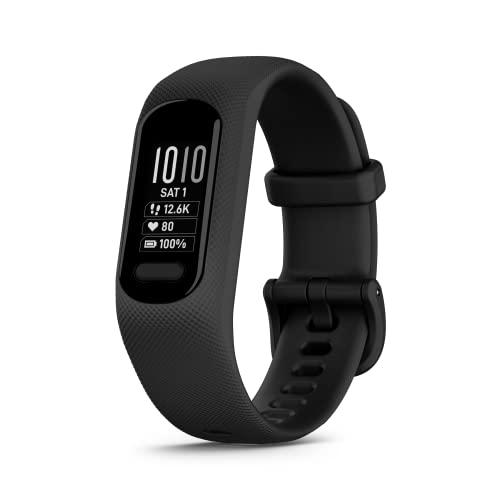
Garmin vívosmart® 5, Fitness Tracker, Long-Lasting Battery, Simple Design, Black
7-day battery life
View Today's Price
Fitbit Charge 6 Fitness Tracker with Google Apps - Heart Rate on Exercise
Built-in GPS with Google Maps
View Today's PriceHow to Choose the Right Sleep Trackers
Choosing the right sleep tracker depends on comfort, data detail, subscription tolerance, and platform compatibility—trade-offs that shift based on your sleep habits and budget. A feature that’s perfect for a restless side sleeper may be completely wrong for someone who hates subscriptions or shares a bed. Our recommendation engine evaluates your specific needs across 12+ dimensions and matches you to the right sleep tracker in under 60 seconds.
About this guide
Sleep Trackers
Why Choosing a Sleep Tracker Is Trickier Than It Looks
Picking the right sleep tracker in 2026 is a balancing act between comfort, data accuracy, and ongoing costs. Most buyers underestimate how much the form factor of sleep trackers impacts nightly use—if you hate wearing a band, even the most advanced Fitbit or Amazfit sleep trackers (from $30–$80) will end up in a drawer. Smart rings like RingConn Gen 2 or the Oura Ring 4 ($350–$500) are supremely comfortable sleep trackers, but require accurate sizing and, in Oura’s case, a $6/month subscription for full insights. Under-mattress sleep trackers such as the Withings Sleep Analyzer ($130–$200) are invisible but can struggle with adjustable beds or thick mattresses, and may confuse light sleep with being awake. Many shoppers focus on headline features like “sleep score” or “REM tracking” in sleep trackers but miss crucial trade-offs: battery life, app quality, and whether you’ll face locked features behind a paywall. The $100–$150 tier (Fitbit Charge 6, Garmin Vivosmart 5) is a sweet spot for wrist-based sleep trackers, but rings and pads offer comfort and hands-off tracking at a premium. Most people get tripped up by ongoing subscription costs and compatibility headaches with sleep trackers, not just the upfront price.
What Actually Separates the Best Sleep Trackers
The real differentiators in sleep trackers aren’t just about the number of sensors—they’re about how those sensors work together, and whether the data is actionable. Smart ring sleep trackers like the Samsung Galaxy Ring and Oura Ring 4 dominate for comfort and detailed sleep-stage tracking, with the Oura Ring 4 leading in medical-grade accuracy and AI-driven coaching (if you pay for the subscription). The Samsung Galaxy Ring, on the other hand, skips the subscription entirely while still offering robust AI sleep analysis and a 7-day battery, making it one of the most appealing sleep trackers for Android users. Under-mattress sleep trackers like Withings Sleep Analyzer win for zero-wear convenience and apnea detection, but lag in distinguishing light sleep from wakefulness—skip these sleep trackers if you’re a restless sleeper or share your bed. Wrist band sleep trackers from Fitbit and Garmin offer the best value for most people, with the Charge 6 and Vivosmart 5 providing reliable stage breakdowns, heart rate, and smart alarms in the $100–$150 range. Don’t get distracted by “sleep score” marketing—focus on raw sleep-stage, HRV, and SpO2 data from your sleep trackers. Unless you crave the absolute best coaching, skip Oura’s subscription; Samsung and RingConn sleep trackers offer nearly all features for free.
How to Choose: Interacting Decision Factors
Your ideal sleep tracker depends on how your comfort needs, data expectations, and budget interact. If you’re a side sleeper, a ring-based sleep tracker like the Samsung Galaxy Ring or Oura Ring 4 is less intrusive than a wrist band, but you’ll pay a premium and may face subscription fees. If you dislike wearing anything, the Withings Sleep Analyzer is unbeatable among sleep trackers for hands-off tracking—unless you have a thick mattress or share your bed, which can throw off accuracy. Budget under $80? Stick with Fitbit Inspire 3 or Amazfit sleep trackers for reliable basics, but don’t expect advanced metrics like HRV or apnea detection from entry-level sleep trackers. The quiz evaluates your form factor preference, data detail needs, price ceiling, subscription tolerance, and phone platform to match you with the right sleep trackers. Remember, app quality and ecosystem lock-in matter: Fitbit and Garmin sleep trackers require subscriptions for export, and Samsung Galaxy Ring is Android-only. Think about how much you’ll actually use the data from your sleep tracker—if you won’t act on advanced insights, don’t pay for them. The right sleep tracker is the one you’ll use every night, not just the one with the most features.
Buyer's guide
How to choose
1Core Performance Criteria
- Prioritize devices with validated sleep-stage tracking—Oura Ring 4 and Samsung Galaxy Ring excel, while budget bands offer less precise breakdowns.
- Look for HRV and SpO2 sensors if you want advanced sleep health insights; Fitbit Inspire 3 and Garmin Vivosmart 5 include these in the $100–$150 range.
- Battery life is crucial: rings and wrist bands should last at least 5–8 days to avoid constant charging interruptions.
- Non-wearables like Withings Sleep Analyzer provide apnea detection, but may misclassify light sleep as wakefulness according to PSG studies.
- Ignore “sleep score” hype—focus on raw stage, HRV, and breathing data, as sleep scores vary by up to 20% between brands.
- Smart alarms and noise cancellation (e.g., Soundcore Sleep A30) are nice-to-haves, but don’t compensate for poor core tracking accuracy.
2Build Quality and Durability
- Smart rings like Oura Ring 4 and Samsung Galaxy Ring are built from titanium or stainless steel, offering excellent durability for daily wear.
- Wrist bands from Fitbit and Garmin use soft silicone, which is comfortable but can degrade or discolor after 1–2 years of nightly use.
- Check water resistance ratings—5 ATM is ideal for rings and bands, especially if you sweat or shower with the device on.
- Under-mattress pads like Withings Sleep Analyzer are durable but can be damaged by adjustable beds or heavy mattress movement.
- Fit and finish matter: loose rings or poorly sized bands reduce sensor accuracy and may scratch easily.
- Replacement bands and ring sizing kits are essential for long-term comfort and maintaining proper sensor contact.
3Value and Price Analysis
- Budget fitness bands from Xiaomi and Amazfit ($30–$80) deliver basic sleep tracking without subscriptions, making them ideal for cost-conscious buyers.
- The $100–$150 range (Fitbit Charge 6, Garmin Vivosmart 5) offers the best balance of accuracy, comfort, and app quality for most users.
- Smart rings like Oura Ring 4 and Samsung Galaxy Ring cost $350–$500, but Oura locks advanced features behind a $6/month subscription.
- Withings Sleep Analyzer ($130–$200) is the best value for non-wearable tracking, but check mattress compatibility before buying.
- Subscription fees can add $100+ per year—factor this into your total cost of ownership, especially for Oura or Fitbit Premium.
- Rings and pads depreciate less in value if you plan to use them for three or more years, offsetting the higher upfront cost.
4Fit for Your Use Case
- Side sleepers usually prefer rings like Oura or Samsung Galaxy Ring, as bands and earbuds can cause discomfort overnight.
- Couples or families should avoid under-mattress trackers like Withings, which struggle with multi-user accuracy and shared beds.
- If you want to track sleep without wearing anything, the Withings Sleep Analyzer is the top pick—unless your mattress is too thick or adjustable.
- For detailed health metrics (HRV, SpO2, temp), opt for Oura Ring 4 or Fitbit Charge 6, as basic bands rarely offer these.
- Android users get the most value from Samsung Galaxy Ring, while iPhone users should check compatibility before buying.
- If you travel often, prioritize battery life and portability—rings and Fitbit Inspire 3 last up to 8–10 days per charge.
5Common Mistakes and Pitfalls
- Many buyers overlook the need for accurate ring sizing—Oura requires a kit, and loose rings can reduce HRV accuracy by 20%.
- Ignoring subscription fees leads to frustration; Oura and Fitbit Premium lock key features behind monthly payments.
- Assuming all trackers work with any phone is risky—Samsung Galaxy Ring is Android-only, and some bands have limited iOS support.
- Under-mattress trackers like Withings often fail on adjustable or extra-thick mattresses; always measure your bed before purchase.
- Don’t be swayed by “sleep score” marketing—these scores can differ by 15–20% between brands and aren’t standardized.
- Exporting your sleep data isn’t always possible; Fitbit and Garmin require subscriptions for full data access.
6Maintenance and Longevity
- Smart rings and wrist bands require occasional cleaning to maintain sensor accuracy—use a soft cloth and avoid harsh chemicals.
- Battery life degrades over time; expect 15–20% loss after two years of nightly use for most rings and bands.
- Replace bands or sizing inserts every 12–18 months for optimal comfort and hygiene, especially if you sweat at night.
- Under-mattress pads like Withings need careful placement and can be damaged by frequent bed movement or spills.
- Firmware updates are critical for accuracy—brands like Fitbit and Oura regularly release improvements, so keep your device up to date.
- Check warranty coverage: Oura and Samsung offer 1–2 year warranties, while budget bands may have only 6–12 months.
FAQ
Frequently asked questions
Is paying extra for advanced sleep-stage tracking worth it in 2026?
If you want actionable insights on your sleep quality, paying for advanced sleep-stage tracking is usually worth it. Devices like the Oura Ring 4 and Samsung Galaxy Ring offer detailed breakdowns of light, deep, and REM sleep, as well as HRV and SpO2 metrics. These features help you identify patterns and make real improvements, especially if you struggle with sleep consistency. However, if you just want to know total sleep time, a basic Fitbit or Amazfit band will suffice for a fraction of the price.
How does the Oura Ring 4 compare to the Samsung Galaxy Ring?
The Oura Ring 4 is praised for its medical-grade accuracy, personalized coaching, and 8-day battery life, but requires a $6/month subscription for full insights. The Samsung Galaxy Ring matches Oura’s comfort and core metrics, offers a robust AI-powered sleep analysis, and skips the subscription entirely, making it a better value for Android users. Both rings are highly accurate, but Oura’s app is more polished for iOS, while Samsung’s is exclusive to Android and Samsung phones.
What sleep tracker should I get if I refuse to wear anything to bed?
If you dislike wearing devices at night, the Withings Sleep Analyzer is the best choice in 2026. It slides under your mattress and tracks sleep stages, heart rate, and even detects sleep apnea without any wearable required. However, it can misclassify light sleep as wakefulness and struggles with thick or adjustable mattresses. Make sure your bed is compatible before purchasing, and note that it’s less accurate for couples or shared beds.
Are subscription fees for Oura or Fitbit Premium worth it?
Subscription fees for Oura ($6/month) and Fitbit Premium ($10/month) unlock advanced insights, coaching, and historical data. If you’re committed to improving your sleep and want personalized recommendations, the subscription can be worth it. However, many users are frustrated by locked features and recurring costs. If you value free access to all data, consider Samsung Galaxy Ring, RingConn Gen 2, or Garmin, which offer robust tracking with no ongoing fees.
What’s the best budget sleep tracker for under $100?
For under $100, the Fitbit Inspire 3 and Amazfit bands are top picks in 2026. They offer reliable sleep tracking, including stage breakdowns and heart rate monitoring, with no subscription required. While they lack some advanced metrics like HRV or apnea detection, they’re comfortable, easy to use, and have excellent battery life. Xiaomi’s Mi Band is another strong contender for basic tracking at the lowest price point, though app quality isn’t as strong as Fitbit’s.
How accurate are under-mattress sleep trackers like Withings compared to rings and bands?
Under-mattress trackers like Withings Sleep Analyzer are convenient and excel at apnea detection, but they lag behind rings and wrist bands in distinguishing light sleep from wakefulness. Clinical studies show Withings can misclassify up to 15% of light sleep as awake, especially on thick or adjustable beds. Smart rings like Oura and Samsung, as well as wrist bands from Fitbit, provide more precise stage tracking and are better for restless sleepers or those seeking maximum accuracy.
Can I export my sleep data to Apple Health or Google Fit?
Most major brands support exporting sleep data, but there are caveats. Fitbit and Garmin require a paid subscription for full data export, while Oura and Withings allow free integration with Apple Health and Google Fit. Samsung Galaxy Ring and RingConn Gen 2 also support direct syncing with Google Fit (Android only). Always check app compatibility before buying, especially if you plan to use your data with third-party health platforms.
Related reading
Best Sleep Trackers By Category
Related Guides
Android Smartwatches
Battery life, health sensors, phone compatibility, and style—get matched to the Android smartwatch that fits your priorities, not just the specs.
Dog GPS Trackers & Smart Collars
Matches your dog’s size, roaming area, battery needs, and subscription comfort to the right tracker or smart collar.
Fitness Trackers and Smart Watches
Matched to your activity, comfort, battery needs, and whether you want smart features or pure fitness focus.
Smartwatches
Phone compatibility, battery life, fitness tracking, and smart features—get matched to a smartwatch that truly fits your lifestyle.