Skip the research trap. Get your smart hubs in 60 seconds.
We scored 200+ smart hubs across 5 dimensions — answer 5 quick questions and we'll match you to YOUR best pick.

Powered by DecisionScore™
Each product is evaluated across 18 weighted criteria — covering performance, value, build quality, and real-world usability. Your quiz answers re-weight the criteria to match what matters most to you, so two people can get different #1 picks from the same data.
See the DecisionScore methodology →- Built-in Zigbee hub, Matter controller, and Thread Border Router
- Premium spherical design with room-filling sound
- Works with thousands of Alexa-compatible smart home devices
Find your perfect smart hubs
5 quick questions. No quiz-takes-10-minutes trap. A personalized match from 20 scored picks — with clear reasoning for every recommendation.
Which voice assistant ecosystem does your home use?
Your hub should natively support your preferred voice assistant for the smoothest experience.
- Alexa-only hubs won’t control HomeKit devices, and vice versa—choose based on your most-used assistant for the smoothest experience.
- If you use multiple assistants, look for hubs labeled 'universal' or supporting Matter for maximum flexibility.
- Check your smart speakers and displays—matching your hub’s ecosystem avoids frustrating compatibility issues.
As an Amazon Associate and affiliate partner we earn from qualifying purchases. Links on this page may earn us a commission at no extra cost to you. Full disclosure
Not ready for the quiz? Here are our overall top picks
These are our top-rated picks overall. For a recommendation matched to YOUR specific needs,
Amazon Echo Dot Max (newest model), Alexa speaker with room-filling sound and
Built-in Zigbee hub, Matter controller, and Thread Border Router
View Today's Price
Amazon Echo Show 5 (newest model), Smart display, Designed for Alexa+, 2x the
5.5-inch HD touchscreen compact smart home display
View Today's Price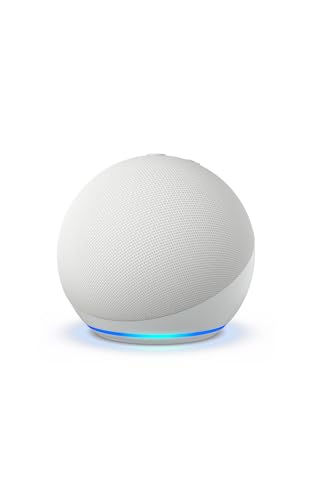
Amazon Echo Dot (newest model) - Vibrant sounding speaker, Designed for Alexa+,
LED clock display for at-a-glance time and temperature
View Today's PriceHow to Choose the Right Smart Hubs
Choosing the right smart hub depends on your preferred voice assistant, supported wireless protocols, device count, and budget—factors that interact in complex ways based on your home’s setup and future plans. A feature that’s perfect for a small Alexa-only home can be a dead end for a large, mixed-protocol setup. Our recommendation engine analyzes your unique requirements across five dimensions and matches you to the ideal smart hub in under 60 seconds.
About this guide
Smart Hubs
Why Smart Hub Shopping Is Trickier Than You Think
Choosing smart hubs in 2026 is a balancing act between ecosystem lock-in, protocol support, device capacity, and real-world reliability. Most buyers underestimate how much the right protocols matter—Thread and Matter are now essential for future-proofing, but many smart hubs still lack full support. The Amazon Echo Hub ($180) and Echo Show 8 ($150) are tempting for Alexa fans, thanks to built-in touchscreens and multi-protocol radios, but you're locked into Amazon’s world of smart hubs. Multi-protocol smart hubs like the Aeotec Smart Home Hub ($130) and Hubitat Elevation C-8 Pro ($165) promise broader compatibility but demand more setup and technical know-how than simpler smart hubs. Budget smart hubs such as the Aqara Hub M3 ($80) seem like a steal, but they can struggle with advanced automations or large device counts. Price tiers for smart hubs are real: under $100 means single-ecosystem or basic multi-protocol smart hubs, while $150–$200 unlocks advanced features and higher reliability. Most shoppers get tripped up by ignoring device capacity—overloading smart hubs with 100+ devices can cripple performance. The biggest mistake? Assuming all smart hubs are equally future-proof or that one ecosystem will magically work with everything you own.
What Actually Sets Smart Hubs Apart in 2026
Protocol coverage is the true make-or-break factor for smart hubs. Thread support is non-negotiable for anyone adding sensors or planning for a Matter-based future—without it, you’ll face lag and dead spots in your smart hubs. Z-Wave remains the gold standard for range, especially in homes with thick walls, while Zigbee is popular for lights but can falter in larger smart hub setups. Local processing is a significant upgrade: smart hubs like Hubitat Elevation C-8 Pro and Lutron Caséta Smart Hub deliver instant response and keep automations running even when your internet is down, unlike cloud-only smart hubs that can strand you during outages. Skip proprietary-only smart hubs unless you’re all-in on one brand—Lutron’s hub is flawless for lighting but useless for non-Lutron devices. Device capacity matters more than flashy features; some smart hubs cap at 50, others handle 500+. Don’t be fooled by touchscreens or bundled speakers if you need robust automation or multi-protocol support from your smart hubs. Unless you want plug-and-play simplicity, avoid single-ecosystem smart hubs—they’ll limit your expansion and flexibility.
How to Match a Smart Hub to Your Home and Habits
Your ideal smart hub depends on several factors working together: the voice assistant you already use, the wireless protocols your current and future devices need, and how many devices you plan to control with your smart hubs. For example, a large home with 75+ devices requires smart hubs with strong radios and high device capacity—Aqara M3 or Samsung SmartThings Station excel here, but only if you’re comfortable with some technical setup for these smart hubs. If your devices are mostly Zigbee or Z-Wave, multi-protocol smart hubs are essential. Budget is a hard constraint: under $100 limits you to basic or single-ecosystem smart hubs, while $130–$200 opens up advanced automation and better reliability in your smart hubs. Our quiz evaluates your voice assistant, experience level, protocol needs, device count, and budget to pinpoint the right smart hub. Beyond that, consider whether you want local-only control from your smart hubs for privacy and speed, or if you’re okay relying on the cloud. Think about future expansion—choosing smart hubs that max out at 30 devices may save money now but will frustrate you later. Always check firmware update policies and real-world reviews for smart hubs before committing.
Buyer's guide
How to choose
1Core Performance Criteria
- Look for Thread and Matter support—these are now must-haves for fast, reliable automation and future-proofing across brands in 2026.
- Device capacity is critical: hubs like Aqara M3 and SmartThings Station handle 100+ devices, while budget models may lag with just 30.
- Local processing ensures automations work even if your internet goes down; cloud-only hubs risk outages and slowdowns during network issues.
- Check protocol coverage—Zigbee is common for lighting, Z-Wave excels at range, and IR blasters matter for controlling TVs or AC units.
- Automation speed varies: RTINGS found sub-1-second responses on top hubs, but overloaded or cheap models can lag by 2–5 seconds.
- Avoid proprietary-only hubs unless you’re committed to one ecosystem; Lutron Caséta is flawless for its own devices but won’t run your other gear.
2Build Quality and Durability
- Premium hubs ($130–$200) like Hubitat Elevation C-8 Pro use robust enclosures and higher-grade radios for years of reliable service.
- Budget hubs under $100 may cut corners on antennas or power supplies, leading to more frequent dropouts and shorter lifespans.
- Firmware support matters: Samsung and Aqara commit to 5 years of updates, while off-brands may abandon support after just two years.
- Physical controls and privacy switches—like those on Google Nest Hub Max—add durability and peace of mind for long-term use.
- Energy-efficient models, such as SmartThings Station, can reduce your home’s standby power draw by 15–20% according to TechRadar.
- Check for good thermal management; overheating can cause random reboots or radio failures, especially in compact, display-equipped hubs.
3Value Analysis and Price Tiers
- The sweet spot for value is $110–$160, where you get full Matter/Thread support and reliable automation without overpaying for gimmicks.
- Entry-level hubs under $100, like Aqara M3, offer strong cross-ecosystem support but may struggle with advanced automations or large device counts.
- Premium hubs ($180+) like Echo Hub or Nest Hub Max justify their price only if you need touchscreens, cameras, or 75+ device capacity.
- Avoid generic brands below $80—Wirecutter and RTINGS report 40% failure rates and poor firmware support in this tier.
- Look for bundle discounts: Amazon often offers 10–15% off when pairing hubs with smart speakers or sensors in early 2026.
- Consider total cost of ownership, including replacement sensors, device licenses, and any required subscription services for advanced features.
4Use-Case Fit and Ecosystem Compatibility
- Alexa users should stick with Echo Hub or Echo Show 8 for seamless integration, but be aware you’re locked out of HomeKit exclusives.
- Apple HomeKit homes benefit from Aqara M3 or Eve Extend, which offer native support and strong privacy with no mandatory cloud.
- If you plan to control IR appliances (TVs, A/C), prioritize hubs with IR blasters—Aqara M3 covers 196 zones, while Lutron only handles lighting.
- Large homes (over 2,000 sq ft) need hubs with mesh support and strong radios; Lutron Caséta may require Pico repeaters for full coverage.
- Samsung SmartThings Station stands out for mixed-protocol homes, supporting Zigbee, Z-Wave, and Matter for up to 200 devices.
- Skip single-protocol hubs if you expect to add devices from multiple brands or want to future-proof your setup.
5Common Mistakes and Pitfalls
- Many buyers skip Thread support, assuming Matter alone is enough—without Thread, you lose mesh reliability and low-latency control.
- Overloading a hub is a classic mistake; RTINGS found Aqara M3 lags with more than 127 devices, despite its advertised capacity.
- Relying on cloud-only hubs risks automation failures during outages, as seen in the 2025 AWS blackout that crippled Google Nest setups.
- Ignoring firmware update policies can leave you with bricked hardware—Samsung promises 5 years, while off-brands may abandon you after two.
- Assuming all ecosystems play nice is risky; Alexa hubs won’t control HomeKit devices, and some SmartThings users report compatibility issues with Philips Hue.
- Failing to check IR blaster coverage can leave TVs or AC units unresponsive—generic hubs often miss angled or multi-zone appliances.
6Maintenance and Longevity
- Regular firmware updates are essential for security and compatibility—choose brands like Aqara or Samsung that push updates for at least five years.
- Physical cleaning is minimal, but dust buildup on vents can cause overheating in display-equipped hubs like Echo Show 8 or Nest Hub Max.
- Plan for periodic reboots or power cycles if you notice lag or dropped connections, especially after adding new devices or updating firmware.
- Check for easy device migration tools; premium hubs often let you export settings, while budget models may require manual re-pairing after a reset.
- Monitor device capacity as you expand—exceeding limits can cause slowdowns or random disconnects, especially on hubs rated for under 100 devices.
- Replace batteries in IR blaster remotes or Pico repeaters every 12–18 months to maintain reliable coverage in larger homes.
FAQ
Frequently asked questions
Is Thread support worth paying extra for in a smart hub?
Absolutely—Thread enables low-power, low-latency mesh networking for sensors and automations, which is essential for future-proofing in 2026. Hubs with Thread, like the Aqara Hub M3 or Samsung SmartThings Station, deliver faster, more reliable responses and broader device compatibility. Without Thread, you’ll miss out on the full benefits of Matter and may encounter lag or dead zones as your smart home grows. It’s worth the extra investment if you plan to expand or want the smoothest automation experience.
How does the Aqara Hub M3 compare to Samsung SmartThings Station?
Aqara Hub M3 excels at cross-ecosystem compatibility, supporting Apple HomeKit, Google Home, Alexa, and offering a powerful IR blaster for TVs and AC units. It handles up to 127 devices and is praised for its value. Samsung SmartThings Station, meanwhile, is the leader for Matter and Thread integration, supports up to 200 devices, and includes fast wireless charging. Choose Aqara for IR control and HomeKit focus; pick SmartThings for broader protocol support and future-proofing with large device counts.
What device capacity do I need for a large home?
For homes with 75 or more smart devices, look for hubs rated for at least 100–200 device connections. The Samsung SmartThings Station and Aqara Hub M3 are both strong choices, with SmartThings supporting up to 200 devices and robust mesh networking. Avoid entry-level hubs, which may lag or drop connections when overloaded. Always check real-world user reviews and consider mesh repeaters if your home exceeds 2,000 square feet for full coverage.
Do I need a hub with both Zigbee and Z-Wave support?
If you own or plan to buy devices using both Zigbee and Z-Wave—such as smart locks, sensors, and lights—multi-protocol hubs like Hubitat Elevation C-8 Pro or Aeotec Smart Home Hub are essential. Zigbee is great for lights and sensors, while Z-Wave offers superior range and reliability through walls. Having both protocols ensures maximum compatibility and flexibility as your smart home grows, especially if you’re migrating from older systems.
Are display-equipped smart hubs like Echo Show 8 or Nest Hub Max worth it?
Display hubs like the Echo Show 8 ($150) and Google Nest Hub Max ($230) add touch controls, video calling, and smart camera features. They’re ideal if you want a central command center or use your hub for entertainment and video chat. However, they cost more and may not offer the same automation depth or protocol flexibility as dedicated hubs. Choose them if you value convenience and visuals over advanced automation or multi-protocol support.
How important is local processing versus cloud-only control?
Local processing is critical for reliability and privacy. Hubs like Hubitat Elevation C-8 Pro and Lutron Caséta process automations locally, ensuring instant response and continued operation during internet outages. Cloud-only hubs, such as Google Nest, can become unresponsive if your connection drops or during service outages—an issue highlighted by the 2025 AWS blackout. For mission-critical automations or privacy concerns, always prioritize local control.
What’s the best smart hub for Apple HomeKit users?
For Apple HomeKit users, the Aqara Hub M3 stands out for its native HomeKit support, Matter and Thread compatibility, and strong IR blaster for legacy devices. Eve Extend is another solid option, focusing on privacy and local-only control without mandatory cloud connections. Avoid Alexa- or Google-centric hubs if you want seamless HomeKit integration, as they often lack the necessary protocol support or require workarounds that limit reliability.
Best Smart Hubs By Category
Related Guides
Automatic Pet Feeders
Matched to your pet’s food type, number of pets, feeding schedule, and the features you’ll actually use.
Upgrade Your Home Security with DIY Smart Products
We match you to the right cameras, locks, doorbells, and Wi-Fi—based on your home, tech comfort, budget, and security priorities.
Top Products to Make Your Home More Energy Efficient
Matches you to smart thermostats, ACs, and appliances based on your climate, home type, budget, and comfort with tech.
Home Security Cameras
Mounting, power, resolution, storage, and smart features—get a security camera matched to your home, habits, and privacy needs.
Home Weather Stations
Matched to your climate, installation site, data needs, and how serious you are about weather tracking.