Skip the research trap. Get your weighted blankets in 60 seconds.
We scored 300+ weighted blankets across 5 dimensions — answer 5 quick questions and we'll match you to YOUR best pick.

Powered by DecisionScore™
Each product is evaluated across 18 weighted criteria — covering performance, value, build quality, and real-world usability. Your quiz answers re-weight the criteria to match what matters most to you, so two people can get different #1 picks from the same data.
See the DecisionScore methodology →- Quilted design with double‑stitched pockets filled with glass microbeads
- Breathable cotton shell keeps sleepers cool and comfortable
- Available in multiple weights (12–25 lb) and standard bedding sizes
Find your perfect weighted blankets
5 quick questions. No quiz-takes-10-minutes trap. A personalized match from 30 scored picks — with clear reasoning for every recommendation.
What will you primarily use your weighted blanket for?
Blankets designed for restful sleep may differ from those made for relaxing on the couch or for kids. Cooling options are for hot sleepers.
- Weighted blankets for sleep are usually heavier and larger than those designed for lounging or travel.
- If buying for a child, always select a lighter, smaller blanket for safety and comfort.
- Cooling options are best for hot sleepers who wake up sweaty or live in warm climates.
As an Amazon Associate and affiliate partner we earn from qualifying purchases. Links on this page may earn us a commission at no extra cost to you. Full disclosure
Not ready for the quiz? Here are our overall top picks
These are our top-rated picks overall. For a recommendation matched to YOUR specific needs,
Baloo Weighted Blanket for Adults 15 lb Full/Queen (Pebble White, 60"x80")
Quilted design with double‑stitched pockets filled with glass microbeads
View Today's Price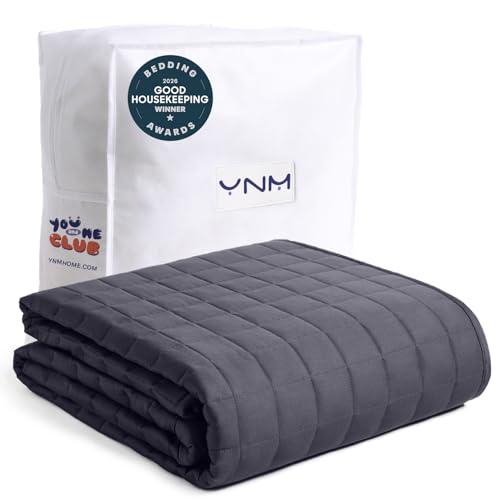
YnM 15lbs Weighted Blanket for Adults, 48x72 Inches, Dark Grey
Wide range of colors and sizes with weights from 5 to 50 lb
View Today's Price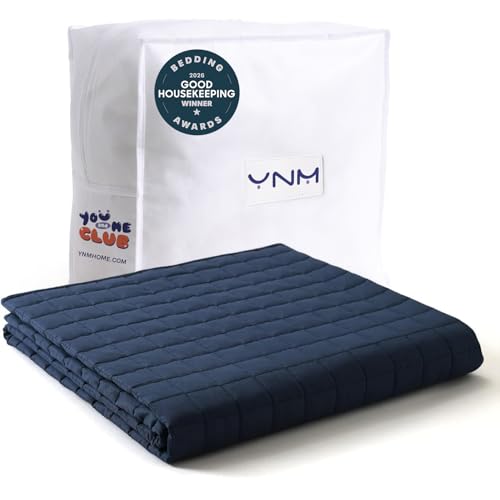
YnM Exclusive Weighted Blanket, Soothing Cotton, Smallest Compartments with
Budget‑friendly cotton blanket with glass bead and fiber fill
View Today's PriceHow to Choose the Right Weighted Blankets
Choosing the right weighted blanket depends on your body weight, fabric preference, temperature needs, and care habits—trade-offs that shift based on your sleep style and climate. A feature that’s perfect for one user, like plush warmth, can be a dealbreaker for another who overheats. Our recommendation engine evaluates your specific needs across five key dimensions and matches you to the right weighted blanket in under 60 seconds.
About this guide
Weighted Blankets
Why Weighted Blanket Shopping Gets Tricky Fast
Weighted blankets seem simple, but the choices quickly get overwhelming. The real challenge isn’t just picking a weight—though experts are adamant: aim for 10% of your body weight (so a 68kg person should target a 6.8kg weighted blanket). Most buyers get this wrong, going lighter for comfort and missing out on the real sleep benefits that weighted blankets can provide. Materials matter just as much: cotton shells and open-knit weighted blankets (like Bearaby’s Napper) help hot sleepers, while plush velvets and sherpa fabrics crank up the warmth for winter. Construction is critical—baffle-box stitching keeps glass or plastic microbeads evenly distributed in weighted blankets, preventing clumps that drive you crazy after a few washes. Price tiers are real: expect £80–£120 for solid mid-range weighted blankets, but the best-reviewed models like the Oodie Classic Weighted Blanket (scoring 98/100 in 2026 Good Housekeeping tests) run £100–£150 and sell out fast. Most buyers overlook breathability in weighted blankets and end up with a blanket that’s too hot, or pick the wrong size for their bed, leaving them frustrated. The real trick is balancing weight, fabric, and care needs in weighted blankets—ignore any of these, and you’ll regret it.
What Actually Sets Weighted Blankets Apart
Not all weighted blankets deliver the same experience, even if they look similar. The biggest differentiators among weighted blankets are weight distribution (baffle-box vs. stitched channels), fabric type, and fill material. For example, Oodie’s baffle-box construction keeps beads from shifting in their weighted blankets, while budget brands often skip this and end up lumpy. Breathability is a make-or-break factor: open-knit weighted blankets like Bearaby use thick yarn instead of beads, creating airflow for people who overheat—skip these weighted blankets if you want maximum warmth, but they’re a lifesaver for hot sleepers. Glass beads in weighted blankets feel smoother and quieter than plastic, and OEKO-TEX certification means you’re not sleeping with questionable chemicals. Bamboo and lyocell covers on weighted blankets wick moisture for cooling, while plush or minky fabrics trap heat for a cozier feel. Don’t get distracted by electric heated throws unless you want year-round warmth—most buyers do better with a classic weighted blanket design. Skip “cooling” weighted blankets unless you genuinely sleep hot; otherwise, you’ll sacrifice some of the snuggly weight. The bottom line: prioritize baffle-box construction, the right weight (don’t underdose!), and a fabric that matches your sleep style when choosing weighted blankets.
How to Balance Weight, Fabric, and Care for Your Best Match
Choosing a weighted blanket is all about trade-offs: room temperature, washing habits, and personal comfort all interact. If you’re a hot sleeper, a cotton or bamboo shell on weighted blankets is non-negotiable—polyester or dense fills will leave you sweating. If you want to toss your weighted blanket in the wash, look for machine-washable weighted blankets or at least a removable cover; premium velvet and heated weighted blankets often require spot cleaning, which frustrates buyers who expect easy care. Bed size matters too: if you toss and turn or share with a partner, go up a size in weighted blankets for extra drape. Budget shapes your weighted blanket options—under £100 means fewer size and fabric choices, while £150+ gets you premium weighted blankets like Oodie or Sleep Number’s True Temp. Our quiz weighs your primary use, fabric feel, weight intensity, care preference, and temperature needs to match you with the right weighted blanket shortlist. But the real secret? Don’t compromise on weight or construction in weighted blankets just to save a few pounds—clumping and overheating are the top complaints for a reason. Think through your sleep habits honestly, and you’ll avoid the most common regrets with weighted blankets.
Buyer's guide
How to choose
1Core Performance Criteria
- Always choose a blanket that’s about 10% of your body weight; lighter options won’t deliver the deep pressure benefits most people seek.
- Prioritize baffle-box or grid stitching to keep glass or plastic beads evenly distributed, which prevents uncomfortable clumping after washing.
- Glass beads provide a smoother, quieter feel than plastic, especially in premium models like Oodie and Baloo, and won’t shift as much over time.
- Breathability is crucial for hot sleepers—cotton shells or open-knit designs like Bearaby Napper allow airflow and reduce overheating.
- Weighted blankets with bamboo or lyocell covers wick moisture away, making them ideal for those who sweat at night or live in warmer climates.
- If you toss and turn, choose a blanket that drapes over the sides of your bed for consistent coverage and pressure throughout the night.
2Build Quality and Durability
- Look for OEKO-TEX certified fabrics to ensure chemical safety and long-term durability, especially if you have sensitive skin or allergies.
- Premium options like Oodie score higher for quality, with reinforced seams and strong baffle-box construction that withstands frequent use and washing.
- Avoid budget blankets under £80 that use thin shells or minimal stitching, as these are prone to bead leakage and rapid wear.
- Check for double-stitched edges and strong corner loops if you plan to use a duvet cover, which helps prevent shifting and tearing.
- Bearaby’s open-knit design skips beads entirely, relying on thick, durable yarn—ideal for those who want longevity without worrying about filler clumping.
- Removable covers add a layer of protection and extend the life of your blanket, especially if you have pets or kids in the home.
3Value Analysis and Pricing
- The best value lies in the £100–£150 range, where you get even weight distribution, premium fabrics, and durable construction without overpaying.
- Top-scoring models like the Oodie Classic Weighted Blanket justify their price with superior comfort and long-term durability, often selling out quickly.
- Beware of secondary market markups—high demand can inflate prices by 20–30% if you miss restocks, so sign up for alerts from reputable brands.
- Budget options under £80 often compromise on baffle-box construction and fabric quality, leading to clumping and reduced lifespan.
- Cooling or bamboo models trend 10–15% higher in price, but may be worth it for hot sleepers who need moisture-wicking performance.
- Don’t pay extra for electric heated throws unless you specifically want year-round warmth; most buyers are happier with a classic weighted option.
4Use-Case Fit and Personalization
- If your main goal is anxiety relief or deeper sleep, stick to classic weighted designs with glass bead fill and breathable cotton shells.
- Hot sleepers should look for bamboo, lyocell, or open-knit options like Bearaby, which offer superior airflow compared to plush or minky fabrics.
- For lounging or reading, plush or bubble-textured blankets like Lola provide extra coziness, but may be too warm for overnight use.
- Kids and smaller adults need lighter weights (4.5–6.8kg) and smaller sizes for safety and comfort—never size up just for coverage.
- Couples or restless sleepers should choose larger sizes that drape over the mattress, ensuring both people get consistent pressure and coverage.
- If you want easy care, prioritize machine-washable blankets or those with removable covers; premium velvet and heated models require more maintenance.
5Common Mistakes and Pitfalls
- Picking a blanket lighter than 10% of your body weight reduces the calming effect and often leads to disappointment in sleep quality.
- Ignoring breathability leads to overheating—polyester fills and dense plush fabrics trap heat, which is the top complaint among hot sleepers.
- Overlooking construction details like baffle-box stitching results in bead clumping and uneven weight distribution after a few washes.
- Buying the wrong size for your bed leaves you with poor coverage—always measure before purchasing, especially if you toss and turn.
- Assuming all blankets are machine washable is a mistake; many premium models require spot or dry cleaning, which frustrates buyers expecting easy care.
- Waiting too long to buy top models like Oodie can mean paying inflated prices or missing out entirely due to frequent sell-outs.
6Maintenance, Care, and Longevity
- Machine-washable blankets are the easiest to maintain, but always use a large-capacity washer and gentle cycle to prevent damage.
- Removable covers simplify cleaning and protect the inner blanket from sweat, spills, and pet hair, extending its usable life.
- Premium velvet or heated models often require spot cleaning or dry cleaning, which adds ongoing maintenance costs and effort.
- Avoid wringing or twisting your blanket during washing—this can break stitching or shift the fill, reducing comfort and lifespan.
- Air dry your blanket flat whenever possible to prevent internal beads from settling unevenly and to maintain the blanket’s original shape.
- Check for loose threads or leaking beads after each wash, addressing small repairs early to prevent bigger durability issues over time.
FAQ
Frequently asked questions
Is it worth paying extra for a premium weighted blanket like Oodie?
Yes, premium models like the Oodie Classic Weighted Blanket consistently score highest in 2026 expert tests for comfort, even weight distribution, and durability. While the price is higher (£100–£150), you get baffle-box construction, OEKO-TEX certified fabrics, and reinforced stitching that outlasts cheaper options. Cheaper blankets often develop clumps or lose their shape within a year, so the investment pays off in long-term comfort and fewer replacements.
How does a Bearaby knit weighted blanket compare to a classic glass bead model?
Bearaby’s open-knit blankets use thick yarn for weight instead of beads, offering superior airflow and breathability—ideal for hot sleepers or those who dislike the feel of beads. However, they don’t provide the same dense, hugging pressure as a glass bead model like Oodie or Baloo. If you prioritize cooling and a softer, more flexible feel, Bearaby is a great choice. For maximum deep pressure therapy, stick with a classic glass bead design.
What weight should I choose for my body size?
Experts recommend selecting a blanket that’s approximately 10% of your body weight for optimal benefits. For example, if you weigh 68kg (150lb), choose a 6.8kg (15lb) blanket. Lighter blankets won’t provide enough deep pressure stimulation, while heavier ones can feel restrictive or uncomfortable. Most brands offer sizes in 4.5kg, 6.8kg, and 9kg increments, so pick the closest match to your weight for the best results.
Are cooling weighted blankets effective for hot sleepers?
Cooling weighted blankets with bamboo or lyocell covers are effective at wicking moisture and increasing breathability, making them a smart pick for hot sleepers. Models like the Sleep Number True Temp Blanket are specifically designed for this purpose, though they typically cost 10–15% more than standard options. Avoid plush or minky fabrics if you overheat easily, as they trap heat and can make you uncomfortable during warmer months.
Can I machine wash any weighted blanket?
Not all weighted blankets are fully machine washable. Some, like Luna and Hypnoser, are designed for whole-blanket washing, while others feature removable covers for easier care. Premium velvet or heated models often require spot or dry cleaning due to delicate fabrics or electrical components. Always check the care label before washing, and use a large-capacity washer on a gentle cycle to avoid damaging the stitching or fill.
Do weighted blankets help with anxiety or restless legs?
Weighted blankets are widely recommended for anxiety relief and calming restless legs, thanks to their deep pressure stimulation. Studies and user reviews report improved sleep quality and relaxation, especially when the weight matches 10% of your body weight. While not a medical cure, many users find significant comfort and better rest when using models like Oodie or Baloo, which provide even pressure and soft fabrics.
What’s the difference between Luna, YNM, and Baloo weighted blankets?
Luna offers budget-friendly cotton blankets with glass bead and fiber fill, and is fully machine washable—great for easy care. YNM stands out for its wide range of weights (10–30lb) and sizes, making it easy to find a precise fit. Baloo uses OEKO-TEX certified cotton shells and seven-layer designs for durability, with a focus on chemical safety and even weight distribution. All three are solid picks, but Baloo is best for premium build and Luna for affordability.
Best Weighted Blankets By Category
Related Guides
Alarm Clocks
Matched to your sleep style, wake-up difficulty, power source, and must-have features—get the alarm clock that actually works for you.
Bar Carts
Style, storage, material, and budget—get matched to the bar cart that fits your space and entertaining style perfectly.
Bidet Toilet Seats
Comfort, hygiene, controls, and installation—get matched to the bidet seat that fits your home, habits, and budget.
Blackout Blinds
Room use, blackout level, window size, color, and budget—get matched to the right blackout blind for your space.
Blackout Curtains
Window size, blackout level, hanging style, and color—matched to your sleep, decor, and energy-saving goals.