Skip the research trap. Get your solar panels in 60 seconds.
We scored 250+ solar panels across 5 dimensions — answer 5 quick questions and we'll match you to YOUR best pick.
Powered by DecisionScore™
Each product is evaluated across 18 weighted criteria — covering performance, value, build quality, and real-world usability. Your quiz answers re-weight the criteria to match what matters most to you, so two people can get different #1 picks from the same data.
See the DecisionScore methodology →- 23% monocrystalline efficiency with ETFE lamination
- IP65 splash-proof rating
- USB-C (5V/3A) and USB-A (5V/2.4A) direct outputs
Find your perfect solar panels
5 quick questions. No quiz-takes-10-minutes trap. A personalized match from 21 scored picks — with clear reasoning for every recommendation.
What is the total wattage of the solar panel kit?
The total wattage of a solar panel kit determines how much electricity it can generate. Higher wattage kits are suitable for larger energy needs, while lower wattage kits are ideal for smaller applications.
- Portable panels fold up for easy transport and are ideal for camping, tailgating, or emergency use.
- Flexible panels are best for curved surfaces like RV roofs or boat decks, offering a low-profile, semi-permanent install.
- Solar panel kits include everything you need—panels, controller, cables—making them perfect for first-timers or off-grid setups.
As an Amazon Associate and affiliate partner we earn from qualifying purchases. Links on this page may earn us a commission at no extra cost to you. Full disclosure
Not ready for the quiz? Here are our overall top picks
These are our top-rated picks overall. For a recommendation matched to YOUR specific needs,
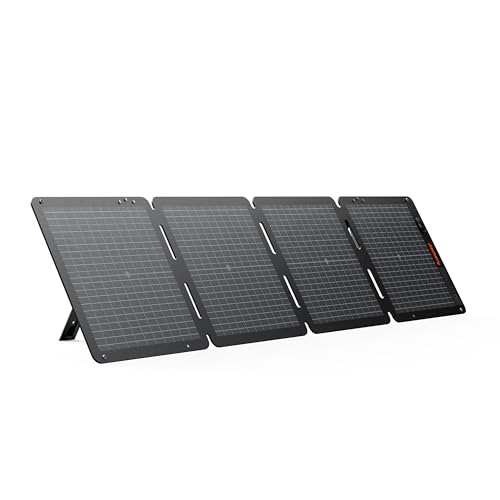
Jackery SolarSaga 100W Air Solar Panel, 23% Conversion
23% monocrystalline efficiency with ETFE lamination
View Today's Price
DOKIO 200W Portable
9.7 lbs, folds to compact 20×27×1.1 inches
View Today's Price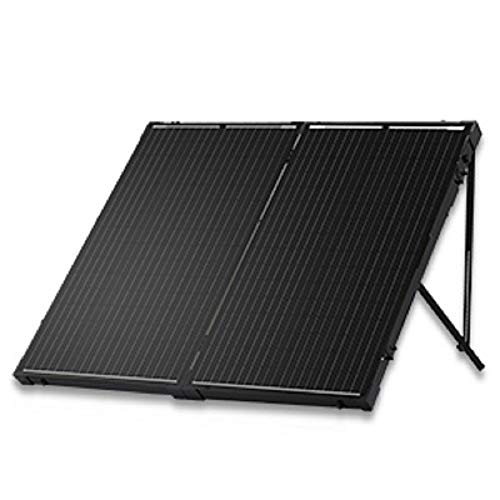
Renogy 200W Portable Solar Panel, 25% High
Plug-and-play 200W suitcase with 20A controller and alligator clips
View Today's PriceHow to Choose the Right Solar Panels
Choosing the right solar panel depends on your use case, wattage needs, charging setup, and budget—factors that interact and shift based on your environment and devices. A panel perfect for camping is wrong for RV roof installs, and budget constraints change which features are realistic. Generic top-10 lists miss these nuances. Our recommendation engine evaluates your specific situation across five key dimensions and matches you to the ideal solar panel in under 60 seconds.
About this guide
Solar Panels
The Real Buying Challenge: Specs, Trade-Offs, and Price Tiers
Buying solar panels in 2026 is more nuanced than most shoppers realize. The core challenge is balancing solar panel efficiency, portability, and price—each with real trade-offs. For example, a 100W portable solar panel from Renogy or Jackery might cost under $150 and is perfect for charging small devices or a power station on a weekend camping trip, but it simply won’t keep up with the demands of van life or emergency home backup. On the other hand, 400W solar panel kits from brands like EcoFlow or Renogy, priced between $400 and $600, deliver serious off-grid power but add bulk and require more installation effort. Efficiency is another make-or-break factor: top-tier monocrystalline N-Type and bifacial solar panels now hit 23–25% conversion, which means you get more power from less surface area. Yet, many buyers still get tripped up by marketing claims, overlooking the importance of real-world solar panel performance in partial shade or cloudy weather. IP65 waterproofing is the bare minimum for solar panels, but if you’re mounting on a boat or expect harsh conditions, IP68-rated solar panels are the only safe bet. Most people underestimate the importance of compatibility—buying solar panels that don’t match their power station or battery bank, or forgetting to factor in the need for a charge controller. The biggest mistake? Overpaying for solar panel wattage or features you’ll never use, or buying too small and running out of juice when it matters most.
What Separates the Options: Technologies, Features, and Real Performance
The real differentiators among solar panels in 2026 are not just wattage or price, but the underlying cell technology, form factor, and included accessories. Monocrystalline N-Type and bifacial solar panels, now standard in top models from Renogy, EcoFlow, and Jackery, outperform older polycrystalline solar panels—skip poly unless you’re truly constrained by budget. Foldable suitcase-style solar panels with integrated kickstands, like those from Jackery and EcoFlow, are a significant upgrade for campers who need quick setup and optimal sun angle. Flexible solar panels from BougeRV and Callsun are the only real choice if you’re mounting on a curved RV roof or boat hull—rigid solar panels simply won’t conform or last in these scenarios. Kits that bundle a charge controller, cables, and mounting hardware, such as Renogy’s 400W Starter Kit, simplify setup for off-grid newbies and ensure solar panel system compatibility. Don’t get distracted by flashy features like built-in USB ports unless you’ll use them—what matters more is robust waterproofing (IP65 minimum, IP68 ideal), warranty length (look for at least 2–5 years), and proven compatibility with your power station or battery bank. Skip high-wattage solar panels if you only need to charge phones and lights; but if you’re running a fridge or powering an RV, 200–400W solar panels are non-negotiable. In short: prioritize solar panel cell efficiency and real-world durability over marketing extras, and always check connector compatibility before you buy.
Decision Factors and How to Choose: Matching Specs to Your Real Needs
Choosing the right solar panel is all about matching your actual use case to the right form factor, wattage, and feature set. For example, if you’re camping or hiking, weight and portability will trump everything else—look for 100–200W foldable solar panels with integrated handles and kickstands. If you’re outfitting an RV or boat, flexible solar panels that conform to curved surfaces and offer IP68 waterproofing are essential, while home backup needs prioritize total solar panel wattage and robust mounting. Your charging needs directly affect which connectors and controllers you’ll require—charging a Jackery or EcoFlow power station is plug-and-play with the right MC4 or Anderson connectors, but charging a 12V battery bank means you’ll need a solar panel with a quality charge controller included. Budget is the final constraint: under $150 gets you a solid entry-level solar panel or kit, but expect to spend $200–$600 for reliable 200–400W solar panel setups from top brands. Our quiz evaluates your use case, solar panel wattage needs, location, charging setup, and budget in seconds. The smartest approach is to start with your real power needs, then work backward to the right solar panel type and bundle—don’t let flashy specs or bargain prices distract you from what you’ll actually use. Remember: the best solar panel is the one that fits your setup, delivers enough power, and will last for years in your actual conditions.
Buyer's guide
How to choose
1Core Performance Criteria
- Aim for 23–25% efficiency using monocrystalline N-Type or bifacial cells, as found in Renogy and EcoFlow’s top panels for maximum output per square foot.
- Choose wattage based on your real needs: 100W for light charging, 200W for balanced use, and 400W for RVs, boats, or home backup situations.
- Check real-world performance in partial shade or cloudy conditions, since some panels drop off sharply outside ideal sunlight.
- Look for integrated kickstands or adjustable mounts, which allow you to optimize sun angle and maximize daily energy yield.
- Verify the panel’s voltage and output connectors match your power station, battery bank, or devices—MC4 and Anderson are most common for portable use.
- Don’t be swayed by built-in USB ports or flashy displays unless you truly need them, as these rarely impact core charging performance.
2Build Quality and Durability
- Prioritize panels with at least an IP65 waterproof rating, but opt for IP68 if you expect rain, snow, or marine exposure.
- Rigid panels offer the best long-term durability for fixed installations, while flexible panels from BougeRV or Callsun excel on curved surfaces.
- Check for reinforced corners, sturdy frames, and UV-resistant materials—these features extend lifespan, especially for panels left outside year-round.
- Foldable suitcase-style panels should have robust hinges and latches to withstand frequent setup and transport without cracking or loosening.
- Warranty length matters: look for at least 2 years, with 5 years preferred on premium models from Renogy or EcoFlow.
- Avoid ultra-light, no-name panels with minimal enclosure protection, as these often fail after a single season of real-world use.
3Value Analysis and Price Tiers
- Entry-level 100W panels and starter kits under $150 are great for occasional camping or device charging but lack the power for extended off-grid use.
- The $200–$350 range is the sweet spot for most campers and RVers, offering 200W panels or kits with quality controllers and mounting hardware.
- Premium setups ($350–$600) buy you 300–400W panels, advanced MPPT controllers, and longer warranties—ideal for van life, boats, or home backup.
- Don’t overpay for wattage you’ll never use; match your purchase to your actual daily power consumption.
- Bundled kits often save money versus buying panels, controllers, and cables separately, while ensuring compatibility and easier setup.
- Beware of cheap panels with inflated wattage claims—stick to established brands like Renogy, Jackery, EcoFlow, and BougeRV for reliable specs.
4Use-Case Fit and Compatibility
- Portable foldable panels are best for camping, hiking, and tailgating, where weight and quick setup matter most.
- Flexible panels excel for RVs, vans, and boats, conforming to curved roofs and offering a sleek, low-profile install.
- Rigid panels are ideal for permanent home backup or fixed off-grid installations, delivering maximum durability and weather resistance.
- Solar panel kits with charge controllers and cables simplify setup for beginners and reduce risk of compatibility issues.
- Always confirm connector types (MC4, Anderson, SAE) match your power station or battery bank before purchasing.
- If you plan to charge multiple device types, look for panels with multiple outputs or modular kits that expand as your needs grow.
5Common Mistakes and Pitfalls
- Buying a panel that’s too small for your needs leads to frustration—calculate your daily watt-hour usage before choosing a wattage.
- Ignoring waterproofing ratings can result in expensive failures after the first rainstorm or exposure to harsh environments.
- Assuming all panels are compatible with every power station or battery bank—connector mismatches are a top cause of returns.
- Overpaying for flashy features like LCD displays or built-in USB ports that add little value for most users.
- Skipping the charge controller in 12V battery setups risks damaging your batteries and voiding warranties.
- Trusting inflated wattage or efficiency claims from unknown brands often results in disappointment and poor real-world performance.
6Maintenance and Longevity
- Keep panel surfaces clean and free of dust or debris to maintain maximum efficiency, especially for portable and foldable models.
- Check hinges, latches, and wiring on suitcase-style panels regularly to prevent wear and tear from repeated setup and transport.
- Inspect flexible panels for micro-cracks or delamination, particularly after hail or heavy wind events.
- Store portable panels in a dry, protected case when not in use to extend lifespan and prevent accidental damage.
- Monitor charge controller performance and replace if you notice inconsistent charging or voltage drops over time.
- Stick with brands offering multi-year warranties and responsive support, as this is a strong indicator of long-term reliability.
FAQ
Frequently asked questions
Is it worth paying extra for monocrystalline N-Type or bifacial panels?
Yes, paying extra for monocrystalline N-Type or bifacial panels is often justified in 2026. These panels, found in top models from Renogy, EcoFlow, and Jackery, deliver 23–25% efficiency, meaning more power from less surface area. They also perform better in partial shade and cloudy conditions. If you’re tight on space or need reliable output for RV, van, or home backup, the higher upfront cost pays off in better real-world performance and longer lifespan. For occasional camping, budget polycrystalline may suffice, but most users benefit from the upgrade.
How does Renogy compare to Jackery and EcoFlow for portable solar panels?
Renogy, Jackery, and EcoFlow all make excellent portable solar panels, but each has strengths. Renogy is known for robust kits and flexible options, ideal for RVs and permanent installs. Jackery’s suitcase-style panels are user-friendly and highly portable, great for camping and quick setups. EcoFlow excels in high-efficiency, premium panels with integrated kickstands and seamless compatibility with their power stations. For pure value and modularity, Renogy leads; for plug-and-play convenience, Jackery or EcoFlow are hard to beat. Match the brand to your use case and preferred setup style.
What wattage solar panel do I need for van life or RV use?
For van life or RV use, 200W is the minimum recommended wattage, with 300–400W preferred if you plan to run a fridge, lights, fans, or charge laptops regularly. A 200W setup covers basic needs for weekend trips, while 400W provides enough margin for extended off-grid living. Brands like Renogy and BougeRV offer reliable kits in these ranges. Always calculate your daily watt-hour usage and factor in cloudy days—undersizing your system is the most common regret among RVers upgrading their solar in 2026.
Are flexible solar panels durable enough for marine or RV roof installations?
Quality flexible panels from brands like Renogy, BougeRV, and Callsun are engineered for curved surfaces and harsh environments, with IP68 waterproof ratings and UV-resistant materials. They’re ideal for marine and RV roof installs where rigid panels won’t fit. However, flexible panels can be more prone to micro-cracking if walked on or improperly mounted. Expect 5+ years of service from reputable brands, but avoid ultra-cheap, no-name panels as they often fail early. Always check warranty terms and inspect regularly for delamination or wear.
Do I need a charge controller for my solar panel setup?
If you’re charging a 12V battery bank (common in RV, boat, or off-grid setups), a charge controller is essential to prevent overcharging and battery damage. Many solar panel kits from Renogy and EcoFlow include a PWM or MPPT controller, ensuring safe and efficient charging. If you’re only charging a portable power station from Jackery, Bluetti, or EcoFlow, most have built-in controllers—just confirm connector compatibility. Skipping the controller is a top cause of battery failure and voided warranties in 2026.
What’s the difference between IP65 and IP68 waterproof ratings for solar panels?
IP65 means the panel is protected against water jets and dust, suitable for most outdoor use but not full immersion. IP68, found on premium models from BougeRV and Callsun, guarantees protection against prolonged water immersion and is ideal for marine, boat, or extreme weather installs. If your panel will face heavy rain, snow, or saltwater spray, IP68 is worth the upgrade. For casual camping or fixed home use, IP65 is typically sufficient. Always match the rating to your expected environment.
Can I mix and match solar panels and power stations from different brands?
You can often mix and match panels and power stations, but compatibility isn’t guaranteed. Check that your panel’s voltage and connectors (MC4, Anderson, or proprietary) match your power station’s input. Brands like EcoFlow and Jackery offer adapters, but not all combinations work seamlessly. Using a panel with the wrong voltage or connector can damage your equipment or void warranties. When in doubt, buy a kit or stick to the same brand for plug-and-play reliability, especially if you’re new to solar setups.
Best Solar Panels By Category
Related Guides
Extra Batteries
Battery size, device type, chemistry, pack count, and budget—get matched to the best extra batteries for your real-world needs.
Portable Car Jump Starters
Engine size, feature extras, portability, and charging tech—get matched to the jump starter that actually fits your car and lifestyle.
Portable Generators
Power needs, fuel type, portability, and safety—get matched to the best generator for your backup, camping, or job site use.
Portable Power Stations
Matched to your power needs, runtime priorities, battery type, solar charging, and expandability—no more guessing or generic lists.
Power Stations
Capacity, battery chemistry, solar input, and price—get matched to the right portable power station for camping, backup, or travel.