Best Water Filtration Systems for Clean, Great-Tasting Water
We scored 350+ water filtration systems across 5 dimensions — answer 5 quick questions and we'll match you to YOUR best pick.
Powered by DecisionScore™
Each product is evaluated across 18 weighted criteria — covering performance, value, build quality, and real-world usability. Your quiz answers re-weight the criteria to match what matters most to you, so two people can get different #1 picks from the same data.
See the DecisionScore methodology →- Reduces 90%+ chlorine, chloramine & synthetic chemicals
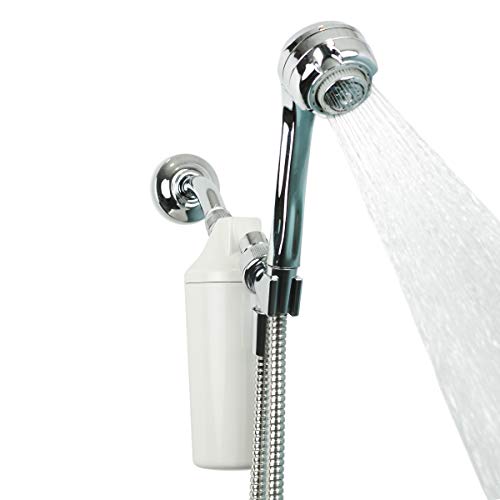
- Includes adjustable handheld wand with 5-foot hose
- Filter lasts 10,000 gallons (~6 months)
Find your perfect water filtration systems
5 quick questions. No quiz-takes-10-minutes trap. A personalized match from 34 scored picks — with clear reasoning for every recommendation.
What is your primary water source?
Knowing your water source helps narrow down which filtration technology is best suited for your specific contaminant profile.
- City water is usually treated for bacteria but may have chlorine, lead, or PFAS from pipes.
- Well water can contain iron, bacteria, and heavy metals—consider multi-stage or UV filtration.
- If you’re unsure, check your local water quality report or test with an at-home kit.
As an Amazon Associate and affiliate partner we earn from qualifying purchases. Links on this page may earn us a commission at no extra cost to you. Full disclosure
Not ready for the quiz? Here are our overall top picks
These are our top-rated picks overall. For a recommendation matched to YOUR specific needs,
Aquasana Shower Filter | Chrome Handheld Wand 3-Setting Head | AQ-4105CHR-E
Reduces 90%+ chlorine, chloramine & synthetic chemicals
View Today's Price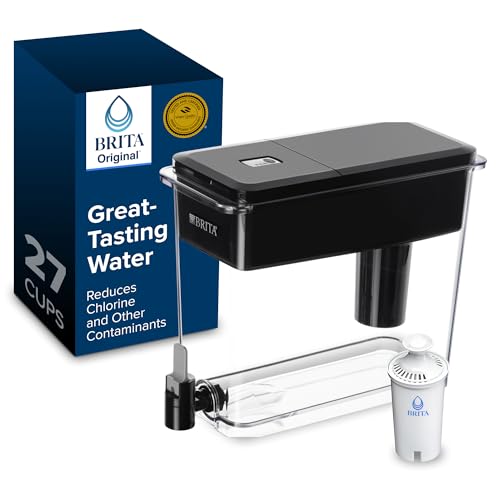
Brita X-Large 27 Cup Water Dispenser, Includes 1 Filter, Black | WQA and
27-cup large capacity dispenser — ideal for families
View Today's Price
LifeStraw Home BPA-Free Water Filter Pitcher, 10-Cup, White | Plastic Water
Hollow-fiber membrane + activated carbon + ion exchange
View Today's PriceHow to Choose the Right Water Filtration Systems
Choosing the right water filtration system depends on your water source, living situation, contaminant concerns, and budget—trade-offs that shift based on your unique household variables. A feature that’s perfect for city water may be inadequate for well water, and installation requirements can rule out entire categories for renters. Our recommendation engine evaluates your specific needs across five dimensions and matches you to the right system in under 60 seconds.
About this guide
Water Filtration Systems
The Real Buying Challenge: Specs, Trade-Offs, and What Most Get Wrong
Choosing water filtration systems in 2026 is trickier than it appears. Most buyers underestimate the trade-offs between convenience, contaminant coverage, and long-term costs when comparing water filtration systems. For instance, a $50 Brita or PUR pitcher filter is easy to use and install—ideal for renters or those on a tight budget—but these water filtration systems won’t touch contaminants like lead, PFAS, or fluoride. On the other hand, a $250 under-sink reverse osmosis (RO) system like the APEC ROES-50 or Waterdrop G3P800 removes up to 99% of nearly everything, but these water filtration systems demand installation and space under your sink. Many shoppers obsess over filter price, yet ignore annual replacement costs, which can double the real cost of a “cheap” water filtration system over three years. Another common mistake: assuming all certifications for water filtration systems are equal. Only NSF/ANSI 42, 53, 58, and 401 verify removal claims for chlorine, lead, pharmaceuticals, and emerging contaminants. Finally, tankless RO water filtration systems are now available—compact, fast, and less wasteful than old tank designs—but they cost more upfront. The bottom line: every spec, from filter life to contaminant coverage, has a direct impact on your water quality and wallet for water filtration systems.
What Separates the Options: Technologies, Brands, and Real Performance Differences
Not all water filtration systems are created equal—technology and brand matter more than most realize. Reverse osmosis (RO) water filtration systems, such as the AquaTru countertop unit and the under-sink iSpring RCC7AK-UV, offer the broadest contaminant removal, including lead, PFAS, fluoride, and even pharmaceuticals. If you only care about taste and odor, skip the complexity and go for an NSF 42-certified pitcher water filtration system from Brita or ZeroWater. But if your concern is lead or PFAS, only NSF 53 or 401-certified water filtration systems—like certain PUR or ZeroWater models—are proven to remove these. Tankless RO water filtration systems, such as the Waterdrop G3P800, are a leap forward: they take up less space, offer faster flow, and waste less water compared to traditional tank-based water filtration systems. However, don’t pay extra for remineralization stages unless you dislike the flat taste of pure RO water. Brands like APEC, Waterdrop, and iSpring consistently outperform generic water filtration systems in both lab tests and reliability. Skip faucet-mount water filtration systems unless you’re absolutely constrained on space—they rarely match the contaminant removal of under-sink or countertop water filtration systems. Always prioritize NSF/ANSI certifications over marketing claims when evaluating water filtration systems.
Decision Factors and How to Choose: Matching System to Situation
Your choice of water filtration systems should be shaped by your water source, living situation, household size, and specific contaminant concerns. For example, well water often requires more robust water filtration systems (like RO with UV) due to bacteria or heavy metals, while city water is mostly about chlorine, lead, and PFAS. Renters or those unwilling to drill should stick to pitcher or countertop water filtration systems, while homeowners can maximize value with under-sink RO water filtration systems. A family of five will quickly outgrow a basic pitcher—look for water filtration systems with higher flow rates and larger filter capacity. Budget also constrains what’s realistic: under $75, expect basic carbon water filtration systems; $175–$300 opens up advanced RO and tankless water filtration systems. Our quiz evaluates all these factors—source, installation, household size, contaminant priorities, and budget—in one go to help you find the right water filtration systems. Don’t just chase the highest filter rating; make sure the water filtration system fits your space, usage, and installation constraints. And always check for replacement filter availability and cost before you buy—some imported water filtration systems make it nearly impossible to find filters after a year.
Buyer's guide
How to choose
1Core Performance Criteria
- Reverse osmosis systems like the APEC ROES-50 and Waterdrop G3P800 remove up to 99% of contaminants, including lead, PFAS, fluoride, and pharmaceuticals.
- NSF/ANSI certifications matter—NSF 42 covers chlorine and taste, NSF 53 targets health contaminants, NSF 58 is for RO, and NSF 401 covers emerging compounds.
- Pitcher filters such as Brita and ZeroWater are effective for chlorine and taste but are limited against heavy metals and PFAS unless specifically certified.
- Tankless RO systems offer higher flow rates and less water waste compared to traditional tank-based RO units, making them ideal for busy kitchens.
- Filter lifespan varies widely: pitcher filters last 2–3 months, while under-sink RO filters can last 6–24 months depending on water quality and usage.
- Always check the pure-to-drain water ratio—modern tankless RO systems achieve 2:1 or better, wasting far less water than older models.
2Build Quality and Durability
- Brands like APEC, Waterdrop, and iSpring consistently deliver better build quality and longer-lasting components than most generic or off-brand systems.
- Stainless steel tanks and metal fittings in under-sink systems resist leaks and corrosion far better than plastic-heavy budget models.
- Countertop RO units like AquaTru use robust internal pumps and quality seals, but require regular cleaning to prevent mold or scale buildup.
- Pitcher filters are prone to cracking if dropped, and their lids often loosen over time—Brita and ZeroWater have improved designs but still require care.
- Replacement filter availability is crucial; established brands maintain filter supply for years, while lesser-known brands may discontinue support unexpectedly.
- NSF/ANSI-certified products undergo durability testing, but always read consumer reviews for real-world feedback on leaks, clogs, and filter lifespan.
3Value Analysis
- Initial purchase price is only part of the equation; calculate annual filter replacement costs, which can exceed the original price over three years.
- Pitcher filters under $75 are affordable upfront, but frequent cartridge changes can make them more expensive than a $200 RO system in the long run.
- Under-sink RO systems like Waterdrop G3P800 and APEC ROES-50 offer the best value per gallon for families, especially when filter life exceeds 12 months.
- Countertop RO units cost more up front but require no installation, making them cost-effective for renters or those unwilling to modify plumbing.
- Tankless RO systems save on water bills by wasting less water, which adds up over years of daily use compared to tank-based designs.
- Always factor in the cost and availability of replacement filters—some “bargain” brands lock you into expensive or hard-to-find cartridges.
4Use-Case Fit
- Renters or those in apartments should prioritize pitcher filters or countertop RO units like AquaTru, which require zero permanent installation.
- Large families (5+ people) will quickly outpace the capacity of pitcher filters—an under-sink or tankless RO system is a better fit.
- Well water users often need multi-stage filtration, including UV, to address bacteria and heavy metals—look for systems like the iSpring RCC7AK-UV.
- If your main concern is chlorine taste, an NSF 42-certified Brita or PUR pitcher is sufficient and more convenient than installing an RO system.
- Homeowners willing to install under-sink systems get the best long-term value and contaminant coverage, especially with dedicated drinking water faucets.
- If space is limited, a tankless RO system like Waterdrop G3P800 provides high flow and compact installation compared to bulky tank-based models.
5Common Mistakes
- Assuming all filters remove lead or PFAS—only NSF 53 or 401-certified models like certain ZeroWater or PUR filters are proven effective.
- Ignoring ongoing filter replacement costs, which can double the total cost of ownership over three years, especially for pitcher-style systems.
- Buying a system based on upfront price alone without checking for replacement filter availability, leading to frustration when cartridges are discontinued.
- Overestimating the capacity of pitcher filters for large households, resulting in constant refilling and premature filter exhaustion.
- Failing to match the filter technology to your actual water source—well water often needs more robust filtration than city tap water.
- Trusting marketing claims over independent NSF/ANSI certification—always verify the exact standards a product is certified for before buying.
6Maintenance and Longevity
- Pitcher filters require replacement every 2–3 months; ignoring this leads to reduced performance and possible bacterial growth in stagnant water.
- Under-sink RO systems need annual filter changes and periodic sanitizing of tanks and lines to prevent biofilm and maintain water purity.
- Countertop RO units like AquaTru require regular cleaning of water tanks and internal tubing to prevent scale and mold buildup.
- Tankless RO systems have fewer parts to maintain, but their filters are often proprietary—ensure you can source replacements for several years.
- Always flush new filters according to manufacturer instructions to remove carbon fines and ensure optimal performance from day one.
- Track filter replacement dates with a calendar or app—many systems lack reminders, and overdue filters compromise both water quality and flow.
FAQ
Frequently asked questions
Is a reverse osmosis (RO) system worth the higher upfront cost?
Yes, for most households concerned with broad contaminant removal, an RO system is worth it. They remove up to 99% of lead, PFAS, fluoride, and pharmaceuticals—far more than pitcher filters. While a quality under-sink RO like the APEC ROES-50 or Waterdrop G3P800 costs $175–$300 upfront, annual filter costs are reasonable and the per-gallon price drops dramatically for families. If you only care about chlorine taste, a pitcher is fine, but for health-related contaminants, RO is the clear winner.
How does Brita compare to ZeroWater for pitcher filters?
Brita is the go-to for basic chlorine and taste removal, with affordable filters and wide availability. ZeroWater, on the other hand, uses a five-stage ion exchange process and is NSF 53 and 401 certified for lead and PFAS removal—something Brita can’t match. ZeroWater pitchers include a TDS meter so you can track filter performance. The trade-off: ZeroWater filters cost more and need more frequent replacement, but they’re the better choice if you’re worried about heavy metals or emerging contaminants.
What certifications should I look for in a water filter?
Always look for NSF/ANSI certifications. NSF 42 covers chlorine and taste, NSF 53 is for health contaminants like lead, NSF 58 is for reverse osmosis systems, and NSF 401 covers pharmaceuticals and PFAS. These certifications guarantee independent lab testing and real contaminant reduction. Avoid products that only claim to be ‘tested to’ these standards—only full certification counts. Brands like PUR, ZeroWater, Waterdrop, and APEC clearly list their certifications, making comparison straightforward.
Can I install an under-sink RO system as a renter?
Usually not, unless your landlord allows plumbing modifications. Under-sink RO systems like the APEC ROES-50 require drilling for a dedicated faucet and sometimes drain line connections. If you’re renting or can’t modify plumbing, opt for a countertop RO unit like the AquaTru or a high-performance pitcher filter from ZeroWater. These require no installation and can be moved easily when you relocate, making them the best choice for renters in 2026.
How do annual filter replacement costs compare between pitchers and RO systems?
Pitcher filters seem cheaper up front, but frequent cartridge changes add up. Expect to spend $60–$120 per year on Brita or ZeroWater filters for a family. Under-sink RO systems like the Waterdrop G3P800 have higher upfront costs but annual filter sets often run $70–$120, with much higher capacity. Over three years, a family can spend as much on pitcher filters as on a full RO system, making RO more cost-effective for most households.
Do I need a tankless RO system or is a traditional tank-based RO still a good choice?
Tankless RO systems like the Waterdrop G3P800 are a leap forward for most homes: they’re more compact, offer faster flow, and waste less water (2:1 pure-to-drain ratio). Traditional tank-based systems are still reliable and often a bit cheaper, but take up more space and can develop tank biofilm if not maintained. If you have the budget and limited space, tankless is the way to go in 2026.
Which filter should I get for PFAS and lead removal?
For reliable PFAS and lead removal, choose a system certified to NSF 53 or NSF 401. ZeroWater pitchers and certain PUR faucet filters meet these standards, but for the highest removal rates, go with an under-sink RO system like the APEC ROES-50 or Waterdrop G3P800. These RO systems remove over 99% of lead and PFAS, and offer the best protection for households in areas with aging pipes or known contamination issues.
Related Guides
Home Infrared Saunas
Matched to your space, wellness goals, installation needs, and feature preferences—get the right sauna for your lifestyle.
Create the Ultimate Home Recovery and Wellness Station
We match you to the best massage, cold, heat, and relaxation gear for your space, budget, and wellness goals.
Infrared Sauna Blankets
Matched to your goals, height, EMF safety, and budget—get the right sauna blanket for your unique wellness routine.
Meditation Apps
Matches you to the right meditation app based on your experience, goals, budget, session length, and device platform.
Home Sauna Cabins
Matched to your space, heat type, seating needs, and the features you’ll actually use—find your ideal home sauna cabin.