Skip the research trap. Get your water bottles in 60 seconds.
We scored 350+ water bottles across 5 dimensions — answer 5 quick questions and we'll match you to YOUR best pick.

Powered by DecisionScore™
Each product is evaluated across 18 weighted criteria — covering performance, value, build quality, and real-world usability. Your quiz answers re-weight the criteria to match what matters most to you, so two people can get different #1 picks from the same data.
See the DecisionScore methodology →- TempShield double-wall vacuum insulation, cold 24 hrs, hot 12 hrs
- Wide mouth for easy ice loading and cleaning
- Leak-proof flex straw cap included
Find your perfect water bottles
5 quick questions. No quiz-takes-10-minutes trap. A personalized match from 31 scored picks — with clear reasoning for every recommendation.
What material do you prefer for your water bottle?
The material of a water bottle affects its durability, weight, and insulation properties. Stainless steel is durable and often insulated, while BPA-free plastic is lightweight and affordable. Silicone is flexible and collapsible, ideal for travel.
- Think about where you’ll use the bottle most—commuting, gym, hiking, or desk all have different ideal features.
- Outdoor and gym use benefit from drop resistance and easy-sip lids, while office use favors leak-proof and compact designs.
- Kids’ bottles should be lightweight, durable, and spill-resistant for school or play.
As an Amazon Associate and affiliate partner we earn from qualifying purchases. Links on this page may earn us a commission at no extra cost to you. Full disclosure
Not ready for the quiz? Here are our overall top picks
These are our top-rated picks overall. For a recommendation matched to YOUR specific needs,
Hydro Flask Water Bottle - Insulated Stainless Steel - Wide Mouth Flex Straw
TempShield double-wall vacuum insulation, cold 24 hrs, hot 12 hrs
View Today's Price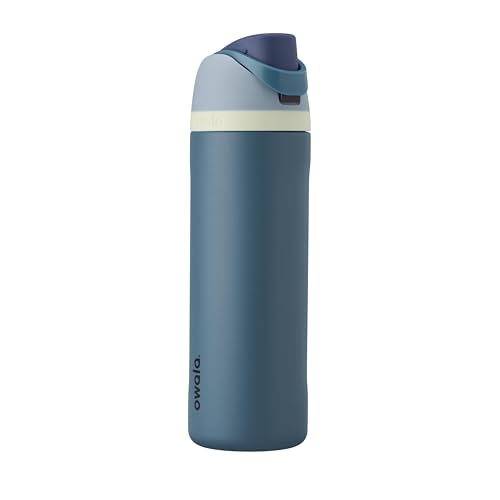
Owala FreeSip Stainless Steel Water Bottle 24 oz Denim
2-in-1 FreeSip straw + wide spout
View Today's Price
Owala FreeSip Stainless Steel Water Bottle 24 oz Dreamy Field
Patented 2-in-1 FreeSip lid
View Today's PriceHow to Choose the Right Water Bottles
Choosing the right water bottle depends on how you use it, your preferred material, lid style, capacity, and budget—trade-offs that shift based on your daily routine, activity level, and cleaning preferences. A feature that’s perfect for hiking (like drop-proof insulation) might be overkill for the office, while a stylish glass bottle is risky for outdoor use. Our recommendation engine evaluates your specific needs across five key dimensions and matches you to the right water bottle in under 60 seconds.
About this guide
Water Bottles
Why Picking the Right Water Bottle Is Tricky
On the surface, water bottles seem like a simple buy, but the real challenge is balancing insulation, durability, lid design, and price. Insulated stainless steel water bottles from brands like Hydro Flask, Owala, YETI, Stanley, and CamelBak use double-wall vacuum technology to keep water cold for 24+ hours and hot drinks warm for 12, but these features push prices close to $40. Meanwhile, budget water bottles under $15—often BPA-free plastic like Nalgene—are lighter and affordable, but lack the insulation and drop resistance of premium water bottles. Most buyers underestimate how much lid style (straw, chug, flip, screw-top) affects daily convenience, or they ignore cleaning hassles that drive you crazy after a week of use. Another pitfall: assuming all 32 oz water bottles are created equal, when cup-holder fit, weight, and ease of carrying vary wildly. The biggest mistake? Skipping over water bottle material and insulation type, which directly impact taste, temperature retention, and longevity. With 25 top-rated water bottles spanning $10–$40, each spec and price tier comes with real trade-offs buyers often overlook.
What Actually Sets the Best Bottles Apart
The difference between water bottles you love and ones you abandon in a drawer comes down to a handful of key factors. Double-wall vacuum insulation—used by Hydro Flask, Owala, YETI, Stanley, and CamelBak—delivers true all-day cold (24+ hours) and hot retention (12+ hours), while single-wall plastic or glass water bottles simply can’t compete for temperature control. Brands like Owala and YETI stand out in expert drop tests; YETI’s puncture resistance is legendary, while Stanley and Owala excel at leak-proofing when properly sealed. Skip basic screw-top water bottles unless you’re only using them at your desk—straw and chug lids (like Owala FreeSip’s combo) make hydration effortless on the go. Don’t get seduced by giant 40 oz water bottles unless you truly need the volume; they’re heavy, lose insulation efficiency, and rarely fit cup holders. Prioritize dishwasher-safe and wide-mouth water bottles for easy cleaning—otherwise, mold and odors creep in fast. Unless you’re on a strict budget, vacuum-insulated stainless steel water bottles are worth the premium for durability and performance in 2026.
How to Match Your Bottle to Your Life
Your ideal water bottle depends on how you’ll use it, how much you need to carry, and what you’re willing to spend. Hikers and gym-goers should prioritize drop-proof stainless steel water bottles with a straw or chug lid for one-handed access, while office users may want a leak-proof flip lid and a size that fits their bag or cup holder. If you’re budget-conscious, plastic water bottles like Nalgene deliver unbeatable value, but you’ll sacrifice insulation and sometimes taste. Glass water bottles are perfect for pure flavor but are heavier and fragile—great for the desk, risky for the trail. The quiz evaluates your water bottle usage, size, material, lid, and budget preferences to pinpoint your best match. Remember, capacity and insulation interact: a 32 oz vacuum-insulated water bottle balances all-day cold with manageable weight, while 40+ oz water bottles become unwieldy. Cleaning ease can be a dealbreaker—wide-mouth and dishwasher-safe water bottles save time and frustration. Ultimately, the right water bottle is the one that fits your daily routine, not just your wishlist.
Buyer's guide
How to choose
1Core Performance Criteria
- Double-wall vacuum insulation is essential for keeping drinks cold for 24+ hours—found in Hydro Flask, Owala, YETI, Stanley, and CamelBak premium models.
- Lid design impacts daily use: straw and chug lids enable one-handed sipping, while basic screw-tops are best left for desk-only bottles.
- Leak-proofing is non-negotiable for travel or gym use—Owala and Stanley excel here, but always check the gasket and cap fit before buying.
- Capacity matters: 32 oz is the sweet spot for most, balancing hydration with portability, while 40 oz+ bottles are heavy and rarely cup-holder compatible.
- Temperature retention varies—plastic and glass lose chill within hours, while steel vacuum bottles maintain ice for a full day, even in summer heat.
- Drop resistance is critical for outdoor use—YETI and Owala outperform others in expert 6-ft drop tests, while cheaper bottles dent or crack easily.
2Build Quality and Durability
- 18/8 stainless steel construction resists dents and corrosion—Hydro Flask, YETI, and Owala all use this grade for long-term durability.
- Powder-coated exteriors prevent sweating and improve grip, especially on Stanley and Hydro Flask bottles, making them safer to carry when wet.
- Plastic bottles like Nalgene are nearly indestructible for their weight, but lack the insulation and can scratch or discolor over time.
- Glass bottles offer pure taste but are prone to shattering if dropped—best reserved for office or home use, not hiking or gym bags.
- Lid hinges and seals are weak points; Owala and YETI have robust, replaceable gaskets, while cheaper models often leak after a year.
- Check for dishwasher-safe ratings—bottles that can’t handle heat cycles (especially some plastics and painted exteriors) will degrade or warp quickly.
3Value and Price Analysis
- Budget picks under $15, like Nalgene, offer unbeatable value for students and hikers who don’t need insulation or premium features.
- The $20–$30 range is the sweet spot for most buyers—Hydro Flask and Owala deliver top insulation and durability without Stanley’s $45 price premium.
- Premium models ($35–$40) like YETI Rambler justify their cost with unmatched drop resistance, long warranties, and best-in-class temperature retention.
- Avoid sub-$25 stainless steel bottles that lack true vacuum insulation—they often sweat, dent easily, and fail to keep drinks cold for more than a few hours.
- Three-lid bundles (e.g., Iron Flask) can be a great value if you actually use all the lid types, but add clutter for most people.
- Look for seasonal discounts on last year’s Hydro Flask or Stanley models—performance is nearly identical, but you’ll save 10–20% off retail.
4Fit for Your Use Case
- Hiking and gym use demand drop-proof stainless steel and a straw or chug lid for easy, one-handed hydration on the move.
- Office and desk users benefit from leak-proof flip lids and moderate sizes (18–24 oz) that fit cup holders and bags without adding bulk.
- Travelers should prioritize bottles that are both leak-proof and easy to clean—wide-mouth designs simplify rinsing and loading with ice.
- Kids and school use require lightweight, durable plastic (like Nalgene) or small insulated steel bottles with simple, spill-resistant lids.
- Glass bottles are best for flavor purists who rarely move their bottle—great for the desk, but too fragile for outdoor or gym use.
- Collapsible silicone bottles are ideal for travel or backup hydration, but they sacrifice insulation and can be awkward to drink from on the go.
5Common Mistakes to Avoid
- Choosing a giant 40 oz bottle for daily carry—most people find them too heavy, and they rarely fit in cup holders or bags.
- Ignoring lid type: screw-top lids are cheap, but frustrating for frequent sippers or anyone who needs one-handed access on the move.
- Assuming all stainless steel bottles are insulated—many budget models lack vacuum tech and fail at temperature retention.
- Neglecting cleaning: narrow-mouth bottles and non-dishwasher-safe designs quickly develop odors or mold, especially with flavored drinks.
- Overlooking drop resistance—plastic and YETI steel bottles survive rough handling, but many glass and cheap steel models dent or break easily.
- Forgetting about replacement parts: worn gaskets and lost lids are the #1 cause of leaks—choose brands with easy-to-find spares.
6Maintenance and Longevity
- Wide-mouth and dishwasher-safe bottles are far easier to keep clean, reducing the risk of buildup and extending bottle lifespan.
- Inspect O-ring seals and gaskets annually—most leaks stem from worn parts, not the bottle body itself, and replacements are cheap on brands like Owala.
- Hand-wash powder-coated exteriors to preserve color and grip—dishwashers can fade or chip paint on Hydro Flask and Stanley bottles over time.
- Avoid putting insulated bottles in the freezer; it can compromise the vacuum seal and ruin insulation performance permanently.
- Plastic bottles can develop odors or stains if not cleaned regularly, especially after flavored or protein drinks—use bottle brushes for deep cleaning.
- Store bottles with lids off to prevent moisture buildup and odors, especially for glass and silicone models prone to mold if left sealed.
FAQ
Frequently asked questions
Is double-wall vacuum insulation worth the extra cost in 2026?
Absolutely—double-wall vacuum insulation is the single biggest upgrade for temperature retention. Bottles from Hydro Flask, Owala, YETI, and Stanley keep water ice-cold for 24+ hours and hot for 12+. Cheaper single-wall plastic or steel options lose chill within hours. If you want all-day cold drinks or coffee that stays hot until lunch, the $10–$15 premium over budget bottles is well worth it for daily use and long-term value.
How does Owala compare to Hydro Flask and Stanley for daily use?
Owala FreeSip stands out for its versatile lid—combining straw and chug options in one, making it ideal for both sipping and fast hydration. Hydro Flask is a classic for reliable insulation and easy carry, while Stanley’s Quencher H2.0 FlowState is trendy but heavier and pricier. Owala and Hydro Flask both excel in drop resistance and leak-proofing, but Owala’s lid versatility and price (around $30–$35) give it an edge for most users in 2026.
What’s the best water bottle material for hiking and outdoor adventures?
For hiking, insulated stainless steel is the top pick—offering durability, drop resistance, and temperature retention. Owala, YETI, and Hydro Flask all use 18/8 steel and double-wall vacuum insulation, keeping water cold for 24+ hours on the trail. Plastic bottles like Nalgene are lighter and nearly indestructible, but don’t keep drinks cold. Glass is too fragile, and collapsible bottles sacrifice insulation and durability. For most hikers, a 32 oz insulated steel bottle is the sweet spot.
Are glass water bottles safe and practical for everyday use?
Glass bottles offer the purest taste and are free from chemicals, making them a favorite for office or home use. However, they’re heavier and prone to shattering if dropped. Most include silicone sleeves for grip and some impact protection, but they’re still risky for hiking or gym bags. If you want a bottle for your desk or kitchen, glass is excellent. For active lifestyles or kids, stick with stainless steel or BPA-free plastic for safety and durability.
How do I prevent leaks and mold in my water bottle?
Choose bottles with replaceable gaskets (like Owala and YETI) and inspect seals regularly—most leaks are due to worn or misaligned O-rings. Always clean bottles thoroughly, especially after flavored drinks, and let them dry with the lid off. Wide-mouth and dishwasher-safe bottles are easier to keep mold-free. Avoid leaving bottles sealed with moisture inside, as this creates a breeding ground for bacteria and odors. Replace gaskets annually for best leak protection.
Is it worth paying extra for a brand-name bottle like YETI or Stanley?
Brand-name bottles like YETI and Stanley command a premium ($35–$45), but they deliver on durability, insulation, and warranty support. YETI excels in drop resistance and puncture-proofing, while Stanley offers trendy designs and excellent cold retention. For heavy daily use or outdoor adventures, the investment pays off in longevity. If you’re mainly using your bottle at a desk or for short outings, mid-range options like Owala or Hydro Flask offer similar performance at a lower price.
What capacity is best for all-day hydration without constant refilling?
A 32 oz bottle is ideal for most people—large enough to last through a workday or gym session without being too heavy or bulky. 40 oz bottles provide even more capacity, but become unwieldy for daily carry and rarely fit cup holders. For hiking or long days out, 32 oz insulated bottles from Owala, Hydro Flask, or Stanley balance hydration, portability, and temperature retention perfectly. Smaller 18–24 oz bottles are lighter but require frequent refills.
Related reading
Best Water Bottles By Category
Related Guides
Advanced Telescopes
Aperture, mount type, portability, and setup—matched to your observing goals and real-life constraints in seconds.
Avalanche Beacons & Transceivers
Skill level, rescue needs, budget, battery type, and Bluetooth—get matched to the safest avalanche beacon for your backcountry trips.
Backyard Playground Sets
Play features, yard size, age range, and installation—get matched to a backyard playground set that truly fits your family.
Backyard Trampolines
We match trampolines to your jumpers’ ages, bounce style, yard size, safety needs, and budget—no more guessing or risky shortcuts.
Bike Lights
Matched to your commute, riding environment, brightness needs, charging style, and budget—get the right bike light for your safety.