Skip the research trap. Get your energy-efficient windows in 60 seconds.
We scored 350+ energy-efficient windows across 5 dimensions — answer 5 quick questions and we'll match you to YOUR best pick.

Powered by DecisionScore™
Each product is evaluated across 18 weighted criteria — covering performance, value, build quality, and real-world usability. Your quiz answers re-weight the criteria to match what matters most to you, so two people can get different #1 picks from the same data.
See the DecisionScore methodology →- Interior 5-window kit with 33-yard Scotch tape roll included
- Crystal-clear 3M film — stays clear as glass all season
- Reduces condensation and frost formation on window glass
Find your perfect energy-efficient windows
5 quick questions. No quiz-takes-10-minutes trap. A personalized match from 32 scored picks — with clear reasoning for every recommendation.
What type of energy-efficient window solution are you looking for?
Window insulation kits use shrink film or magnetic panels to add an insulating air gap. Storm window inserts are semi-permanent panels. Low-E films adhere to existing glass to block heat transfer year-round.
- Shrink film kits are the most affordable and renter-friendly, but only last one season.
- Magnetic interior panels are reusable and offer strong performance for older or historic windows.
- Low-E films provide year-round efficiency but require careful installation for best results.
As an Amazon Associate and affiliate partner we earn from qualifying purchases. Links on this page may earn us a commission at no extra cost to you. Full disclosure
Not ready for the quiz? Here are our overall top picks
These are our top-rated picks overall. For a recommendation matched to YOUR specific needs,
3M Indoor Window Insulation, Insulator Kit for 5 Windows 3ft x 5ft, Keeps Cold
Interior 5-window kit with 33-yard Scotch tape roll included
View Today's Price
3M Indoor Window Insulator Kit - Five Pack
3M's clearest window insulation film with Scotch tape technology
View Today's Price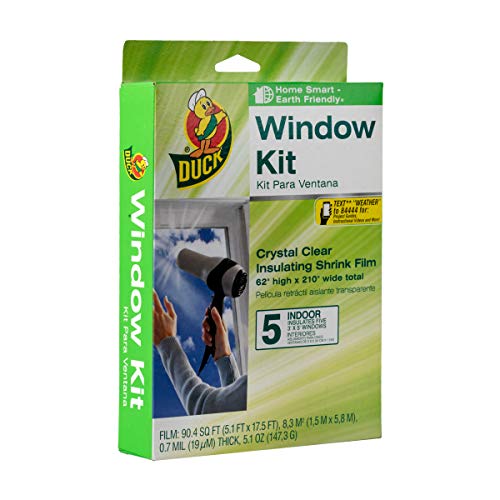
Duck Brand Indoor 5-Window Shrink Film Insulator Kit, 62-Inch x 210-Inch, 286217
Covers up to 5 standard 3x5 ft windows
View Today's PriceHow to Choose the Right Energy-Efficient Windows
Choosing the right energy efficient window solution depends on climate, window count, budget, and installation preferences—factors that interact in complex ways. A feature that’s perfect for a cold climate can be a waste in a hot region, and budget constraints often force trade-offs between performance and permanence. Generic top-10 lists can’t capture these nuances. Our recommendation engine analyzes your unique situation across five dimensions and delivers your best-fit solution in under 60 seconds.
About this guide
Energy-Efficient Windows
The Real Buying Challenge: Trade-Offs, Specs, and Price Tiers
Choosing energy efficient windows in 2026 is trickier than it looks. The price gap for energy efficient windows is huge: a full double-pane low-E replacement window runs $300–$700 installed, while interior storm panels designed for energy efficient windows cost $150–$300, and basic heat-shrink film kits for energy efficient windows start under $20. These numbers add up fast if you’re treating 10–15 windows with energy efficient windows upgrades. Most buyers underestimate how much climate zone and window count change what’s worth spending on energy efficient windows. For example, low-E coatings on energy efficient windows block heat differently—northern climates need high solar heat gain, while southern climates need the opposite from their energy efficient windows. Argon gas fills, which add $40–$75 per window, can drop U-factor from 0.30 to 0.25, but that only matters if you’re already investing in quality frames for your energy efficient windows. Many buyers fixate on sticker price and ignore specs like U-factor and SHGC, which actually determine year-round comfort and energy savings from energy efficient windows. The real mistake? Thinking all upgrades are equal. A $20 film kit for energy efficient windows might save 10% on your bill, but a $500 energy efficient window can cut 30%—and only one qualifies for the 30% federal tax credit through 2032. Every dollar and spec for energy efficient windows matters more than you think.
What Separates the Options: Key Specs, Brands, and Real Performance
Not all energy efficient windows are created equal, and the differences go way beyond brand names. U-factor is the non-negotiable baseline for energy efficient windows: anything above 0.30 is a waste in cold climates, while SHGC under 0.25 is essential for hot regions when choosing energy efficient windows. Multi-chamber vinyl frames for energy efficient windows outperform aluminum by a mile—metal conducts heat 1,000 times faster, so skip aluminum unless you’re in a mild climate or have no other choice for energy efficient windows. Argon gas fills are worth the $40–$75 per window upcharge for energy efficient windows, but krypton is overkill unless you’re in the $800+ per window luxury tier of energy efficient windows. For renters or those on a strict budget (under $500 total), magnetic interior panels from Indow or Magnetite deliver half the performance of full replacement energy efficient windows at a tenth of the cost. 3M and Duck Brand film kits for energy efficient windows are fine for seasonal use, but you’ll need to replace them every year. Don’t get distracted by flashy features—focus on real-world performance data, like verified U-factor and SHGC ratings for energy efficient windows, and skip anything that doesn’t publish these numbers. If you’re not sure, prioritize frame material and glass coatings for energy efficient windows over brand hype.
Decision Factors and How to Choose the Right Solution
Your climate, window count, and budget all interact to define your best path for energy efficient windows. For example, replacing 12 windows with energy efficient windows at $500 each means a $6,000 investment, but it unlocks a 30% federal tax credit through 2032—something film kits and panels for energy efficient windows can’t match. On the other hand, treating those same windows with interior panels for energy efficient windows costs $2,000–$3,000, requires no permits, and is renter-friendly. The number of energy efficient windows you need to treat affects your per-window budget and which solutions are realistic: film kits are cheap for a few energy efficient windows, but magnetic panels scale better for whole-home energy efficient windows projects. Installation preference matters too—renters need non-permanent energy efficient windows options, while homeowners can opt for permanent adhesive films or full replacement energy efficient windows. Our quiz evaluates your climate, window count, budget, and installation needs for energy efficient windows in one pass. Beyond that, always check if your local utility offers rebates for energy efficient windows and measure your window openings precisely—returns are high because buyers skip this step for energy efficient windows. Ultimately, prioritize the specs that matter for your region and lifestyle when choosing energy efficient windows, not just the lowest price or most popular brand.
Buyer's guide
How to choose
1Core Performance Criteria
- Always choose windows with a U-factor below 0.30 for cold climates; anything higher wastes energy and increases heating costs over time.
- For hot climates, prioritize a Solar Heat Gain Coefficient (SHGC) under 0.25 to block unwanted heat and reduce cooling bills significantly.
- Multi-chamber vinyl frames insulate far better than aluminum, which conducts heat up to 1,000 times faster and leads to energy loss.
- Argon gas fills, costing $40–$75 extra per window, can lower the U-factor from 0.30 to 0.25, improving overall thermal performance.
- Magnetic interior panels from brands like Indow or Magnetite offer about 50% of full replacement window performance at a fraction of the price.
- Heat-shrink film kits from 3M or Duck Brand are effective for seasonal use but require annual replacement and deliver only modest efficiency gains.
2Build Quality and Durability
- Double-pane low-E replacement windows, priced $300–$700 installed, offer excellent durability and can last 20–30 years with proper maintenance.
- Interior storm window panels, such as those from Magnetite, are reusable and typically last 5–10 years if handled carefully during seasonal changes.
- Heat-shrink film kits are not durable; expect to replace them every year, especially if exposed to condensation, pets, or frequent window use.
- Multi-chamber vinyl frames resist warping, moisture, and UV damage much better than aluminum or basic plastic alternatives.
- Exterior plastic storm window kits can suffer from wind and rain damage, lasting only 2–3 seasons in harsh climates before needing replacement.
- Low-E adhesive films can last 10+ years if installed correctly, but poor surface prep or cleaning can cause early peeling or bubbling.
3Value Analysis and Price Tiers
- Basic heat-shrink film kits start under $20 and are ideal for renters or short-term fixes, but only deliver 10–20% efficiency gains.
- Interior storm panels cost $150–$300 per window and deliver about half the performance of full replacements at 10% of the cost.
- Full double-pane low-E replacements cost $300–$700 per window installed, but can cut heating and cooling costs by 25–30% annually.
- Argon gas upgrades add $40–$75 per window, but the efficiency improvement is worth it for most climates; skip krypton unless you’re spending $800+.
- Replacing 12 windows at $500 each qualifies for a 30% federal tax credit through 2032, making the upfront investment more manageable.
- Budget buyers under $500 total should focus on magnetic panels or film kits, as premium solutions are unrealistic at that price point.
4Use-Case Fit and Lifestyle Considerations
- Renters should stick with non-permanent options like shrink film kits or magnetic interior panels, which leave no residue and are easy to remove.
- Homeowners can opt for permanent adhesive films or full window replacements, which offer the best long-term efficiency and property value boost.
- Treating a whole home (10–15 windows) with interior panels is far more cost-effective than full replacements when budget is tight.
- Large patio doors or oversized windows may require custom-sized panels or films, which can increase both cost and installation complexity.
- If you need to preserve historic windows, interior magnetic panels are a reversible solution that won’t damage original frames or glass.
- Check local utility rebates and federal tax credits, as these can shift the value equation and make premium options more affordable.
5Common Mistakes and Buyer Pitfalls
- Failing to measure window width, height, and depth precisely leads to a 30% return rate—always check dimensions before ordering any solution.
- Overlooking U-factor and SHGC specs results in windows that underperform for your climate, wasting money on heating or cooling.
- Assuming all upgrades qualify for tax credits—only full replacement windows, not film kits or panels, are eligible for the 30% federal credit.
- Choosing aluminum frames for cold climates is a costly mistake, as they conduct heat rapidly and undermine insulation.
- Ignoring installation requirements—some kits need tools, while others are renter-friendly; always match your DIY skills and living situation.
- Expecting film kits to last more than one season is unrealistic; plan for annual replacement if you choose this budget option.
6Maintenance and Longevity
- Double-pane low-E windows require minimal maintenance beyond occasional cleaning and annual checks for seal integrity or condensation.
- Magnetic interior panels should be removed and cleaned each season to prevent dust buildup and ensure a tight fit year after year.
- Heat-shrink film kits need to be replaced every season, especially if exposed to condensation, pets, or frequent window use.
- Low-E adhesive films can last a decade or more, but only if the glass is properly cleaned and the film is installed bubble-free.
- Aluminum frames may corrode or develop condensation issues over time, especially in humid or coastal environments.
- Check for drafts or seal failures annually, as even the best windows lose efficiency if gaskets or caulking degrade over time.
FAQ
Frequently asked questions
Is argon gas worth paying extra for in energy efficient windows?
Yes, argon gas fills are usually worth the extra $40–$75 per window. They lower the U-factor from 0.30 to 0.25, which translates to better insulation and noticeable savings on heating and cooling bills. Unless you’re in the ultra-premium $800+ per window tier, skip krypton gas—the efficiency gains over argon are minimal for the price. If you’re already investing in double-pane low-E windows, argon is a smart upgrade that pays off in most climates.
How do magnetic interior panels like Indow compare to full replacement windows?
Magnetic interior panels from Indow or Magnetite deliver about 50% of the energy savings of full double-pane low-E replacement windows, but at just 10% of the cost. They’re ideal for renters, historic homes, or anyone on a budget under $500 total. While they don’t qualify for federal tax credits, they’re reusable and can be installed without permits or permanent changes. For many buyers, especially in older homes, they’re a practical compromise between cost and performance.
What U-factor and SHGC should I look for in hot versus cold climates?
In cold climates, prioritize a U-factor below 0.30 to maximize heat retention. For hot climates, focus on a Solar Heat Gain Coefficient (SHGC) under 0.25 to block solar heat. Mixed climates benefit from balanced low-E coatings that offer both low U-factor and moderate SHGC. Always check these specs before buying—many windows and films publish them, but anything lacking this data is a red flag for serious energy savings.
Do 3M and Duck Brand window film kits actually work?
3M and Duck Brand heat-shrink film kits are effective for seasonal energy savings, typically cutting heat loss by 10–20% for a very low upfront cost. They’re perfect for renters or short-term fixes, but expect to replace them every year—they’re not durable enough for long-term use. For more permanent savings, interior magnetic panels or full replacement windows are a better investment, but film kits are a great entry-level option.
Can I get a federal tax credit for installing energy efficient windows?
Yes, as of 2026, replacing windows with qualifying energy efficient models can earn you a 30% federal tax credit through 2032. To qualify, you’ll need to install certified double-pane low-E windows, not just film kits or interior panels. For example, replacing 12 windows at $500 each would qualify for a $1,800 tax credit. Always check the latest IRS guidelines and keep all documentation for your installation.
How do I choose between vinyl and aluminum frames?
Always choose multi-chamber vinyl frames over aluminum for energy efficiency. Vinyl insulates far better, resists warping, and doesn’t conduct heat nearly as quickly as aluminum—which can undermine your investment in low-E glass or argon gas. Aluminum frames may be suitable in mild climates or for budget projects, but in cold or hot zones, they’re a poor choice for long-term savings and comfort.
What are the biggest mistakes buyers make with energy efficient windows?
The most common mistakes include failing to measure windows accurately (leading to returns), overlooking U-factor and SHGC ratings, and assuming all upgrades qualify for tax credits. Many buyers also choose aluminum frames for cold climates, which negates insulation benefits, or expect film kits to last more than one season. Always match your solution to your climate, budget, and installation needs for the best results.
Best Energy-Efficient Windows By Category
Related Guides
AC Units
Room size, installation, noise, budget, and smart features—get matched to the AC unit that fits your space and lifestyle.
Best Ceiling Fans
Room size, ceiling height, style, and lighting—get matched to the perfect ceiling fan for your space and comfort.
Compact Air Purifier Fans
Room size, filtration, climate control, and smart features—get matched to the compact air purifier fan that truly fits your lifestyle.
Dehumidifiers
Room size, drainage, noise, and convenience—get matched to the dehumidifier that actually fits your space and lifestyle.
Door Sweeps
Door location, installation method, seal type, and budget—all matched to your needs for the perfect draft and pest barrier.