Skip the research trap. Get your compact undercounter dishwashers in 60 seconds.
We scored 250+ compact undercounter dishwashers across 5 dimensions — answer 5 quick questions and we'll match you to YOUR best pick.

Powered by DecisionScore™
Each product is evaluated across 18 weighted criteria — covering performance, value, build quality, and real-world usability. Your quiz answers re-weight the criteria to match what matters most to you, so two people can get different #1 picks from the same data.
See the DecisionScore methodology →- Holds 8 place settings with flexible loading options
- Multiple wash cycles including quick and heavy modes
- Noise level around 53 dBA for quiet performance
Find your perfect compact undercounter dishwashers
5 quick questions. No quiz-takes-10-minutes trap. A personalized match from 23 scored picks — with clear reasoning for every recommendation.
What finish or panel style do you prefer for your compact dishwasher?
Stainless steel is modern and durable. Panel-ready models let you add a custom cabinet front. Alternative colors like white or black provide contrast. When unsure, stainless is a safe choice.
- Stainless steel resists fingerprints and matches most appliances, making it a safe and modern choice for most kitchens.
- Panel-ready models let you add a custom cabinet front, but they cost more and require careful installation.
- White or black finishes provide contrast and can complement traditional or minimalist kitchen designs.
As an Amazon Associate and affiliate partner we earn from qualifying purchases. Links on this page may earn us a commission at no extra cost to you. Full disclosure
Not ready for the quiz? Here are our overall top picks
These are our top-rated picks overall. For a recommendation matched to YOUR specific needs,
Avanti 18-Inch Dishwasher Machine with Top Control LED Display, Fits 8 Place
Holds 8 place settings with flexible loading options
View Today's Price
EdgeStar BIDW1802SS 18 Inch Wide 8 Place Setting Built-In Dishwasher
Holds 8 place settings with flexible loading options
View Today's Price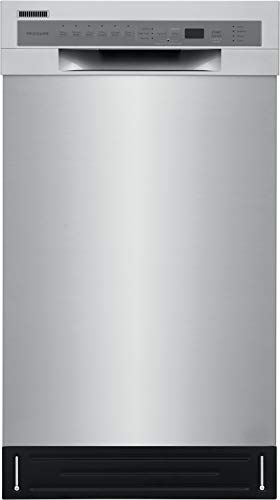
FRIGIDAIRE 18 in. ADA Compact Front Control Dishwasher in Stainless Steel with
Holds 8 place settings with flexible loading options
View Today's PriceHow to Choose the Right Compact Undercounter Dishwashers
Choosing the right compact undercounter dishwasher depends on noise level, rack flexibility, finish, advanced features, and your kitchen’s layout—trade-offs that shift based on your space, cooking habits, and budget. Generic top-10 lists miss how features like drying tech or panel-ready finishes can be make-or-break for one buyer but irrelevant for another. Our recommendation engine evaluates your specific needs across 23 dimensions and matches you to the right 18-inch dishwasher in under 60 seconds.
About this guide
Compact Undercounter Dishwashers
Why Compact Undercounter Dishwashers Are a Balancing Act
Choosing compact undercounter dishwashers in 2026 is trickier than it looks. The 18-inch width of compact undercounter dishwashers promises full-size cleaning in a slim footprint, but you’re forced to juggle capacity, noise, and features. Most buyers underestimate how much capacity drops with compact undercounter dishwashers—expect 8 place settings max, not 12. Go too cheap (under $400) with compact undercounter dishwashers, and you’ll sacrifice drying performance and end up with a noisy machine above 50 dB. Step up to $450–$800 for compact undercounter dishwashers, and you unlock stainless steel interiors, quieter operation (46–50 dB), and better racks, as seen in LG and Midea compact undercounter dishwashers. Miele’s premium compact undercounter dishwashers ($1,800+) offer whisper-quiet cycles (as low as 42 dB) and smart controls, but the cost difference is huge for only a few extra features. Many buyers focus on cycle count or aesthetics in compact undercounter dishwashers and overlook installation headaches—like precise 17.5–18" cutout requirements and plumbing clearance. The biggest mistake? Assuming all compact undercounter dishwashers perform like their 24-inch cousins. In reality, heavy pots or oversized plates are a squeeze in compact undercounter dishwashers, and drying plastics is hit-or-miss unless you pay for advanced tech.
What Really Sets the Best Models Apart
Not all compact undercounter dishwashers are created equal—real-world differences go beyond just price and brand. For instance, Miele’s 18-inch G5892 SCVi compact undercounter dishwasher stands out for its near-silent 42 dB operation and fingerprint-resistant panel, but unless you crave app controls or crystal-dry, it’s overkill. Bosch’s Benchmark Series compact undercounter dishwashers offer quadrant wash customization and adjustable racks, making them the top pick for flexible loading, while budget compact undercounter dishwashers like Midea or LG (with SenseClean) deliver stainless steel interiors and easy controls for half the price. Skip panel-ready compact undercounter dishwashers unless you’re investing in a seamless kitchen look—they add cost and complexity. Prioritize decibel ratings under 45 dB in compact undercounter dishwashers if your kitchen is open-concept; otherwise, 47–50 dB is fine for closed spaces. Rack adjustability matters more than third racks for most families—Bosch and LG compact undercounter dishwashers excel here, while SPT and Frigidaire compact undercounter dishwashers often have fixed configurations that frustrate. Don’t get lured by high cycle counts or basic sanitize-only features in compact undercounter dishwashers; drying tech and noise are what you’ll notice daily.
How to Match Features, Space, and Budget
Every decision point in compact undercounter dishwashers interacts with the next—room size, cabinetry style, and budget all limit your compact undercounter dishwasher options. For example, a small apartment with open living space demands a quieter compact undercounter dishwasher (under 45 dB), but that usually means paying $700 or more. If you want panel-ready compact undercounter dishwashers, expect to pay a premium and double-check your cabinet measurements—many compact undercounter dishwasher installs fail due to overlooked plumbing or venting clearance. Rack flexibility is a must if you cook with large pots, but most budget compact undercounter dishwashers skip adjustable tines or third racks. Advanced features like smart connectivity or crystal-drying in compact undercounter dishwashers are only worthwhile if you’ll actually use them; otherwise, stick with stainless interiors and a reliable sanitize cycle. Our quiz evaluates your space, noise tolerance, rack needs, and cleaning priorities to recommend a shortlist of compact undercounter dishwashers. Ultimately, don’t assume the most expensive compact undercounter dishwasher is best for your kitchen—fit, finish, and daily usability matter more than any single spec or feature.
Buyer's guide
How to choose
1Core Performance Criteria
- Look for a noise rating under 45 dB if your kitchen is open-concept—models like Miele and Bosch excel here, while budget units run louder.
- Stainless steel interiors, standard in LG and Midea, improve cleaning and resist odors better than plastic tubs found in cheaper models.
- Capacity maxes out at 8 place settings for 18-inch dishwashers, so plan for more frequent cycles if you have a family.
- Drying performance varies widely—advanced tech like Bosch’s CrystalDry or Miele’s AutoOpen is worth it if you hate towel-drying plastics.
- Energy Star certification is a must for efficiency; most mid-tier and premium models qualify, but check before buying value brands.
- App connectivity is only useful if you’ll regularly monitor cycles remotely; otherwise, prioritize reliable controls and clear cycle indicators.
2Build Quality and Durability
- Miele and Bosch set the standard for build quality, with robust hinges and fingerprint-resistant panels that hold up over years of use.
- Budget models under $500, like Midea and LG, offer decent durability but may show cosmetic wear or develop louder pumps over time.
- Check for a stainless steel tub—plastic interiors in SPT or entry-level Frigidaire stain easily and can develop odors after a year.
- Look for solid rack construction with reinforced tines; flimsy racks bend or break, especially if you regularly wash heavy pots or pans.
- Door seals and latch mechanisms should feel sturdy—cheap models often develop leaks or fail to close tightly after repeated use.
- Warranty coverage matters: Miele and Bosch offer longer guarantees, while budget brands often cap coverage at just one year.
3Value Analysis and Price Tiers
- The $450–$800 range is the sweet spot—models like Midea and LG deliver quiet operation, stainless interiors, and good drying at this price.
- Premium models from Miele and Bosch ($1,200–$2,200) add advanced drying, ultra-quiet cycles, and smart features, but the upgrade is rarely essential.
- Avoid units under $400; they often lack drying tech and run above 50 dB, making them a poor fit for most homes.
- Look for seasonal discounts—mid-tier models like Whirlpool Eco often drop 30–40% below MSRP, offering premium features at a midrange price.
- Panel-ready finishes and smart connectivity add $300–$800 to the price, so only pay for these if aesthetics or remote control are priorities.
- Don’t overpay for extra cycles or display features—focus on core cleaning and drying performance for the best value.
4Use-Case Fit and Kitchen Integration
- Measure your cutout precisely—18-inch dishwashers require 17.5–18" width and 32–34" height, plus extra space for plumbing and venting.
- Panel-ready models like Miele G5892 SCVi blend seamlessly with custom cabinets but demand careful install and higher budgets.
- If you cook often with large cookware, prioritize adjustable racks and quadrant wash systems found in Bosch and LG models.
- Open-concept apartments benefit from ultra-quiet dishwashers (≤45 dB); standard models can dominate small living spaces with noise.
- For tight kitchens or RVs, check for ADA compliance and side reservoir access—some models require awkward bucket removal for refills.
- If you’re replacing a 24-inch unit, expect a drop in capacity and plan for more frequent loads or creative stacking.
5Common Mistakes and Buyer Pitfalls
- Ignoring precise measurements is the top mistake—many buyers overlook plumbing clearance and end up with a unit that won’t fit.
- Focusing on cycle count over noise and drying leads to daily frustration; quietness and dry dishes matter more than extra wash modes.
- Assuming all racks are adjustable—budget models like SPT or Frigidaire often have fixed racks, limiting what you can load.
- Skipping Energy Star and advanced drying features results in higher utility bills and more time spent towel-drying plastics.
- Buying based on looks alone can backfire—panel-ready models cost more and require extra install steps, so only choose them if you’ll use the feature.
- Overlooking warranty and support—cheaper brands may skimp on coverage, leaving you with repair costs after just a year.
6Maintenance and Longevity
- Run dishwasher cleaning tablets monthly to prevent limescale and odors, especially in hard water areas or with plastic tubs.
- Inspect and clean filters every few weeks—clogged filters reduce cleaning power and can cause drainage issues in any compact model.
- Check door seals regularly for wear; replace at the first sign of leaks to avoid water damage to cabinetry.
- Use rinse aid to boost drying performance, particularly in value models like Midea or LG where drying can be inconsistent.
- Stainless steel tubs resist staining but still benefit from occasional deep cleaning to maintain shine and odor-free operation.
- Plan for a 5–8 year lifespan on most compact dishwashers; premium brands may last longer, but budget models often develop issues sooner.
FAQ
Frequently asked questions
Is paying extra for a panel-ready compact dishwasher worth it?
Panel-ready compact dishwashers cost $300–$800 more than standard stainless or white models. The main advantage is seamless integration with your cabinetry for a high-end look. However, installation is trickier and you’ll need a custom cabinet panel. Unless matching your kitchen aesthetic is a top priority, most buyers are better off with stainless steel, which is durable and fits most decors without the added cost or hassle.
How does Miele compare to Bosch for 18-inch compact dishwashers?
Miele excels in ultra-quiet operation (as low as 42 dB), superior cleaning, and fingerprint-resistant panels, but comes at a premium price ($1,800–$2,200). Bosch Benchmark Series offers excellent rack flexibility and quadrant wash customization at a lower cost ($1,200–$1,500). Both brands are reliable, but Bosch is a better value for most, while Miele is ideal if you want the quietest, smartest features and don’t mind paying extra.
What noise level should I look for in a small apartment or open-concept kitchen?
For small apartments or open-concept layouts, prioritize dishwashers rated at 45 dB or lower. Models like Miele G5892 SCVi and Bosch Benchmark Series are nearly silent during operation, preventing disruptive background noise. Units above 50 dB can be distracting in tight spaces, especially if your living and kitchen areas are combined. Always check the manufacturer’s decibel rating before buying.
Are budget models like Midea or LG reliable for daily use?
Yes, Midea and LG compact dishwashers in the $400–$550 range are solid choices for daily use. They offer stainless steel interiors, quiet operation (typically 47–50 dB), and decent drying performance. However, expect some trade-offs: drying plastics can be inconsistent, and racks may not be as flexible as premium brands. Still, they outperform most sub-$400 models and are a great value for small households.
Do I need a third rack or just adjustable racks?
A third rack is useful for utensils and small items but isn’t essential for most users. Adjustable racks, found in Bosch and LG models, are more valuable for fitting large pots or tall glasses. If you regularly wash oversized cookware, prioritize adjustable racks over a third rack. For basic daily dishes, standard racks are sufficient and keep costs down.
How important is advanced drying technology in compact dishwashers?
Advanced drying technologies like Bosch’s CrystalDry or Miele’s AutoOpen make a noticeable difference, especially for plastics and quick turnaround. Budget models often leave water spots or require towel drying. If you want dishes ready to put away immediately, investing in a model with enhanced drying is worthwhile. Otherwise, standard condensation drying is adequate for glass and ceramics but less effective on plastics.
What installation mistakes should I avoid with an 18-inch dishwasher?
Measure your cutout carefully—18-inch dishwashers need 17.5–18" width and 32–34" height, plus space for plumbing and venting. Many buyers overlook water line or drain hose placement, leading to failed installs. Double-check electrical access and ensure the door can open fully without hitting cabinetry. Reading the installation manual before purchase can save headaches and extra costs.
Related reading
Best Compact Undercounter Dishwashers By Category
Related Guides
Air Fryers
Matched to your kitchen space, batch size, cooking style, and must-have features—get an air fryer that truly fits your needs.
Bar Tools
Skill level, tool type, finish, budget, and how you’ll use your bar tools—get matched to the right set for your home bar.
Beginner Espresso Machines
Skill level, hands-on control, milk frothing, and kitchen space—get matched to the perfect beginner espresso machine for your daily ritual.
Best Bread Machines for Home Bakers
Loaf size, bread style, add-ins, and control—get matched to the bread machine that fits your kitchen and baking goals.
Breakfast Cookware
Matches your breakfast routine, kitchen setup, budget, and health priorities to the perfect pan, griddle, or appliance.