Skip the research trap. Get your cold plunge tubs in 60 seconds.
We scored 350+ cold plunge tubs across 5 dimensions — answer 5 quick questions and we'll match you to YOUR best pick.

Powered by DecisionScore™
Each product is evaluated across 18 weighted criteria — covering performance, value, build quality, and real-world usability. Your quiz answers re-weight the criteria to match what matters most to you, so two people can get different #1 picks from the same data.
See the DecisionScore methodology →- 100-gallon XL capacity for comfortable full-body cold immersion
- 6 extra-thick plastic support legs for freestanding stability
- Sleek all-black matte finish for aesthetic integration into home or gym
Find your perfect cold plunge tubs
5 quick questions. No quiz-takes-10-minutes trap. A personalized match from 31 scored picks — with clear reasoning for every recommendation.
What type of cold plunge tub are you looking for?
Inflatable tubs pack down for storage or travel. Barrel tubs are upright and space-efficient. Hard-shell tubs are rigid, more durable, and often larger.
- Inflatable tubs are easiest to move and store, making them ideal for renters or those with limited space.
- Barrel tubs are upright and space-efficient but can be harder to get in and out of for shorter users.
- Hard-shell tubs offer the most durability and insulation but are heavy and best for permanent setups.
As an Amazon Associate and affiliate partner we earn from qualifying purchases. Links on this page may earn us a commission at no extra cost to you. Full disclosure
Not ready for the quiz? Here are our overall top picks
These are our top-rated picks overall. For a recommendation matched to YOUR specific needs,
HOROW XL Large Oval Ice Bath Tub for Athletes, 100 Gallons Portable Cold Plunge
100-gallon XL capacity for comfortable full-body cold immersion
View Today's Price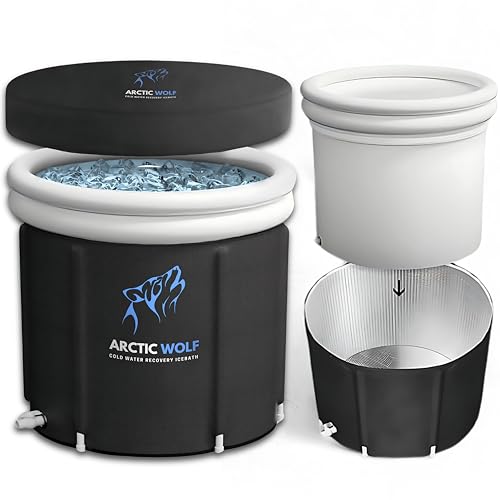
Arctic Wolf Recovery - Cold Plunge Tub, 2024 Premium Cold Water Therapy Tub for
Complete bundle: Polar Recovery Tub + non-slip rubber ice bath floor mat
View Today's Price
Bubplay Ice Bath Cold Plunge Tub with Cover for Indoor Outdoor for Recovery,
130-gallon XXL capacity suitable for 2 adults or one very tall user
View Today's PriceHow to Choose the Right Cold Plunge Tubs
Choosing the right cold plunge tub depends on how your space, chilling method, budget, and usage frequency interact—trade-offs that shift with your specific recovery goals and home setup. A feature perfect for a garage athlete can be a disaster for an apartment dweller or someone unwilling to manage ice. Our recommendation engine evaluates your unique needs across 12+ dimensions and matches you to the best-fit cold plunge tub in under 60 seconds.
About this guide
Cold Plunge Tubs
Why Cold Plunge Tub Shopping Is Trickier Than It Looks
Choosing cold plunge tubs in 2026 isn’t as simple as picking the first insulated barrel you see on Amazon. The cold plunge tubs market now spans everything from $300 inflatable cold plunge tubs that fold into a backpack to $5,000 chiller-integrated hard-shell cold plunge tubs. Most buyers underestimate the real trade-offs: ice-only cold plunge tubs seem affordable but demand 40–60 lbs of ice per session and lose 10–15°F per hour without a lid. Chiller-compatible cold plunge tubs, on the other hand, require you to factor in chiller BTU ratings (at least 5,000/hr for 80+ gallons) and GFCI outlet compatibility. Many shoppers fixate on cold plunge tub size but ignore insulation quality—multi-layer construction with an R-value above 15 can make or break overnight temperature retention in cold plunge tubs. The $300–$1,500 range is the true sweet spot for most home users, offering durable, chiller-ready inflatable or semi-rigid cold plunge tubs that are spacious enough for full-body submersion. What most buyers get wrong with cold plunge tubs? They chase capacity or aesthetics and end up with a cold plunge tub that’s either too shallow, too hard to keep cold, or rips after a single season. Prioritize cold plunge tub specs that actually affect your daily use.
What Actually Separates the Best Cold Plunge Tubs in 2026
Not all cold plunge tubs are created equal, and the differences that matter most aren’t always obvious. The real performance split among cold plunge tubs comes down to insulation (multi-layer vs. single-layer), chiller compatibility (threaded inlet/outlet ports), and build quality (drop-stitch PVC and reinforced nylon outlast thin vinyl). For example, the Lifepro Ice Barrel 400 and Bubplay XL cold plunge tubs use high-grade materials and offer chiller ports, making these cold plunge tubs future-proof for upgrades. Skip basic ice-only cold plunge tubs under $500 unless you’re fine with constant ice runs and rapid temperature loss—Wirecutter’s 2026 tests show these cold plunge tubs lose 20°F overnight, even with a lid. Chiller-integrated cold plunge tubs like the Polar Monsoon Elite deliver precise 37°F therapy and 6-hour retention but cost $4,000+. For most, a mid-range, chiller-compatible cold plunge tub with a well-insulated lid and at least 80-gallon capacity is the best balance of performance and price. Don’t get distracted by app controls or ozone filtration on cold plunge tubs unless you need commercial-grade sanitation. The spec that matters most for cold plunge tubs? Insulation R-value and chiller BTU—not just tub size or brand hype.
How to Choose: Decision Factors and Interactions
Your ideal cold plunge tub depends on how your space, usage habits, and budget interact. A compact apartment setup might rule out XL cold plunge tubs, while outdoor use demands UV-resistant, winter-proof cold plunge tubs. If you plan to upgrade with a chiller later, make sure your cold plunge tub has threaded ports—retrofitting cold plunge tubs is a headache. Family use or athlete recovery? Go for 100+ gallon cold plunge tubs, but remember: bigger cold plunge tubs need more chilling power and take up a 6x3 ft footprint. The quiz evaluates your preferences for cold plunge tub type, cooling method, capacity, usage location, and budget. Beyond that, think about how often you’ll plunge, whether you want true set-and-forget temperature control from your cold plunge tub, and if you’re willing to maintain water chemistry in cold plunge tubs. Don’t underestimate the hassle of draining cold plunge tubs in a cold garage or the real electricity costs of running a 1HP chiller. The right cold plunge tub choice balances your recovery goals, available space, and willingness to handle setup and maintenance—don’t just chase the biggest or cheapest cold plunge tub.
Buyer's guide
How to choose
1Core Performance Criteria
- Look for tubs with at least 80-gallon capacity to ensure full-body submersion for most adults, especially if you’re over 6 feet tall.
- Prioritize multi-layer insulation with a minimum R-value of 15, as this significantly extends cold retention and reduces ice or chiller load.
- Chiller compatibility is crucial if you want to upgrade later; threaded inlet/outlet ports are a must for connecting external chillers.
- Check for a well-insulated, tight-sealing lid, as uncovered tubs lose up to 15°F per hour according to 2026 Wirecutter tests.
- Drain valve flow rate should exceed 10 gallons per minute; slow drains freeze solid and make winter maintenance a hassle.
- Verify BPA-free liner materials for skin safety, as Consumer Reports flagged irritation issues with cheaper PVC tubs in 2026.
2Build Quality and Durability
- Choose tubs made from drop-stitch PVC or reinforced nylon, which outlast thin single-layer vinyl by several seasons of daily use.
- Look for double-stitched seams and multi-layer construction, especially for portable and inflatable models to prevent leaks and tears.
- Hard-shell tubs are more durable but heavier and less portable; they’re ideal for permanent setups in garages or patios.
- Check for UV-resistant coatings if you plan outdoor use, as sun exposure rapidly degrades cheaper plastics and causes cracking.
- Protective covers are essential for year-round outdoor use, preventing debris and extending the lifespan of both liner and insulation.
- Warranty length matters—seek at least a 12-month warranty; top brands like Lifepro and Polar Monsoon Elite offer strong after-sales support.
3Value Analysis and Pricing
- The best value in 2026 is in the $1,800–$3,000 range for chiller-compatible portables, balancing insulation, durability, and upgrade potential.
- Avoid tubs under $1,000 unless you’re prepared for rapid temperature loss and higher ongoing ice costs—insulation is usually weak at this tier.
- Chiller-integrated tubs over $5,000 are overkill for most home users unless you need ozone or UV sanitation for commercial use.
- Resale value drops 40% after the first year, so buy for long-term use, not short-term trends or resale plans.
- Look for bundle discounts on tub + chiller kits, which often save 20% compared to buying separately from direct-to-consumer brands.
- Factor in electricity costs—chillers draw 0.5–1.5 kWh per session, adding $20–$50 per month to your utility bill at typical usage.
4Use-Case Fit and Sizing
- Solo users fit best in 80–110 gallon tubs, while families or athletes needing two-person use should look for 120–130 gallon XL models.
- Measure your available space carefully—most XL tubs require a 6x3 ft footprint and at least 30–40 inches of clearance for safe entry.
- Apartment dwellers should favor inflatable or foldable tubs that pack down for storage and fit through standard doorways.
- Outdoor users need UV-resistant, winter-proof materials and a plan for drainage—avoid tubs with poor valves that freeze in cold climates.
- If you travel or plan to move, prioritize lightweight designs (under 50 lbs empty) and included storage bags for portability.
- Shorter users (<5'6") may find XL barrels too deep, causing instability—choose models with adjustable fill lines or lower sidewalls.
5Common Mistakes and Buyer Pitfalls
- Don’t buy oversized tubs without matching chiller power—underpowered chillers can’t maintain low temps in 100+ gallon barrels.
- Many buyers ignore insulation specs, leading to rapid warming and high ongoing ice or electricity costs.
- Failing to check GFCI outlet compatibility can trip breakers or prevent chiller operation—always verify your power setup before purchase.
- Neglecting to test drain valve speed results in slow water changes and frozen valves in winter, complicating maintenance.
- Assuming all tubs are skin-safe is risky—always confirm BPA-free liners, especially in budget models with unknown plastics.
- Skipping a protective cover drastically shortens the lifespan of your tub, especially for outdoor setups exposed to debris and UV.
6Maintenance and Longevity
- Regularly sanitize your tub with compatible cleaners or ozone systems to prevent bacterial growth, especially if sharing with others.
- Monitor water pH and chemistry if you leave water in for more than a day—imbalances cause liner degradation and skin irritation.
- Drain and dry your tub completely before winter storage to avoid mold and cracking, especially for inflatable and barrel models.
- Inspect seams and valves monthly for leaks—early repairs prevent catastrophic failures and extend the usable lifespan.
- Replace lid insulation or gaskets every 1–2 years, as these wear out fastest and are key to maintaining cold retention.
- Store portable tubs in a cool, dry place and avoid direct sunlight to maximize material flexibility and prevent premature aging.
FAQ
Frequently asked questions
Is it worth paying extra for a chiller-compatible cold plunge tub?
Yes, a chiller-compatible tub is worth the investment if you want consistent cold temperatures without constant ice runs. Tubs with threaded inlet/outlet ports allow you to add a powered chiller later, providing set-and-forget temperature control between 37°F and 55°F. This upgrade saves money and hassle over time, especially for daily users or those in warmer climates. Manual ice-only tubs may seem cheaper upfront, but ongoing ice costs and rapid warming often outweigh the initial savings.
How does the Lifepro Ice Barrel 400 compare to the Polar Monsoon Elite?
The Lifepro Ice Barrel 400 is a portable, 80-gallon tub compatible with chillers and praised for its lightweight build and included storage bag. The Polar Monsoon Elite, by contrast, is an XL 110-gallon hard-shell tub with a built-in 1HP chiller, app control, and superior 6-hour cold retention. The Monsoon Elite is best for athletes needing maximum durability and precise control, while the Lifepro suits home users prioritizing portability and future-proofing at a lower price point.
What capacity cold plunge tub do I need for solo versus family use?
For solo users, an 80–110 gallon tub is ideal, providing enough depth for full-body submersion without excessive water or chilling requirements. If you want to accommodate two adults or family members occasionally, opt for an XL tub in the 120–130 gallon range. Remember, larger tubs require more space (at least 6x3 feet) and a more powerful chiller (minimum 5,000 BTU/hr) to maintain low temperatures efficiently.
Are inflatable cold plunge tubs durable enough for daily use?
High-quality inflatable tubs made from drop-stitch PVC or reinforced nylon, like those from Lifepro or Bubplay, can withstand daily use for several seasons. Look for double-stitched seams and multi-layer insulation to prevent leaks and tears. Cheaper single-layer vinyl models often develop rips or lose shape within a year. For frequent use, invest in a model with a minimum 12-month warranty and strong community reviews for long-term reliability.
How much does it cost to run a chiller-equipped cold plunge tub?
Operating a chiller-equipped tub typically adds $20–$50 per month to your electricity bill, depending on usage and chiller efficiency. Most home chillers draw between 0.5–1.5 kWh per session. Models like the Polar Monsoon Elite and Renu Therapy Cold Stoic are designed for energy efficiency, but it's still important to factor in utility costs when budgeting for a chiller setup, especially if you plan daily plunges.
What are the main maintenance requirements for cold plunge tubs?
Regular maintenance includes sanitizing the tub with compatible cleaners or ozone systems, monitoring water pH, and draining the tub completely before winter storage. Inspect seams and valves monthly for leaks, and replace lid insulation every 1–2 years. For outdoor setups, keep the tub covered to prevent debris and UV damage. Proper care ensures your tub lasts for several seasons and remains safe and comfortable for daily use.
Do I need a special outlet for a cold plunge tub with a chiller?
Yes, most chillers require a dedicated GFCI 20A outlet to operate safely and avoid tripping breakers. Standard 15A circuits may not handle the load, especially for 1HP chillers found in premium tubs like the Polar Monsoon Elite. Always verify your power setup before purchase to prevent installation headaches and ensure consistent, safe operation of your cold plunge system.
Related reading
Best Cold Plunge Tubs By Category
Related Guides
Adjustable Dumbbells
Weight range, adjustment speed, handle style, and space—get matched to adjustable dumbbells that fit your real training needs.
Bike Mats
Matched to your bike type, floor surface, noise needs, material preference, and budget for the perfect indoor cycling mat.
Bike Trainers
Matched to your riding style, noise tolerance, tech needs, and space—get a bike trainer that fits your real routine.
Compact Home Gyms
Matched to your space, resistance needs, tech comfort, and how you actually want to train—no more guessing or wasted space.