Skip the research trap. Get your streaming devices in 60 seconds.
We scored 250+ streaming devices across 5 dimensions — answer 5 quick questions and we'll match you to YOUR best pick.
Powered by DecisionScore™
Each product is evaluated across 18 weighted criteria — covering performance, value, build quality, and real-world usability. Your quiz answers re-weight the criteria to match what matters most to you, so two people can get different #1 picks from the same data.
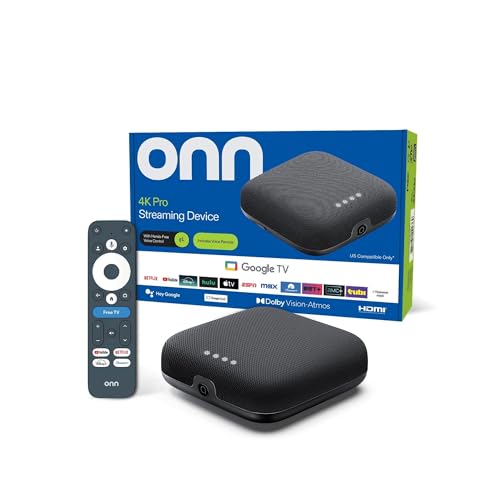
See the DecisionScore methodology →- Upgraded Onn box with 32GB storage and hands-free voice control
- Supports Dolby Vision and Dolby Atmos for premium AV experience
- Integrated far‑field microphones for ‘Hey Google’ hands-free commands
Find your perfect streaming devices
5 quick questions. No quiz-takes-10-minutes trap. A personalized match from 24 scored picks — with clear reasoning for every recommendation.
What is your preferred brand for a streaming device?
Brand preference can influence your choice due to familiarity with the user interface, ecosystem compatibility, and customer support. Some brands offer unique features or exclusive content that might be important to you.
- If you already use Alexa, Google Assistant, or Siri, pick a device that matches your smart home assistant for seamless control.
- Some streaming devices limit app selection based on ecosystem—Amazon Fire TV, Roku OS, and Google TV each have exclusive features.
- Switching ecosystems can mean learning a new interface and potentially losing access to certain apps or voice controls.
As an Amazon Associate and affiliate partner we earn from qualifying purchases. Links on this page may earn us a commission at no extra cost to you. Full disclosure
Not ready for the quiz? Here are our overall top picks
These are our top-rated picks overall. For a recommendation matched to YOUR specific needs,
IT'S BRAZILIAN onn 4K Pro Streaming Device, Google TV with Gemini* - Ultra-Fast
Upgraded Onn box with 32GB storage and hands-free voice control
View Today's Price
Jetstream 4K Ultra HD Android TV Box
Check today’s price →Affordable 4K box running Android TV with Google Assistant remote
View Today's Price
Premium Choice Co Onn 4K Plus Streaming Device with Google TV – 16GB Storage,
Low-cost 4K streaming box using Google TV interface
View Today's PriceHow to Choose the Right Streaming Devices
Choosing the right streaming device depends on your preferred ecosystem, video quality needs, remote features, gaming ambitions, and connectivity requirements—trade-offs that shift based on your TV, habits, and budget. A feature that’s essential for one setup (like Ethernet or Dolby Vision) may be irrelevant for another, so generic top-10 lists often miss the mark. Our recommendation engine weighs your unique situation across five key dimensions and matches you to the ideal streaming device in under 60 seconds.
About this guide
Streaming Devices
Why Streaming Device Choices Are Trickier Than Ever
Picking streaming devices in 2026 is a real challenge, even for tech-savvy buyers. While smart TVs may seem convenient with built-in apps, their interfaces are often slow, missing key services, and lag behind on updates compared to dedicated streaming devices. Streaming sticks and boxes—like the Roku Express 4K+, Fire TV Stick 4K Max, and Nvidia Shield TV Pro—promise smoother performance, but each streaming device comes with trade-offs. For example, a $40 Roku streaming device delivers reliable 4K streaming and a great remote, but lacks advanced gaming or smart home features. Step up to a $150 Nvidia Shield TV Pro streaming device and you get AI upscaling and advanced storage, but that’s overkill unless you need serious gaming or DVR from your streaming devices. Many buyers get tripped up by specs like Dolby Vision, HDR10+, or DTS passthrough on streaming devices, not realizing their TV or soundbar might not even support them. Price isn’t always a guide: a $200 streaming device can be less useful than a $50 stick if it doesn’t fit your streaming devices ecosystem or daily habits. Most people overlook how much the remote, app support, and live TV features on streaming devices shape the experience.
What Actually Sets Streaming Devices Apart
The real differences between streaming devices come down to ecosystem, picture quality, remote design, and smart features. Roku streaming devices stand out for their easy interface and live TV features like the 'last channel' button—perfect for cord-cutters hopping between YouTube TV and Hulu + Live TV. Amazon Fire TV streaming devices offer robust app support and Alexa integration, but their heavy ad presence drives some users crazy. Nvidia Shield TV Pro is the only real choice among streaming devices for Android power users or those who want Tablo DVR and AI upscaling, but skip this streaming device unless you need gaming or advanced storage. Don’t obsess over 8K or raw resolution—HDR support (Dolby Vision, HDR10+) and input lag matter more for most people using streaming devices, especially for sports or gaming. Skip DTS passthrough unless you’re a Blu-ray enthusiast; most streaming device users won’t notice its absence. Remote features on streaming devices like headphone jacks, backlighting, and voice control can be make-or-break for families or seniors. Brands like Onn offer super-cheap 4K streaming devices, but expect slower app updates and occasional crashes—fine for a guest room, not your main TV streaming device.
How to Weigh the Right Factors for Your Setup
Room size, TV age, and your streaming habits all interact when choosing streaming devices. If you have a 4K TV but only watch Netflix and Prime, a $40 streaming device with HDR10 is probably all you need; but if you want to record live TV with Tablo or run Plex, you’ll need streaming devices with Ethernet and storage expansion. Budget is a real constraint: under $60 gets you reliable 4K streaming devices, but not advanced gaming or smart home hub features. The quiz evaluates your platform loyalty, video quality needs, remote preferences, gaming ambitions, and connectivity requirements for streaming devices. Don’t ignore how your Wi-Fi setup, soundbar, or even your living room layout can limit your streaming devices—Ethernet is a must for buffer-free sports, while expandable storage only matters if you install lots of apps on your streaming devices. Many buyers regret ignoring remote ergonomics or buying into a streaming devices ecosystem that doesn’t support their favorite apps. The best streaming device is the one that fits your daily routine, not just the spec sheet.
Buyer's guide
How to choose
1Core Performance Criteria
- Always check for 4K HDR support—Roku Express 4K+ and Fire TV Stick 4K Max both deliver excellent picture quality for under $60.
- Input lag is crucial for gaming; Nvidia Shield TV Pro and Roku Pro Series 2025 are top picks for responsive gameplay and fast menu navigation.
- Dolby Vision and HDR10+ support make a bigger difference in color and contrast than raw resolution, especially for new 4K TVs.
- App selection and update frequency matter more than you think; budget Onn sticks sometimes lag behind on new streaming service rollouts.
- Look for Tablo DVR compatibility if you want to record live TV—Roku and Fire TV integrate smoothly, but not all devices support this feature.
- Skip 8K support unless you already own an 8K TV; most content and devices, even in 2026, are still optimized for 4K.
2Build Quality and Durability
- Premium devices like Nvidia Shield TV Pro and Roku Pro Series 2025 offer better build quality and longer lifespans than sub-$50 sticks.
- Remote durability varies: Roku’s remotes are highly rated for reliability, while some Fire TV and Onn remotes feel flimsy and wear out faster.
- Heat management is better in box-style streamers than compact sticks—frequent overheating can shorten the lifespan of cheap Onn and Fire TV models.
- USB and Ethernet ports on higher-end models are less prone to failure than micro-USB-only sticks, which can loosen or break with repeated use.
- Roku and Nvidia devices generally receive firmware updates for 3-5 years, while some budget brands stop supporting older models after 18 months.
- Physical buttons like 'last channel' on Roku remotes hold up well, but touch-sensitive or minimalist remotes may develop responsiveness issues over time.
3Value Analysis
- The $40-60 price range delivers the best value for most users—Roku Express 4K+ and Fire TV Stick 4K Max hit the sweet spot for features.
- Nvidia Shield TV Pro commands a $150-200 premium, but only pay up if you need AI upscaling, gaming, or advanced storage and Ethernet.
- Bundled Roku TVs like the Pro Series 2025 offer streaming and high-end TV features for $500+, often beating the cost of separate devices and TVs.
- Tablo DVR ($100) paired with a $40 stick is a smarter value for cord-cutters than buying an all-in-one DVR box.
- Onn and budget sticks are tempting at $20-30, but expect slower performance and less reliable updates—ideal for secondary TVs, not your main setup.
- Avoid overpaying for features you won’t use, like 8K or advanced gaming, unless you’re sure they fit your needs and hardware.
4Use-Case Fit and Ecosystem Compatibility
- Roku is the best fit for users who want a neutral, ad-light interface and seamless live TV switching—especially for cord-cutters.
- Amazon Fire TV is ideal if you’re already invested in Alexa or Prime Video, but be ready for more ads and Amazon-centric menus.
- Nvidia Shield TV Pro is unmatched for Android power users, Plex servers, or those who want local emulation and advanced gaming features.
- If you want to use Tablo DVR for over-the-air TV, confirm your streamer supports Tablo integration—Roku and Fire TV do, but not all Google TV devices.
- Check your TV’s HDR compatibility—Dolby Vision is only worth it if your TV supports it; otherwise, stick with HDR10+ for broader compatibility.
- For seniors or tech-averse users, prioritize remotes with simple layouts, physical buttons, and clear labeling—Roku excels here.
5Common Mistakes and Pitfalls
- Many buyers ignore ecosystem lock-in and end up missing favorite apps or voice assistants—always check compatibility before buying.
- Don’t assume all 4K sticks are equal; input lag, HDR support, and app stability can vary dramatically between $30 and $60 models.
- Overlooking remote ergonomics is a classic mistake—tiny or cluttered remotes frustrate daily use, especially for seniors or families.
- Assuming every device supports advanced audio formats like DTS or Dolby Atmos—most Roku sticks lack DTS passthrough for Blu-ray playback.
- Skipping Ethernet on main TVs leads to buffering during live sports or 4K streams—Wi-Fi-only sticks can struggle in crowded networks.
- Buying the cheapest stick for your main TV often results in slow updates and app crashes—budget models like Onn are best for guest rooms.
6Maintenance and Longevity
- Firmware updates are critical for security and app compatibility—Roku and Nvidia lead with 3-5 years of support, while Onn may drop off after 18 months.
- Remotes are the most common failure point—consider models with replaceable batteries and available replacements, like Roku’s.
- Avoid plugging compact sticks directly into TV USB ports; use the included power adapter to prevent underpowering and device resets.
- Keep HDMI and Ethernet cables accessible for troubleshooting—tight setups make it hard to swap cables or reset devices when issues arise.
- Streaming boxes with active cooling (like Nvidia Shield TV Pro) last longer under heavy use than passively cooled sticks.
- Consider dust and heat buildup behind wall-mounted TVs—regularly check and clean ports to extend device life and prevent overheating.
FAQ
Frequently asked questions
Is Dolby Vision support worth paying extra for in a streaming device?
Dolby Vision delivers noticeably better color and contrast than standard HDR10, especially on newer 4K TVs that support it. If your television is Dolby Vision compatible and you watch premium content from services like Netflix or Disney+, it’s worth paying for a device with this feature. However, if your TV only supports HDR10 or you mostly stream basic HD content, you can safely skip it and save money. Always check your TV’s specs before paying more for Dolby Vision.
How does Roku compare to Amazon Fire TV for live TV and cord-cutting?
Roku stands out for its simple interface and live TV features, including the new 'last channel' button that makes switching between live channels seamless. It’s less cluttered with ads than Amazon Fire TV, which heavily promotes Amazon content. Both platforms support popular live TV apps like YouTube TV and Sling, but Roku’s neutral approach and better remote ergonomics make it the top pick for cord-cutters. If you prioritize Alexa integration, Fire TV is still a strong choice.
What specs do I need for smooth gaming on a streaming device?
For smooth gaming, look for a device with low input lag and a powerful processor—Nvidia Shield TV Pro is the gold standard, supporting GeForce Now and local emulation. Roku Pro Series 2025 also offers responsive gaming performance. Stick to devices with at least 2GB RAM and Ethernet support for stable connections. Budget sticks like Onn or basic Roku models are fine for streaming but struggle with demanding games or cloud gaming platforms.
Do I need expandable storage or Ethernet on my streaming device?
Expandable storage is only necessary if you install lots of apps, games, or want to use your device for DVR with Tablo. Ethernet is a must for buffer-free 4K streaming, especially during live sports or in crowded Wi-Fi environments. Nvidia Shield TV Pro and some Fire TV models offer both features, while most compact sticks are Wi-Fi only. For most users, Wi-Fi is fine, but Ethernet is a smart upgrade for your main TV.
How reliable are budget streaming sticks like Onn compared to Roku or Fire TV?
Budget sticks like Onn are surprisingly capable for basic 4K streaming and work well as a secondary device. However, they tend to receive fewer firmware updates and may experience occasional app crashes or slowdowns during live sports. Roku Express 4K+ and Fire TV Stick 4K Max offer better long-term reliability, faster updates, and more consistent app support. For your primary TV, stick with Roku or Fire TV; use Onn for guest rooms or travel.
Can I use Tablo DVR with any streaming device?
Tablo DVR integrates best with Roku and Amazon Fire TV devices, allowing you to record and watch live over-the-air TV without a subscription. Some Google TV/Android TV devices also support Tablo, but the experience is less consistent. If DVR is a priority, confirm your chosen streamer has a dedicated Tablo app and supports live TV playback. Nvidia Shield TV Pro is also a solid option for advanced DVR setups.
What’s the advantage of buying a Roku TV with integrated streaming over a separate stick or box?
A Roku TV like the Pro Series 2025 combines high-end TV features—local dimming, HDR10+, Dolby Vision—with Roku’s user-friendly interface and live TV integration. This eliminates the need for a separate device and remote, streamlining your setup. It’s an excellent value if you’re upgrading your TV anyway, but if your current TV works fine, a $40-60 Roku stick delivers nearly the same streaming experience for less.
Best Streaming Devices By Category
Related Guides
AV Receivers
Room size, speaker setup, streaming features, and gaming needs—get matched to the right AV receiver for your home theater.
Home Theater Speaker Packages
Room size, audio priorities, and setup style—get matched to the right soundbar or speaker system for your home theater.
Blu-ray Players
Resolution, HDR, audio, streaming, and disc region—matched to your TV, sound system, and movie collection in seconds.
Budget Home Theater Systems
Room size, surround immersion, and setup style—get matched to the right budget home theater system for your space and habits.
Build the Ultimate Home Bar: Carts, Glassware, Tools & Storage
Entertaining style, storage needs, and drink preferences—get matched to the right bar cart, glassware, tools, and storage for your home.