Skip the research trap. Get your best dash cams for every driver in 60 seconds.
We scored 350+ best dash cams for every driver across 5 dimensions — answer 5 quick questions and we'll match you to YOUR best pick.
Powered by DecisionScore™
Each product is evaluated across 18 weighted criteria — covering performance, value, build quality, and real-world usability. Your quiz answers re-weight the criteria to match what matters most to you, so two people can get different #1 picks from the same data.
See the DecisionScore methodology →- Great value 4K front and 1080p rear dual‑channel system
- Built‑in GPS and Wi‑Fi for easy location stamping and downloads
- Discrete wedge design with adhesive mount for stealthy installation
Find your perfect best dash cams for every driver
5 quick questions. No quiz-takes-10-minutes trap. A personalized match from 32 scored picks — with clear reasoning for every recommendation.
How many camera angles do you need?
Single‑channel dash cams record only the road ahead. Dual‑channel units add a rear camera for backup and accident evidence, while three‑channel systems add an interior lens for rideshare or cabin monitoring. If you’re unsure, dual‑channel is a good starting point.
- Single-channel records only the front—good for basic evidence but misses rear impacts.
- Dual-channel covers both front and rear, ideal for most commuters and families.
- Triple-channel adds a cabin view, best for rideshare drivers or those needing interior footage.
As an Amazon Associate and affiliate partner we earn from qualifying purchases. Links on this page may earn us a commission at no extra cost to you. Full disclosure
Not ready for the quiz? Here are our overall top picks
These are our top-rated picks overall. For a recommendation matched to YOUR specific needs,
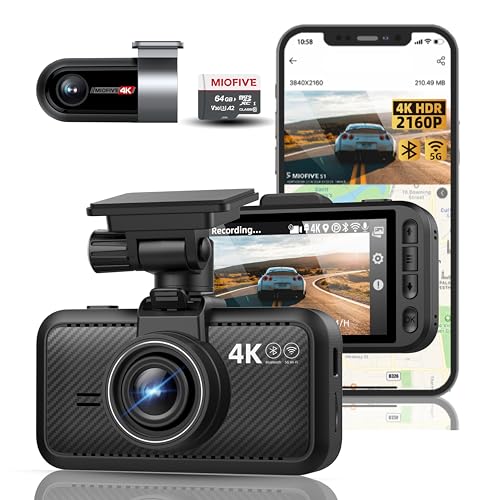
Dash Cam Front Rear, 4K Front + 4K Rear Full HD Dash Camera for Cars Built-in
Great value 4K front and 1080p rear dual‑channel system
View Today's Price
70mai 2.7K Dash Cam Front A500S, 1944P Dash Camera for Cars with Sony IMX335,
1944p front camera and optional 1080p rear module
View Today's Price
Garmin Dash Cam 67W, 1440p and Extra-Wide 180-degree FOV, Monitor Your Vehicle
Compact dash cam with 1440p resolution and ultra‑wide 180° field
View Today's PriceHow to Choose the Right Best Dash Cams for Every Driver
Choosing the right dash cam depends on camera coverage, video clarity, stealth preferences, parking habits, and which features you’ll actually use—trade-offs that shift based on your vehicle size, parking situation, and budget. A feature that’s essential for rideshare drivers is often wasted on daily commuters, and the wrong resolution can mean missing crucial evidence. Our recommendation engine evaluates your specific needs across five key dimensions and matches you to the right dash cam in under 60 seconds.
About this guide
Best Dash Cams for Every Driver
Why Dash Cam Choices Are Trickier Than They Look
Most drivers think picking dash cams is just about price or grabbing a popular model, but the real challenge is balancing camera coverage, video clarity, and stealth. You’ll face trade-offs between single-channel front-only dash cams, dual setups that add a rear camera, and triple-channel dash cams built for rideshare or taxi use. A $90 1080p dash cam might seem like a bargain, but it can’t match the license plate clarity or night performance of a $250 4K dash cam. Then there’s the question of parking mode—basic motion detection is standard on most dash cams, but advanced models offer radar-based 24/7 surveillance at a premium. Most buyers underestimate how much resolution (2K, 4K, or even 5K) and field of view affect real-world dash cam footage, or they overlook the importance of HDR and Starvis sensors for night clarity in dash cams. It’s easy to get lured by dash cam features you’ll never use, or to buy too little camera for your needs. The biggest mistake? Assuming any dash cam is good enough—until you actually need the footage.
What Actually Sets Dash Cams Apart in 2026
Specs like 4K resolution, Sony Starvis sensors, and advanced parking modes aren’t just marketing fluff—they create real differences in dash cam performance. For example, Garmin’s Dash Cam Mini 3 is compact and affordable, but can’t match the Viofo A329’s detail or the RedTiger F7NP’s 4K clarity for license plates. Skip 3-channel dash cams unless you drive for Uber or want full cabin coverage; dual-channel dash cams are the sweet spot for most. HDR and Starvis sensors matter more than raw resolution for night driving—don’t pay extra for 5K dash cams unless you’re obsessed with detail. Built-in GPS, ADAS driver alerts, and voice control are worth it if you want smart dash cam features, but don’t overpay for Wi-Fi if you’ll never use the app. Brands like Garmin and Viofo lead for dash cam reliability, while value dash cams from 70mai offer surprising performance for the price. If you want true parking protection, look for buffered or radar-based dash cam modes—not just basic motion triggers. Bottom line: prioritize dash cam video quality and coverage over feature bloat.
How to Choose: Decision Factors That Matter Most
The right dash cam depends on how you drive, where you park, and how much hassle you’ll tolerate. Roomy SUVs can easily hide a dual-channel dash cam setup, but tiny cars benefit from compact, stealthy dash cams like the Garmin Mini 3. If you park on the street, advanced dash cam parking surveillance is a must—otherwise, basic loop recording on dash cams suffices. Budget limits which dash cam features are realistic; $100 gets you basic 1080p dash cams, but real night clarity and parking features start around $180–$250. Don’t forget: higher resolutions on dash cams mean bigger files and pricier high-endurance SD cards. Our quiz weighs your dash cam angle needs, video detail preferences, stealth requirements, parking habits, and must-have dash cam features. For everyone else, focus on the trade-offs: image clarity versus storage, stealth versus usability, and whether you’ll actually use smart alerts or app controls on your dash cam. Think about how these factors interact—choosing a 4K triple-channel dash cam system for a small car is overkill, but a single-channel 1080p dash cam won’t cut it for rideshare pros.
Buyer's guide
How to choose
1Core Performance Criteria
- Choose at least 2K (1440p) resolution if you want to reliably capture license plates, especially at night or in bad weather conditions.
- Dual-channel dash cams, like the Viofo A329, provide essential front and rear coverage for accident evidence—single-channel is risky for city parking.
- Look for Sony Starvis sensors or true HDR processing, which dramatically improve night clarity over cheaper sensors found in entry-level models.
- A field of view between 140° and 170° balances road coverage with minimal distortion—ultra-wide 180° can stretch images and miss details at the edges.
- Buffered parking mode or radar-based surveillance is worth the premium if your car is street-parked or at risk of hit-and-runs.
- Built-in GPS and G-sensor tagging ensure footage is legally useful, as they embed speed and location data for insurance or police reports.
2Build Quality and Durability
- Premium brands like Garmin and Viofo use heat-resistant components, critical for surviving summer dashboards where cheap units often fail.
- Look for models with solid adhesive mounts—suction cups tend to fall off in temperature swings, risking lost footage when you need it most.
- Check for high-endurance microSD support; 4K cams require cards rated for constant overwriting to avoid corrupted files.
- A robust, tangle-free power cable and optional hardwire kit extend lifespan and reduce wear on your car’s 12V outlet.
- Water-resistant rear cameras are essential for dual/triple setups, especially if you drive in rain or snow-prone regions.
- Warranty length matters: Garmin and Nextbase offer up to 2 years, while budget models may only provide 6–12 months of coverage.
3Value Analysis
- Entry-level 1080p dash cams under $100 often lack night clarity and reliable parking mode; expect to pay $180–$250 for real upgrades.
- Mid-range models like the 70mai A500S Pro Plus+ offer 2K video and GPS at a price point that balances features and reliability.
- Premium 4K models, such as the RedTiger F7NP, deliver unmatched detail but require pricier SD cards and more storage management.
- Skip 3-channel systems unless you truly need interior recording—dual-channel is the best value for most family and commuter vehicles.
- Voice control and app integration add convenience, but only justify the extra cost if you’ll actually use them regularly.
- Consider total cost: hardwire kits, polarizing filters, and high-endurance SD cards can add $40–$70 to your setup.
4Use-Case Fit
- Rideshare and taxi drivers benefit most from triple-channel systems, which record cabin activity for liability and safety.
- Street-parked vehicles need advanced parking mode—basic motion detection often misses slow bumps or vandalism.
- Compact dash cams like the Garmin Mini 3 suit small cars or anyone prioritizing stealth to avoid theft.
- Families and commuters get the best balance with dual-channel 2K setups, offering front and rear coverage without overcomplicating installation.
- High-resolution 4K models are best for those driving at night or on highways, where license plate clarity is critical.
- If you rarely park in public or only want basic documentation, a single-channel 1080p model may suffice for peace of mind.
5Common Mistakes
- Underestimating the importance of night clarity—many cheap 1080p dash cams are useless for reading plates after dark.
- Choosing a 3-channel system for a compact car, only to find installation and cable routing a major headache.
- Ignoring the need for a high-endurance SD card—standard cards often fail after months of loop recording, risking lost footage.
- Assuming all parking modes are equal; basic motion detection is easily triggered by wind or passing cars, missing real incidents.
- Overpaying for features like Wi-Fi or ADAS if you won’t regularly use app controls or driver alerts.
- Forgetting to check mount compatibility—some models block sensors or mirrors, especially in cars with advanced driver-assist systems.
6Maintenance and Longevity
- Regularly format your microSD card—monthly formatting prevents file corruption and extends the life of both card and dash cam.
- Replace SD cards every 12–18 months for 4K models, or sooner if you notice playback errors or missing files.
- Clean camera lenses and rear modules every few weeks; dust and smudges degrade video quality, especially at night.
- Check cable routing periodically—loose or pinched wires can cause intermittent power loss and missed recordings.
- Firmware updates from brands like Garmin and Viofo often add features or fix bugs, so connect to the app at least twice a year.
- Store your dash cam indoors during extreme heat waves if possible; even heat-resistant models benefit from occasional relief.
FAQ
Frequently asked questions
Is 4K resolution worth paying extra for in a dash cam?
4K dash cams like the RedTiger F7NP offer noticeably sharper footage, especially for reading license plates at highway speeds or in low light. However, they require high-endurance SD cards and generate much larger files. If you drive frequently at night, on highways, or want the best possible evidence, 4K is worth the premium. For casual city driving, a quality 2K (1440p) model balances clarity and storage needs.
How does Garmin compare to Viofo for dash cams in 2026?
Garmin dash cams, such as the Mini 3 and 67W, are known for their compact design, reliability, and user-friendly interfaces. Viofo models like the A329 deliver superior video quality, especially in dual-channel setups, and often include advanced features like buffered parking mode. Garmin excels in stealth and ease of use; Viofo leads for image clarity and value. Choose Garmin for simplicity, Viofo for maximum performance.
What resolution do I need to clearly capture license plates at night?
For reliable license plate capture at night, aim for at least 2K (1440p) resolution with a Sony Starvis sensor or true HDR. Many 1080p cams struggle with glare and low-light noise, making plates unreadable. 4K models perform best, but a quality 2K dash cam with good night optics will suffice for most drivers. Avoid budget 1080p models if nighttime clarity is a priority.
Is advanced parking mode necessary if I mostly park at home?
If your car is parked in a private garage or secure driveway, advanced parking mode isn’t essential. Basic motion or impact detection is enough for occasional monitoring. However, if you park on the street or in public lots, advanced features like buffered recording or radar sensors provide crucial evidence for hit-and-runs or vandalism. Match parking mode to your real-world risk, not just marketing claims.
Are triple-channel dash cams overkill for most drivers?
Triple-channel dash cams are designed for rideshare drivers, taxis, or anyone who needs to record cabin activity for safety or liability. For most commuters and families, dual-channel systems (front and rear) offer the best balance of coverage and simplicity. Triple-channel setups add installation complexity and cost, so only choose them if you truly need interior footage.
What accessories are essential for a reliable dash cam setup?
A high-endurance microSD card is non-negotiable for reliable loop recording, especially with 4K cams. Hardwire kits enable parking mode and free up your car’s 12V outlet. Circular polarizing (CPL) filters reduce windshield glare, while adhesive cable clips keep wiring tidy. Budget $40–$70 extra for these accessories to ensure your dash cam works flawlessly year-round.
How does the 70mai A500S Pro Plus+ compare to the RedTiger F7NP 4K?
The 70mai A500S Pro Plus+ offers excellent 2K video, built-in GPS, and a solid value for most drivers. The RedTiger F7NP 4K steps up with true 4K resolution and superior night clarity, but at a higher price and with larger storage needs. Choose the 70mai for balanced features on a budget; pick the RedTiger if you demand the sharpest footage and advanced parking protection.
Related reading
Best Best Dash Cams for Every Driver By Category
Compare Best Dash Cams for Every Driver
Related Guides
Car Audio Systems for Every Ride
Matched to your dash size, smartphone habits, audio needs, and must-have features—get the right car audio upgrade, not just any stereo.
Home EV Charging Stations
Connector type, charging speed, installation, smart features, and budget—get matched to the right home EV charger for your needs.
Radar Detectors
Driving habits, legal status, alert preferences, and tech features—get matched to the radar detector that actually fits your real-world needs.