Skip the research trap. Get your top turntables for every vinyl enthusiast in 60 seconds.
We scored 650+ top turntables for every vinyl enthusiast across 5 dimensions — answer 5 quick questions and we'll match you to YOUR best pick.
Powered by DecisionScore™
Each product is evaluated across 18 weighted criteria — covering performance, value, build quality, and real-world usability. Your quiz answers re-weight the criteria to match what matters most to you, so two people can get different #1 picks from the same data.
See the DecisionScore methodology →Find your perfect top turntables for every vinyl enthusiast
5 quick questions. No quiz-takes-10-minutes trap. A personalized match from 63 scored picks — with clear reasoning for every recommendation.
How do you plan to use your turntable?
Different use cases favor different designs. Casual listeners need ease of use; audiophiles look for pure sound; DJs need durable direct-drive decks; modern users may want Bluetooth/USB for streaming or digitizing. Pick what fits you best — if unsure, casual is a safe start.
- Casual listening favors convenience features like automation or Bluetooth, while audiophile setups benefit from manual controls and upgradable cartridges.
- If you plan to DJ or mix, direct-drive models with robust torque and fast cueing are essential for reliable performance.
- Streaming and digitizing require USB or Bluetooth outputs; check for compatible software if you want to archive your vinyl collection.
As an Amazon Associate and affiliate partner we earn from qualifying purchases. Links on this page may earn us a commission at no extra cost to you. Full disclosure
Not ready for the quiz? Here are our overall top picks
These are our top-rated picks overall. For a recommendation matched to YOUR specific needs,
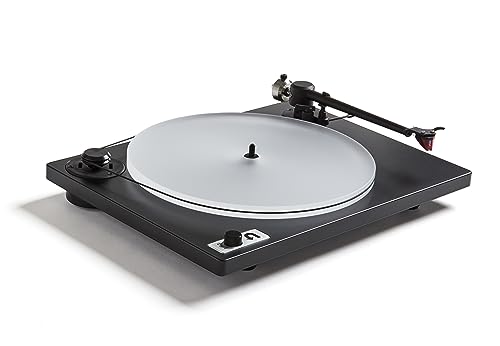
U-Turn Audio - Orbit Special Turntable (Gen 2) with Built-in Preamp, Black

Audio-Technica AT-LP60X-BK Fully Automatic Belt-Drive Stereo Turntable, Black,
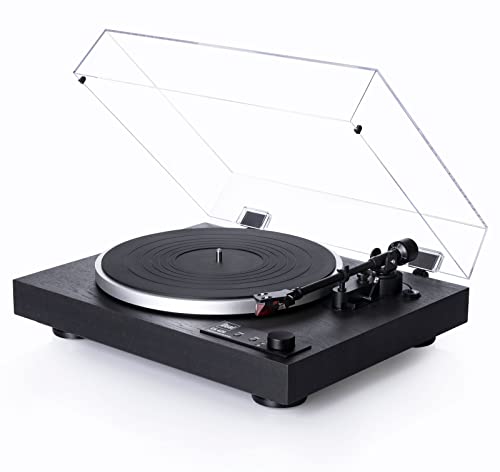
Dual CS429 Fully Automatic Belt‑Drive Turntable with Ortofon 2M Red Cartridge,
How to Choose the Right Top Turntables for Every Vinyl Enthusiast
Choosing the right turntable depends on how you plan to listen, your drive type preference, preamp requirements, operation style, and upgrade ambitions—factors that interact based on your setup and future plans. A feature that’s perfect for a casual listener might frustrate an audiophile or a DJ, so generic top-10 lists miss these crucial nuances. Our recommendation engine evaluates your specific needs across five dimensions and matches you to the right turntable in under 60 seconds.
About this guide
Top Turntables for Every Vinyl Enthusiast
The Real Buying Challenge: Specs, Trade-offs, and Price Tiers
Shopping for a turntable in 2026 is more complicated than it seems. The category stretches from $150 Bluetooth models like the Audio-Technica AT-LP70XBT—great for casual listening and streaming—all the way to $1,480 direct-drive icons like the Technics SL-1500CS, which deliver pro-grade speed and torque. Most buyers underestimate how much drive type, preamp configuration, and upgrade potential impact long-term satisfaction. Belt-drive decks (Pro-Ject Debut Carbon Evo at $500) excel at isolating motor vibration for cleaner, warmer audio, but direct-drive models like the Technics are essential for DJing or anyone who wants rock-solid speed. Built-in phono stages sound convenient, but can limit future upgrades or cause hum if they can't be disabled (a common complaint with the Goldring GR3). Many buyers get tripped up by assuming Bluetooth is always better, when in reality, wireless streaming compresses sound and wired RCA outputs are still king for fidelity. Price tiers matter: under $150 often means flimsy suitcase players with weak sound, while the $400–$700 range delivers serious value and components that rival audiophile setups.
What Separates the Options: Drive, Preamp, and Upgrade Paths
Not all turntables are created equal—real differences go far beyond looks or brand. The drive mechanism is a make-or-break factor: belt-drive turntables like the Pro-Ject Debut Carbon Evo and Goldring GR3 minimize motor noise for purer sound, making them the clear choice for discerning listeners. Direct-drive models, especially those using Technics’ new ΔΣ technology, offer unmatched speed stability and torque—don’t bother with these unless you’re mixing, DJing, or demand absolute pitch accuracy. Built-in phono preamps make plug-and-play setups easy, but beware: some (like the Goldring GR3) can't be bypassed, which limits integration with high-end amps and can introduce hum. If you want to tweak your sound, prioritize upgradeable models—avoid decks like the FiiO TT13 if you plan to swap cartridges, as they’re locked to specific Audio-Technica models. Bluetooth and USB outputs are fun for digitizing or streaming, but skip them if you’re chasing audiophile sound. Platter material and tonearm design matter more than flashy finishes; aluminum platters and solid bearings beat plastic every time.
Decision Factors and How to Choose the Right Turntable
Your ideal turntable depends on how you’ll use it, what gear you already own, and how much you want to tinker or upgrade. Room size and speaker setup influence whether you need a built-in preamp, while your listening habits dictate drive type—casual home listeners are best served by belt-drive models with some automation, while DJs need direct-drive for fast cueing and durability. Budget is a hard constraint: under $200, expect basic Bluetooth decks like the AT-LP70XBT; at $400–$700, you unlock upgradeable platforms and real audiophile sound. If you crave hands-off convenience, look for fully automatic decks (like the FiiO TT13), but know these often sacrifice tweakability. Cartridge compatibility, platter material, and even the location of speed controls (hidden switches are a usability pain) all interact with your needs. Our quiz evaluates your use case, drive preference, preamp needs, operation style, and upgrade ambitions to pinpoint your best match. Ultimately, prioritize sound quality and future flexibility over flashy features or bundled extras—your records (and ears) will thank you.
Buyer's guide
How to choose
1Core Performance Criteria
- Belt-drive turntables like the Pro-Ject Debut Carbon Evo deliver cleaner, warmer sound by isolating motor vibrations, ideal for home and audiophile listening.
- Direct-drive models such as the Technics SL-1500CS offer unmatched speed stability and torque, which is essential for DJing or demanding absolute pitch accuracy.
- A quality factory cartridge, like the Audio-Technica AT95E, provides detailed, dynamic playback and often removes the need for immediate upgrades.
- Look for aluminum platters and solid tonearms, as these components minimize resonance and improve tracking, especially at higher price points.
- Built-in phono preamps are convenient, but ensure they can be bypassed if you plan to upgrade your amp or pursue higher-fidelity setups.
- Bluetooth and USB outputs are useful for streaming and digitizing, but introduce compression—wired RCA outputs remain the gold standard for critical listening.
2Build Quality and Durability
- Turntables in the $400–$700 range, like the Goldring GR3, use higher-grade materials and offer better longevity than sub-$200 suitcase models.
- Glossy finishes, as seen on the Goldring GR3, attract fingerprints and dust, requiring frequent cleaning to maintain their appearance.
- Aluminum platters, such as those on the FiiO TT13 and TEAC TN-400BT, are more resistant to warping and resonance than plastic alternatives.
- Solid bearings and well-damped tonearms reduce wear on both records and stylus, extending the lifespan of your vinyl collection.
- Direct-drive motors, like those in the Technics SL-1500CS, are built for years of heavy use and are favored by DJs for their reliability.
- Hidden controls or rear-mounted switches, common on some entry-level models, can make regular operation and maintenance more cumbersome.
3Value Analysis
- The best value is found between $400 and $700, where models like the Pro-Ject Debut Carbon Evo combine upgradable platforms with audiophile sound.
- Entry-level Bluetooth decks, such as the Audio-Technica AT-LP70XBT, offer solid performance for $150–$200, especially when discounted on Amazon.
- Avoid suitcase-style turntables under $150, as they typically deliver weak sound and poor build quality, making them a false economy.
- Premium direct-drive models like the Technics SL-1500CS justify their $1,480 price only for DJs or collectors who need advanced features.
- Look for factory-installed Audio-Technica cartridges, which provide professional-grade detail without the need for immediate upgrades.
- Built-in preamps that cannot be disabled, like on the Goldring GR3, can limit future system upgrades—factor this into long-term value calculations.
4Use-Case Fit
- Casual listeners benefit from fully automatic or Bluetooth-enabled decks for easy, hands-off operation and quick setup with powered speakers.
- Audiophile users should prioritize belt-drive models with upgradeable cartridges and manual controls for maximum sound tuning flexibility.
- DJs require direct-drive turntables with robust torque and quick start/stop controls, such as the Technics SL-1500CS or Pioneer DJ PLX-500.
- If you plan to digitize records, seek out models with USB outputs and reliable analog-to-digital conversion, like the TEAC TN-400BT.
- Built-in preamps are essential for plug-and-play setups, but check for switchable options if you might upgrade your amplifier later.
- Space constraints in small apartments favor compact, all-in-one or semi-automatic models, but beware of sacrificing sound quality for convenience.
5Common Mistakes
- Many buyers assume Bluetooth always means better sound, but wireless streaming compresses audio—use wired RCA for true fidelity.
- Failing to check if the built-in preamp can be disabled leads to hum or integration issues with external amps, especially on the Goldring GR3.
- Ignoring cartridge compatibility can lock you into limited upgrade paths, as with the FiiO TT13’s exclusive support for Audio-Technica models.
- Overlooking the importance of platter material results in unwanted resonance—aluminum platters outperform plastic for both sound and durability.
- Buying based on looks or bundled features often means sacrificing core audio performance or future flexibility.
- Not verifying speed controls and operation type can make daily use frustrating, especially if switches are hidden or inconveniently placed.
6Maintenance and Longevity
- Glossy and mirrored finishes, like those on the Goldring GR3, require frequent dusting and gentle cleaning to avoid scratches and maintain appearance.
- Replace your stylus regularly, especially if you play records daily—factory cartridges like the AT95E are widely available and easy to swap.
- Keep the platter and tonearm bearings clean and lubricated to prevent wear and preserve smooth playback over years of use.
- Use anti-static brushes and record cleaning kits to reduce dust buildup, which can degrade both sound quality and stylus life.
- Check belt tension annually on belt-drive models, as stretched belts can cause speed instability and pitch issues.
- Store your turntable on a vibration-isolated surface to minimize external noise and prolong the life of internal components.
FAQ
Frequently asked questions
Is a belt-drive or direct-drive turntable better for home listening?
For most home listeners, a belt-drive turntable like the Pro-Ject Debut Carbon Evo is the better choice. Belt-drives isolate motor vibrations, resulting in warmer, cleaner audio ideal for critical listening. Direct-drive models, such as the Technics SL-1500CS, are designed for DJs or those who need fast start/stop and absolute speed stability. Unless you plan to scratch or mix, belt-drive offers superior sound quality and a quieter experience for casual or audiophile use.
Are built-in phono preamps worth paying extra for?
Built-in phono preamps are worth the convenience if you want plug-and-play setup with powered speakers or basic amps. However, some models—like the Goldring GR3—have non-disableable preamps, which can cause hum or limit future upgrades. If you think you’ll want to upgrade your amplifier or pursue higher-fidelity sound, choose a turntable with a switchable or bypassable preamp. For most beginners, built-in preamps are a smart starting point, but flexibility matters long-term.
How does the Pro-Ject Debut Carbon Evo compare to the Goldring GR3?
The Pro-Ject Debut Carbon Evo is praised for its upgradability, balanced sound, and audiophile-grade components at $500. It features a belt-drive mechanism and supports easy cartridge swaps. The Goldring GR3, at $600–$700, stands out for its stunning looks, detailed sound, and a great built-in preamp for beginners, but its preamp cannot be disabled and customization is limited. Choose the Pro-Ject for future upgrades; pick the Goldring for plug-and-play elegance and ease.
What should I look for in a turntable for digitizing vinyl?
For digitizing vinyl, prioritize turntables with USB outputs and reliable analog-to-digital conversion, such as the TEAC TN-400BT or Audio-Technica AT-LP70XBT. Ensure the included software is compatible with your computer and offers high-resolution recording. Built-in preamps are helpful for direct connection, but check if they can be bypassed for higher-quality external ADCs. Avoid ultra-budget models, as they often have noisy electronics that degrade digital transfers. A stable platter and quality cartridge also improve digitization results.
Can I upgrade the cartridge on any turntable?
Not all turntables allow easy cartridge upgrades. Models like the Pro-Ject Debut Carbon Evo are designed for customization, letting you swap cartridges and tweak your setup. In contrast, the FiiO TT13 is locked to Audio-Technica cartridges, limiting your upgrade path. Always check the tonearm and headshell compatibility before buying if upgradability is important. For maximum flexibility, choose decks with standard half-inch mounts and adjustable counterweights—these support many cartridges.
Are Bluetooth turntables good for serious vinyl listening?
Bluetooth turntables like the Audio-Technica AT-LP70XBT are great for convenience and casual listening, especially in small spaces or for streaming to wireless speakers. However, Bluetooth introduces compression, which reduces audio fidelity compared to wired RCA connections. If you value sound quality for critical listening, opt for a model with analog outputs and use a wired setup. Bluetooth is best reserved for background music or digitizing, not for audiophile-grade playback.
What are the main maintenance tasks to keep my turntable performing well?
Regularly clean your records and stylus with anti-static brushes to prevent dust buildup and preserve sound quality. Replace the stylus as recommended by the manufacturer—usually every 500–1,000 hours of play. For belt-drive models, check and replace the belt if you notice speed instability. Keep the platter and tonearm bearings clean and lubricated. Store your turntable on a stable, vibration-isolated surface, and avoid placing it near speakers or sources of electrical interference.
Best Top Turntables for Every Vinyl Enthusiast By Category
Compare Top Turntables for Every Vinyl Enthusiast
Related Guides
Advanced Portable Field Recorders
Matched to your workflow, input needs, portability, and feature priorities—get a recorder that fits your real-world recording style.
Bookshelf Speakers
Room size, amp setup, sound signature, and features—get bookshelf speakers tailored to your space and listening style.
Digital Audio Mixers
Channel count, recording style, control preferences, and experience—get matched to the perfect digital mixer for your workflow.
Gaming Headsets
Matched to your device, sound style, connection, mic needs, and must-have extras—get a headset that actually fits your gaming life.
Noise Cancelling Headphones
We match you to headphones based on comfort, ANC strength, battery life, sound profile, and your real-world listening needs.