Skip the research trap. Get your portable speakers in 60 seconds.
We scored 250+ portable speakers across 5 dimensions — answer 5 quick questions and we'll match you to YOUR best pick.

Powered by DecisionScore™
Each product is evaluated across 18 weighted criteria — covering performance, value, build quality, and real-world usability. Your quiz answers re-weight the criteria to match what matters most to you, so two people can get different #1 picks from the same data.
See the DecisionScore methodology →- IP67 waterproof and dustproof rating
- PositionIQ technology auto-adjusts sound based on orientation
- Up to 12 hours battery life
Find your perfect portable speakers
5 quick questions. No quiz-takes-10-minutes trap. A personalized match from 24 scored picks — with clear reasoning for every recommendation.
What is the primary sound feature of the speaker?
The sound feature of a speaker determines how sound is projected and perceived. Stereo sound offers a traditional left-right channel experience, 360-degree sound provides uniform audio in all directions, and spatial audio creates an immersive experience by simulating a three-dimensional sound environment.
- If you’ll use your speaker outdoors, prioritize waterproofing and rugged build—indoor use lets you focus more on sound quality and looks.
- Beach, pool, or camping trips require at least IP67 protection to survive splashes, sand, and drops.
- Travelers should look for compact, lightweight models that fit easily in a bag or pocket.
As an Amazon Associate and affiliate partner we earn from qualifying purchases. Links on this page may earn us a commission at no extra cost to you. Full disclosure
Not ready for the quiz? Here are our overall top picks
These are our top-rated picks overall. For a recommendation matched to YOUR specific needs,
Bose SoundLink Flex Bluetooth Speaker (2nd Gen) - Portable Outdoor Speaker with
IP67 waterproof and dustproof rating
View Today's Price
JBL Charge 6 - Portable Waterproof & Drop-Proof Bluetooth Speaker, Bold JBL Pro
IP68 waterproof, dustproof, and drop-proof rating
View Today's Price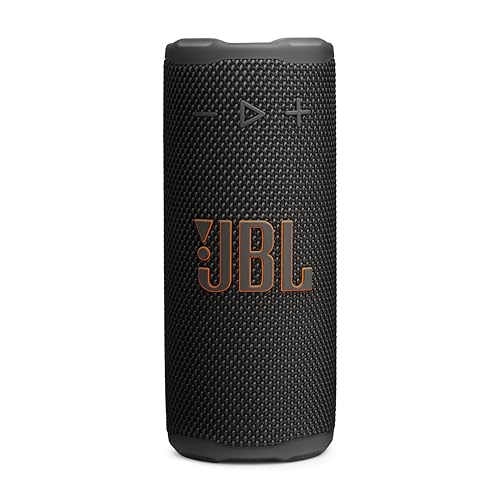
JBL Grip - Compact Bluetooth Speaker with Bold JBL Pro Sound and Ambient Light,
IP68 water, dust, and drop-proof — best-in-class durability
View Today's PriceHow to Choose the Right Portable Speakers
Choosing the right portable Bluetooth speaker depends on where you’ll use it, your budget, how many people you listen with, and your durability needs—trade-offs that shift based on your real-world habits. A feature that’s perfect for solo travel can be totally wrong for backyard parties or beach days. Our recommendation engine evaluates your specific needs across five dimensions and matches you to the ideal portable speaker in under 60 seconds.
About this guide
Portable Speakers
Why Picking the Right Portable Speaker Is Tricky
Choosing portable speakers in 2026 is harder than it looks. The $30–$150 price range is packed with portable speakers from JBL, Bose, Anker Soundcore, Sony, Ultimate Ears, Tribit, Marshall, and Beats—each promising features that used to cost $300 or more. But not all portable speakers deliver on those promises. Trade-offs are everywhere: ultra-compacts like the JBL Go 4 and Sony SRS-XB100 fit in your pocket but can’t match the bass or battery life of larger portable speakers like the JBL Flip 7 or Soundcore Boom 2. Battery life is another minefield—16–28 hours is now standard in the $50–$150 tier, but some budget portable speakers still cut corners here. Water resistance is a make-or-break spec for outdoor portable speakers: IP67 or IP68 ratings mean true submersion protection, while IPX5 just handles splashes. Many buyers get fooled by flashy marketing or pay for LED lights and party modes they’ll never use on their portable speakers. The real challenge is balancing sound quality, durability, battery life, and size for your actual lifestyle—not just what looks cool on the shelf when shopping for portable speakers.
What Actually Sets Portable Speakers Apart in 2026
The real differentiators in portable speakers this year are sound quality at volume, true waterproofing (IP67/IP68), battery endurance, and portability. JBL’s Flip 7 and Charge 6 portable speakers stand out with IP68 ratings, making them safe for full submersion and rough outdoor use—skip these only if you never take your portable speakers near water. Ultra-compacts like the JBL Go 4 and Sony SRS-XB100 are unbeatable portable speakers for solo, on-the-go listening, but don’t expect these portable speakers to power a backyard party. Soundcore’s Boom 2 and Tribit StormBox Micro 2 portable speakers offer LED lights and punchy bass for party lovers, but add bulk and drain batteries faster. Anker Soundcore and Tribit deliver the best value in the $50–$80 range, often matching the audio performance of pricier portable speakers. Don’t get distracted by features like app-based EQs unless you’re an audio tweaker—battery life, waterproofing, and loudness matter more for most people choosing portable speakers. Skip party modes unless you regularly host groups; solo listeners are better off with lighter, longer-lasting portable speakers.
How to Decide: Specs, Use Case, and Budget Interactions
Room size, group size, and your real-world use case all interact with budget to determine which portable speakers make sense. If you’re camping or hitting the beach, prioritize IP67/IP68 waterproofing and at least 16 hours of battery life in your portable speakers—otherwise, you’ll be charging mid-trip or risking a dead speaker after a splash. For home or travel use, compact portable speakers like the Sony SRS-XB100 are perfect, but don’t expect these portable speakers to fill a large patio with sound. Spending $100–$150 gets you premium portable speakers with features like 24-hour battery life and rugged build, but if your budget is $30–$60, focus on core durability and sound in your portable speakers, not extras. Our quiz evaluates your intended use, budget, durability needs, battery expectations, and group size in one minute to help you find the right portable speakers. The key is matching your actual lifestyle—don’t overpay for waterproofing if you’re always indoors, and don’t skimp on volume if you host parties. Think about where and how you’ll use your portable speakers most, then let the specs follow.
Buyer's guide
How to choose
1Core Performance Criteria
- Prioritize speakers with at least 10W output for outdoor use—anything less struggles to fill open spaces or compete with background noise.
- Look for battery life of 16–28 hours if you need all-day or multi-day playback without recharging, especially for camping or long parties.
- IP67 or IP68 ratings guarantee full water and dust protection, which is crucial for beach, pool, or hiking use—avoid IPX4/5 for true outdoor adventures.
- Sound quality at high volume is where premium models like JBL Flip 7 and Soundcore Boom 2 outperform budget picks, delivering deeper bass and less distortion.
- Bluetooth 5.0 or higher ensures stable connections and better range, which is especially important if you’ll be moving around or using the speaker at a distance.
- TWS (True Wireless Stereo) pairing lets you link two speakers for bigger sound, but only matters if you plan to expand your setup for group listening.
2Build Quality and Durability
- Speakers with rubberized or silicone bumpers, like the JBL Charge 6, withstand drops and rough handling far better than plastic-only designs.
- Check for reinforced charging ports and sealed covers—these prevent water or dust ingress, extending the life of your speaker in harsh environments.
- Anodized aluminum grills, found on premium models, resist dents and scratches better than mesh or plastic grills, especially during travel.
- IP68-rated speakers are not just waterproof but also dustproof, making them ideal for sand, mud, or festival use where debris is a real threat.
- Avoid models with exposed drivers or loose buttons if you’ll use your speaker outdoors, as these are common failure points after repeated exposure.
- Brand reputation matters—JBL, Soundcore, and Sony consistently outperform off-brand models in drop and water resistance tests.
3Value Analysis
- The $50–$80 range offers the best balance of sound, battery, and durability—Soundcore Motion 300 and Tribit StormBox Micro 2 are standouts here.
- Paying $100–$150 gets you features like 24-hour battery life, IP68 waterproofing, and party lights, but only buy these if you’ll use them regularly.
- Budget models under $50 often sacrifice bass depth, battery life, or waterproofing—fine for casual listening, but not for outdoor or party use.
- Watch for seasonal sales on JBL and Sony speakers; last year’s models often drop below $70 and still outperform most new budget releases.
- Don’t pay extra for LED lighting or app-based EQ unless you care about customization—these features rarely improve core audio performance.
- Tribit and Anker Soundcore consistently deliver more value per dollar than Beats or Marshall in the sub-$100 segment.
4Use-Case Fit
- Solo travelers or commuters are best served by ultra-compact models like the JBL Go 4 or Sony SRS-XB100—easy to pack, light, and still punchy.
- Backyard parties or group hangouts demand larger speakers with at least 20W output and 360-degree sound, like the Soundcore Boom 2.
- For beach, pool, or camping trips, IP67/IP68 waterproofing is non-negotiable—JBL Flip 7 and Charge 6 are the gold standard here.
- If you need a speaker for both indoor and outdoor use, look for models with customizable EQ to adapt sound to different environments.
- Frequent travelers should consider battery life and charging speed—USB-C fast charging is now standard on most $60+ models.
- If you’ll use your speaker mostly at home, prioritize sound quality and connectivity over ruggedness or waterproofing.
5Common Mistakes to Avoid
- Don’t assume all 'waterproof' claims mean submersion—check for IP67 or IP68 ratings, not just vague 'splash-proof' marketing.
- Many buyers overpay for party features like LED lights or pairing modes they never actually use—focus on sound and battery first.
- Buying a speaker that’s too small for your group size leads to tinny sound and frustration at gatherings—size up if in doubt.
- Ignoring battery life specs is a classic mistake; 8 hours may sound fine until your speaker dies halfway through a day trip.
- Assuming brand alone guarantees quality—some newer Soundcore and Tribit models outperform legacy brands like Beats at half the price.
- Neglecting to check charging port type can leave you stuck with outdated micro-USB instead of convenient USB-C.
6Maintenance and Longevity
- Always dry your speaker thoroughly after exposure to water, even if it’s IP68—long-term moisture can still corrode internal contacts.
- Recharge lithium batteries before full depletion to extend lifespan—avoid leaving your speaker dead for weeks at a time.
- Clean grills and ports regularly with a soft brush or compressed air, especially after beach or outdoor use to prevent dust buildup.
- Store your speaker in a cool, dry place when not in use; extreme heat or cold can degrade battery and housing materials.
- Update firmware via the companion app if available—brands like Soundcore and JBL occasionally improve battery or connectivity via software.
- Replace worn gaskets or port covers promptly to maintain water and dust resistance, especially if you notice any looseness or cracks.
FAQ
Frequently asked questions
Is it worth paying extra for IP68 waterproofing on portable speakers?
If you regularly use your speaker near water—beaches, pools, or camping—IP68 is absolutely worth the premium. It guarantees full submersion protection and dustproofing, which cheaper IPX4 or IPX5 models simply don’t provide. For strictly indoor use, IP68 is overkill and you can save money by choosing a model with basic splash resistance. But for outdoor adventurers, the peace of mind and durability are easily worth the extra $30–$50.
How does JBL compare to Anker Soundcore and Tribit in 2026?
JBL remains the leader for ruggedness and true waterproofing, especially with models like the Flip 7 and Charge 6. Anker Soundcore and Tribit, however, now match JBL’s sound quality in the $50–$100 range and often beat them on battery life and value. Soundcore’s Boom 2 is a party favorite, while Tribit StormBox Micro 2 is unbeatable for portability. Unless you need the absolute best waterproofing, Anker and Tribit offer more value.
What battery life should I look for in a portable Bluetooth speaker for camping?
For camping, aim for at least 16–24 hours of battery life. Models like the Soundcore Motion 300, JBL Flip 7, and Tribit StormBox Micro 2 consistently deliver real-world runtimes that last all weekend. Avoid anything promising less than 12 hours, as actual use (higher volumes, colder temps) often reduces stated battery life by 10–20%. Multi-day trips demand the longest battery possible—don’t skimp here.
Are LED lights and party features on speakers actually useful?
LED lights and party features like TWS pairing or customizable EQs are fun but not essential for most users. They add bulk and can reduce battery life, especially on models like the Soundcore Boom 2. If you frequently host parties or want a visual element, they’re worth considering. Otherwise, prioritize sound quality and durability—most people find these extras less useful than they expected after the novelty wears off.
Can I get good sound quality in a $30–$50 portable speaker?
Yes, but with caveats. Models like the Tribit StormBox Micro 2 and Anker Soundcore 2 deliver surprisingly full sound for their size and price, but won’t match the bass or volume of $100+ models. For solo listening, podcasts, or small rooms, these budget picks are excellent. For outdoor gatherings or parties, you’ll quickly notice their limitations. Don’t expect deep bass or distortion-free volume at this price tier.
Which brands offer the best durability for outdoor use?
JBL is the benchmark for ruggedness, with the Flip 7 and Charge 6 boasting IP68 ratings and proven drop resistance. Anker Soundcore and Sony also offer robust builds with rubberized edges and sealed ports. Tribit’s StormBox series is a sleeper hit for durability at a lower price. Avoid off-brand models with exposed drivers or flimsy port covers—they rarely survive real outdoor abuse.
How important is Bluetooth version for portable speakers?
Bluetooth 5.0 or higher is now standard on most 2026 models and offers better range, faster pairing, and more stable connections. If you plan to walk around with your phone or use the speaker in large spaces, this matters. Older Bluetooth versions may suffer from dropouts or lag, especially in crowded environments. Always check the spec sheet—don’t assume every new speaker has the latest Bluetooth.
Best Portable Speakers By Category
Compare Portable Speakers
Related Guides
Advanced Portable Field Recorders
Matched to your workflow, input needs, portability, and feature priorities—get a recorder that fits your real-world recording style.
Bookshelf Speakers
Room size, amp setup, sound signature, and features—get bookshelf speakers tailored to your space and listening style.
Digital Audio Mixers
Channel count, recording style, control preferences, and experience—get matched to the perfect digital mixer for your workflow.
Gaming Headsets
Matched to your device, sound style, connection, mic needs, and must-have extras—get a headset that actually fits your gaming life.
Noise Cancelling Headphones
We match you to headphones based on comfort, ANC strength, battery life, sound profile, and your real-world listening needs.