Skip the research trap. Get your smart locks in 60 seconds.
We scored 300+ smart locks across 5 dimensions — answer 5 quick questions and we'll match you to YOUR best pick.

Powered by DecisionScore™
Each product is evaluated across 18 weighted criteria — covering performance, value, build quality, and real-world usability. Your quiz answers re-weight the criteria to match what matters most to you, so two people can get different #1 picks from the same data.
See the DecisionScore methodology →Find your perfect smart locks
5 quick questions. No quiz-takes-10-minutes trap. A personalized match from 26 scored picks — with clear reasoning for every recommendation.
How do you want to install your smart lock?
Retrofit locks work with your existing deadbolt; full replacements include a new lock body. If you’re unsure, a retrofit model is usually easier to install.
- Retrofit models let you keep your existing deadbolt and are ideal for renters or those wanting a quick, tool-free install.
- Full replacement locks offer higher security and new hardware, but may require drilling or door modifications—measure your door thickness before choosing.
- If you’re unsure, retrofit options like Level Bolt Connect are easier to install and remove, but always check your door’s compatibility first.
As an Amazon Associate and affiliate partner we earn from qualifying purchases. Links on this page may earn us a commission at no extra cost to you. Full disclosure
Not ready for the quiz? Here are our overall top picks
These are our top-rated picks overall. For a recommendation matched to YOUR specific needs,
Nuki Smart Lock & Keypad 2, Keyless Door System with Auto-Lock, Fingerprint and

SwitchBot Smart Lock Pro Bundle: Lock+Keypad Touch+Hub Mini Matter, Fingerprint
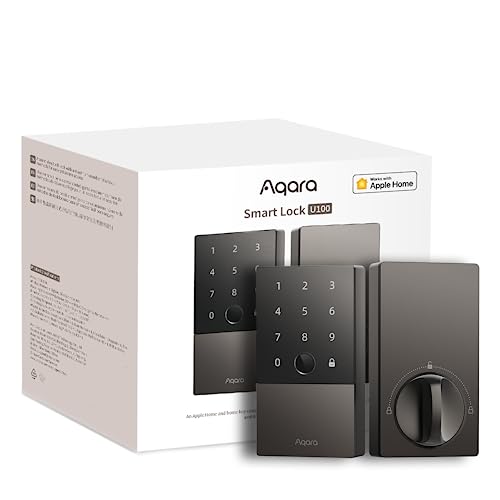
Aqara Smart Lock U100, Apple Home Key, Fingerprint Deadbolt, Gray
How to Choose the Right Smart Locks
Choosing the right smart lock depends on installation style, unlocking method, security rating, and smart-home integration—trade-offs that shift based on your door, budget, and ecosystem. A feature perfect for a rental may be wrong for a permanent home, and the best lock for Apple HomeKit might not fit your door or needs. Our recommendation engine evaluates your specific setup across five key dimensions and matches you to the right smart lock in under 60 seconds.
About this guide
Smart Locks
Why Smart Lock Shopping Is Tricky in 2026
On the surface, buying a smart lock seems simple—until you hit a wall of options, each with its own quirks and hidden trade-offs. The first big hurdle is installation: do you want a retrofit model like the Level Bolt Connect that keeps your existing deadbolt, or a full replacement such as the Yale Assure Lock 2 Plus? Retrofit options are easier and renter-friendly, but can misalign on thick doors over 1.75 inches. Full replacements offer higher security but may require drilling or door modifications. Next, you’re bombarded with unlocking methods—fingerprint readers (Lockly Access Touch Pro), numeric keypads, or app-only models. Each adds cost and complexity. Price is another minefield: you’ll see everything from $150 budget picks (often with weak security) to $500 premium models with biometrics and built-in Wi-Fi. Most buyers underestimate how much battery life, security grade (ANSI Grade 1 vs. Grade 2), and smart-home compatibility (Alexa, Google, HomeKit, Matter) affect daily use. Many skip measuring door thickness or checking for Wi-Fi bridge requirements, leading to frustrating returns or extra costs.
What Actually Sets Smart Locks Apart
The real differences between smart locks in 2026 come down to hardware security, connectivity, and integration—not just flashy features. Brands like Yale and Lockly lead on ANSI Grade 1/2 hardware, which resists brute-force attacks far better than unrated models. Skip anything under Grade 2 if you want real security; CR tests show Grade 2 locks withstand 80% more kick-ins than cheaper options. Built-in Wi-Fi (as found in the Yale Assure Lock 2 Plus or Aqara U100) is a significant upgrade for remote access, eliminating the need for $50+ hubs. Matter and Thread support are now essential for future-proofing—don’t get stuck with a Bluetooth-only lock unless you never plan to automate. Fingerprint sensors are great for speed, but be aware: they can fail in cold or wet weather and need recalibration after heavy use. Battery life varies wildly; AA lithiums last 6+ months, but heavy smart features drain faster. Eufy and Level offer strong value with local storage and reliable app integration, but always check if your chosen lock logs access events and supports your preferred smart-home ecosystem.
How to Choose: Key Decision Factors in 2026
Making the right choice means balancing installation style, unlocking method, security rating, and smart-home integration—all while staying within your budget. For example, if you want fingerprint access and robust security, expect to spend at least $180 for a model like the Lockly Access Touch Pro. If you’re in a rental or want a quick install, retrofit models like Level Bolt Connect save hassle but may not fit every door. Your smart-home setup matters: Matter/Thread support is crucial for Apple or Google users, while Alexa/Google locks are more universal. Battery life and Wi-Fi reliability are critical if you travel or want true remote control. Our quiz weighs these factors—installation, unlocking method, ecosystem, feature priority, and remote access—to match you with the best fit. Don’t forget: door thickness and hardware grade interact directly with your lock’s security and fit. Always measure your door and check for ANSI ratings before you buy. Skipping these steps leads to the most common buyer regrets.
Buyer's guide
How to choose
1Core Performance Criteria
- Prioritize locks with ANSI Grade 1 or 2 certification, such as Yale and Schlage models, for the best resistance to kick-ins and drilling attacks.
- Look for built-in Wi-Fi or Thread/Matter support on models like Yale Assure Lock 2 Plus to enable seamless remote access without extra hubs.
- Fingerprint sensors offer fast entry, but can struggle in cold or wet conditions; keypad and app access remain more reliable for daily use.
- Evaluate battery life—AA lithium batteries in models like Aqara U100 last up to 6 months, while frequent remote use can drain cheaper locks in 2-3 months.
- Check for access logs and geofencing in the app, features that Level Lock+ and Eufy S230 provide for tracking who enters and when.
- Ensure your lock integrates natively with your smart home platform—Matter support is now essential for Apple and Google Home environments.
2Build Quality and Durability
- Choose locks with solid metal housings and weatherproof seals, as found on Lockly Access Touch Pro and Yale models, for better longevity outdoors.
- Avoid sub-$150 models with plastic components, which are more prone to breakage and have weaker resistance to forced entry.
- Look for IP-rated weather resistance if your lock will be exposed to rain or snow; not all premium locks are truly weatherproof.
- Retrofit models like Level Bolt Connect may misalign on doors thicker than 1.75 inches, so always measure before buying to avoid fitment issues.
- Battery compartments should be easy to access and secure—fiddly designs lead to accidental lockouts or water ingress over time.
- Check for robust motor mechanisms and smooth key override; CR testing shows cheaper locks jam more often after 12 months of daily use.
3Value and Price Analysis
- The $180-$220 range is the current sweet spot for Wi-Fi and fingerprint models like Yale Assure Lock 2 Plus, balancing security and smart features.
- Premium models above $250 offer extras like built-in cameras or advanced biometrics, but most buyers won’t use these daily.
- Avoid budget locks under $150, such as Defiant Hubspace, which consistently score lower in brute-force resistance and app reliability.
- Look for sales—Eufy S230 often drops to $120, making it the best value for local storage and strong security without subscription fees.
- Factor in hidden costs like Wi-Fi bridges ($50) or door reinforcement plates ($17) when comparing total ownership price.
- Don’t overpay for features you’ll never use—skip camera integration unless you specifically need video or facial recognition at your door.
4Matching to Your Use Case
- Renters or those seeking easy installation should prioritize retrofit models like Level Bolt Connect, which work with existing deadbolts and require minimal tools.
- Families or Airbnb hosts benefit from keypad models for easy PIN sharing, while fingerprint sensors suit busy households needing quick, keyless access.
- If you travel often, choose a lock with reliable remote access and auto-lock features, such as Yale Assure Lock 2 Plus with built-in Wi-Fi.
- Apple Home and Matter users should stick to locks with certified Thread/Matter support, like Aqara U100, for seamless automation.
- Minimalist design fans will appreciate Level Lock+ Connect, which hides the tech inside the door and maintains a traditional look.
- Thick or metal doors may require shims or special installation kits—always check compatibility before purchasing to avoid costly returns.
5Common Mistakes to Avoid
- Failing to measure door thickness (standard is 1.375-1.75 inches) leads to retrofit misalignment and wasted installation effort.
- Overlooking ANSI hardware grade means settling for weaker security; always check for Grade 1 or 2 certification before buying.
- Assuming all smart locks work with every ecosystem—many Alexa/Google models lack Matter or HomeKit support, causing integration headaches.
- Neglecting battery type—use AA lithium batteries for 6+ month life, especially in cold climates, to avoid frequent lockouts.
- Skipping access log and app reliability checks; some budget locks falsely log unlocks or sync slowly, creating confusion and security gaps.
- Buying Bluetooth-only models without realizing you’ll need a separate Wi-Fi bridge for remote access, adding unexpected cost and setup complexity.
6Maintenance and Longevity
- Replace batteries with AA lithiums every 4-6 months, especially if your lock supports remote access or sees heavy daily use.
- Calibrate fingerprint sensors periodically—after 100+ uses or in extreme weather—to maintain accuracy and prevent false rejections.
- Update firmware regularly through the app to patch security vulnerabilities and improve connectivity, especially on Wi-Fi and Matter-enabled models.
- Check for physical wear on keypads and housings annually; worn buttons or cracked seals can lead to water ingress and malfunctions.
- Clean contact points and lubricate mechanical parts every six months to prevent jams and extend the life of the locking mechanism.
- Store backup keys in a secure place, as even premium models like Lockly and Yale can experience electronic failures or battery depletion.
FAQ
Frequently asked questions
Is Matter or Thread compatibility worth paying extra for in 2026?
Absolutely, Matter and Thread compatibility are now essential for future-proofing your smart home. Locks like the Yale Assure Lock 2 Plus and Aqara U100 integrate seamlessly with Apple and Google ecosystems, enabling automation and voice control without extra hubs. Paying $20–$40 more for Matter support ensures your lock won’t become obsolete as platforms evolve, and it eliminates many connectivity headaches seen with older Bluetooth-only models.
How does the Lockly Access Touch Pro compare to the Yale Assure Lock 2 Plus?
The Lockly Access Touch Pro excels in brute-force resistance and offers a fast, reliable fingerprint reader, making it ideal for users prioritizing security and biometric access. The Yale Assure Lock 2 Plus, meanwhile, stands out for its built-in Wi-Fi, Matter support, and broad smart-home compatibility. If you value advanced biometrics, choose Lockly; for seamless integration and automation, Yale is the better pick. Both are top-rated by Consumer Reports.
What security grade should I look for in a smart lock?
Always choose a lock with at least ANSI Grade 2 certification for residential use. Grade 1 offers commercial-level protection, but Grade 2 models from brands like Yale and Schlage resist 80% more kick-ins than unrated locks. Avoid budget locks without clear ANSI ratings, as they consistently underperform in Consumer Reports’ brute-force and drilling tests. The extra $30–$50 for certified hardware is a worthwhile investment in real security.
Do I need built-in Wi-Fi, or is Bluetooth enough for remote access?
Built-in Wi-Fi is strongly recommended if you want true remote access and automation. Models like the Yale Assure Lock 2 Plus or Aqara U100 connect directly to your network, enabling app control from anywhere. Bluetooth-only locks require a separate hub or bridge, adding $50 and setup complexity. Unless you never plan to control your lock away from home, native Wi-Fi is worth the upgrade for convenience and reliability.
How does the Level Lock+ Connect Wi-Fi perform for renters and minimalists?
The Level Lock+ Connect Wi-Fi is a standout for renters or anyone seeking a discreet, retrofit solution. It installs inside your existing deadbolt, preserving your door’s appearance, and offers strong geofencing and app-based access logs. However, it may require shims on doors thicker than 1.75 inches. If you want minimal visual impact and easy removal, Level is a top pick, but always measure your door to ensure compatibility.
What battery life can I expect from a smart lock, and how can I extend it?
Most smart locks with Wi-Fi or advanced features last 3–6 months on AA lithium batteries, while Bluetooth-only models may stretch to 9 months. Frequent remote use, cold weather, and heavy daily access all shorten battery life. To maximize longevity, use lithium batteries, minimize unnecessary app notifications, and keep firmware updated. Always have a backup key or external battery pack for emergencies, especially if you travel often.
Are fingerprint sensors reliable for all climates and users?
Fingerprint sensors offer quick, keyless entry but can struggle in cold, wet, or dusty conditions. Models from Lockly and Eufy may require recalibration after 100+ uses or in extreme weather. If you live in a harsh climate or have frequent guests, consider a lock with both fingerprint and keypad options. Always test the sensor with all intended users to ensure consistent access before relying on it exclusively.
Related reading
Best Smart Locks By Category
Related Guides
Alarm Clocks
Matched to your sleep style, wake-up difficulty, power source, and must-have features—get the alarm clock that actually works for you.
Bar Carts
Style, storage, material, and budget—get matched to the bar cart that fits your space and entertaining style perfectly.
Bidet Toilet Seats
Comfort, hygiene, controls, and installation—get matched to the bidet seat that fits your home, habits, and budget.
Blackout Blinds
Room use, blackout level, window size, color, and budget—get matched to the right blackout blind for your space.
Blackout Curtains
Window size, blackout level, hanging style, and color—matched to your sleep, decor, and energy-saving goals.