Skip the research trap. Get your mesh wi‑fi systems for whole‑home coverage in 60 seconds.
We scored 300+ mesh wi‑fi systems for whole‑home coverage across 5 dimensions — answer 5 quick questions and we'll match you to YOUR best pick.
Powered by DecisionScore™
Each product is evaluated across 18 weighted criteria — covering performance, value, build quality, and real-world usability. Your quiz answers re-weight the criteria to match what matters most to you, so two people can get different #1 picks from the same data.
See the DecisionScore methodology →Find your perfect mesh wi‑fi systems for whole‑home coverage
5 quick questions. No quiz-takes-10-minutes trap. A personalized match from 28 scored picks — with clear reasoning for every recommendation.
Which best describes how you’ll use your Wi‑Fi network?
Your use case influences the balance between speed, coverage and device capacity. Streaming and gaming require high throughput and low latency; whole‑home coverage prioritises strong signal across large spaces; smart home setups demand reliability for many connected devices; while easy setup is ideal for those who just want hassle‑free internet.
- Streaming and gaming require high throughput and low latency; mesh systems with strong backhaul excel here.
- Large homes need more nodes, not just higher speeds, to eliminate dead zones on every floor.
- Smart home setups benefit from mesh kits rated for high device capacity and reliable 2.4GHz/5GHz fallback.
As an Amazon Associate and affiliate partner we earn from qualifying purchases. Links on this page may earn us a commission at no extra cost to you. Full disclosure
Not ready for the quiz? Here are our overall top picks
These are our top-rated picks overall. For a recommendation matched to YOUR specific needs,
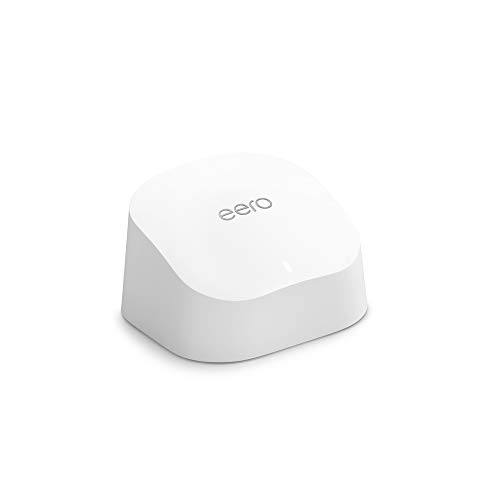
Amazon eero 6 mesh wifi router - Supports internet plans up to 900 Mbps,

D-Link M32, Eagle Pro AI WiFi 6 Lifestyle Router - Smart Wireless Internet
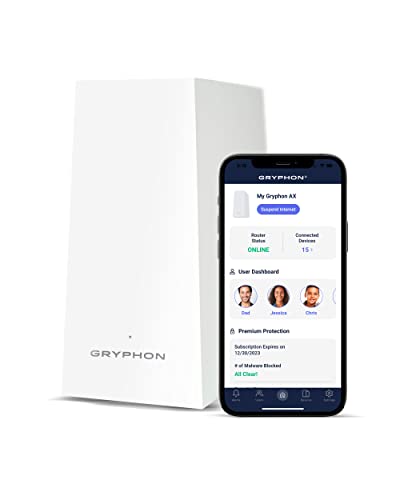
Gryphon AX – Ultra-Fast Mesh WiFi 6 Parental Control Router – Advanced Content
How to Choose the Right Mesh Wi‑Fi Systems for Whole‑Home Coverage
Choosing the right mesh Wi‑Fi system depends on your home’s size and layout, device count, wired versus wireless needs, and appetite for advanced features—trade-offs that shift based on your real usage and future plans. Generic top-10 lists fail here because a system perfect for a small, wireless-only apartment is totally wrong for a large, multi-story home with lots of wired gear. Our recommendation engine weighs your specific setup across five key dimensions and matches you to the right mesh Wi‑Fi kit in under 60 seconds.
About this guide
Mesh Wi‑Fi Systems for Whole‑Home Coverage
The Real Buying Challenge: Trade-offs and Specs That Matter
Picking the right mesh wifi systems in 2026 is trickier than most expect. Today’s homes juggle dozens of devices—streaming boxes, gaming consoles, smart speakers, security cameras—all demanding stable, fast connections. A single router rarely covers more than 2,000 sq ft without dead zones, especially through thick walls or on multiple floors. Mesh wifi systems solve this by placing nodes throughout your home, but the choices are dizzying: Wi‑Fi 6, 6E, or 7? Tri-band or quad-band mesh wifi systems? TP-Link Deco BE63, Asus ZenWiFi BQ16 Pro, Netgear Orbi 870, and Eero Pro 7 all promise big numbers, but real-world performance varies wildly between mesh wifi systems. Price tiers are dramatic: a solid value kit like the Deco XE75 starts under $300, while flagship Wi‑Fi 7 mesh wifi systems like the Asus BQ16 Pro or Orbi 970 can top $1,200. Most buyers focus on peak speed or brand, but overlook crucial trade-offs—like how many Ethernet ports you’ll actually use on your mesh wifi systems, or whether you need advanced parental controls. Overbuying on speed or underestimating node count are the most common mistakes with mesh wifi systems, and can leave you with either wasted money or lingering dead zones.
What Separates the Options: Technologies, Features, and Real-World Performance
Not all mesh wifi systems are created equal, and the differences go far beyond Wi‑Fi version numbers. Wi‑Fi 7 is the new gold standard for mesh wifi systems, with Multi-Link Operation and 6GHz support delivering up to 3Gbps at close range, but only if your devices can use it. TP-Link Deco BE63 and BE636 mesh wifi systems offer the best value for most, balancing 7,200 sq ft coverage, 2.5Gbps ports, and sub-$800 pricing. Asus ZenWiFi BQ16 Pro is the speed king among mesh wifi systems, but its quad-band, 3Gbps 6GHz performance only matters if you have a 2Gbps+ internet plan and lots of new devices. Eero Pro 7 stands out for effortless Alexa integration and compact nodes, while Netgear Orbi 870/970 is the go-to mesh wifi system for sprawling homes—if you can stomach the $1,000+ price. Don’t get distracted by theoretical max speeds; prioritize node count and 2.5Gbps Ethernet ports in your mesh wifi systems if you have wired gear. Skip quad-band mesh wifi systems unless you’re a power user or have gigabit fiber. Security and parental controls can be free (TP-Link, Asus) or subscription-based (Eero), which is a deal-breaker for some mesh wifi systems buyers. In short: match the mesh wifi system’s strengths to your real needs, not just the marketing hype.
Decision Factors and How to Choose: Matching System to Space, Devices, and Budget
Your home’s size, layout, and device mix interact with your budget and feature priorities in ways that make choosing mesh wifi systems a nuanced puzzle. For example, a 3-pack mesh wifi system like the Deco BE63 covers 7,000+ sq ft in open layouts, but real-world walls or multi-story homes may need extra nodes or EasyMesh expansion. If you have a lot of wired devices—gaming PCs, NAS, or need wired backhaul—prioritize mesh wifi systems with multiple 2.5Gbps ports (Asus, TP-Link) over raw wireless speed. Advanced parental controls or malware protection? Some mesh wifi systems bundle it for free, others lock it behind subscriptions. And don’t forget: Wi‑Fi 7’s 6GHz band in mesh wifi systems is blazing fast but loses steam past 50 feet, so 5GHz and 2.4GHz remain crucial for range. Our quiz weighs your space, device count, wired vs wireless needs, security preferences, and configuration appetite to match you to the right mesh wifi systems. Ultimately, balancing node count, port needs, and future-proofing against your actual internet speed and budget is the smartest path—overspending on premium mesh wifi systems features you’ll never use is the most common regret.
Buyer's guide
How to choose
1Core Performance and Coverage Criteria
- Prioritize node count and real-world coverage claims—three-node kits like TP-Link Deco BE63 reliably cover 7,000+ sq ft, but walls and floors reduce range.
- Wi‑Fi 7 mesh systems with Multi-Link Operation deliver up to 3Gbps at close range, but expect 600–1,000Mbps at 50–75 feet through walls.
- Tri-band designs are sufficient for most homes, but quad-band models like Asus ZenWiFi BQ16 Pro only pay off with gigabit fiber and heavy multi-device use.
- Don’t chase theoretical max speeds—actual throughput depends on your ISP plan and device compatibility, not just the router’s headline numbers.
- If you stream 4K, game online, or have dozens of smart devices, look for systems with strong backhaul and high device capacity ratings.
- Expandable systems like TP-Link Deco allow you to add nodes later, ensuring you can eliminate dead zones as your needs grow.
2Build Quality and Durability
- Premium mesh kits like Netgear Orbi 970 and Asus ZenWiFi BQ16 Pro use larger, heavier nodes with better cooling and longer component life.
- TP-Link Deco BE63 balances solid construction and discreet size, making it easier to place nodes without sacrificing durability or aesthetics.
- Cheaper Wi‑Fi 6E models like Deco XE75 use lighter plastics but still offer reliable performance for most homes under 5,000 sq ft.
- Avoid systems with minimal ventilation or compact designs that overheat under heavy loads—performance throttling is a real risk in 2026.
- Check for robust power adapters and replaceable cables, as these are common failure points in long-term mesh network setups.
- Warranty length varies: Asus and TP-Link typically offer two years, while Eero and Netgear sometimes require paid subscription for extended support.
3Value Analysis and Pricing Trends
- The 2026 sweet spot is $500–$800 for Wi‑Fi 7 mesh kits like TP-Link Deco BE63 or Asus ZenWiFi BD5, balancing coverage and speed for most homes.
- Budget Wi‑Fi 6E systems, such as Deco XE75, remain a strong choice at $300 for those with moderate speed needs and older devices.
- Premium quad-band models like Asus BQ16 Pro or Orbi 970 exceed $1,000, but only justify their price for 9,000+ sq ft or multi-gigabit internet.
- TP-Link consistently undercuts Asus and Netgear by 30–50% while matching or exceeding real-world speeds and features in the same tier.
- Two-packs save 40% versus three-packs, but only suit homes under 5,000 sq ft—don’t skimp on node count to save money.
- Subscription fees for parental controls or security (Eero, Netgear) add up over time, so factor total cost of ownership into your decision.
4Use-Case Fit: Matching System to Your Needs
- Large, multi-story homes with thick walls benefit from systems like Netgear Orbi 870 or Deco BE63, which maintain 600+Mbps at long range.
- Smart home setups with dozens of IoT devices need mesh kits rated for high device counts and stable 2.4GHz/5GHz fallback, not just 6GHz speed.
- Gamers and streamers should prioritize low-latency systems with wired backhaul and 2.5Gbps Ethernet ports, such as Asus ZenWiFi BD5.
- If you want plug-and-play simplicity, Eero Pro 7 offers the fastest, most user-friendly setup, but advanced users may find its controls limiting.
- Households with kids should seek built-in, subscription-free parental controls (TP-Link, Asus) to avoid ongoing fees for basic features.
- Frequent movers or renters should choose expandable, compact systems like Deco or Eero, which adapt easily to new layouts and room counts.
5Common Mistakes and Pitfalls
- Overestimating coverage: Manufacturer sq ft claims assume open layouts—real homes with walls often need more nodes than advertised.
- Ignoring Ethernet needs: Many buyers regret choosing systems with too few 2.5Gbps ports for wired gaming PCs, NAS, or backhaul.
- Focusing on max speed instead of node count leads to dead zones, especially in homes over 4,000 sq ft or with brick walls.
- Paying for Wi‑Fi 7 when your devices and ISP plan can’t use it wastes hundreds—Wi‑Fi 6E is still viable for many in 2026.
- Forgetting about subscription fees: Eero and Netgear charge for advanced security or parental controls, unlike TP-Link and Asus.
- Choosing bulky, hard-to-place nodes (Asus, Orbi) can create placement headaches and compromise aesthetics in visible living spaces.
6Maintenance, Longevity, and Upgradability
- Mesh systems with modular, EasyMesh-compatible nodes (TP-Link Deco) are easiest to expand or upgrade as your needs change.
- Firmware updates matter—brands like Asus and TP-Link offer frequent security patches, while some budget models lag behind.
- Replaceable power adapters and standard Ethernet ports extend system life and make repairs easier if a component fails.
- Avoid systems with proprietary or non-standard connectors, as finding replacements in 2026 can be frustrating and expensive.
- Regularly check for firmware updates to maintain security and compatibility with new devices, especially as Wi‑Fi standards evolve.
- Plan for a five-year upgrade cycle—Wi‑Fi 7 is future-proof now, but device and ISP upgrades may require new hardware by 2031.
FAQ
Frequently asked questions
Is Wi‑Fi 7 worth paying extra for in 2026?
Wi‑Fi 7 mesh systems like TP-Link Deco BE63 and Asus ZenWiFi BQ16 Pro offer blazing speeds (up to 3Gbps) and better multi-device handling, but only if your devices support Wi‑Fi 7 and you have a gigabit or faster internet plan. For most households with standard laptops, phones, and ISP speeds under 1Gbps, Wi‑Fi 6E models like Deco XE75 deliver nearly as much real-world performance at a lower price. Only invest in Wi‑Fi 7 if you want maximum future-proofing or already own compatible devices.
How does TP-Link Deco compare to Netgear Orbi for large homes?
TP-Link Deco BE63 and BE636 offer 7,000+ sq ft coverage in three-node kits for $500–$800, with excellent expandability and 2.5Gbps ports. Netgear Orbi 870 and 970 cover up to 9,000 sq ft but cost $1,000+ and are bulkier. Both deliver strong speeds, but TP-Link is more affordable and easier to expand, while Orbi is best for truly massive homes or those needing quad-band performance. For most large homes, TP-Link Deco provides the best balance of price, coverage, and ease of use.
What Wi‑Fi mesh system is best for gaming and streaming?
For gaming and streaming, prioritize mesh systems with low latency, strong backhaul, and multi-gigabit Ethernet ports. Asus ZenWiFi BD5 and TP-Link Deco BE63 are top picks, supporting 2.5Gbps wired connections and consistent 1,000Mbps+ wireless speeds. Wi‑Fi 7’s Multi-Link Operation reduces dropouts, and tri-band or quad-band designs help avoid congestion. Avoid entry-level kits with limited ports or single-band backhaul, as these can bottleneck high-demand activities. Always match your system to your ISP speed and gaming device requirements.
Are Eero mesh systems good for smart homes?
Eero Pro 7 and Eero 7 are excellent for smart homes thanks to their easy setup, Alexa integration, and reliable connectivity for dozens of IoT devices. However, advanced parental controls and security features require a paid subscription after the trial period. Eero’s compact nodes are easy to place, but if you need free built-in security or more Ethernet ports, consider TP-Link Deco or Asus ZenWiFi instead. Eero is best for users who value simplicity and smart home compatibility over deep customization.
How many Ethernet ports do I need for a mesh Wi‑Fi system?
If you have multiple wired devices—gaming PCs, NAS, or want wired backhaul—choose a mesh system with at least two 2.5Gbps Ethernet ports per node, such as TP-Link Deco BE63 or Asus ZenWiFi BD5. For mostly wireless households, a single gigabit port per node is usually enough. Remember, some systems only provide multi-gig ports on the main router, so check specs carefully. If you need more ports, adding a gigabit switch is a cost-effective solution.
What’s the best mesh Wi‑Fi system for a 5,000 sq ft multi-story home?
For a 5,000 sq ft multi-story home, a three-node kit like TP-Link Deco BE63 or Deco XE75 is usually sufficient, offering strong coverage and 600–1,000Mbps speeds even through walls. If your layout is complex or you have many wired devices, consider Asus ZenWiFi BD5 for more Ethernet ports and quad-band performance. Avoid two-node kits, as they often leave dead zones on upper or lower floors. Always position nodes on different levels for optimal signal distribution.
Do I need to pay for security and parental controls?
It depends on the brand. TP-Link Deco and Asus ZenWiFi include advanced security and parental controls at no extra cost, making them ideal for families. Eero and Netgear Orbi require a paid subscription to unlock full security features and robust parental controls after a free trial. If network-level protection is a priority, factor ongoing subscription fees into your total cost of ownership, or choose a system with free built-in protections to avoid surprise expenses.
Related reading
Best Mesh Wi‑Fi Systems for Whole‑Home Coverage By Category
Compare Mesh Wi‑Fi Systems for Whole‑Home Coverage
Related Guides
Automatic Pet Feeders
Matched to your pet’s food type, number of pets, feeding schedule, and the features you’ll actually use.
Upgrade Your Home Security with DIY Smart Products
We match you to the right cameras, locks, doorbells, and Wi-Fi—based on your home, tech comfort, budget, and security priorities.
Top Products to Make Your Home More Energy Efficient
Matches you to smart thermostats, ACs, and appliances based on your climate, home type, budget, and comfort with tech.
Home Security Cameras
Mounting, power, resolution, storage, and smart features—get a security camera matched to your home, habits, and privacy needs.
Home Weather Stations
Matched to your climate, installation site, data needs, and how serious you are about weather tracking.