Skip the research trap. Get your leg compression massage boots in 60 seconds.
We scored 250+ leg compression massage boots across 5 dimensions — answer 5 quick questions and we'll match you to YOUR best pick.
Powered by DecisionScore™
Each product is evaluated across 18 weighted criteria — covering performance, value, build quality, and real-world usability. Your quiz answers re-weight the criteria to match what matters most to you, so two people can get different #1 picks from the same data.
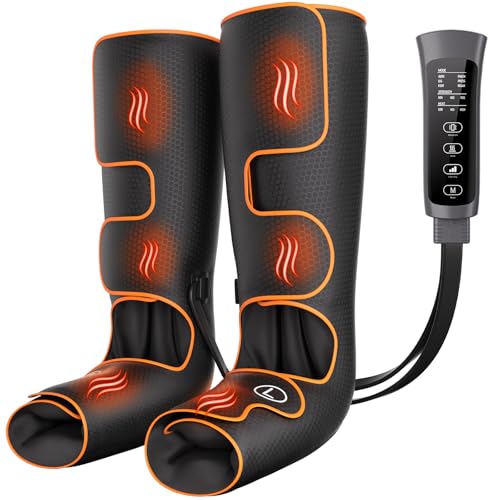
See the DecisionScore methodology →- Costco-favorite boots with three compression settings and heat
- Provides relief to foot and calf muscles
- Plug-in power with wired remote control
Find your perfect leg compression massage boots
5 quick questions. No quiz-takes-10-minutes trap. A personalized match from 21 scored picks — with clear reasoning for every recommendation.
What type of power source do you prefer for your leg compression boots?
The power source affects portability and convenience. Wireless options offer more freedom of movement, while plug-in models may provide more consistent power for longer sessions.
- Full-leg boots cover foot, calf, and thigh for maximum recovery but are bulkier and pricier.
- Calf-only or foot-and-calf sleeves are lighter, easier to fit, and cost less if you don’t need thigh coverage.
- Always measure your leg circumference to ensure the chosen coverage area fits comfortably and provides effective compression.
As an Amazon Associate and affiliate partner we earn from qualifying purchases. Links on this page may earn us a commission at no extra cost to you. Full disclosure
Not ready for the quiz? Here are our overall top picks
These are our top-rated picks overall. For a recommendation matched to YOUR specific needs,
Banspol Leg Massager with Heat and Compression, Foot and Calf Massager for
Costco-favorite boots with three compression settings and heat
View Today's Price
Hyperice Normatec Elite, Size Standard, Cordless Recovery System, 7 Levels of
Compact calf sleeves with 7 levels of compression
View Today's Price
Compex Wireless USA 2.0 Muscle Stimulator w/TENS Bundle Kit: Muscle Stimulation
Wireless calf sleeves with four intensity levels
View Today's PriceHow to Choose the Right Leg Compression Massage Boots
Choosing the right leg compression massage boots depends on pressure range, fit, therapy features, portability, and how you plan to use them—trade-offs that shift based on your body size, recovery goals, and budget. A feature that’s perfect for athletes (like high max pressure or app control) may be overkill or even uncomfortable for casual users. Our recommendation engine evaluates your specific needs across five key dimensions and matches you to the right boot in under 60 seconds.
About this guide
Leg Compression Massage Boots
Why Picking the Right Compression Boots Is Tricky
Leg compression massage boots seem simple, but the real challenge lies in balancing compression strength, fit, and features against your budget. Most buyers overlook the importance of pressure range—measured in mmHg—which determines whether leg compression massage boots feel soothing or uncomfortably tight. For instance, premium leg compression massage boots like the Hyperice Normatec Elite (30–110 mmHg) offer a spectrum that suits both sensitive users and athletes needing deep recovery, while budget leg compression massage boots such as FIT KING often cap out at lower pressures. Price tiers are stark: $150–$200 gets you basic, plug-in leg compression massage boots with limited adjustability and less durable materials; $250–$400 (think Quinear or ReAthlete) brings multi-zone compression and better build; $800+ means wireless, app-controlled, and pro-level power in leg compression massage boots. Many buyers get sizing wrong—ignoring calf and thigh measurements leads to leg compression massage boots that pinch or feel loose, especially during longer sessions. Battery life is another overlooked trade-off: wireless leg compression massage boots are tempting for travel but often last just 2–3 sessions per charge, while plug-in leg compression massage boots are better for daily, extended use. Don’t assume more features always mean better results—added therapies like heat or vibration in leg compression massage boots are only worth it if you’ll use them regularly. Getting the right fit and feature set in leg compression massage boots is far harder than it looks.
What Separates the Best Boots from the Rest
The biggest differentiators in leg compression massage boots are pressure adjustability, chamber count, and real-world comfort. Skip any leg compression massage boots with fewer than four compression chambers—these mimic cheap socks, not true boots. Sequential (peristaltic) compression, as found in the Rapid Reboot Classic or Quinear leg compression massage boots, is far superior to uniform inflation, pushing fluid up the leg and preventing blood pooling. Brands like Hyperice and Compex stand out for offering 7+ pressure levels and app integration in their leg compression massage boots, but unless you’re a serious athlete or want wireless convenience, you’re often paying a hefty premium for marginal gains. For most users, the sweet spot is $250–$400: Quinear’s leg compression massage boots, for example, deliver full-leg coverage, quiet operation, and deep pressure without the $800+ price tag. Don’t get distracted by red-light or vibration therapy in leg compression massage boots unless you have specific recovery needs—these add cost and complexity, but little for general soreness. Battery-powered leg compression massage boots are only worth it if you’ll use them on the go; otherwise, plug-in leg compression massage boots are more reliable for long sessions. Check for adjustable sizing—velcro straps and multiple boot sizes in leg compression massage boots matter more than you think. In short: prioritize sequential compression, at least 6 pressure levels, and a fit tailored to your leg measurements when choosing leg compression massage boots.
How to Choose: Key Decision Factors and Trade-offs
Your ideal leg compression massage boots depend on how you’ll use them, what part of your leg needs relief, and your tolerance for bulk or noise. Room size and storage space matter—leg compression massage boots are bulky, so frequent travelers should prioritize wireless or battery-powered leg compression massage boots like the Compex Ayre, despite shorter battery life. If you want daily, hands-free recovery at home, plug-in leg compression massage boots are less hassle and often quieter. Pressure adjustability and chamber count interact: more zones in leg compression massage boots mean more targeted relief, but also more weight and complexity. Sizing is non-negotiable—measure your calf and thigh (aim for leg compression massage boots offering S/M/L/XL or at least 12–20" calf, 18–28" thigh compatibility). Budget will constrain your feature set: under $200 means sacrificing full-leg coverage or durability in leg compression massage boots; $250–$400 is the value sweet spot for most. If you want heat or app control in your leg compression massage boots, expect to pay more and possibly deal with Bluetooth quirks. Our quiz weighs your desired coverage area, therapy features, portability, pressure needs, and control preferences for leg compression massage boots. Ultimately, don’t ignore fit or overpay for features you won’t use—return policies are your friend if sizing isn’t perfect for your leg compression massage boots.
Buyer's guide
How to choose
1Core Performance Criteria
- Always check the pressure range in mmHg; 30–110 mmHg covers both gentle and deep compression, while cheaper boots often max out at lower levels.
- Sequential compression with at least four chambers is essential for effective recovery—avoid boots with only two or three zones, as they feel more like socks.
- Look for at least six pressure settings or levels; this allows you to fine-tune intensity for different days or muscle groups.
- Session length matters: premium models offer up to 60-minute timed cycles, while budget options may only run for 15–20 minutes per session.
- App integration is helpful for customizing routines, but not essential unless you want detailed tracking or remote control from your phone.
- Noise level can be a deal-breaker—models under $300 often have loud pumps that disrupt relaxation or TV watching during use.
2Build Quality and Durability
- Ripstop nylon and reinforced stitching, as seen in Quinear and Hyperice boots, resist tears and last through hundreds of sessions.
- Velcro straps and adjustable sizing are crucial for a secure fit; avoid "one-size-fits-most" models if you have larger calves or thighs.
- Check for replaceable liners and hoses—these components wear out first, especially with daily use or shared boots in a gym setting.
- Premium boots often include a carry case and better zippers, making them easier to store and less prone to breakage during travel.
- Budget models under $200 may use thinner materials that stretch or split after 50 uses, so read user reviews for long-term feedback.
- Warranty length varies: top brands like Hyperice offer 1–2 years, while cheaper options may only cover manufacturing defects for 90 days.
3Value Analysis and Price Tiers
- The $250–$400 range is the current sweet spot for full-leg coverage, 6+ pressure levels, and reliable battery life in 2026.
- Under $200, you’ll typically sacrifice thigh coverage, chamber count, or long-term durability—these are best for occasional use or beginners.
- Premium models ($800+) like Hyperice Normatec offer wireless control and pro-grade power, but most users won’t need the extra features.
- Spring discounts of 20–40% are common on mid-tier models like Quinear, making them a better value than waiting for Black Friday sales.
- Factor in the cost of accessories: replacement hoses, liners, and carrying cases can add $30–$60 over the product’s lifespan.
- Don’t overpay for heat or vibration unless you have a specific therapeutic need—these features add $100+ but little value for most users.
4Use-Case Fit and Personalization
- Measure your calf and thigh circumference before buying—70% of returns are due to poor fit, not performance or features.
- Athletes and runners should prioritize boots with at least 7 pressure levels and sequential compression for optimal post-workout recovery.
- Desk workers or those with circulation issues may prefer gentle, lower-pressure boots with longer timed sessions and foot coverage.
- Travelers should look for wireless or battery-powered boots, accepting shorter battery life for the convenience of portability.
- If you want to target only calves or feet, choose models with modular sleeves or “foot and calf” options—don’t pay for full-leg boots.
- Shared users (family or gym) need boots with adjustable sizing, replaceable liners, and easy cleaning to maintain hygiene and comfort.
5Common Mistakes and Pitfalls
- Ignoring calf and thigh measurements leads to discomfort or ineffective compression—always check sizing charts and return policies before purchase.
- Assuming more features equals better recovery is a mistake; heat and vibration are unnecessary unless prescribed for your condition.
- Choosing wireless boots for daily, long sessions often results in frustration due to short battery life—plug-in models are better for home use.
- Buying boots with only two or three chambers provides uneven pressure and minimal benefit compared to true sequential compression systems.
- Overlooking noise complaints in user reviews leads to disappointment—loud pumps are common in cheaper models and disrupt relaxation.
- Not testing boots within the return window is risky; discomfort or poor fit often reveals itself only after a few full sessions.
6Maintenance and Longevity
- Wipe liners with sanitizing wipes after each use to prevent odor and bacteria buildup, especially if sharing boots with others.
- Store boots flat or rolled with included straps to avoid kinks in air hoses and prolong the life of internal bladders.
- Replace air hoses and liners every 6–12 months if using boots daily; most brands sell affordable replacement kits online.
- Avoid over-inflating boots beyond recommended pressure levels—this strains seams and can cause premature leaks or tears.
- Recharge batteries fully before storage if using wireless models, as deep discharges reduce total battery lifespan over time.
- Check for firmware updates on app-controlled boots; manufacturers occasionally release bug fixes that improve Bluetooth stability and session programming.
FAQ
Frequently asked questions
Is it worth paying extra for heat or vibration therapy in compression boots?
Heat and vibration therapy can enhance comfort and may speed up recovery for some users, but they add $100 or more to the price. Unless you have a specific need for warmth or deeper muscle relaxation—such as chronic soreness or prescribed therapy—most buyers find standard compression sufficient. Expert reviews suggest that for general post-workout recovery or circulation, the added cost of heat and vibration isn’t justified. Prioritize pressure range and chamber count over these extras unless you know you’ll use them regularly.
How does Hyperice Normatec compare to Quinear or FIT KING boots?
The Hyperice Normatec Elite stands out for its wireless convenience, 7+ pressure levels, and app integration, but it costs $800–$1000. Quinear and FIT KING offer full-leg coverage, sequential compression, and 6+ pressure settings for $150–$400. While Hyperice is ideal for pro athletes or those wanting the most advanced features, Quinear delivers similar recovery benefits at a much lower price. FIT KING is best for beginners or those on a tight budget, though it may lack some premium features and durability.
What pressure range should I look for in compression massage boots?
Aim for a pressure range of 30–110 mmHg for the most versatility. This allows for gentle recovery sessions and deeper compression when needed. Budget models may only reach 70 mmHg, which can feel too mild for athletes or those seeking intense relief. Premium boots like Hyperice Normatec and Quinear cover the full spectrum, making them suitable for many users. Always start at the lowest setting and increase gradually to avoid discomfort or bruising.
Are wireless or battery-powered boots better than plug-in models?
Wireless and battery-powered boots are great for travel or occasional use, but they typically offer only 2–3 sessions per charge and can be bulkier due to internal pumps. Plug-in models, like the Rapid Reboot Classic, are better for daily, extended sessions at home and tend to be quieter and more reliable. If you need portability, wireless is worth the trade-off, but for regular recovery routines, plug-in boots provide better long-term value and performance.
How do I ensure the boots will fit my legs comfortably?
Measure your calf and thigh circumference before buying—most brands list sizing charts for each boot. Look for models with adjustable velcro straps and multiple size options (S/M/L/XL). Avoid “one-size-fits-most” claims, as these often lead to poor fit and uneven pressure. If your measurements are near the upper or lower end of a size range, choose the next size up for comfort. Always test the boots within the return window to confirm fit.
What’s the difference between sequential and uniform compression?
Sequential compression boots inflate chambers in a wave-like pattern from foot to thigh, mimicking professional lymphatic drainage and preventing blood pooling. Uniform compression inflates all chambers at once, which is less effective for circulation and recovery. Models like Quinear and Rapid Reboot Classic use sequential inflation, providing superior results for athletes and those with swelling or soreness. Always check the product specs for terms like “peristaltic” or “zoned” to ensure you’re getting true sequential compression.
How does the FIT KING Leg Air Massager compare to more expensive options?
The FIT KING Leg Air Massager is a solid budget choice at $150–$200, offering full-leg coverage and basic sequential compression. It’s ideal for beginners or occasional users but lacks the advanced features, durability, and higher pressure range of models like Hyperice Normatec or Quinear. FIT KING’s build quality is sufficient for light recovery, but heavy users may notice wear after 50–100 sessions. For frequent use or athletic recovery, investing in a mid-tier or premium boot is recommended.
Best Leg Compression Massage Boots By Category
Related Guides
Adjustable Dumbbells
Weight range, adjustment speed, handle style, and space—get matched to adjustable dumbbells that fit your real training needs.
Bike Mats
Matched to your bike type, floor surface, noise needs, material preference, and budget for the perfect indoor cycling mat.
Bike Trainers
Matched to your riding style, noise tolerance, tech needs, and space—get a bike trainer that fits your real routine.
Cold Plunge Tubs
Insulation, chilling method, space, and budget—get matched to the cold plunge tub that fits your recovery style and setup.
Compact Home Gyms
Matched to your space, resistance needs, tech comfort, and how you actually want to train—no more guessing or wasted space.