Skip the research trap. Get your professional studio headphones in 60 seconds.
We scored 250+ professional studio headphones across 5 dimensions — answer 5 quick questions and we'll match you to YOUR best pick.

Powered by DecisionScore™
Each product is evaluated across 18 weighted criteria — covering performance, value, build quality, and real-world usability. Your quiz answers re-weight the criteria to match what matters most to you, so two people can get different #1 picks from the same data.
See the DecisionScore methodology →- Custom-matched drivers for precise audio reproduction
- Alcantara earcups with CoolTech gel for all-day comfort
- Metal headband with lockable sliding height adjustment
Find your perfect professional studio headphones
5 quick questions. No quiz-takes-10-minutes trap. A personalized match from 24 scored picks — with clear reasoning for every recommendation.
What headphone design do you prefer?
Closed-back headphones seal out noise and prevent leakage into microphones—essential for recording. Open-back headphones sound more spacious and natural, making them ideal for mixing and mastering. Semi-open provides a hybrid experience.
- Closed-back headphones prevent sound leakage and are essential for recording vocals or instruments in shared spaces.
- Open-back headphones create a wide, natural soundstage, making them ideal for mixing and mastering in quiet studios.
- Semi-open designs balance some isolation with a more open sound—great if you need versatility for both tracking and mixing.
As an Amazon Associate and affiliate partner we earn from qualifying purchases. Links on this page may earn us a commission at no extra cost to you. Full disclosure
Not ready for the quiz? Here are our overall top picks
These are our top-rated picks overall. For a recommendation matched to YOUR specific needs,
RØDE NTH-100 Professional Over-ear Headphones For Content Creation, Music
Custom-matched drivers for precise audio reproduction
View Today's Price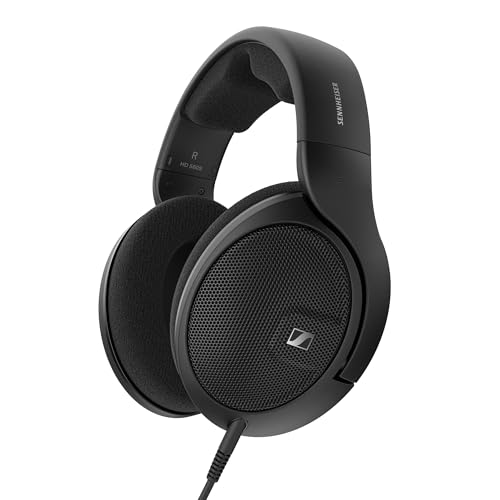
Sennheiser HD 560S Open-Back Over-Ear Wired Headphones – Neutral, Natural Sound
Open-back design for neutral, accurate sound
View Today's Price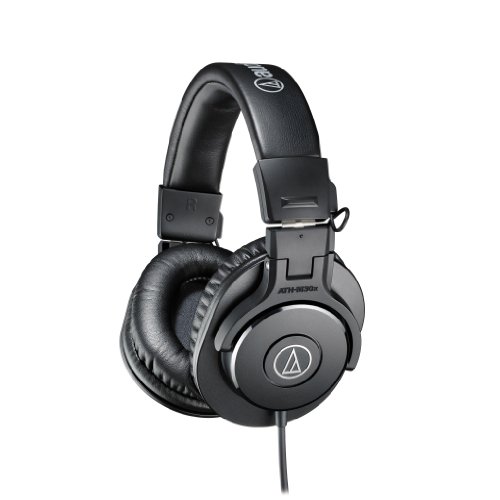
Audio-Technica ATH-M30x Professional Studio Monitor Headphones, Black
Entry-level professional studio monitor headphone
View Today's PriceHow to Choose the Right Professional Studio Headphones
Choosing the right professional studio headphones depends on your use case, room environment, budget, and comfort needs—trade-offs that shift based on your workflow and setup. A feature perfect for mixing in a silent room can be disastrous for tracking vocals in a shared studio. Our recommendation engine evaluates your specific needs across five key dimensions and matches you to the right headphones in under 60 seconds.
About this guide
Professional Studio Headphones
Why Studio Headphone Shopping Is Trickier Than It Looks
Selecting professional studio headphones in 2026 is a balancing act that trips up even seasoned musicians and engineers. The main challenge? Every professional studio headphones design—closed-back, open-back, or semi-open—comes with real trade-offs. Closed-back professional studio headphones like the Sony MDR-7506 ($100–$150) excel at isolation for recording, but their soundstage feels boxed-in and less natural for mixing. Open-back professional studio headphones such as the Sennheiser HD 600 or HD 490 PRO ($250–$300) deliver a spacious, speaker-like experience, but leak sound in both directions—making them a poor fit for tracking vocals or drums. Impedance is another minefield: lower-impedance professional studio headphones (32–80 ohms) work straight from laptops and interfaces, while high-impedance classics like the Beyerdynamic DT 880 PRO (250 ohms) demand a dedicated amp for full fidelity. Most buyers underestimate how much comfort and build quality matter for daily use—replaceable pads and detachable cables aren’t just nice-to-haves, they’re essential for professional studio headphones that get battered session after session. Don’t assume price equals quality: the $50–$300 range is packed with pro-grade professional studio headphones workhorses, and overspending on $1,000+ open-backs only makes sense if you have a silent studio and a reference amp for your professional studio headphones.
What Actually Sets Studio Headphones Apart
The real differentiators in professional studio headphones are design, sound signature, and build—not flashy features or wireless gimmicks. Open-back professional studio headphones like the Sennheiser HD 800 S and Audeze LCD-X are revered for their wide, natural soundstage and flat frequency response, making them ideal for mixing and mastering. But skip open-back professional studio headphones unless you have a quiet space—sound leakage is a dealbreaker for tracking. Closed-back professional studio headphones such as the Audio-Technica ATH-M50x and Beyerdynamic DT 770 PRO are unbeatable for isolation and tracking, but their imaging can’t match open-back professional studio headphones for critical mix work. Impedance matters more than most realize: if you’re plugging straight into a laptop, stick to 32–80 ohm professional studio headphones; higher-impedance professional studio headphones need an amp or you’ll never hear their full potential. Ignore wireless and ANC hype—wired, neutral professional studio headphones like the Sony MDR-MV1 or MDR-7506 are the studio standard for a reason. Replaceable pads and cables are non-negotiable for longevity in professional studio headphones. In short: prioritize the right professional studio headphones design for your workflow, honest sound over “fun” tuning, and robust, repairable construction.
How to Choose: Decision Factors and Interactions
Your professional studio headphones choice in 2026 comes down to how your use case, environment, and budget interact. Room noise dictates design: open-back professional studio headphones for mixing in quiet spaces, closed-back professional studio headphones for tracking or shared studios. Budget shapes your professional studio headphones options—under $100 gets you solid classics like the Sony MDR-7506, while $200–$300 opens up reference-grade open-back professional studio headphones and premium builds. Impedance and source matter: if you lack a headphone amp, avoid 250-ohm professional studio headphones models. Comfort is mission-critical for long sessions—clamping force, pad material, and headband design make or break daily usability of professional studio headphones. Our quiz weighs your professional studio headphones design, use case, budget, connectivity, and portability needs to match you with the right professional studio headphones. Don’t overlook the value of replaceable parts: a $150 professional studio headphones model with swappable pads outlasts a $300 glued-together professional studio headphones. Finally, remember that “studio” doesn’t mean “fun”—the best professional studio headphones pick is the one that fits your workflow, not just your wishlist.
Buyer's guide
How to choose
1Core Performance Criteria
- Prioritize flat, neutral frequency response—models like the Sennheiser HD 600 and Sony MDR-7506 reveal mix flaws others hide.
- Choose open-back headphones for mixing and mastering, but only if your room is quiet enough to avoid sound leakage issues.
- Closed-back designs such as the Beyerdynamic DT 770 PRO or Audio-Technica ATH-M50x are essential for tracking and recording vocals.
- Impedance matters: 32–80 ohms for laptops/interfaces, 150–250 ohms for use with a dedicated headphone amplifier.
- Look for detailed imaging and wide soundstage in open-backs—crucial for panning, reverb, and critical listening tasks.
- Avoid wireless or ANC models for studio use; wired connections guarantee zero latency and uncompromised audio fidelity.
2Build Quality and Durability
- Opt for headphones with replaceable ear pads and detachable cables—Audio-Technica ATH-M50x and Sony MDR-7506 excel here.
- Check for robust headbands and metal reinforcements; plastic-only builds often fail after a year of heavy studio use.
- Swiveling earcups (like on the MDR-7506) add flexibility for single-ear monitoring and on-the-fly adjustments.
- Premium models in the $200–$300 range typically offer better material quality and longer-lasting components.
- Avoid glued or non-serviceable designs; repairability is key for gear that sees daily use and occasional accidents.
- Look for brands with a reputation for long-term reliability—Sennheiser, Beyerdynamic, and Sony lead in studio durability.
3Value Analysis and Price Tiers
- The $150–$400 range delivers 80–90% of premium performance—ATH-M50x and MDR-MV1 are standout values for most studios.
- Spending $1,000+ on open-backs like the Sennheiser HD 800 S only makes sense for reference-grade mixing in silent environments.
- Budget models under $100, such as the Sony MDR-7506, remain industry standards for tracking and general monitoring tasks.
- Mid-range open-back headphones ($200–$300) offer the best balance of comfort, accuracy, and build for home studios.
- Watch for bundles or sales—premium models sometimes dip below $1,000, but value peaks under $500 for most buyers.
- Don’t be swayed by “audiophile” marketing; focus on proven studio workhorses over flashy consumer features.
4Use-Case Fit and Workflow Integration
- Mixing and mastering demand open-back headphones for a natural, speaker-like soundstage—avoid these if your space is noisy.
- Tracking vocals or instruments requires closed-back headphones to prevent sound leakage into microphones.
- If you need to move between locations, foldable models like the ATH-M50x offer portability without sacrificing performance.
- High-impedance headphones (150–250 ohms) are best paired with dedicated studio amps—skip these for mobile or casual use.
- General monitoring can be handled by semi-open designs, but they compromise on both isolation and spaciousness.
- Always match your headphone type to your primary workflow—using the wrong design leads to fatigue or poor results.
5Common Mistakes and Pitfalls
- Don’t buy open-back headphones for tracking sessions—sound leakage will ruin vocal or drum takes.
- Avoid wireless or Bluetooth models for studio work; even minimal latency disrupts timing and critical monitoring.
- Many buyers overlook comfort—heavy models like the Audeze LCD-X cause fatigue in long sessions despite stellar sound.
- Buying high-impedance headphones without an amp leads to weak, thin sound—check your interface’s output power first.
- Neglecting replaceable parts is a costly error; non-serviceable headphones often fail within two years of daily use.
- Chasing “fun” or bass-heavy sound signatures undermines mix accuracy—neutral, flat response is essential for studio work.
6Maintenance and Longevity
- Choose headphones with easy-to-replace ear pads and cables to extend lifespan and maintain hygiene over years of use.
- Clean ear pads regularly and store headphones in a protective case to prevent premature wear and tear.
- Inspect cables and connectors for wear—detachable designs like the ATH-M50x make replacements quick and affordable.
- Avoid exposing headphones to extreme temperatures or moisture, which can degrade drivers and headbands.
- Brands like Beyerdynamic and Sennheiser offer spare parts and support, making long-term maintenance feasible.
- Plan for periodic pad and cable replacements—budget $20–$40 every 1–2 years for best comfort and performance.
FAQ
Frequently asked questions
Is it worth paying extra for open-back headphones when mixing?
Yes, if your studio is quiet and you’re focused on mixing or mastering, open-back headphones like the Sennheiser HD 600 or HD 800 S offer a wider, more accurate soundstage and better imaging than closed-back models. This helps you make more precise panning, EQ, and reverb decisions. However, open-backs leak sound and provide zero isolation, so they’re not suitable for recording or noisy environments. Only invest in open-backs if your workflow truly benefits from their strengths.
How does the Sony MDR-7506 compare to the Audio-Technica ATH-M50x for studio use?
The Sony MDR-7506 and Audio-Technica ATH-M50x are both industry staples in 2026, but they excel in different ways. The MDR-7506 offers a slightly brighter, more analytical sound, making it a favorite for tracking vocals and dialogue. The ATH-M50x has a warmer, more balanced signature and is more comfortable for long sessions, thanks to its larger pads and detachable cable. Both are reliable, but the ATH-M50x is more versatile for general monitoring and everyday studio work.
Do I need a headphone amplifier for high-impedance models like the Beyerdynamic DT 880 PRO?
Yes, high-impedance headphones (150–250 ohms), such as the Beyerdynamic DT 880 PRO, require a dedicated headphone amplifier or a powerful audio interface to reach their full potential. Without sufficient power, these headphones will sound quiet, thin, and lack bass impact. If you plan to use your headphones with a laptop or mobile device, stick to lower-impedance models (32–80 ohms) for optimal performance without extra gear.
What’s the best value for money in studio headphones under $300?
In 2026, the $150–$300 range is packed with value. The Sony MDR-MV1, Audio-Technica ATH-M50x, and Sennheiser HD 600 all deliver professional-grade accuracy, comfort, and durability. These models cover everything from tracking to mixing, with replaceable parts and proven reliability. Unless you have a silent studio and a reference amp, there’s little reason to spend more—these headphones offer 80–90% of the performance of $1,000+ models at a fraction of the price.
Are wireless or ANC headphones suitable for professional studio work?
No, wireless and active noise canceling (ANC) headphones are not recommended for critical studio tasks. Even the best Bluetooth models introduce latency, which disrupts timing during recording and mixing. ANC can also color the sound, masking subtle mix details. Wired studio headphones like the MDR-7506 or DT 770 PRO provide zero latency and a neutral response, making them the industry standard for professional audio work.
How do Sennheiser and Beyerdynamic compare for mixing and mastering?
Sennheiser and Beyerdynamic are both top choices for mixing and mastering in 2026. Sennheiser’s HD 600 and HD 800 S are known for their natural, spacious soundstage and flat frequency response, ideal for critical listening. Beyerdynamic’s DT 880 PRO and DT 900 PRO X offer excellent detail and comfort, with slightly brighter highs. Both brands provide durable builds and replaceable parts, so your choice should depend on your preferred sound signature and fit.
What comfort features should I look for in studio headphones for long sessions?
For extended use, prioritize headphones with large, plush ear pads (velour or memory foam), adjustable headbands, and moderate clamping force. Lightweight models like the Sennheiser HD 600 reduce fatigue over hours. Avoid heavy headphones such as the Audeze LCD-X if comfort is critical—they sound fantastic but can cause neck strain. Replaceable pads and headbands are a must for hygiene and long-term comfort in busy studios.
Related reading
Best Professional Studio Headphones By Category
Related Guides
Acoustic Panels
Room type, frequency issues, installation, and budget—get matched to the right acoustic panels for your space and sound goals.
Audio Interfaces
Matched to your workflow, input needs, computer ports, and how critical low-latency performance is for your sessions.
Digital Audio Recorders
Matched to your recording style, mic setup, budget, and portability needs—get the right audio recorder for your workflow.
Field Recorders
Matched to your skill level, channel needs, budget, and whether you’ll use it for music, film, or fieldwork.