Skip the research trap. Get your greywater recycling systems in 60 seconds.
We scored 250+ greywater recycling systems across 5 dimensions — answer 5 quick questions and we'll match you to YOUR best pick.

Powered by DecisionScore™
Each product is evaluated across 18 weighted criteria — covering performance, value, build quality, and real-world usability. Your quiz answers re-weight the criteria to match what matters most to you, so two people can get different #1 picks from the same data.
See the DecisionScore methodology →- 2" spigot × 1.5" slip 3-way diverter valve
- Lubricant-free CPVC construction for lifetime performance
- Designed for gravity-fed greywater laundry systems
Find your perfect greywater recycling systems
5 quick questions. No quiz-takes-10-minutes trap. A personalized match from 21 scored picks — with clear reasoning for every recommendation.
What is your primary greywater source?
Different systems are optimized for different water sources. Laundry-to-landscape systems use the washing machine's built-in pump; shower/bath systems typically need a dedicated pump and filtration unit.
- Laundry-to-landscape systems are easiest for washing machines, using the washer’s own pump for water flow.
- Shower or bath water requires extra filtration and a dedicated pump for safe reuse.
- Multi-source setups need higher-capacity filters and professional installation to handle combined flows from several fixtures.
As an Amazon Associate and affiliate partner we earn from qualifying purchases. Links on this page may earn us a commission at no extra cost to you. Full disclosure
Not ready for the quiz? Here are our overall top picks
These are our top-rated picks overall. For a recommendation matched to YOUR specific needs,
263028 Three Port Diverter Valve Compatible with Pentair, 2 Inch PVC Pool Valve,
2" spigot × 1.5" slip 3-way diverter valve
View Today's Price
Oasis Biocompatible Laundry Detergent Liquid - Reuse Greywater for Plants -
Original greywater-compatible laundry detergent since 1990
View Today's Price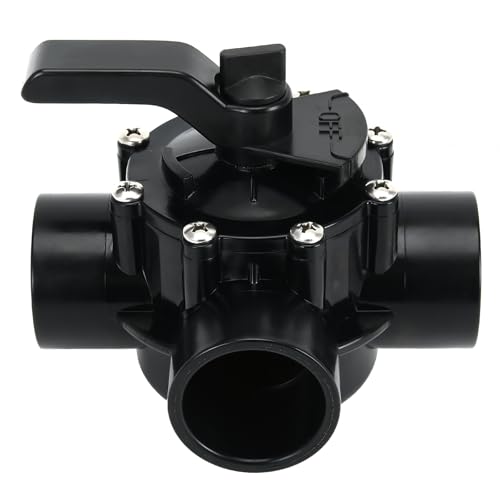
4715 3 Port 1-1/2 to 2-Inch Positive Seal NeverLube Valve Compatible with Jandy,
1.5" to 2" 3-way diverter valve, compatible with Jandy 4715
View Today's PriceHow to Choose the Right Greywater Recycling Systems
Choosing the right greywater recycling system depends on your water source, intended reuse, property type, and installation preferences—trade-offs that shift based on your actual plumbing and local codes. A feature that’s perfect for a laundry-to-landscape setup can be a disaster in a multi-source home or RV. Our recommendation engine evaluates your specific situation across five key dimensions and matches you to the right system in under 60 seconds.
About this guide
Greywater Recycling Systems
Why Picking the Right Greywater System Is Tricky
Choosing greywater recycling systems in 2026 is more complex than most buyers expect. The first big trade-off is between simplicity and performance: basic laundry-to-landscape greywater recycling systems, such as diverter kits costing under $200, are easy to install, but they only handle washing machine water and lack advanced filtration. On the other end, multi-stage filtration greywater recycling systems like the Aqua2use GWDD ($500–$800) automate the process and handle multiple sources, but require more plumbing work and ongoing maintenance. Most buyers underestimate how much the water source matters—greywater recycling systems optimized for laundry can’t just be hooked up to showers or sinks. Filtration quality in greywater recycling systems is another make-or-break factor; skipping a proper lint trap or settling for a single-stage filter leads to clogs and odors within months. Price tiers for greywater recycling systems aren’t just about features—$150 diverter valves may save money upfront, but $400–$800 greywater recycling systems can cut water bills by 30–50% and save 30,000–40,000 gallons annually. Many buyers get tripped up by local codes or permit requirements for greywater recycling systems, risking fines or forced removal. The right choice among greywater recycling systems depends on your property, intended reuse, and willingness to maintain the system.
What Actually Sets Greywater Systems Apart
The real differentiators in greywater recycling systems are not just brand names or price tags—they’re the technologies and design choices that affect daily reliability. For example, diverter valves like the Valterra P23401LF ($22) are unbeatable for RVs and laundry-to-landscape greywater recycling systems, offering stainless steel durability and 10 GPM flow, but they lack filtration and are prone to clogging if you skip a pre-filter. Multi-stage filtration greywater recycling systems such as the Aqua2use GWDD use Matala filter mats, which score 4.2/5 for resisting biofilm and removing up to 95% of solids—essential if you’re recycling shower or bath water. Skip full-potable greywater recycling systems unless you’re ready for $1,000+ in certification and ongoing maintenance; nearly all consumer-grade greywater recycling systems are designed for irrigation or toilet flushing only. Pump quality in greywater recycling systems is another hidden variable: submersible pumps in compact greywater recycling systems often burn out after a year if overloaded with grease or hair. Don’t be lured by “whole-home” claims unless the greywater recycling system matches your actual greywater flow rates—oversizing wastes money, undersizing means constant clogs. In short, filtration quality and source compatibility in greywater recycling systems matter far more than fancy branding or extra automation.
How to Decide: Matching System to Your Situation
Selecting greywater recycling systems means balancing your water source, intended reuse, installation skills, and budget—all of which interact in surprising ways. For example, a single-family home with a large garden may justify a $400–$800 multi-source filtration greywater recycling system, while a compact apartment or RV is better served by a $22–$150 diverter valve greywater recycling system. If you want to reuse water for toilet flushing, you’ll need higher-grade filtration in your greywater recycling system and possibly a UV add-on, pushing you into the premium tier. DIY installation is realistic for laundry-to-landscape greywater recycling systems, but multi-source greywater recycling systems often require professional help and permits—especially in states with strict codes. The quiz evaluates your water source, intended reuse, installation approach, property type, and budget to match you with the right greywater recycling system. Beyond that, consider how much maintenance you’re willing to do: greywater recycling systems with Matala filter mats or inline lint traps last longer but require regular cleaning. Don’t ignore local regulations—unpermitted greywater recycling system installs can lead to $500+ fines or forced removal. Ultimately, the best greywater recycling system is the one that fits your actual plumbing, usage, and willingness to maintain it over the years.
Buyer's guide
How to choose
1Core Performance Criteria
- Choose a system rated for your actual greywater flow—5 GPM for laundry, up to 50 gallons per day for multi-source units like Aqua2use.
- Prioritize multi-stage filtration if you plan to reuse shower or bath water, as single-stage diverters clog quickly with hair and soap scum.
- Laundry-to-landscape diverter kits are ideal for basic irrigation, but lack the filtration needed for toilet reuse or multi-source setups.
- Look for filter materials like Matala mats, which remove up to 95% of solids and resist biofilm buildup better than standard mesh screens.
- Pump capacity matters: submersible pumps in compact systems often fail if overloaded, so match pump specs to your actual daily water output.
- Skip potable reuse claims—no consumer system passes NSF/ANSI 350; focus on irrigation or toilet flushing for realistic, safe water recycling.
2Build Quality and Durability
- Stainless steel diverter valves like the Valterra P23401LF last over five years in saltwater tests, outlasting plastic alternatives in harsh conditions.
- Matala filter mats maintain performance for 12–18 months before replacement, while cheaper foam filters clog or degrade within six months.
- Check for lead-free, NSF/ANSI 61-certified components to ensure safe, long-lasting operation and compliance with most local plumbing codes.
- Avoid bargain diverters under $50, as they often crack or leak within a year, leading to costly repairs and wasted water.
- Premium systems ($400–$800) feature reinforced housings and higher-quality pumps, reducing the risk of mid-season breakdowns or water damage.
- Look for warranties of at least two years—Urban Farm’s L2L kit offers a four-year warranty, signaling superior build and support.
3Value and Cost Analysis
- Diverter valves and basic L2L kits ($100–$200) offer the fastest payback, typically saving $200–$500 per year on water bills.
- Mid-range systems like Aqua2use ($280) balance automated filtration with manageable maintenance, hitting the sweet spot for most single-family homes.
- Premium multi-stage units ($500–$800) are only worth it for high-volume or multi-source setups—otherwise, maintenance costs outweigh savings.
- Avoid ultra-budget options under $50, as high clog rates and short lifespans erase any upfront savings within the first year.
- Factor in the cost of pre-filters and replacement mats—Matala replacements ($45) are a recurring expense but extend system life considerably.
- Calculate ROI based on your local water rates and usage; in drought-prone regions, even a $400 system can pay for itself in under two years.
4Fit for Use Case and Property Type
- Laundry-to-landscape diverter kits are best for single-source, DIY-friendly installs in compact homes or RVs with minimal plumbing changes.
- Multi-source filtration units suit larger homes or properties with both laundry and shower greywater, but require more space and professional installation.
- Tiny homes and apartments benefit from compact diverter valves, while multi-bath properties need higher-capacity, pump-assisted systems for reliable operation.
- If you want to irrigate edible gardens, choose systems with finer filtration and avoid using kitchen sink water due to potential contaminants.
- For toilet flushing, ensure your system includes at least two filtration stages and a reliable pump to prevent odors and clogs indoors.
- Off-grid and RV users should prioritize portability and ease of winterization—Valterra diverters and portable tanks are proven favorites in field tests.
5Common Mistakes and Pitfalls
- Skipping a lint trap or pre-filter leads to 80% of clogs—always add a $10 trap to laundry systems for long-term reliability.
- Ignoring local permit requirements can result in $500+ fines or forced removal, especially in states like California and Arizona.
- Oversizing your system wastes money and increases maintenance, while undersizing causes constant blockages and pump failures.
- Ventilation is critical—non-vented systems develop odors or anaerobic buildup within weeks, especially in warm climates or enclosed spaces.
- Assuming potable reuse is possible with consumer systems is a costly mistake; stick to irrigation or toilet flushing to avoid regulatory headaches.
- Neglecting winterization in cold climates leads to cracked pipes and leaks—25% of northern installs fail due to freezing damage.
6Maintenance and Longevity
- Plan to clean or replace filter mats every 6–12 months—Matala mats last longer and resist biofilm better than generic foam filters.
- Check diverter valves for leaks or mineral buildup annually, especially in hard water regions, to prevent sudden failures or water waste.
- Pumps in powered systems should be tested monthly; grease or hair buildup is the leading cause of burnout within the first year.
- Flush the system with clean water after periods of heavy use or before winter storage, especially in portable or RV applications.
- Keep a maintenance log to track filter changes, pump checks, and any repairs—this extends system life and simplifies troubleshooting.
- Budget for replacement parts: expect $45 for new Matala mats and $20–$30 for diverter valves every 3–5 years depending on use.
FAQ
Frequently asked questions
Is it worth paying extra for multi-stage filtration in 2026?
Absolutely—multi-stage filtration is essential if you’re recycling water from showers, tubs, or multiple sources. Single-stage diverters clog quickly with hair and soap scum, leading to odors and system failures. Matala filter mats, used in systems like Aqua2use, remove up to 95% of solids and resist biofilm, meaning less frequent cleaning and fewer breakdowns. While you’ll pay $280–$800 for these systems, the reduced maintenance and improved water quality make them a smart investment, especially for irrigation or toilet flushing. Basic diverters are fine for laundry-only setups, but multi-stage is worth it for most homes.
How does the Valterra diverter valve compare to premium kits like Aqua2use?
The Valterra P23401LF diverter valve ($22) is unbeatable for RVs and simple laundry-to-landscape installs—it’s durable, stainless steel, and handles 10 GPM reliably. However, it lacks filtration, so lint and hair can clog downstream pipes unless you add a pre-filter. Aqua2use kits ($280–$800) include multi-stage filtration and built-in pumps, handling up to 50 gallons per day from multiple sources. They’re better for whole-home or multi-source setups, but require more space and maintenance. Choose Valterra for simplicity and cost; pick Aqua2use if you need robust filtration and automation.
What filtration do I need for toilet flushing with greywater?
For toilet flushing, you need at least a two-stage filtration system—ideally with a Matala filter mat or equivalent, plus a fine mesh or cartridge filter. This setup removes solids and reduces odors, which is critical for indoor reuse. Some users add a UV disinfection stage, though this increases cost and complexity. Avoid single-stage diverters for toilet reuse, as they allow too much debris through and can cause clogs or foul smells. Systems like Aqua2use GWDD are designed for this purpose, but always check local codes before installing for toilet applications.
Are laundry-to-landscape kits like Urban Farm’s L2L reliable for long-term use?
Yes, laundry-to-landscape (L2L) kits such as Urban Farm’s L2L Basic ($150) are highly reliable for basic irrigation. They use the washing machine’s built-in pump and require minimal plumbing changes. Consumer Reports rates these kits 4/5 for reliability, with most failures due to skipped lint traps or improper slope. Urban Farm’s kit includes a four-year warranty and is designed for DIY installs. For best results, add a $10 inline lint trap to prevent clogs and clean the system every few months. L2L kits are a proven, low-maintenance solution for laundry greywater reuse.
How much can I expect to save on water bills with a greywater system?
A properly installed greywater system can save 30,000–40,000 gallons of fresh water per year, translating to a 30–50% reduction in household water bills. In dollar terms, that’s $200–$500 saved annually, depending on your local rates and usage. Laundry-to-landscape diverters offer the fastest payback, while multi-stage filtration units pay off in larger homes or drought-prone areas. ROI is typically one to two years for most setups. Just remember to factor in ongoing maintenance costs for filters and occasional repairs when calculating your overall savings.
What are the biggest maintenance headaches with greywater systems?
The most common maintenance issues are clogs from lint, hair, and soap scum—especially if you skip a pre-filter or neglect regular cleaning. Odor buildup is another frequent complaint, particularly in non-vented or undersized systems. Pumps in powered kits often fail after a year if overloaded with grease or debris. Filter mats like Matala need replacement every 6–12 months. Winterizing is also critical in cold climates, as freezing can crack pipes and tanks. Keeping a maintenance log and sticking to a regular cleaning schedule will minimize these headaches and extend system life.
Do I need a permit for a home greywater system in 2026?
In 2026, permit requirements vary widely by state and municipality. At least 12 U.S. states—including California and Arizona—require permits or engineer approval for residential greywater installs. Fines for unpermitted systems can exceed $500, and some areas may require removal if you’re caught. Always check local codes using the EPA’s state-by-state tool before buying or installing any system. Some laundry-to-landscape kits are pre-approved in certain regions, but multi-source or indoor reuse systems almost always need inspection. Don’t risk costly penalties—get the paperwork in order first.
Best Greywater Recycling Systems By Category
Related Guides
Bidet Toilets & Bidet Seats
Matched to your bathroom wiring, toilet shape, budget, and which features you’ll actually use—get a bidet seat that really fits your life.
Compact Tankless Water Heaters
Fuel type, flow rate, installation, and smart features—matched to your home, climate, and real hot water needs.
Compact Ventless Dryers
Matched to your space, power supply, laundry habits, and the features you’ll actually use—no more guessing or wasted cycles.
Heat Pump Water Heaters
Capacity, efficiency, install space, and smart features—get matched to the right heat pump water heater for your home and budget.