Skip the research trap. Get your expedition tents in 60 seconds.
We scored 1150+ expedition tents across 5 dimensions — answer 5 quick questions and we'll match you to YOUR best pick.
Powered by DecisionScore™
Each product is evaluated across 18 weighted criteria — covering performance, value, build quality, and real-world usability. Your quiz answers re-weight the criteria to match what matters most to you, so two people can get different #1 picks from the same data.
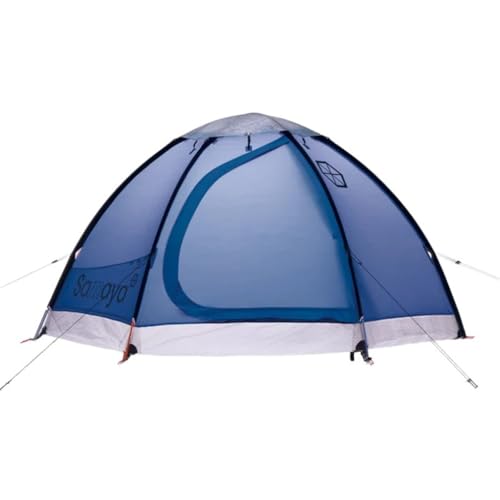
See the DecisionScore methodology →- Expanded interior version of the Samaya 2.0 Dyneema
- Adds 3 sq ft of floor area for a bit more room
- Maintains the same cutting-edge materials and minimalist single-wall design
Find your perfect expedition tents
5 quick questions. No quiz-takes-10-minutes trap. A personalized match from 112 scored picks — with clear reasoning for every recommendation.
What is your preferred tent capacity?
Tent capacity is crucial for comfort and space management. A tent that fits the right number of people ensures adequate sleeping space and storage for gear, which is essential for long expeditions.
- Basecamp tents are heavy but comfortable for long stays—ideal if you expect to be stormbound for days.
- Alpine mountaineering shelters are lighter and more compact, designed for fast ascents and exposed ledges.
- Treeline and pyramid models suit milder winter camping or minimalist adventures where speed and weight matter most.
As an Amazon Associate and affiliate partner we earn from qualifying purchases. Links on this page may earn us a commission at no extra cost to you. Full disclosure
Not ready for the quiz? Here are our overall top picks
These are our top-rated picks overall. For a recommendation matched to YOUR specific needs,
2.5 Person Dyneema Tent - Samaya
Expanded interior version of the Samaya 2.0 Dyneema
View Today's Price
Barnett Whitetail Hunter II Crossbow, with 4x32 Multi-Reticle Scope, 2
Freestanding double-wall alpine tent with patented WebTruss structure
View Today's Price
MSR Hubba Hubba LT 2-Person Lightweight Backpacking Tent
Ultralight double-wall tent for shoulder-season ski tours and mild winter camping
View Today's PriceHow to Choose the Right Expedition Tents
Choosing the right expedition tent depends on your adventure type, group size, livability needs, and the weight-versus-durability trade-off—factors that interact in complex ways based on your specific trip. A tent perfect for a solo alpine push is wrong for a stormbound basecamp, and vestibule size or packed volume can be make-or-break. Our recommendation engine evaluates your unique requirements across five dimensions and matches you to the ideal expedition shelter in under 60 seconds.
About this guide
Expedition Tents
The Real Buying Challenge: Balancing Protection, Livability, and Weight
Choosing expedition tents is a high-stakes decision—your shelter must withstand howling winds, driving snow, and relentless UV, all while remaining light enough to carry and livable enough to ride out multi-day storms. The trade-offs are real: go too light (like the 3.8 lb MSR Advance Pro 2 expedition tent) and you risk cramped quarters or less stormproofing; go too burly (like the 6.5 lb Hilleberg Allak 2 expedition tent) and your pack weight skyrockets. Most buyers underestimate how much space they’ll need for gear, cooking, and wet boots—2-person expedition tents like the MSR can feel claustrophobic for two with winter gear, while 3-person expedition tents add $200+ and bulk. Material choices matter: silnylon and Kerlon fabrics offer proven durability for expedition tents, but new Dyneema composites cut weight at a steep price. Price tiers are stark: $800–$1,100 gets you solid expedition tent performance (Nemo Blade, Black Diamond FirstLight), but true expedition reliability starts at $1,400+ (Hilleberg). Many buyers get tripped up by packed volume—Hilleberg’s 20L expedition tent bag won’t fit in a standard 40L pack. Don’t just shop by weight or brand—think about storm setup, condensation, and real-world comfort when evaluating expedition tents.
What Separates the Options: Materials, Construction, and Real-World Performance
The biggest differentiators among expedition tents are wall construction (single vs. double), pole architecture, and fabric technology. Double-wall expedition tents like the Hilleberg Allak 2 excel in Arctic conditions with Kerlon 1800 fabric and DAC poles, shrugging off 60mph winds—skip this level unless you’re facing true expedition storms. Single-wall expedition tents (MSR Advance Pro 2, Black Diamond FirstLight) cut weight for alpine pushes but trap more condensation, so only choose these expedition tents if every ounce counts and you’re comfortable managing moisture. Tunnel and hybrid expedition tents (SlingFin CrossBow 2) offer better wind deflection than classic domes, but vestibule space is often limited—if you need to cook or store lots of gear, prioritize expedition tents with 12+ sq ft vestibules. Don’t be fooled by hydrostatic head numbers on the fly alone; expedition tent floors need 3,000mm+ to prevent meltwater seepage. Ventilation is a make-or-break feature—Nemo and SlingFin expedition tents lead here, but even the best expedition tents can struggle in humid conditions. Skip budget expedition tents under $700; Consumer Reports found high failure rates in snow-load and wind tests. Always check for reinforced guy-out points (8+ is ideal) and repairable pole sections—these are the details that separate true expedition tents from standard winter camping tents.
Decision Factors and How to Choose: Matching Tent Specs to Your Adventure
Your expedition tents choice should be shaped by the type of trip, group size, and your tolerance for weight versus comfort. For high-altitude basecamps, prioritize double-wall expedition tents with robust poles and large vestibules—these expedition tents excel in long storms but are heavy and expensive. Alpine mountaineers chasing fast-and-light ascents should look at single-wall or pyramid expedition tents, accepting some condensation in exchange for a 2-3 lb shelter. Roomier expedition tents (3P+) add weight and cost but dramatically improve livability for gear-intensive trips. Ventilation, packed volume, and ease of pitch interact: an expedition tent that’s easy to set up in wind (external frames, color-coded poles) is worth its weight in gold above treeline. Our quiz evaluates your adventure type, wall preference, group size, livability priorities, and weight/durability trade-off for expedition tents. Beyond that, scrutinize the number of guy-out points, vestibule size, and pole repairability on expedition tents. Don’t ignore packed size—some expedition tents won’t fit in smaller alpine packs, no matter how light they are. Ultimately, the right expedition tent is the one that matches your real-world needs, not just the highest spec or lightest weight.
Buyer's guide
How to choose
1Core Performance Criteria
- Look for wind ratings of at least 40mph; the Hilleberg Allak 2 is tested to 60mph, which is essential for true expedition use.
- Prioritize hydrostatic head ratings above 3,000mm for the floor—not just the fly—to prevent meltwater leaks during prolonged snow camping.
- Seek tents with at least 8 reinforced guy-out points; fewer points lead to flapping and possible rips in gale-force winds.
- Ventilation is critical—models like Nemo Blade and SlingFin CrossBow 2 offer superior venting to combat condensation in subzero conditions.
- Dome and tunnel shapes provide better snow-shedding and wind resistance than basic pyramid or single-arch designs, especially above treeline.
- Test pole clips and setup before purchase; loose or fiddly clips (noted in Black Diamond FirstLight) can fail in storms and slow down pitching.
2Build Quality and Durability
- Premium fabrics like Kerlon 1800 (Hilleberg) and Dyneema composites resist UV and abrasion, lasting for years of hard use in harsh environments.
- DAC Featherlite or Easton aluminum poles offer the best balance of strength and weight—avoid generic or proprietary poles with poor repair options.
- Look for double-stitched, seam-taped construction and HyperBead seam sealing, as seen on SlingFin CrossBow 2, for maximum waterproofing.
- Snow flaps and reinforced corners are essential for Arctic or high-altitude expeditions, preventing spindrift and tent movement in deep snow.
- Check for replaceable or field-repairable pole sections; MSR and Hilleberg offer repair kits, but replacements can cost $150+ after heavy use.
- UV resistance is often overlooked—Kerlon and Dyneema fabrics hold up far better than standard silnylon after months of sun exposure.
3Value and Price Analysis
- The value sweet spot in 2026 is $800–$1,100, where tents like Nemo Blade and Black Diamond FirstLight offer true expedition performance.
- Avoid tents under $700 for serious expeditions; Consumer Reports found high failure rates in wind and snow-load tests for budget models.
- Hilleberg’s $1,400+ price tag buys unmatched durability and storm protection, but is overkill unless you’re facing multi-week Arctic or Himalayan use.
- Three-person models typically add $200 over 2P versions, but only marginally improve livability—consider if you really need the extra space.
- Advanced Dyneema and Kerlon fabrics drive up prices by 8–12% in 2026, but offer significant weight savings and longevity for frequent users.
- Factor in the cost of accessories like snow stakes, footprints, and repair kits—these can add $50–$100 to your total investment.
4Use-Case Fit and Application
- Basecamp expeditions demand double-wall domes with large vestibules and robust poles for comfort and gear storage during extended storms.
- Alpine pushes and summit attempts benefit from single-wall or pyramid tents, sacrificing some comfort for weight savings and fast setup.
- For ski touring or gear-heavy trips, prioritize vestibule space of at least 12 square feet to keep boots and packs sheltered from snow.
- Solo adventurers can choose 1P or minimalist 2P tents like the MSR Advance Pro 2, but must manage condensation and tight living quarters.
- Group size matters—always size up by one person for winter trips, as bulky gear and clothing eat into floor space quickly.
- Consider packed volume as well as weight; some expedition tents pack too large for 40L alpine packs even if they’re technically lightweight.
5Common Mistakes and Pitfalls
- Underestimating the importance of floor waterproofing—many buyers focus on the fly and end up with wet sleeping bags from meltwater ingress.
- Choosing a tent solely by weight, then regretting cramped interiors or poor storm performance during multi-day weather events.
- Ignoring packed volume; Hilleberg’s 20L packed size surprises many who expect it to fit in standard alpine packs.
- Overlooking the number and placement of guy-out points—less than 8 can lead to catastrophic failures in high winds.
- Assuming all pole clips are equal; loose or fiddly clips (noted on Black Diamond) become a liability in stormy conditions.
- Buying for exact group size instead of sizing up; a 2P tent is rarely comfortable for two with winter gear inside.
6Maintenance and Longevity
- Regularly inspect pole sections for micro-cracks after each trip—replace damaged sections before your next expedition to avoid field failures.
- Re-seal seams annually, especially on high-wear areas; HyperBead and seam-taped models last longer but still need periodic maintenance.
- Store tents dry and out of direct sunlight to maximize the lifespan of silnylon, Kerlon, and Dyneema fabrics.
- Clean zippers and vestibule flaps after trips to prevent grit buildup, which can cause premature wear and zipper failure.
- Carry a repair kit with pole splints, Dyneema patches, and extra guylines—field repairs are often necessary during extended expeditions.
- Budget for replacement poles and repair parts; MSR and Hilleberg pole sets can cost $150+ after 2–3 seasons of heavy use.
FAQ
Frequently asked questions
Is it worth paying extra for Hilleberg's Kerlon fabric?
Yes, if you’re facing sustained high winds, intense UV, or multi-week expeditions. Hilleberg’s Kerlon 1800 fabric is renowned for its abrasion resistance and longevity, outlasting standard silnylon by years. While the $1,400+ price is steep, Kerlon tents like the Allak 2 shrug off 60mph winds and resist UV degradation in Arctic and high-altitude environments. For short trips or milder conditions, the premium may not be justified, but for true expedition use, it’s a worthwhile investment.
How does the MSR Advance Pro 2 compare to the Black Diamond FirstLight 3P?
The MSR Advance Pro 2 is ultralight at 3.8 lbs and excels for fast-and-light alpine missions, but its single-wall design means more condensation management. The Black Diamond FirstLight 3P is heavier (around 4.5 lbs), offers more interior space for three, and its DAC poles handle 50mph gusts. MSR is easier to pitch solo and packs smaller, while Black Diamond suits small teams or ski touring. Choose MSR for solo or minimalist use, Black Diamond for group comfort and storm resilience.
What hydrostatic head rating do I need for true winter expeditions?
Aim for at least 3,000mm hydrostatic head on the tent floor and 2,000mm or higher on the fly. This ensures your shelter can withstand prolonged snow melt, rain, and ground moisture without leaking. Many buyers focus on the fly’s rating, but Consumer Reports found that floors with under 3,000mm can soak through after several days on wet snow. Models like Nemo Blade and Hilleberg Allak meet or exceed these thresholds, making them reliable for harsh winter conditions.
Are double-wall tents always better than single-wall for expeditions?
Double-wall tents provide superior condensation control and are generally more comfortable for extended basecamp use, especially in humid or stormy conditions. However, they’re heavier and bulkier to pack. Single-wall tents like MSR Advance Pro 2 or Black Diamond FirstLight save weight and pitch faster, but require careful venting and are best for cold, dry alpine environments. If you expect long storms or wet snow, double-wall is worth the extra weight. For summit pushes, single-wall may be the better compromise.
How much vestibule space do I need for winter camping?
For winter expeditions, look for vestibules with at least 12 square feet of space per vestibule. This allows you to store boots, packs, and cook safely out of the weather. Tents like the SlingFin CrossBow 2 offer just enough, but cramped vestibules make gear management and snow melting a hassle. If you’re carrying lots of equipment or plan to spend days stormbound, prioritize models with large, accessible vestibules—even if it adds some weight.
Why do budget expedition tents under $700 often fail in real-world use?
Consumer Reports and expert reviewers consistently find that tents under $700 cut corners on fabrics, pole quality, and seam construction. These models often fail wind tunnel tests above 30mph or collapse under moderate snow loads. Floors are especially vulnerable, with hydrostatic head ratings well below 3,000mm. Repairs are difficult due to proprietary or weak pole systems. For serious expeditions, the upfront savings are quickly lost if your tent fails mid-trip—invest in proven models above $800 for reliability.
How do Nemo and SlingFin tents compare for condensation and ventilation?
Both Nemo and SlingFin excel in ventilation, with multiple vents and mesh options designed to minimize condensation—a common issue in winter tents. Nemo Blade 2P is praised for its superior airflow and rectangular floor, while SlingFin CrossBow 2 uses innovative venting and HyperBead seam sealing. In practice, even these brands can struggle in humid or stormy weather, but they outperform most competitors in subzero or wet conditions. For trips where moisture management is critical, either brand is a strong choice.
Related reading
Best Expedition Tents By Category
Related Guides
Advanced Telescopes
Aperture, mount type, portability, and setup—matched to your observing goals and real-life constraints in seconds.
Avalanche Beacons & Transceivers
Skill level, rescue needs, budget, battery type, and Bluetooth—get matched to the safest avalanche beacon for your backcountry trips.
Backyard Playground Sets
Play features, yard size, age range, and installation—get matched to a backyard playground set that truly fits your family.
Backyard Trampolines
We match trampolines to your jumpers’ ages, bounce style, yard size, safety needs, and budget—no more guessing or risky shortcuts.
Bike Lights
Matched to your commute, riding environment, brightness needs, charging style, and budget—get the right bike light for your safety.