Skip the research trap. Get your home sauna cabins in 60 seconds.
We scored 300+ home sauna cabins across 5 dimensions — answer 5 quick questions and we'll match you to YOUR best pick.
Powered by DecisionScore™
Each product is evaluated across 18 weighted criteria — covering performance, value, build quality, and real-world usability. Your quiz answers re-weight the criteria to match what matters most to you, so two people can get different #1 picks from the same data.
See the DecisionScore methodology →- Hybrid full-spectrum sauna combining far, mid, and near infrared heaters
- Includes smartphone app control, Bluetooth audio and chromotherapy lights
- Crafted from eco-certified cedar with glass doors for open feel
Find your perfect home sauna cabins
5 quick questions. No quiz-takes-10-minutes trap. A personalized match from 27 scored picks — with clear reasoning for every recommendation.
What is the maximum capacity of the sauna?
The capacity of a sauna is crucial as it determines how many people can comfortably use it at the same time. Larger saunas are ideal for families or social gatherings, while smaller ones are perfect for personal use or couples.
- Outdoor saunas need fungi-resistant wood or aluminum for durability.
- Indoor models are easier to assemble and connect to standard outlets.
- Portable units are ideal for renters or small spaces with no permanent installation.
As an Amazon Associate and affiliate partner we earn from qualifying purchases. Links on this page may earn us a commission at no extra cost to you. Full disclosure
Not ready for the quiz? Here are our overall top picks
These are our top-rated picks overall. For a recommendation matched to YOUR specific needs,
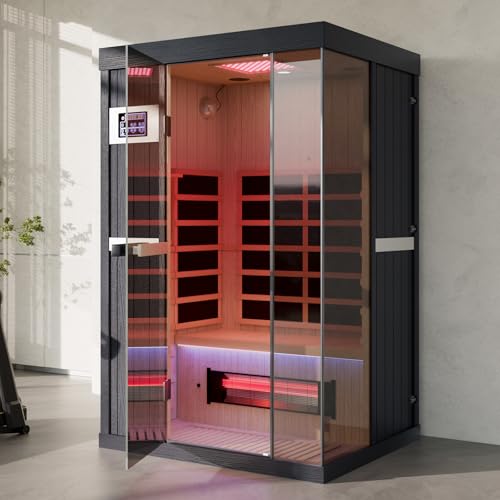
DAIMOT 2-Person Full Spectrum Infrared Sauna, 1990W 120V with 12"*12" Red Light
Hybrid full-spectrum sauna combining far, mid, and near infrared heaters
View Today's Price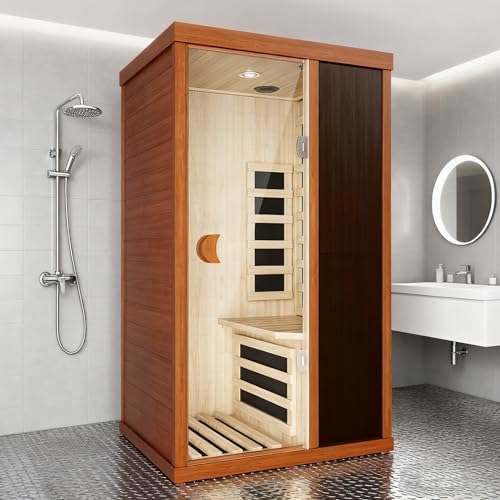
1 Person Far Infrared Sauna, Indoor Sauna for Home, 1000W Low EMF 110V with 7
Check today’s price →Affordable two-person infrared sauna made from Canadian hemlock
View Today's Price
Buena Vista 1-2 Person Hemlock Infrared Sauna with 3 Ceramic Heaters
Affordable infrared sauna crafted from Canadian hemlock
View Today's PriceHow to Choose the Right Home Sauna Cabins
Choosing the right home sauna cabin depends on heat technology, installation site, user capacity, and material—all of which interact based on your specific space, climate, and wellness goals. A feature that’s perfect for an indoor solo user may be totally wrong for a family outdoor setup. Our recommendation engine evaluates your needs across five dimensions and matches you to the ideal sauna cabin in under 60 seconds.
About this guide
Home Sauna Cabins
The Real Buying Challenge: Navigating Heat, Size, and Cost
Selecting premium home sauna cabins in 2026 is more complex than most buyers expect. The first major trade-off in premium home sauna cabins is heat type: traditional saunas like Redwood Outdoors’ Haven reach a blistering 195°F with a Harvia heater and classic rocks, but require a half day to assemble and demand a dedicated space. Infrared premium home sauna cabins such as the Sun Home Equinox use full-spectrum panels, offer extras like Bluetooth audio and chromotherapy, and can be assembled without power tools—yet they top out at lower temperatures and deliver a drier, gentler heat. Outdoor premium home sauna cabins, like Redwood’s mini cube, must use fungi-resistant thermowood or even aerospace-grade aluminum (as in the Sun Home Luminar) to survive the elements, pushing prices into the $5,000–$12,000 range. Most buyers underestimate the impact of seating capacity: a two-person indoor infrared premium home sauna cabin from Dynamic Saunas might cost under $2,000, while a four-person outdoor cedar barrel from Almost Heaven easily doubles that. Many overlook installation logistics, electrical requirements, and the real difference between a $1,200 portable blanket (HigherDose) and a $10,000 luxury hybrid premium home sauna cabin. Don’t assume bigger or pricier premium home sauna cabins are always better—features and fit matter more than raw specs.
What Separates the Options: Heat Source, Materials, and Tech
The biggest differentiators among premium home sauna cabins are heating technology, build materials, and smart features. Traditional steam premium home sauna cabins (Redwood Outdoors, Sisu) use Harvia heaters and rocks for authentic, high-moisture heat—skip these premium home sauna cabins unless you crave intense, steamy sessions and have space for proper ventilation. Infrared premium home sauna cabins like Sun Home Equinox and Dynamic Saunas deliver lower, drier heat but heat up faster and use less power, making these premium home sauna cabins ideal for daily wellness routines. For outdoor use, fungi-resistant thermowood or cedar is non-negotiable for longevity—Almost Heaven and Redwood excel here—while the Sun Home Luminar’s aluminum shell is overkill unless you need true weatherproofing for your premium home sauna cabin. Chromotherapy lighting and Bluetooth audio (Sun Home Equinox) are nice-to-haves in premium home sauna cabins, but smart app controls (Sun Home Luminar) are only worth the premium if you want remote preheating and automation. Skip hybrid premium home sauna cabins unless you genuinely want both steam and infrared in one cabin; otherwise, you’ll pay extra for complexity you may never use. Most buyers obsess over maximum temperature, but daily usability, assembly time, and maintenance matter just as much in premium home sauna cabins.
Decision Factors and How to Choose Your Sauna Cabin
Room placement, heating technology, user capacity, and material preference interact in ways that can make or break your experience with premium home sauna cabins. For example, outdoor premium home sauna cabins demand thermowood or aluminum for weather resistance, but those same materials are overkill indoors, where cedar or hemlock shine for aroma and insulation in premium home sauna cabins. If you want fast, daily sessions, infrared premium home sauna cabins are more practical than steam, but you’ll sacrifice the traditional sauna feel. Seating capacity in premium home sauna cabins isn’t just about comfort—it determines power needs, assembly complexity, and even which features (like Bluetooth audio or chromotherapy) are available. Budget also constrains your premium home sauna cabins: luxury models like Sun Home Luminar offer app control and aerospace-grade exteriors, but budget picks from Dynamic Saunas or Royal Saunas may skip advanced features and use simpler woods in their premium home sauna cabins. Our quiz evaluates your installation site, heat preference, capacity, feature priorities, and material tastes to match you with the best-fit premium home sauna cabin. Don’t just chase the highest temperature or fanciest tech—prioritize what truly fits your lifestyle, space, and willingness to assemble or maintain in premium home sauna cabins.
Buyer's guide
How to choose
1Core Performance Criteria
- Traditional saunas with Harvia heaters reach up to 195°F, while most infrared models like Sun Home Equinox max out at 150–165°F for gentler sessions.
- Full-spectrum infrared panels heat your body directly, providing faster warm-up and energy efficiency compared to traditional rock-based heaters.
- Seating capacity directly affects heat-up time, power requirements, and whether you can stretch out or host multiple users comfortably.
- Outdoor models require fungi-resistant thermowood or cedar to withstand moisture and temperature swings without warping or rotting.
- Chromotherapy lighting and Bluetooth audio are available in premium models but rarely found in budget-friendly infrared units.
- Assembly time varies dramatically: traditional cabins may take half a day, while portable infrared blankets like HigherDose set up in minutes.
2Build Quality and Durability
- Redwood Outdoors and Almost Heaven use thick cedar or thermowood for superior durability and natural resistance to decay, ideal for outdoor placement.
- Aerospace-grade aluminum exteriors, as seen in Sun Home Luminar, provide unmatched weatherproofing but are unnecessary for most indoor setups.
- Budget infrared models often use thinner hemlock or composite panels, which may not hold up as well over years of heavy use.
- Look for double-walled construction and tight door seals to prevent heat loss and improve energy efficiency, especially in colder climates.
- Outdoor cabins must have rust-resistant hardware and treated wood to avoid mold, fungi, and insect damage over time.
- Warranty length is a reliable proxy for build confidence—expect at least 5 years from premium brands, but only 1–3 years on entry-level units.
3Value Analysis
- Infrared saunas from Dynamic Saunas and Royal Saunas deliver essential heat and comfort at a fraction of the price of luxury outdoor cabins.
- Traditional steam models cost more upfront and to operate, but offer a classic sauna experience and higher resale value in 2026.
- Luxury features like Bluetooth audio, chromotherapy, and app control can add $1,000–$3,000 to the price, so only pay for what you’ll actually use.
- Portable sauna blankets like HigherDose or Hydragun HeatPod provide real sauna benefits for under $1,500, but lack the ambiance and seating of a cabin.
- Upgrading to fungi-resistant thermowood or cedar is worth the premium if you plan outdoor installation or want long-term durability.
- Assembly and electrical work can add hidden costs—factor in professional installation if you lack tools or experience.
4Use-Case Fit
- Single-person infrared cabins are perfect for daily solo wellness routines, while three- to four-person traditional saunas suit families or entertaining guests.
- If you crave intense, steamy heat, only traditional models with Harvia heaters and rock trays will satisfy—infrared can’t replicate this sensation.
- Outdoor cabins like Redwood’s mini cube are ideal for backyard retreats, but require weatherproofing and a stable foundation.
- Portable solutions like HigherDose’s sauna blanket or Hydragun’s HeatPod excel in apartments or for renters who need easy storage.
- App-controlled models like Sun Home Luminar are best for tech enthusiasts who want to preheat remotely and automate routines.
- If you value aroma and natural ambiance, prioritize cedar or thermowood interiors over composite or metal options.
5Common Mistakes to Avoid
- Don’t underestimate assembly complexity—traditional cabins can take hours and may require two people and power tools.
- Many buyers overpay for hybrid models without truly needing both steam and infrared; pick one heat type unless you’re sure you want both.
- Ignoring electrical requirements leads to frustration—some outdoor and high-capacity models need a dedicated 240V circuit.
- Choosing the wrong seating capacity results in cramped sessions or wasted space—honestly assess your typical group size.
- Skipping weatherproof materials for outdoor use leads to rapid deterioration—never use indoor-only models outside, even under cover.
- Focusing solely on max temperature misses the point—daily usability, comfort, and maintenance are equally important for long-term satisfaction.
6Maintenance and Longevity
- Cedar and thermowood require occasional oiling but resist rot and fungi, lasting decades with minimal upkeep if properly ventilated.
- Infrared panels are nearly maintenance-free but should be dusted regularly to maintain efficiency and even heat distribution.
- Traditional saunas need periodic rock replacement and cleaning to prevent mineral buildup and maintain heater performance.
- Outdoor cabins must be inspected seasonally for leaks, loose hardware, and signs of weathering, especially after heavy rain or snow.
- App-controlled and chromotherapy features may require firmware updates or occasional troubleshooting—factor in tech support availability.
- Always use sauna-specific cleaners and avoid harsh chemicals to preserve wood finish and prevent off-gassing during high-heat sessions.
FAQ
Frequently asked questions
Is it worth paying extra for a traditional Harvia heater versus an infrared panel?
If you crave the authentic sauna experience—intense, humid heat up to 195°F—then a Harvia heater is absolutely worth the premium. It delivers that classic steam and rock ritual, which infrared panels simply can’t replicate. However, if you prefer faster warm-up, lower operating costs, and gentler heat for daily use, a high-quality infrared model like Sun Home Equinox is a better value. Only pay for Harvia if you’re committed to traditional sessions and have the space and ventilation to support it.
How do Redwood Outdoors saunas compare to Almost Heaven and Sisu for outdoor use?
Redwood Outdoors excels with fungi-resistant thermowood and robust outdoor construction, making their mini cube and cabin models top choices for backyard installations. Almost Heaven and Sisu focus on classic cedar craftsmanship and excellent heat circulation, offering beautiful barrel and cube designs. Redwood’s models often include upgradeable heaters and weatherproofing, while Almost Heaven emphasizes traditional aesthetics. Choose Redwood for maximum durability and upgrade options; pick Almost Heaven or Sisu if you prioritize cedar aroma and classic design.
What capacity sauna cabin do I need for a family of four?
For a family of four, look for a three- to four-person cabin with bench seating—barrel or cube models from Almost Heaven or Sisu are ideal. These typically require a footprint of at least 6x6 feet and a dedicated 240V circuit for traditional heat. If you’re considering infrared, Dynamic Saunas and Sun Home offer four-person options that heat up quickly and are more energy efficient. Always check the actual interior dimensions to ensure comfortable seating for all users.
Are luxury features like chromotherapy and app control really necessary?
Chromotherapy lighting and app control add ambiance and convenience, but aren’t essential for most buyers. If you want to preheat your sauna remotely or enjoy mood lighting during sessions, premium models like Sun Home Luminar justify the extra cost. For those who just want reliable heat and comfort, basic models from Dynamic Saunas or Royal Saunas are more cost-effective. Only pay for these extras if you’ll use them regularly—otherwise, invest in better materials or a larger cabin.
How does a portable sauna blanket like HigherDose compare to a full cabin?
Portable sauna blankets such as HigherDose and Hydragun HeatPod reach up to 175–185°F and offer real heat therapy in a compact, storable format. They’re perfect for renters, travelers, or those with limited space. However, they can’t match the full-body immersion, seating comfort, or ambiance of a true cabin. If you want a social or spa-like experience, invest in a cabin; for solo, quick sessions and easy storage, a portable blanket is a practical alternative.
What’s the difference between cedar, thermowood, and aluminum sauna cabins?
Cedar is prized for its aroma, natural decay resistance, and classic look—Almost Heaven and Sisu use it extensively. Thermowood is heat-treated for extra fungi resistance and dimensional stability, ideal for outdoor cabins like Redwood Outdoors. Aluminum exteriors, as seen in Sun Home Luminar, provide unmatched weatherproofing and durability but lack the natural warmth of wood. Choose cedar for indoor ambiance, thermowood for outdoor resilience, and aluminum only if you need maximum weather protection.
Do I need professional installation for a home sauna cabin?
Professional installation is recommended for traditional steam cabins, especially those requiring a 240V circuit or outdoor placement. Redwood Outdoors and Almost Heaven models can take half a day to assemble and may need two people. Infrared cabins like Sun Home Equinox are designed for DIY assembly and often require no power tools. If you’re not comfortable with electrical work or large-scale assembly, budget for professional help—improper setup can void warranties or create safety hazards.
Related reading
Best Home Sauna Cabins By Category
Compare Home Sauna Cabins
Related Guides
Home Infrared Saunas
Matched to your space, wellness goals, installation needs, and feature preferences—get the right sauna for your lifestyle.
Create the Ultimate Home Recovery and Wellness Station
We match you to the best massage, cold, heat, and relaxation gear for your space, budget, and wellness goals.
Infrared Sauna Blankets
Matched to your goals, height, EMF safety, and budget—get the right sauna blanket for your unique wellness routine.
Meditation Apps
Matches you to the right meditation app based on your experience, goals, budget, session length, and device platform.