Skip the research trap. Get your noise cancelling headphones in 60 seconds.
We scored 300+ noise cancelling headphones across 5 dimensions — answer 5 quick questions and we'll match you to YOUR best pick.

Powered by DecisionScore™
Each product is evaluated across 18 weighted criteria — covering performance, value, build quality, and real-world usability. Your quiz answers re-weight the criteria to match what matters most to you, so two people can get different #1 picks from the same data.
See the DecisionScore methodology →- Over-ear design for immersive sound
- Ideal for travel with noise-cancelling features
- Balanced sound fidelity and convenience
Find your perfect noise cancelling headphones
5 quick questions. No quiz-takes-10-minutes trap. A personalized match from 29 scored picks — with clear reasoning for every recommendation.
Which style suits you best?
Full-size over-ear headphones offer immersive sound but are bulkier. Compact foldable options are easier to carry. True wireless in-ear earbuds are highly portable. If unsure, consider where and how you’ll use them most.
- Over-ear headphones offer comfort for long listening but are bulkier to carry.
- In-ear earbuds fit in your pocket and are best for travel or workouts.
- Foldable designs are easier to pack but may sacrifice some durability.
As an Amazon Associate and affiliate partner we earn from qualifying purchases. Links on this page may earn us a commission at no extra cost to you. Full disclosure
Not ready for the quiz? Here are our overall top picks
These are our top-rated picks overall. For a recommendation matched to YOUR specific needs,
JBL Tour One M2 - Wireless Over-Ear Noise Cancelling Headphones (Black), Medium
Over-ear design for immersive sound
View Today's Price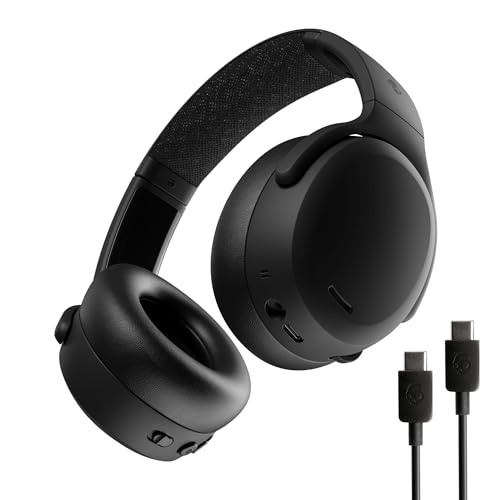
Skullcandy Crusher ANC 2 Wireless Over-Ear Bluetooth Headphones with Extra USB-C
Over-ear design for comfort
View Today's Price
Soundcore Anker Life Q20 Hybrid Active Noise Cancelling Headphones, Wireless
Over-ear design for comfort
View Today's PriceHow to Choose the Right Noise Cancelling Headphones
Choosing the right noise-cancelling headphones depends on nuanced trade-offs between ANC strength, comfort, battery life, and your listening environment—factors that shift based on your daily routine and personal preferences. Generic top-10 lists overlook how these features interact for different users, often leading to mismatches. Our recommendation engine evaluates your unique needs across five key dimensions and matches you to the ideal headphones in under 60 seconds.
About this guide
Noise Cancelling Headphones
The Real Buying Challenge: Specs, Trade-Offs, and Price Tiers
Picking the right noise-canceling headphones in 2026 is trickier than it looks. The challenge isn’t just choosing between over-ear and in-ear—it's about matching battery life, comfort, ANC strength, and price to your actual routine. Premium models like the Sony WH-1000XM6 and Bose QuietComfort Ultra Gen 2 command $400–$450, offering 30–37 hours of battery and top-tier ANC that blocks everything from airplane engines to office chatter. Mid-range picks such as Sennheiser Momentum 4 deliver audiophile sound and marathon battery for $250–$300, while budget stars like Soundcore Life Q20 punch above their weight for under $70. Most buyers get tripped up by focusing on headline ANC specs instead of real-world fit—if the seal breaks (especially for glasses-wearers), even a $400 pair will disappoint. Battery claims can also mislead: always check the rating with ANC on, not off. And don’t assume more expensive means better build—many premium models still feel plasticky. The real trick is balancing these trade-offs for your lifestyle, not just chasing the latest flagship.
What Actually Separates the Options: Features and Performance That Matter
The gulf between noise-canceling headphones isn’t just about brand names or price tags. Sony’s WH-1000XM6 stands out with its QN3 chip and 12-mic array, scoring 9.7/10 for ANC and outclassing the previous XM5 in both isolation and battery life. Bose QuietComfort Ultra Gen 2 is the comfort king, especially for glasses-wearers, thanks to deeper ear cups and lighter clamp force—skip Sony if you struggle with fit. Sennheiser’s Momentum 4 is the audiophile’s pick, with a more neutral sound and 37+ hours of battery, while Soundcore and Nothing offer value for calls and design, but can’t match ANC depth for commuters. Skip earbuds for travel—over-ears block engine rumble far better. Don’t overpay for spatial audio or app features unless you’ll actually use them. Real performance comes down to ANC tuning, fit, and battery with ANC enabled. If you’re not picky about sound, last-gen flagships like Sony XM5 or Bose QC offer 90% of the performance for less. Prioritize fit and seal above all—ANC is useless if the cups don’t sit right.
Decision Factors and How to Choose
Your ideal noise-canceling headphones depend on how comfort, ANC strength, battery life, and portability interact with your daily routine. For example, marathon travelers should prioritize 30+ hour battery and top-tier ANC, while office users need comfort for long calls and mics that handle background chatter. If you wear glasses, ear cup depth and clamp force matter more than brand. Budget sets real limits: under $100 means sacrificing some ANC and plushness, but you can still get 70–80% of the experience with models like Soundcore Life Q20. The quiz evaluates your listening environment, style, sound priorities, and battery needs in one streamlined flow. For gym-goers, sweat resistance and secure fit trump fancy app controls. Don’t ignore app EQ—Sony and Sennheiser let you tweak sound to your ears, while Bose is more plug-and-play. Remember: a $350–$400 price tag doesn’t guarantee comfort or longevity, so weigh all factors together. The smartest choice is the one that fits your real-world habits, not just the spec sheet.
Buyer's guide
How to choose
1Core Performance Criteria
- Active noise cancellation effectiveness is the single most important metric—Sony WH-1000XM6 scores 9.7/10, outperforming Bose and Sennheiser in full-range isolation.
- Battery life with ANC enabled should be at least 30 hours for over-ear models; Sony delivers 31+ hours, while Sennheiser Momentum 4 reaches up to 37 hours.
- Sound quality varies widely; Sony tends toward a bass-heavy profile, while Sennheiser offers a more neutral, audiophile-balanced sound with customizable EQ.
- Microphone clarity is crucial for calls—Bose QuietComfort Ultra excels in noisy offices, but Sony’s mics can struggle with wind or background chatter.
- Transparency mode matters for safety and awareness—Bose’s implementation is the most natural, while budget models often sound artificial or hissy.
- App support for custom EQ and ANC settings is a must for fine-tuning; Sony and Sennheiser both offer robust companion apps, unlike most budget brands.
2Build Quality and Durability
- Premium models like Sony WH-1000XM6 and Bose Ultra use mostly plastic construction, which feels less luxurious but keeps weight down for comfort.
- Hinge durability is a weak point—foldable designs are convenient for travel but more prone to breakage, especially on budget models like Anker Q20.
- Ear cup materials matter for long-term comfort; memory foam and soft protein leather are preferable to thin, stiff pads found on sub-$100 headphones.
- Look for replaceable ear pads and headbands, as these are the first parts to wear out—Sennheiser and Sony offer easy replacements, while Bose is less modular.
- Water resistance is rare in over-ear ANC headphones; if you need sweat protection for workouts, consider in-ear models or specific sport variants.
- Metal-reinforced headbands add longevity but can increase weight—most premium models strike a balance, but check reviews for reports of creaking or flex.
3Value Analysis
- Mid-range models like Sennheiser Momentum 4 and Bose QC Wireless ($250–$300) deliver 90% of flagship ANC and sound for $100–$150 less.
- Sony WH-1000XM5 at $250–$300 is a smart buy over the XM6 if you don’t need spatial audio—performance is nearly identical for less.
- Budget picks like Soundcore Life Q20 ($50–$70) offer surprisingly effective ANC for casual use, though sound and build lag behind premium brands.
- Older flagship models often get steep discounts during sales—last-gen Sony and Bose outperform most new releases under $200.
- Don’t overpay for features you won’t use; spatial audio and advanced app controls are nice but unnecessary for basic travel or office needs.
- Accessory bundles (cases, cables, adapters) can add real value—check what’s included before comparing prices, as some brands cut corners here.
4Use-Case Fit
- Frequent flyers should prioritize top-tier ANC and marathon battery—Sony WH-1000XM6 and Bose Ultra are consistently rated best for air travel.
- Office workers need clear microphones and comfort for long calls; Bose’s transparency mode and light clamp force win here, especially for glasses-wearers.
- Audiophiles will appreciate Sennheiser Momentum 4’s balanced tuning and customizable EQ, which surpasses Sony’s default bass-heavy sound.
- Commuters benefit from compact, foldable designs and quick-charging batteries—Sony’s XM5 and Anker Q20 both excel for daily transit.
- Active users should seek sweat resistance and secure fit; in-ear models or on-ear sport variants are better than traditional over-ear designs.
- Home listeners can focus on comfort and soundstage—large, plush over-ear models with wide EQ range provide the most immersive experience.
5Common Mistakes
- Assuming all ANC is equal—lab scores don’t always translate to real-world performance, especially with glasses or unique head shapes.
- Ignoring fit and ear cup depth, which can drastically affect both comfort and noise isolation—Bose Ultra fits glasses better than Sony XM6.
- Forgetting to check battery life with ANC enabled; advertised numbers often reflect ANC off, so real usage time may be much lower.
- Neglecting app EQ adjustments—Sony’s default sound is bass-heavy and can muddy vocals unless you tweak settings immediately.
- Overlooking microphone performance for calls—many models struggle with wind or background noise, which is critical for office or commuting use.
- Skipping last-gen models on discount; they often provide 95% of the performance of new releases at a much lower price.
6Maintenance and Longevity
- Regularly wipe down ear pads and headband to prevent sweat and oil buildup, which can degrade materials and shorten lifespan.
- Store headphones in a hard case when not in use to protect against drops and pressure—many premium models include quality cases.
- Update firmware via the companion app to fix bugs and improve ANC; Sony and Sennheiser release regular updates that enhance performance.
- Avoid exposing headphones to extreme heat or cold, as lithium batteries and plastics can degrade quickly in harsh conditions.
- Check for replaceable parts—ear pads and cables are common failure points, and easy replacements extend usable life by years.
- Don’t leave headphones charging overnight repeatedly; this can reduce battery capacity over time, especially in budget models with less advanced charging circuits.
FAQ
Frequently asked questions
Is active noise cancellation worth it for headphones?
Active noise cancellation (ANC) is absolutely worth it if you regularly face loud environments like airplanes, trains, or open-plan offices. Models such as the Sony WH-1000XM6 and Bose QuietComfort Ultra block out low-frequency rumbles and background chatter, letting you focus or relax without cranking up the volume. Even budget models like the Soundcore Life Q20 deliver 70–80% of the ANC performance of premium pairs for under $70, making ANC accessible to most buyers. If you value peace and quiet, ANC is one of the most impactful features you can invest in.
How does Sony compare to Bose in noise-cancelling headphones?
Sony and Bose are the two titans of noise-canceling headphones, but their strengths differ. Sony’s WH-1000XM6 leads in overall ANC performance, scoring 9.7/10 for full-range isolation and offering a customizable EQ via its app. Bose QuietComfort Ultra, meanwhile, is preferred for comfort—especially for glasses-wearers—and has a more neutral sound out of the box. Sony typically offers longer battery life (31+ hours) and a richer, bass-forward sound, while Bose excels in transparency mode and call clarity. Both are premium, but your priorities—comfort, sound, or features—should drive your choice.
Are budget noise-cancelling headphones effective?
Budget noise-canceling headphones have improved dramatically in recent years. Models like the Anker Soundcore Life Q20 and 1More SonoFlow HQ51 deliver surprisingly strong ANC and decent sound for under $70. While they don’t match the depth or adjustability of premium models like Sony or Bose, they offer 70–80% of the noise reduction for a fraction of the price. For casual listeners or those who need ANC for occasional travel or office use, these budget options are more than sufficient and represent excellent value.
What are the best headphones for airplane travel?
For airplane travel, prioritize headphones with top-tier ANC and long battery life. The Sony WH-1000XM6 and Bose QuietComfort Ultra Gen 2 are consistently rated best for blocking engine noise and providing comfort on long flights. Both offer over 30 hours of battery with ANC on, and their plush ear cups make them wearable for hours at a time. If you’re on a tighter budget, the Soundcore Life Q20 still delivers impressive noise reduction for under $70, though comfort and sound won’t match the flagships.
Is the 1More SonoFlow HQ51 a good alternative to expensive models?
The 1More SonoFlow HQ51 is a standout budget alternative, offering audio quality and ANC that rival headphones twice its price. At around $70, it delivers a balanced sound signature and effective noise cancellation, making it a smart pick for value-focused buyers. While it may lack some premium features like advanced app controls or plush build materials, its performance is impressive for the price. If you want strong ANC without the $400 flagship price tag, the SonoFlow HQ51 is well worth considering.
How do Soundcore headphones perform in office environments?
Soundcore headphones, particularly the Life Q20 and Adaptive Active canceling models, perform admirably in office settings. They effectively reduce background noise from conversations, HVAC systems, and keyboard clatter, helping you concentrate or take calls with fewer distractions. While their microphones aren’t as advanced as those on premium Sony or Bose models, they’re perfectly adequate for Zoom meetings and calls. At under $100, Soundcore offers a compelling balance of ANC performance, comfort, and value for everyday office use.
Are premium noise-cancelling headphones worth the investment?
Premium noise-canceling headphones like the Sony WH-1000XM6 and Bose QuietComfort Ultra are worth the investment if you demand the best ANC, comfort, and sound. Priced around $400, they offer superior build quality, customizable features, and consistently high performance in every environment. Frequent travelers, open-office workers, and audiophiles will notice the difference in both noise reduction and audio fidelity. If you spend hours a day using headphones, the upgrade in comfort and performance easily justifies the premium price.
Related reading
Best Noise Cancelling Headphones By Category
Related Guides
Advanced Portable Field Recorders
Matched to your workflow, input needs, portability, and feature priorities—get a recorder that fits your real-world recording style.
Bookshelf Speakers
Room size, amp setup, sound signature, and features—get bookshelf speakers tailored to your space and listening style.
Digital Audio Mixers
Channel count, recording style, control preferences, and experience—get matched to the perfect digital mixer for your workflow.
Gaming Headsets
Matched to your device, sound style, connection, mic needs, and must-have extras—get a headset that actually fits your gaming life.