Skip the research trap. Get your bike trainers in 60 seconds.
We scored 300+ bike trainers across 5 dimensions — answer 5 quick questions and we'll match you to YOUR best pick.

Powered by DecisionScore™
Each product is evaluated across 18 weighted criteria — covering performance, value, build quality, and real-world usability. Your quiz answers re-weight the criteria to match what matters most to you, so two people can get different #1 picks from the same data.
See the DecisionScore methodology →- 2200W brushless motor for high-intensity training
- 19% gradient simulation with uphill/downhill experience
- Virtual shifting support for app-controlled gear changes
Find your perfect bike trainers
5 quick questions. No quiz-takes-10-minutes trap. A personalized match from 28 scored picks — with clear reasoning for every recommendation.
What type of resistance mechanism do you prefer?
The resistance mechanism affects the feel and noise level of the trainer. Magnetic trainers are generally quieter and offer adjustable resistance levels, while fluid trainers provide a more road-like feel. Direct drive trainers are often used for more serious training due to their accuracy and quiet operation.
- Direct-drive trainers offer the most realistic road feel and power accuracy but require removing your rear wheel.
- Fluid trainers are nearly silent and maintenance-free, making them ideal for quiet spaces or apartments.
- Magnetic trainers are affordable and portable, but can be noisy and cause tire wear during longer sessions.
As an Amazon Associate and affiliate partner we earn from qualifying purchases. Links on this page may earn us a commission at no extra cost to you. Full disclosure
Not ready for the quiz? Here are our overall top picks
These are our top-rated picks overall. For a recommendation matched to YOUR specific needs,
CYCPLUS Smart Bike Trainer R200, 2200W, 19% Gradient, Brushless Motor,
2200W brushless motor for high-intensity training
View Today's Price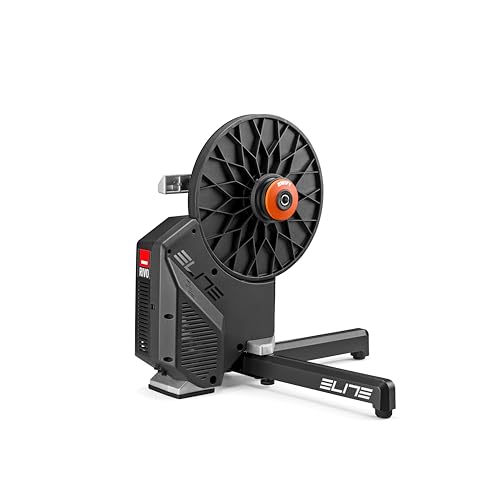
Elite Rivo Zwift Ready Smart Trainer - Direct Drive Bike Trainer with Virtual
Direct-drive design for accurate, quiet performance
View Today's Price
Wahoo Fitness KICKR CORE 2 ZWIFT COG and Click - Orange Cog 3rd Generation
Direct-drive design removes rear wheel for maximum accuracy
View Today's PriceHow to Choose the Right Bike Trainers
Choosing the right bike trainer depends on your training frequency, living space, bike compatibility, and need for smart features—trade-offs that shift based on your riding habits and environment. A feature that’s perfect for a Zwift enthusiast can be overkill for a casual rider, while noise or axle compatibility can make or break your setup. Our recommendation engine weighs your unique needs across five key decision factors and matches you to the ideal bike trainer in under 60 seconds.
About this guide
Bike Trainers
The Real Buying Challenge: Why Bike Trainer Choices Are Tougher Than You Think
Shopping for bike trainers in 2026 is a minefield of trade-offs that most cyclists underestimate. Direct-drive smart bike trainers like the Wahoo KICKR start at $800 and require you to remove your rear wheel, but deliver power accuracy within 1%—a must for serious Zwift or TrainerRoad users. Wheel-on smart bike trainers such as the KICKR SNAP cost around $450, clamp onto your existing wheel, and offer decent connectivity, but slip slightly on the tire and lose 2–3% accuracy. Fluid bike trainers, priced between $150–$200, are whisper-quiet and perfect for apartments, yet lack any app connectivity or power data. Magnetic bike trainers, starting under $100, fold flat for storage but are noisy and can wear out your rear tire fast. Many buyers focus only on price or resistance type, ignoring compatibility with thru-axle bikes (which often need $40–$60 adapters) or the permanent space required for direct-drive bike trainers. The biggest mistake? Assuming all bike trainers work equally well for every bike and training style—when in reality, specs like noise, accuracy, and connectivity can make or break your indoor riding experience with bike trainers.
What Actually Separates Bike Trainers: Specs, Brands, and Real Performance
The features that truly set bike trainers apart in 2026 go far beyond just 'magnetic vs. fluid.' Direct-drive smart bike trainers like the Wahoo KICKR CORE and Garmin Tacx NEO offer ±1–2% power meter accuracy, virtual shifting, and near-silent operation—making these bike trainers the gold standard for data-driven cyclists. Wheel-on smart bike trainers, such as the KICKR SNAP, are easier to set up but introduce tire slip and noise, and are less accurate for interval training. Fluid bike trainers (e.g., Sportneer Fluid) deliver a smooth, road-like feel and are nearly silent, but you can’t connect these bike trainers to Zwift or log structured workouts. Magnetic bike trainers like Yaheetech or Alpcour are affordable and portable, but reviewers consistently note their loudness and rapid tire wear. Skip magnetic bike trainers unless your budget is under $200 or you need something truly portable. For most cyclists, smart connectivity on bike trainers is only worth it if you’re training with apps three times a week or more. Power accuracy on bike trainers matters more than resistance levels for structured workouts, and don’t overlook the need for a riser block or thru-axle adapter—two of the most common buyer regrets with bike trainers.
How to Choose: Decision Factors and Interactions That Matter
Selecting the right bike trainer isn’t just about picking a resistance type or price point—it’s about how your training style, living space, and bike compatibility intersect with bike trainers. If you ride in an apartment, noise reduction is critical: direct-drive or fluid bike trainers are far quieter than magnetic or wheel-on bike trainers. If you own a thru-axle bike, double-check adapter compatibility—many budget bike trainers don’t fit without extra hardware. Your frequency of virtual training should dictate whether smart connectivity on bike trainers is worth the premium; casual fitness riders rarely benefit from app integration, while Zwift devotees need it. Storage and portability matter more for those with limited space—magnetic bike trainers fold up, but direct-drive bike trainers demand a permanent spot. Our quiz evaluates your riding habits, space, and tech needs in five targeted questions to help you find the best bike trainers. The smartest buyers weigh not just upfront cost, but also long-term tire wear, setup hassle, and whether their current bike is even compatible with bike trainers. In short: the best bike trainer for you is the one that matches your real-world routine—not just the flashiest model or lowest price among bike trainers.
Buyer's guide
How to choose
1Core Performance Criteria
- Direct-drive smart trainers like Wahoo KICKR CORE deliver power accuracy within 1–2%, essential for structured workouts and virtual racing on Zwift or TrainerRoad.
- Wheel-on trainers such as the KICKR SNAP are easier to set up but introduce 2–3% power error due to tire slip, making them less ideal for serious interval work.
- Fluid trainers provide a smooth, road-like resistance and are nearly silent, but lack any connectivity or power measurement for tracking progress.
- Magnetic trainers offer adjustable resistance and fold flat, but are noisy and can cause rapid rear tire wear, especially during intense sprints.
- Check for virtual shifting and road-feel simulation on premium models like Garmin Tacx NEO, which enhance realism for immersive indoor sessions.
- Always verify compatibility with your bike’s axle type—thru-axle bikes (12x142mm) often require specific adapters not included with entry-level trainers.
2Build Quality and Durability
- Premium trainers like Wahoo KICKR CORE and Garmin Tacx NEO use heavy-duty steel or alloy frames for stability during out-of-saddle sprints.
- Cheaper magnetic stands (e.g., Yaheetech, Sportneer) often wobble on uneven floors and may loosen after repeated use, especially with heavier riders.
- Direct-drive units require cassette installation, but their lack of tire contact means far less wear and tear over years of use.
- Fluid trainers are nearly maintenance-free, but seals can eventually leak if left in extreme temperatures or stored improperly for long periods.
- Look for wide, adjustable feet or leveling systems to prevent rocking—this is a common complaint on budget wheel-on and magnetic trainers.
- Warranty length varies: smart trainers typically offer 1–2 years, while budget models may only have 90-day coverage, so factor this into your value calculation.
3Value Analysis and Price Tiers
- Expect to pay $100–$250 for basic magnetic trainers, but be aware that tire wear and noise reduce their long-term value for frequent users.
- The $250–$450 range gets you a quality wheel-on smart trainer or a premium fluid trainer, both solid for moderate training and occasional app use.
- Direct-drive smart trainers like Wahoo KICKR CORE ($600–$800) offer the best balance of accuracy, durability, and connectivity for dedicated indoor cyclists.
- Premium smart bikes and bike/trainer hybrids (e.g., Zwift Ride with KICKR CORE) run $1,000–$1,500, but only make sense for multi-user or heavy Zwift households.
- Watch for 10–15% discounts on mid-range smart trainers during post-holiday sales, which can make a big difference in overall value.
- Always include the cost of required adapters, riser blocks, or cassettes—hidden extras can add $50–$100 to your total spend.
4Use-Case Fit and Compatibility
- Apartment dwellers should prioritize fluid or direct-drive trainers for quiet operation—magnetic and wheel-on models are often too loud for shared spaces.
- If you ride a modern road or gravel bike with a thru-axle, confirm that your trainer supports 12x142mm or 12x148mm axles before buying.
- Casual fitness riders can get by with a $150 fluid trainer, but anyone doing structured intervals or virtual racing should invest in smart connectivity.
- Travelers or those with limited space will appreciate portable magnetic trainers like Feedback Sports Omnium, but must accept noisier operation and less stability.
- Multi-user households benefit from smart trainers with adjustable frames and easy virtual shifting, such as the Zwift Ride with Wahoo KICKR CORE.
- If you use Zwift or TrainerRoad three times weekly, smart trainers are worth the premium; otherwise, skip app features to save money.
5Common Mistakes and Pitfalls
- Ignoring axle compatibility leads to frustration—many budget trainers do not fit thru-axle bikes without a $40–$60 adapter.
- Underestimating noise: magnetic and wheel-on trainers are much louder than fluid or direct-drive, often disturbing neighbors or housemates.
- Assuming all trainers include riser blocks or quick-release skewers—these are frequently sold separately and are essential for safe, comfortable setup.
- Buying a trainer based solely on price without considering long-term tire wear, which can outweigh initial savings on magnetic models.
- Overestimating the value of resistance levels—power accuracy and connectivity matter more for effective training than the number of resistance settings.
- Neglecting stability: cheap stands can wobble or tip during hard sprints, especially on uneven floors or with heavier bikes.
6Maintenance and Longevity
- Direct-drive trainers last years with minimal upkeep, as there’s no tire friction or fluid to leak—just keep the cassette clean and lubricated.
- Fluid trainers require occasional seal checks; storing them upright and avoiding extreme temperatures extends their lifespan significantly.
- Magnetic trainers need regular tightening of bolts and periodic inspection for frame flex or cracks, especially if folded and unfolded frequently.
- Wheel-on trainers accelerate tire wear—consider using a dedicated trainer tire to extend the life of your main road tire.
- Smart trainers may require firmware updates for connectivity and accuracy; check manufacturer support for ongoing software improvements.
- Always wipe down your trainer after sweaty sessions to prevent corrosion, especially on exposed bolts and adjustment knobs.
FAQ
Frequently asked questions
Is smart connectivity worth paying extra for in a bike trainer?
Smart connectivity is absolutely worth it if you use Zwift, TrainerRoad, or similar apps at least twice a week. Direct-drive smart trainers like the Wahoo KICKR CORE or KICKR SNAP provide real-time power data, virtual shifting, and automatic resistance changes that make indoor training far more engaging and effective. If you only ride casually or for basic fitness, a $150 fluid trainer without connectivity is sufficient, but serious cyclists should invest in smart features for structured workouts and racing.
How does the Wahoo KICKR CORE compare to the Zwift Ride with KICKR CORE?
The Wahoo KICKR CORE is a standalone direct-drive smart trainer known for its accuracy, smoothness, and reliability. The Zwift Ride with KICKR CORE bundles the KICKR CORE with an adjustable steel frame and integrated virtual shifting, creating a seamless, multi-user experience ideal for Zwift-heavy households. The Zwift Ride setup is more expensive ($1,000–$1,200) but offers a grease-free, single-tool adjustment system and is perfect for families or shared spaces, while the KICKR CORE alone is a better value for solo riders.
What resistance mechanism is best for quiet apartment use?
For apartment living, fluid trainers and direct-drive smart trainers are the quietest options. Fluid trainers like the Sportneer Fluid generate minimal noise and are ideal for early morning or late-night rides without disturbing neighbors. Direct-drive trainers such as the Wahoo KICKR CORE are nearly silent and eliminate tire friction entirely. Avoid magnetic and wheel-on trainers, as they produce noticeable noise and vibration, which can be problematic in shared living environments.
Do I need a thru-axle adapter for my modern road bike?
Most modern road and gravel bikes use 12x142mm or 12x148mm thru-axles, which are not always compatible with entry-level wheel-on or magnetic trainers out of the box. Direct-drive smart trainers like the Wahoo KICKR CORE usually include or offer compatible adapters, but budget models like Yaheetech or Sportneer often require a separate $40–$60 purchase. Always check your bike’s axle specs and the trainer’s compatibility list before buying to avoid frustration and extra costs.
Are magnetic trainers like Yaheetech or Sportneer good for serious training?
Magnetic trainers such as Yaheetech and Sportneer are best suited for occasional or beginner use. They are affordable and portable but lack the power accuracy, connectivity, and smooth resistance needed for structured interval training or virtual racing. Most expert reviewers recommend skipping magnetic trainers if you plan to train seriously or use Zwift regularly, as the noise, tire wear, and limited resistance levels become frustrating over time.
How much should I budget for a reliable smart trainer setup?
For a reliable smart trainer setup in 2026, plan to spend $600–$800 for a direct-drive model like the Wahoo KICKR CORE, which includes essential features like accurate power measurement and app connectivity. Add $50–$100 for required accessories such as a cassette, riser block, or thru-axle adapter. If you want a full smart bike experience, expect to pay $1,000–$1,500 for integrated systems like the Zwift Ride with KICKR CORE. Budget under $250 only if you’re fine with basic, non-smart trainers.
What’s the most common mistake buyers make with bike trainers?
The most frequent mistake is ignoring compatibility—especially axle type and wheel size. Many buyers purchase a trainer only to discover it doesn’t fit their 12x142mm thru-axle bike, requiring an extra adapter or even a return. Others underestimate noise levels, buying magnetic or wheel-on trainers for apartments and then struggling with complaints from neighbors. Always double-check your bike’s specs and your living situation before choosing a trainer.
Related reading
Best Bike Trainers By Category
Related Guides
Adjustable Dumbbells
Weight range, adjustment speed, handle style, and space—get matched to adjustable dumbbells that fit your real training needs.
Bike Mats
Matched to your bike type, floor surface, noise needs, material preference, and budget for the perfect indoor cycling mat.
Cold Plunge Tubs
Insulation, chilling method, space, and budget—get matched to the cold plunge tub that fits your recovery style and setup.
Compact Home Gyms
Matched to your space, resistance needs, tech comfort, and how you actually want to train—no more guessing or wasted space.