Skip the research trap. Get your home theater projectors in 60 seconds.
We scored 350+ home theater projectors across 5 dimensions — answer 5 quick questions and we'll match you to YOUR best pick.

Powered by DecisionScore™
Each product is evaluated across 18 weighted criteria — covering performance, value, build quality, and real-world usability. Your quiz answers re-weight the criteria to match what matters most to you, so two people can get different #1 picks from the same data.
See the DecisionScore methodology →- 2,500 lumens laser at $1,599 — strong brightness for the price
- Dolby Vision and HDR10+ with 98% DCI-P3 coverage
- 4K/120Hz input with low latency mode for gaming
Find your perfect home theater projectors
5 quick questions. No quiz-takes-10-minutes trap. A personalized match from 31 scored picks — with clear reasoning for every recommendation.
How will you position the projector in your room?
Standard throw projectors are mounted far from the screen, ideal for permanent setups. Ultra short throw projectors sit very close to the screen, perfect for small spaces or TV replacements. Short throw projectors need only a few feet, suitable for flexible setups. Portable projectors are lightweight and easy to move, great for outdoor use or multiple rooms. If unsure, consider where you'll use it most.
- Measure your throw distance—standard projectors need 10+ feet, while UST models work inches from the screen.
- Ceiling mounts are best for permanent setups; table placement offers flexibility but may clutter your space.
- Short-throw projectors are ideal if you have limited room depth but still want a large image.
As an Amazon Associate and affiliate partner we earn from qualifying purchases. Links on this page may earn us a commission at no extra cost to you. Full disclosure
Not ready for the quiz? Here are our overall top picks
These are our top-rated picks overall. For a recommendation matched to YOUR specific needs,
Valerion VisionMaster Max 4K Laser Projector, 3500 ISO Lumens, Anti-RBE,
2,500 lumens laser at $1,599 — strong brightness for the price
View Today's Price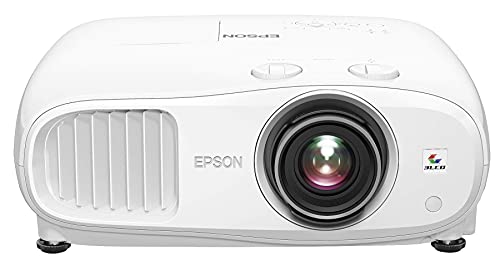
Epson Home Cinema 3800 4K PRO-UHD 3-Chip Projector with HDR
200,000:1 dynamic contrast with UltraBlack for reference-level blacks
View Today's Price
LG CineBeam Q HU710PB 4K Smart Portable Projector with Auto Screen Adjustment,
LG webOS with native streaming apps including Apple TV+
View Today's PriceHow to Choose the Right Home Theater Projectors
Choosing the right home theater projector depends on room lighting, throw distance, content preferences, and budget—trade-offs that shift based on your unique setup. A feature that’s perfect for a blackout basement may be a disaster in a sunlit living room, and input lag that’s fine for movies will frustrate gamers. Generic top-10 lists can’t account for these interactions, often leading to mismatched picks. Our recommendation engine evaluates your specific needs across five dimensions and matches you to the best projector in under 60 seconds.
About this guide
Home Theater Projectors
The Real Buying Challenge: Trade-Offs, Specs, and Price Tiers
Choosing a home theater projector in 2026 is far more complex than most buyers expect. The biggest challenge is matching the projector’s throw distance, brightness, and color accuracy to your actual room—not just chasing big numbers on a spec sheet. For example, a $600 Optoma HD146X delivers solid 1080p in a dark basement, but put it in a bright living room and you’ll get a washed-out image. On the other hand, the XGIMI HORIZON 20 Max, at around $2,000, packs over 3,000 lumens and a wide color gamut, making it a better fit for mixed lighting. The price spectrum is huge: sub-$800 models are tempting, but they often lack the contrast and real-world brightness needed for movies. Many buyers ignore throw distance, ending up with a screen that's too small or a projector that can’t focus from their available space. Others get tripped up by smart features, assuming built-in streaming is always better—when an external streamer often outperforms the projector’s OS. The right decision is all about matching specs to your unique space and habits, not just picking the highest-rated model.
What Separates the Options: Technologies, Features, and Real Performance
The real differentiators in home theater projectors today are laser light sources, throw type, and smart platform integration. Laser-based DLP models like the Hisense PX3-PRO and XGIMI TITAN last 20,000–30,000 hours and maintain color accuracy, while lamp-based units require costly bulb replacements. Ultra-short-throw (UST) projectors, such as the Hisense C2 Ultra, can sit inches from the wall and deliver a 100-inch image—perfect for small living rooms or TV replacements. But if you have the space, long-throw models like the XGIMI TITAN offer better contrast and edge-to-edge sharpness for dedicated theater rooms. Don’t get distracted by inflated lumen ratings; measured brightness and native contrast matter more for real-world performance. For gaming, skip anything without HDMI 2.1 and sub-20ms input lag—BenQ X3100i and Valerion VisionMaster Max are standouts here. Skip built-in speakers unless you’re only watching in a tiny room; even flagship projectors need a soundbar for immersive audio. Dolby Vision and HDR10+ are now must-haves above $1,500. In short: prioritize throw type, light source, and input lag over marketing fluff.
Decision Factors and How to Choose
Room size, ambient light, and content type interact in ways that make projector selection uniquely tricky. For example, a UST projector like the Hisense PX3-PRO is unbeatable in a sunlit living room, but it won’t match the deep blacks of a long-throw model in a blackout basement. If you want to game and stream, you’ll need both low input lag and a smart platform—features that rarely coexist in budget models. Your budget sets hard limits: under $800, expect 1080p and basic brightness; $1,200–$2,500 unlocks 4K pixel-shift, laser longevity, and Dolby Vision. The quiz evaluates your throw distance, lighting, content, image priorities, and budget to filter the field. But beyond that, you need to weigh trade-offs: measured lumens vs. native contrast, smart OS convenience vs. external streamer reliability, and whether you’ll tolerate fan noise or need near-silent operation. Don’t overlook total cost—screens, mounts, and audio add up. Ultimately, the best projector is the one that fits your space, your habits, and your future plans—not just today’s top-rated pick.
Buyer's guide
How to choose
1Core Performance Criteria
- Prioritize measured brightness over marketing claims—models like the XGIMI HORIZON 20 Max score 9.3/10 for real-world brightness, crucial for mixed lighting conditions.
- Look for pixel-shift 4K DLP technology, which now matches the sharpness of native 4K at a fraction of the price, especially in XGIMI and Hisense models.
- Wide color gamut support (e.g., 9.7/10 on XGIMI) and Dolby Vision/HDR10+ compatibility ensure vibrant, accurate colors for movies and streaming.
- Low input lag (under 20ms) is essential for gaming; Hisense M2 Pro and XGIMI TITAN deliver strong gaming responsiveness at mid-range prices.
- Native contrast above 8,000:1, as seen in Valerion VisionMaster Max, is vital for deep blacks in dedicated theater rooms.
- Integrated smart platforms like Google TV or Android TV eliminate the need for external streaming devices and future-proof your setup.
2Build Quality and Durability
- Laser light sources (e.g., Hisense PX3-PRO) last up to 30,000 hours, far outpacing lamp-based models and reducing long-term maintenance costs.
- Premium models like the JVC DLA-NZ7 use all-glass lenses for edge-to-edge sharpness, while cheaper plastics may introduce distortion over time.
- Fan noise varies—Valerion VisionMaster Pro 2 is quieter than most, but XGIMI runs loud under heavy load, so check decibel ratings if silence matters.
- Solid chassis construction, especially in XGIMI and BenQ, prevents vibration and image wobble during operation, which is critical for ceiling-mounted setups.
- Look for models with at least a two-year warranty; repairs on laser engines can be costly if issues arise outside coverage.
- Dust-sealed optics, as found in higher-end Epson and XGIMI units, help maintain image clarity and reduce maintenance in dusty environments.
3Value Analysis
- The $1,200–$2,000 range (Hisense M2 Pro, XGIMI TITAN) delivers 4K, 2,500+ lumens, and smart features—beating older $800 BenQ models in sharpness and brightness.
- Pixel-shift DLP projectors now rival native 4K JVCs for detail at one-third the price, making them the new sweet spot for most buyers.
- Avoid sub-$800 models for true home theater; they typically lack contrast and struggle in rooms with any ambient light.
- Laser projectors cost more upfront, but lower maintenance and consistent brightness make them a better value over five years.
- Skip built-in speakers—invest in a quality eARC soundbar, as even flagship projectors fall short on audio performance.
- Smart OS integration (Google TV, Android TV) adds long-term value by supporting streaming apps and eliminating future upgrade headaches.
4Use-Case Fit
- Ultra-short-throw (UST) models like Hisense PX3-PRO are ideal for TV replacements in tight spaces, projecting 100-inch images from just inches away.
- Standard-throw projectors (BenQ HT2060, Epson 5050UB) require 10+ feet of throw distance—best for dedicated theater rooms or large living spaces.
- Short-throw units excel in multi-purpose rooms, offering big images with only a few feet between projector and screen.
- Portable projectors are perfect for outdoor movie nights or moving between rooms, but sacrifice brightness and contrast for mobility.
- Contrast-focused models like Valerion VisionMaster Max shine in blacked-out rooms, while XGIMI HORIZON 20 Max handles mixed lighting with higher lumens.
- Gamers should seek models with low input lag and 4K@60Hz support—Hisense M2 Pro outperforms BenQ HT2060 for responsive play.
5Common Mistakes
- Relying on advertised lumens instead of measured brightness leads to disappointment—always check real-world test scores, not just spec sheets.
- Ignoring throw distance requirements can result in an image that’s too small or unsharp for your space, especially with standard-throw projectors.
- Overlooking native contrast for movie viewing—brightness alone won’t deliver deep blacks in a dark room; Valerion and JMGO excel here.
- Buying outdated models like Epson 5050UB misses out on smart features and HDR improvements found in newer XGIMI and Hisense projectors.
- Assuming built-in speakers are sufficient—audio is almost always underwhelming, so plan for a separate sound system.
- Neglecting input lag specs for gaming can make even the brightest projector frustrating for fast-paced play—always check lag ratings before buying.
6Maintenance and Longevity
- Laser-based projectors require minimal maintenance, but keep intake vents and fans dust-free to maintain cooling efficiency and prevent overheating.
- Lamp-based models need periodic bulb replacements—factor in $100–$300 every 2,000–5,000 hours, which adds up over years of use.
- Regularly clean the lens and sensor area with a microfiber cloth to preserve image clarity and avoid permanent smudges or scratches.
- Run projectors in Eco mode when possible to extend light source life, especially in models like the Epson 5050UB and BenQ HT2060.
- Update firmware via Wi-Fi or USB to access new features, bug fixes, and compatibility with the latest streaming apps or gaming consoles.
- Store portable projectors in a padded case to prevent dust and accidental knocks, especially if moving between rooms or using outdoors.
FAQ
Frequently asked questions
Is HDR support worth it in a home theater projector?
HDR support, especially Dolby Vision and HDR10+, is a significant upgrade for home theater projectors in 2026. It delivers richer colors, deeper blacks, and greater shadow detail, making movies and streaming content far more immersive. Models like the XGIMI HORIZON 20 Max and Hisense PX3-PRO offer true HDR performance with wide color gamuts and high measured brightness. If you care about cinematic quality, prioritize HDR support—it's now standard in the $1,500–$2,500 range and makes a visible difference in real-world viewing.
How does the XGIMI HORIZON 20 Max compare to the Hisense M2 Pro?
The XGIMI HORIZON 20 Max stands out for its exceptional brightness (over 3,000 lumens) and color accuracy, making it ideal for mixed-lighting rooms and movie lovers. The Hisense M2 Pro, meanwhile, is a strong value pick for gaming and mixed use, offering low input lag and 4K@60Hz support at a lower price. Both feature smart platforms, but XGIMI’s Dolby Vision support and wider color gamut give it an edge for cinematic content, while Hisense is the better all-rounder for gaming and streaming.
Is a laser projector better than a lamp-based one?
Laser projectors, such as the Hisense PX3-PRO and XGIMI TITAN, provide a longer lifespan (20,000–30,000 hours) and maintain brightness and color accuracy over time. They require less maintenance and eliminate the need for costly bulb replacements. While laser units cost more upfront, their consistent performance and lower long-term costs make them the smart choice for most home theaters in 2026. Lamp-based models are still viable for tight budgets, but you’ll sacrifice longevity and may face dimming and color shift after a few years.
Are ultra-short-throw (UST) projectors worth the investment?
UST projectors like the Hisense PX3-PRO and C2 Ultra are perfect for small or multi-use spaces, projecting massive images from just inches away. They eliminate the need for ceiling mounts and complex wiring, making them an attractive TV replacement. While they can lag behind standard-throw models in pure black levels and contrast, their convenience and advanced features—like built-in Google TV and Dolby Vision—justify the higher cost for most living rooms. If space is tight or you want a sleek, easy setup, UST is absolutely worth it.
How does the Epson Home Cinema 5050UB compare to newer models?
The Epson Home Cinema 5050UB was a favorite for dark-room purists thanks to its 4K enhancement and strong color accuracy. However, it’s now outpaced by newer laser-based models like the XGIMI HORIZON 20 Max and Hisense PX3-PRO, which offer higher brightness, better HDR support, and integrated smart features. If you’re upgrading in 2026, it’s worth investing in a modern laser projector for improved longevity, convenience, and real-world performance, especially in rooms with ambient light.
Is a smart projector necessary for a home theater setup?
A smart projector with built-in Google TV or Android TV, as seen in the XGIMI HORIZON 20 Max, streamlines your setup by eliminating the need for external streaming devices. This integration provides instant access to Netflix, Disney+, and other apps, plus voice control and future-proof updates. While external streamers can still offer faster performance, a smart OS is now standard in mid- and premium-tier projectors. For most buyers, a smart projector adds real convenience and is worth prioritizing in 2026.
What makes the Hisense M2 Pro a top value choice?
The Hisense M2 Pro delivers 4K pixel-shift resolution, 2,500+ lumens, and low input lag for gaming—all at a price point well below flagship models. Its smart features, HDMI 2.1 support, and strong motion handling make it a great all-rounder for both movies and gaming. Compared to similarly priced BenQ or Epson models, the M2 Pro offers better brightness and more future-proof features. For buyers seeking balanced performance and value, it’s one of the best options in the $1,200–$1,500 range.
Related reading
Best Home Theater Projectors By Category
Related Guides
AV Receivers
Room size, speaker setup, streaming features, and gaming needs—get matched to the right AV receiver for your home theater.
Home Theater Speaker Packages
Room size, audio priorities, and setup style—get matched to the right soundbar or speaker system for your home theater.
Blu-ray Players
Resolution, HDR, audio, streaming, and disc region—matched to your TV, sound system, and movie collection in seconds.
Budget Home Theater Systems
Room size, surround immersion, and setup style—get matched to the right budget home theater system for your space and habits.
Build the Ultimate Home Bar: Carts, Glassware, Tools & Storage
Entertaining style, storage needs, and drink preferences—get matched to the right bar cart, glassware, tools, and storage for your home.