Skip the research trap. Get your home theater power amplifiers in 60 seconds.
We scored 300+ home theater power amplifiers across 5 dimensions — answer 5 quick questions and we'll match you to YOUR best pick.
Powered by DecisionScore™
Each product is evaluated across 18 weighted criteria — covering performance, value, build quality, and real-world usability. Your quiz answers re-weight the criteria to match what matters most to you, so two people can get different #1 picks from the same data.
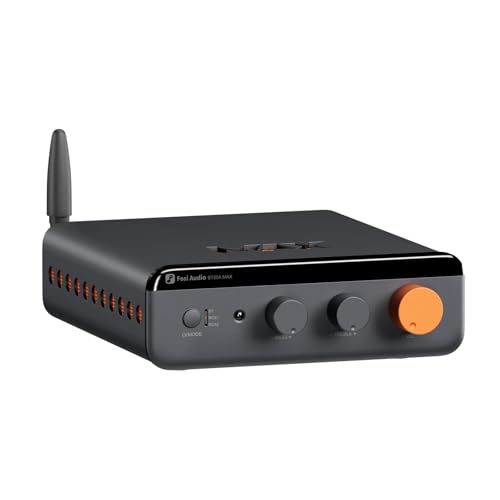
See the DecisionScore methodology →- LDAC Bluetooth 6.0 for hi-res wireless audio
- TPA3255 chip with PFFB distortion reduction
- Built-in silent cooling fan
Find your perfect home theater power amplifiers
5 quick questions. No quiz-takes-10-minutes trap. A personalized match from 27 scored picks — with clear reasoning for every recommendation.
How many channels does your speaker system use?
2-channel (stereo) is for a simple left/right speaker setup. 5.1 adds a center channel and surrounds for movie surround sound. 7.1 or 7.2 adds additional surround/height channels for Dolby Atmos.
- Count your speakers—2 for stereo, 5 for basic surround, 7+ for Atmos or large theater setups.
- Unused channels add cost and complexity without improving sound for simple setups.
- Future upgrades are easier if your amp supports more channels than you currently use.
As an Amazon Associate and affiliate partner we earn from qualifying purchases. Links on this page may earn us a commission at no extra cost to you. Full disclosure
Not ready for the quiz? Here are our overall top picks
These are our top-rated picks overall. For a recommendation matched to YOUR specific needs,
Fosi Audio BT20A MAX Stereo Power Amplifier, 300W x 2 Hi-Fi Audio Amp with PFFB
LDAC Bluetooth 6.0 for hi-res wireless audio
View Today's Price
Fosi Audio V3 Stereo Amplifier Home Audio 300 Watts x2 Power TPA3255 Class D
TPA3255 Class D, 300W x2 with 48V supply
View Today's Price
WiiM Amp: Multiroom Streaming Amplifier | Compatible with AirPlay, Google Cast,
60W x2 at 8 ohms, 120W x2 at 4 ohms
View Today's PriceHow to Choose the Right Home Theater Power Amplifiers
Choosing the right home theater power amplifier depends on channel count, room size, connectivity, and budget—trade-offs that shift based on your speaker setup and listening habits. A feature that’s ideal for a music-focused stereo system can be the wrong fit for a surround-sound movie setup, and vice versa. Our recommendation engine evaluates your specific needs across five dimensions and matches you to the right amplifier in under 60 seconds.
About this guide
Home Theater Power Amplifiers
Why Choosing the Right Power Amplifier Is Tricky
Selecting home theater power amplifiers in 2026 is more complicated than most buyers expect. The $100–$500 price range covers everything from compact Class D stereo home theater power amplifiers like Fosi Audio and AIYIMA—perfect for desktop or bookshelf setups—to full-featured multi-channel AV receivers from Denon, Yamaha, and Marantz that handle 5.1 or 7.2 surround sound, video switching, and advanced room correction. The trade-offs are real: a $120 Fosi Audio BT20A home theater power amplifier gives you clean, efficient power for a 2.0 setup, but lacks HDMI ARC and auto-calibration. Spend $350 on a Yamaha RX-V385 home theater power amplifier and you get 5.1 channels, 70W per channel, Bluetooth, and 4K video support, but the chassis is much larger and setup is more complex. Most buyers underestimate how much channel count and power output in home theater power amplifiers affect both sound quality and future upgrade options. Many also overpay for features in home theater power amplifiers like Wi-Fi streaming or Alexa integration that they rarely use. The biggest mistake? Focusing on wattage alone—THD under 0.1% and real-world brand reliability in home theater power amplifiers matter just as much for long-term satisfaction.
What Actually Sets Home Theater Amps Apart
The real differentiators in home theater power amplifiers are not always obvious. Channel count is the first fork in the road: skip 5.1 or 7.2 home theater power amplifiers unless you actually have the speakers and space to use them—otherwise, a quality stereo home theater power amplifier like the Fosi Audio BT20A Pro or AIYIMA A07 Max delivers better sound for music and simple TV setups. For surround sound, Denon and Yamaha home theater power amplifiers stand out for reliable HDMI switching and built-in room correction, while Marantz models like the Cinema 50 push into audiophile territory with lower distortion and more flexible pre-outs. Streaming home theater power amplifiers such as the WiiM Amp are a significant upgrade if you want AirPlay 2, Spotify Connect, or Alexa voice control, but skip these home theater power amplifiers if you only use physical sources. Ignore inflated “peak power” specs—look for true RMS output (50W+ per channel for most rooms) and THD below 0.1% in home theater power amplifiers. Bluetooth 5.0 is now table stakes, but HDMI ARC and optical inputs are essential for seamless TV integration with home theater power amplifiers. Brand warranty and Amazon support matter more than most buyers realize—returns and replacements are far easier with established home theater power amplifier brands.
How to Weigh Specs, Budget, and Your Room
Room size, speaker count, and budget all interact in surprising ways when choosing home theater power amplifiers. A small office or bedroom under 200 sq ft can sound fantastic with a 30–60W stereo home theater power amplifier, while a large living room or dedicated theater needs 100W+ per channel and at least 5.1 surround from a more powerful home theater power amplifier. Your budget sets real limits: under $150 means compact Class D home theater power amplifiers with basic Bluetooth, $150–$300 opens up premium stereo and entry-level home theater power amplifiers, and $300–$500 gets you full-featured home theater power amplifiers with room correction and smart streaming. Connectivity is a deal-breaker—if you want to use HDMI ARC or Wi-Fi multi-room, you’ll need to spend more on advanced home theater power amplifiers. Our quiz evaluates your channel needs, room size, connectivity preferences, budget, and main use case to match you to the right home theater power amplifier. Beyond that, think about how often you’ll upgrade speakers, whether you want voice assistant integration, and if you’ll ever expand to Atmos or multi-room audio with your home theater power amplifier. Don’t let flashy features distract from the basics: clean power, low distortion, and solid build quality in home theater power amplifiers.
Buyer's guide
How to choose
1Core Performance Criteria
- Prioritize RMS power output—look for at least 50W per channel for medium rooms and 70W+ for larger home theaters.
- Total Harmonic Distortion (THD) under 0.1% ensures clean, accurate sound; avoid models that only list 'peak' or 'dynamic' wattage.
- Channel count must match your speaker setup; don’t pay for 7.2 surround if you only use a stereo pair.
- Room correction and auto-calibration, found on Denon and Yamaha AVRs, can dramatically improve sound in challenging spaces.
- Bluetooth 5.0 and Wi-Fi streaming are convenient, but HDMI ARC and optical inputs are essential for seamless TV integration.
- Brand reliability and proven Amazon availability reduce hassle if you ever need warranty support or easy returns.
2Build Quality and Durability
- Denon, Yamaha, and Marantz AV receivers consistently score higher for long-term reliability than most off-brand or generic models.
- Compact Class D amps like Fosi Audio BT20A use efficient components but may lack robust chassis and internal shielding.
- Look for metal enclosures and solid binding posts, especially if you plan to upgrade speakers or move your system frequently.
- Fanless designs run quieter and attract less dust, but some high-power AVRs use cooling fans that can be audible in quiet rooms.
- Check for firmware update support—streaming amps like WiiM can add features and fix bugs over time if the brand is committed.
- Warranty length and Amazon return policy are not just fine print; they’re crucial if you encounter early failures or shipping damage.
3Value Analysis
- Under $150, expect basic stereo amps with Bluetooth and minimal extras—great for small rooms but limited for future upgrades.
- The $150–$300 range delivers premium Class D amps and entry-level AV receivers with more inputs and better build quality.
- Spending $300–$500 unlocks full-featured AVRs with room correction, HDMI switching, and multi-room streaming like AirPlay 2.
- Don’t overpay for features you won’t use; skip Wi-Fi streaming if you only play music via Bluetooth or wired sources.
- Models with inflated 'peak power' specs often underperform in real-world use—focus on true RMS output and distortion figures.
- Brand reputation and verified Amazon reviews are often better predictors of value than spec sheets alone.
4Use-Case Fit
- For music-first setups, a quality 2-channel amp like Fosi Audio BT20A Pro delivers better stereo imaging than most budget AVRs.
- Movie and gaming enthusiasts should prioritize 5.1 or 7.2 AV receivers from Denon or Yamaha for true surround sound and HDMI ARC.
- If you want multi-room audio or voice control, streaming amps like WiiM Amp support AirPlay 2, Alexa, and Spotify Connect.
- Small rooms don’t need massive power—30–60W per channel is plenty, but large spaces demand 100W+ and robust cooling.
- Casual users benefit from amps with Bluetooth, simple controls, and auto-calibration for quick setup and easy operation.
- Think ahead: if you plan to expand to Atmos or add more speakers, choose an amp with extra channels and flexible outputs.
5Common Mistakes
- Chasing high wattage numbers without considering THD or real-world speaker compatibility leads to disappointing sound.
- Buying a 7.2-channel receiver for a simple stereo setup wastes money and adds unnecessary complexity to your system.
- Ignoring room size when selecting power output often results in either underpowered sound or wasted energy and heat.
- Assuming all Bluetooth is equal—Bluetooth 5.0 has better range and reliability than older versions, especially in apartment settings.
- Overlooking warranty and Amazon support can backfire if you need a replacement or encounter early hardware issues.
- Focusing on flashy features like voice assistants may distract from the basics: clean amplification and reliable connectivity.
6Maintenance and Longevity
- Keep amplifier vents clear and dust-free to prevent overheating, especially for high-power AVRs with internal fans.
- Update firmware regularly on streaming amps like WiiM to maintain compatibility with new services and fix bugs.
- Use surge protectors to safeguard your investment from power spikes, particularly in areas with unstable electricity.
- Avoid stacking heavy components on top of compact Class D amps, as they can overheat or suffer chassis flex.
- Check speaker wire connections annually—loose terminals can cause distortion or even amplifier shutdowns.
- Brands like Denon and Yamaha offer better long-term parts availability, making future repairs or upgrades more feasible.
FAQ
Frequently asked questions
Is it worth paying extra for room correction and auto-calibration features?
Absolutely—room correction and auto-calibration, as found on Denon and Yamaha AV receivers, can dramatically improve sound in real-world rooms with challenging acoustics. These features use microphones to measure your space and automatically adjust EQ and speaker levels, resulting in clearer dialogue and tighter bass. For rooms with odd shapes or lots of reflective surfaces, the improvement is especially noticeable. If your budget allows, it’s one of the smartest upgrades for a home theater system in 2026.
How does Fosi Audio compare to Denon or Yamaha for stereo setups?
Fosi Audio excels in compact, budget-friendly stereo amps like the BT20A Pro, offering clean Class D power and Bluetooth 5.0 in a small chassis. Denon and Yamaha, while more expensive, focus on multi-channel AV receivers with advanced features like HDMI ARC and room correction. For pure music or desktop setups, Fosi Audio often delivers better value and simplicity, but Denon and Yamaha are superior if you need surround sound, more inputs, or future expansion.
What power output do I need for a medium-sized living room?
For a medium-sized living room (200–400 sq ft), look for an amplifier with at least 50–70W RMS per channel into 8 ohms. This ensures enough headroom for dynamic movie soundtracks and loud music playback without distortion. Models like the Yamaha RX-V385 or Denon AVR-S570BT typically meet these requirements, while compact amps may struggle at high volumes in larger spaces. Always prioritize RMS power over 'peak' or 'dynamic' wattage ratings.
Is Bluetooth 5.0 necessary, or will older Bluetooth versions work?
Bluetooth 5.0 is recommended for its improved range, connection stability, and lower latency compared to older versions. In apartment or multi-room setups, the difference is noticeable—dropouts and interference are less common. While older Bluetooth versions will work for basic streaming, you may experience more pairing issues and reduced audio quality. Most new amps from Fosi Audio and AIYIMA now include Bluetooth 5.0 as standard in 2026.
How does the WiiM Amp compare to traditional AV receivers?
The WiiM Amp is a modern streaming amplifier that bridges the gap between traditional amps and network audio. It supports AirPlay 2, Spotify Connect, and Alexa, making it ideal for multi-room setups and voice control. However, it lacks the multi-channel surround capabilities and HDMI switching found on Denon or Yamaha AV receivers. Choose WiiM if you prioritize streaming and smart features, but stick with a classic AVR for full home theater surround sound.
Do I need a 7.2-channel amplifier for Dolby Atmos, or is 5.1 enough?
For basic surround sound, a 5.1-channel amp is sufficient, but Dolby Atmos setups require at least a 7.1 or 7.2-channel AV receiver to power height or overhead speakers. If you plan to expand your system or want immersive 3D audio for movies and gaming, investing in a 7.2-channel model from Denon or Yamaha makes sense. For most users, 5.1 covers all essentials—only upgrade if you’re committed to Atmos.
What’s the most common reliability issue with budget power amplifiers?
The most common reliability issue with budget power amplifiers—especially off-brand models—is early failure due to poor internal components, overheating, or weak power supplies. Brands like Fosi Audio and AIYIMA generally perform well for the price, but always check for solid Amazon reviews and a clear warranty policy. Avoid models with plastic enclosures or no-name brands that lack support. Investing a bit more in Denon or Yamaha AVRs can pay off in long-term reliability.
Best Home Theater Power Amplifiers By Category
Related Guides
AV Receivers
Room size, speaker setup, streaming features, and gaming needs—get matched to the right AV receiver for your home theater.
Home Theater Speaker Packages
Room size, audio priorities, and setup style—get matched to the right soundbar or speaker system for your home theater.
Blu-ray Players
Resolution, HDR, audio, streaming, and disc region—matched to your TV, sound system, and movie collection in seconds.
Budget Home Theater Systems
Room size, surround immersion, and setup style—get matched to the right budget home theater system for your space and habits.
Build the Ultimate Home Bar: Carts, Glassware, Tools & Storage
Entertaining style, storage needs, and drink preferences—get matched to the right bar cart, glassware, tools, and storage for your home.