Skip the research trap. Get your multi-cookers in 60 seconds.
We scored 200+ multi-cookers across 5 dimensions — answer 5 quick questions and we'll match you to YOUR best pick.
Powered by DecisionScore™
Each product is evaluated across 18 weighted criteria — covering performance, value, build quality, and real-world usability. Your quiz answers re-weight the criteria to match what matters most to you, so two people can get different #1 picks from the same data.
See the DecisionScore methodology →- America's Test Kitchen Best Buy pick
- Ceramic inner pot — PFAS-free, non-toxic cooking surface
- 9-in-1 with sous vide at this price range
Find your perfect multi-cookers
5 quick questions. No quiz-takes-10-minutes trap. A personalized match from 16 scored picks — with clear reasoning for every recommendation.
How many people are you typically cooking for?
Multi-cookers range from 3-quart compact models for 1–2 people up to 8-quart models for large families or batch cooking.
- If you mostly cook for one or two, a compact 3-quart model saves space and energy.
- Families of four or more should choose at least a 6-quart cooker for batch meals.
- Bigger isn’t always better—oversized models waste energy and take up valuable counter space.
As an Amazon Associate and affiliate partner we earn from qualifying purchases. Links on this page may earn us a commission at no extra cost to you. Full disclosure
Not ready for the quiz? Here are our overall top picks
These are our top-rated picks overall. For a recommendation matched to YOUR specific needs,
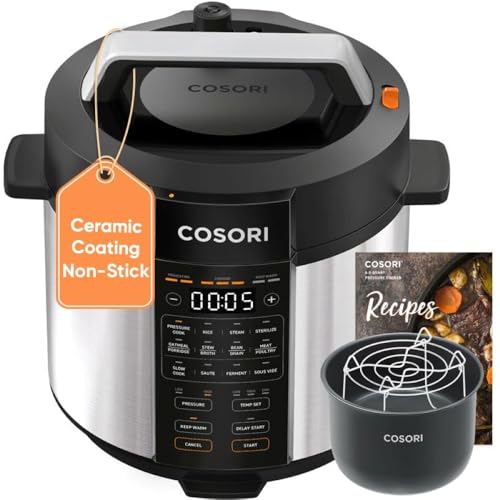
Cosori Pressure Cooker 6QT, Stainless Steel, 9-in-1 Multi Cooker, 12 Safety
America's Test Kitchen Best Buy pick
View Today's Price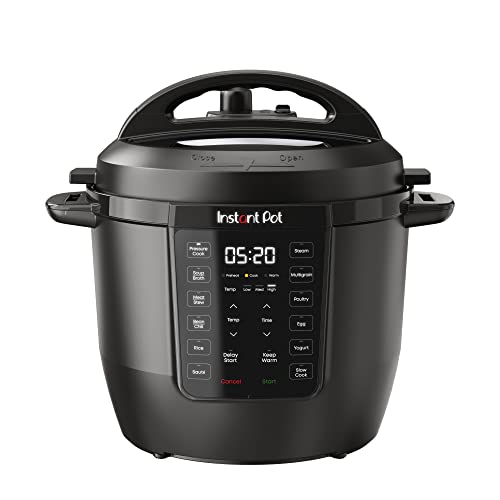
Instant Pot 6QT RIO 7-in-1 Multi-Cooker, Pressure Cooker, Slow cook, Sauté,
7-in-1 functions in a sleek black design
View Today's Price
Instant Pot 7.5QT RIO Wide, 7-in-1 Electric Multi-Cooker, Pressure Cooker, Slow
7.5-quart wide-base design for large searing surface
View Today's PriceHow to Choose the Right Multi-Cookers
Choosing the right multi-cooker depends on capacity, cooking style, inner pot material, and budget—trade-offs that shift based on your household size and meal habits. A feature that’s perfect for large families, like an 8-quart cooker or air fry lid, is overkill for solo cooks or small kitchens. Our recommendation engine evaluates your specific needs across five key dimensions and matches you to the best multi-cooker in under 60 seconds.
About this guide
Multi-Cookers
Why Multi-Cooker Shopping Is Trickier Than It Looks
Choosing the right multi cookers in 2026 is a balancing act between capacity, features, and price—often with trade-offs you won’t spot at first glance. For example, buyers frequently assume bigger multi cookers are better, but a 6–8 quart multi cooker (ideal for families) takes up precious counter space and can be overkill for solo cooks, while 3–6 quart multi cookers are perfect for 1–4 people but may not handle batch cooking. Many gravitate toward high 'in-1' counts, chasing multi cookers like the Instant Pot Pro with 28 modes, but overlook whether they’ll actually use yogurt or sous vide. Price tiers matter: $50–$75 gets you basic multi cookers with pressure and slow cooking (think Crock-Pot or entry-level Instant Pot), while $130–$200 brings in smart multi cookers with air fry lids and app connectivity from brands like Ninja and Cosori. Most buyers get tripped up by missing accessories (like steam baskets), overvaluing air fry add-ons in multi cookers, or ignoring how inner pot materials affect longevity and cleanup. Even the best-reviewed multi cookers can run hot on the exterior or require extra storage for accessories—details that make or break daily use.
What Actually Sets Multi-Cookers Apart
Not all multi cookers are created equal—real-world performance hinges on a few key differentiators. First, core functions in multi cookers matter more than inflated 'in-1' marketing: prioritize pressure and slow cooking evenness over extras like broil or sterilize. Instant Pot dominates the multi cookers market here, with the Pro and Duo Plus offering reliable pressure and slow cooking at the $100–$130 sweet spot. Air fry combo multi cookers (like the Duo Crisp with Ultimate Lid) are tempting but only worth it if you’ll actually use air fry weekly—otherwise, skip the premium. Stainless steel inner pots (as in Zavor LUX and most Instant Pots) are far more durable and scratch-resistant than nonstick, which can degrade quickly in multi cookers. Programmable timers (up to 12 hours on Crock-Pot multi cookers) are more useful than extra modes for most users, letting you avoid overcooked meals. Smart connectivity—Wi-Fi and app control—makes sense for tech-savvy cooks who want guided recipes or remote monitoring in their multi cookers, but adds cost and complexity. Skip multi cookers with high exterior heat if you have kids or tight spaces, and always check lid compatibility if you want to swap between air fry and pressure functions.
How to Choose the Right Multi-Cooker for You
Your ideal multi cooker depends on how capacity, cooking style, inner pot material, and budget interact. For example, a 6-quart Instant Pot Duo Plus multi cooker is perfect for families who want reliable pressure and slow cooking without air fry bloat, while a solo cook in a studio might be better off with a 3-quart multi cooker to save space and avoid leftovers. If you want hands-off weeknight dinners, prioritize programmable timers and easy-clean inner pots—stainless steel for durability, nonstick for convenience in multi cookers. Budget shapes your multi cookers choices: under $100 means sacrificing smart features and air fry, while $130–$200 unlocks premium multi cookers with advanced modes and app support. Our quiz evaluates your household size, preferred cooking functions, smart feature needs, pot material, and budget to match you with the right multi cooker. Beyond that, think about storage for multi cooker accessories, whether you’ll use advanced modes, and if you need oven- or dishwasher-safe multi cookers. Don’t underestimate the value of a simple interface—sometimes, fewer buttons make for a better daily multi cooker experience.
Buyer's guide
How to choose
1Core Performance Criteria
- Prioritize even pressure and slow cooking—Instant Pot Pro and Duo Plus consistently deliver tender results without burning or undercooking meals.
- A 6-quart capacity is the true sweet spot for families up to six, while 3-quart models are best for singles or couples with limited space.
- Ignore inflated 'in-1' claims and focus on core functions—pressure cook, slow cook, rice, steam, and sauté cover 95% of real-world use.
- Programmable timers (up to 12 hours on Crock-Pot) prevent overcooking and are more valuable than rarely used specialty modes.
- Air fry combos like the Duo Crisp add versatility but only pay off if you’ll use air fry at least weekly—otherwise, save your money.
- Check for consistent temperature control; some budget models run hot or uneven, risking scorched food or safety issues.
2Build Quality and Durability
- Stainless steel inner pots, as found in Instant Pot and Zavor, resist scratches and last longer than nonstick or ceramic alternatives.
- Nonstick ceramic pots are easier to clean but can degrade or scratch if used with metal utensils or abrasive sponges.
- Exterior heat is a real concern—Crock-Pot and some budget models get very hot, so avoid these if you have kids or limited counter space.
- Look for safety certifications (UL, ETL) to ensure pressure systems and electronics meet modern standards for kitchen appliances.
- Check lid design: 'Ultimate Lid' models swap easily between air fry and pressure, reducing clutter and minimizing breakage risk.
- Warranty length and support quality vary—Instant Pot and Ninja offer better customer service than most off-brand or budget models.
3Value Analysis and Pricing
- The $100–$130 range offers the best value, delivering reliable performance and enough functions for most households without unnecessary extras.
- Budget models ($50–$75) like Crock-Pot excel at slow cooking but lack pressure versatility and advanced safety features.
- Premium models ($130–$200) justify their price only if you’ll use air fry, smart features, or advanced presets regularly.
- Sales often drop premium models by 20–30%, making mid-range Instant Pot Pro or Duo Plus the best buy during promotions.
- Ignore 'in-1' marketing—focus on core functions and proven reliability rather than paying for features you’ll rarely use.
- Factor in accessory costs: steam baskets and extra inserts can add $15–$30, impacting total value if you need them upfront.
4Matching to Your Use Case
- Solo cooks or couples should stick to 3-quart models to avoid wasted space, energy, and leftovers that go uneaten.
- Families of four or more need at least a 6-quart cooker—anything smaller struggles with batch meals or entertaining guests.
- If you’re focused on rice, grains, or steaming veggies, make sure the cooker includes a dedicated basket or plan to buy one separately.
- Tech enthusiasts will appreciate smart models with Wi-Fi and app support, but these add cost and complexity for basic users.
- Busy households benefit from programmable timers and keep-warm functions, which are more useful than obscure specialty modes.
- If you meal prep or host often, look for models with oven- and dishwasher-safe inner pots for easier cleanup and versatility.
5Common Mistakes and Pitfalls
- Buying the largest model 'just in case' often leads to wasted space and longer cook times for small meals.
- Overvaluing 'in-1' counts distracts from real performance—focus on pressure and slow cook quality, not marketing gimmicks.
- Ignoring accessory needs is costly; most models lack a small steam basket, so budget for this if you steam veggies often.
- Assuming all nonstick pots are equal—some degrade quickly and can’t handle metal utensils or dishwasher cycles.
- Forgetting to check exterior heat can be dangerous, especially in homes with children or crowded countertops.
- Skipping warranty and support research—off-brand models may save money upfront but cost more if repairs or replacements are needed.
6Maintenance and Longevity
- Stainless steel pots last for years with proper care, while nonstick or ceramic require gentle cleaning to avoid scratches and peeling.
- Dishwasher-safe pots and lids save time, but always confirm both are rated for the dishwasher—some lids must be hand-washed.
- Regularly check and replace silicone gaskets (every 12–18 months) to maintain pressure safety and prevent leaks.
- Avoid abrasive sponges or metal utensils on nonstick pots to extend their lifespan and prevent flaking.
- Store accessories like racks and baskets in a dedicated spot—losing them makes core functions like steaming much harder.
- Keep firmware updated on smart models to ensure app compatibility and security, especially if you rely on remote control features.
FAQ
Frequently asked questions
Is it worth paying extra for air fry and smart features in a multi-cooker?
Air fry and smart features add $50–$70 to the price, but only pay off if you use them regularly. If you air fry weekly or want guided recipes and remote monitoring, models like the Instant Pot Duo Crisp or Pro Plus are worth it. For most, the core pressure and slow cook functions cover daily needs, making mid-range models the best value. Don’t pay for features you’ll rarely use—focus on proven performance and reliability instead.
How does Instant Pot compare to Ninja and Crock-Pot in 2026?
Instant Pot remains the top all-rounder, offering the best balance of pressure, slow, and rice cooking with reliable safety features and wide availability. Ninja excels at air fry combos and smart connectivity, but tends to cost more for similar core functions. Crock-Pot is unbeatable for classic slow cooking and programmable timers, especially in the $60 range, but lacks the pressure versatility of Instant Pot. Choose based on your most-used functions and budget.
What size multi-cooker do I need for a family of four?
A 6-quart multi-cooker is the ideal size for a family of four, providing enough capacity for batch cooking, stews, and entertaining guests. Models like the Instant Pot Duo Plus 6 Quart or Zavor LUX 6 Quart are designed to handle family-sized meals without taking up excessive counter space. Avoid 3-quart models—they’re too small for most family recipes. For larger families or meal prep, consider an 8-quart, but only if you routinely cook big batches.
Do I need a stainless steel or nonstick inner pot?
Stainless steel inner pots, found in most Instant Pot and Zavor models, offer maximum durability and resist scratches even with metal utensils. They’re ideal for those concerned about longevity or chemical coatings. Nonstick or ceramic pots make cleanup easier but can scratch or peel over time, especially if you use metal tools. If you want the easiest cleaning and don’t mind replacing the pot every few years, nonstick is fine. For long-term use, stainless is best.
Are budget multi-cookers under $100 reliable?
Budget models under $100, like the Crock-Pot 4.7L Multi-Cooker, are reliable for slow cooking and basic pressure cooking but may lack advanced safety features, precise temperature control, or smart connectivity. They’re great for occasional use or simple meals, but don’t expect the versatility or build quality of a $130 Instant Pot Pro. Always check for safety certifications and read user reviews—many budget models now meet 4.0-star standards and have hundreds of positive ratings.
What’s the most common accessory buyers forget to purchase?
Most buyers overlook the need for a small steam basket, which is rarely included with mid-range or premium models. The standard steam rack only fits large items, making it hard to steam chopped veggies or dumplings. Plan to buy a compatible basket (typically $10–$20) upfront if you steam often. This small investment saves frustration and expands your multi-cooker’s versatility, especially for healthy weeknight sides.
How do the Instant Pot Pro and Duo Plus differ in real use?
The Instant Pot Pro offers more modes (28 vs 9), a sturdier build, and improved safety features compared to the Duo Plus. It’s better for advanced users who want sous vide, sterilize, and custom programming, while the Duo Plus is simpler and easier for beginners. Both deliver excellent pressure and slow cooking, but the Pro justifies its higher price if you’ll use the extra functions. For most, the Duo Plus covers all daily needs at a lower cost.
Related reading
Best Multi-Cookers By Category
Related Guides
Air Fryers
Matched to your kitchen space, batch size, cooking style, and must-have features—get an air fryer that truly fits your needs.
Bar Tools
Skill level, tool type, finish, budget, and how you’ll use your bar tools—get matched to the right set for your home bar.
Beginner Espresso Machines
Skill level, hands-on control, milk frothing, and kitchen space—get matched to the perfect beginner espresso machine for your daily ritual.
Best Bread Machines for Home Bakers
Loaf size, bread style, add-ins, and control—get matched to the bread machine that fits your kitchen and baking goals.
Breakfast Cookware
Matches your breakfast routine, kitchen setup, budget, and health priorities to the perfect pan, griddle, or appliance.