Skip the research trap. Get your best metal detectors for every treasure hunter in 60 seconds.
We scored 350+ best metal detectors for every treasure hunter across 5 dimensions — answer 5 quick questions and we'll match you to YOUR best pick.
Powered by DecisionScore™
Each product is evaluated across 18 weighted criteria — covering performance, value, build quality, and real-world usability. Your quiz answers re-weight the criteria to match what matters most to you, so two people can get different #1 picks from the same data.
See the DecisionScore methodology →- Rugged analog detector with 8-inch concentric coil for beginners
- Three search modes with automatic ground balance simplify use
- Lightweight 4.2 lb build keeps fatigue low on long hunts
Find your perfect best metal detectors for every treasure hunter
5 quick questions. No quiz-takes-10-minutes trap. A personalized match from 34 scored picks — with clear reasoning for every recommendation.
Where will you primarily use your metal detector?
Different environments require different technologies. Park and field machines handle general soil conditions. Beach and water units need full waterproofing and stable operation on wet sand. Goldfields detectors cope with highly mineralized ground for prospecting. All‑terrain models adapt across multiple environments.
- Wet sand and saltwater require multi-frequency, waterproof detectors—don’t risk a basic VLF model at the beach.
- Parks and fields are less demanding; a mid-range VLF or multi-frequency unit works well for coins and jewelry.
- Goldfields are highly mineralized—look for machines with adjustable ground balance and high sensitivity.
As an Amazon Associate and affiliate partner we earn from qualifying purchases. Links on this page may earn us a commission at no extra cost to you. Full disclosure
Not ready for the quiz? Here are our overall top picks
These are our top-rated picks overall. For a recommendation matched to YOUR specific needs,
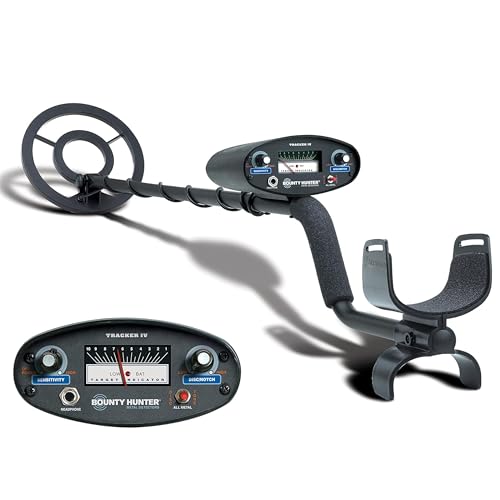
Bounty Hunter TK4 Tracker IV Metal Detector – All-Terrain Gold, Silver, Coin &
Rugged analog detector with 8-inch concentric coil for beginners
View Today's Price
Fisher F22 Weatherproof Metal Detector with 9 Inch Weatherproof Coil,
Weatherproof detector with 9-inch concentric coil
View Today's Price
Futuristic Bounty Hunter
Check today’s price →Value detector with 9-inch waterproof coil and LCD target ID
View Today's PriceHow to Choose the Right Best Metal Detectors for Every Treasure Hunter
Choosing the right metal detector depends on where you’ll hunt, your experience, target preferences, and how much customization you want—trade-offs that shift with your real-world needs. A feature that’s perfect for goldfields may be useless in city parks, and the ideal weight for kids is a burden for serious relic hunters. Our recommendation engine evaluates your specific situation across five key dimensions and matches you to the right detector in under 60 seconds.
About this guide
Best Metal Detectors for Every Treasure Hunter
Why Metal Detector Choices Are Trickier Than They Look
Picking metal detectors in 2026 is a minefield of trade-offs, not a simple matter of price or coil size. The metal detectors market is flooded with everything from $100 kids’ toys to $1,600 pro-level gold machines, but most buyers underestimate how much environment and target type dictate what actually works. A metal detector that shines in city parks—like the Minelab Vanquish 440—can completely fall apart on saltwater beaches, while a gold-centric metal detector such as the Fisher Gold Bug Pro is overkill (and often frustrating) for coin shooting in trash-filled playgrounds. Key specs on metal detectors like multi-frequency operation, waterproofing, and adjustable ground balance aren’t just marketing—these features make or break your hunt, especially in mineralized soils or wet sand. The real trap? Budget metal detectors under $150 (think Bounty Hunter TK4) look tempting but hide serious compromises in depth, sensitivity, and ergonomics. Most buyers get burned by ignoring these subtleties, ending up with a metal detector that’s either too basic or too specialized for their needs. Our research cuts through this confusion by focusing on what genuinely matters for real-world treasure hunting with metal detectors.
What Actually Sets Metal Detectors Apart in 2026
The biggest differentiators in today’s metal detectors are frequency technology, waterproofing, and user interface—not just brand or price. Multi-frequency metal detectors like the Minelab Vanquish 440 and Equinox 900 have become the gold standard because these metal detectors adapt to everything from mineralized beaches to inland fields, delivering reliable depth and target ID. Skip single-frequency VLF metal detectors unless you’re strictly coin hunting in mild soil; these metal detectors struggle on wet sand and iron-rich ground. Waterproofing is non-negotiable for surf or river hunters—only metal detectors like the Nokta Simplex Lite and Minelab Equinox 900 are truly submersible, while other metal detectors are merely splashproof. Coil size is another overlooked factor: the stock 11–12" coil on most metal detectors covers ground fast but can miss small jewelry, so accessory 8" coils are worth considering for precision. Brands like Nokta and Minelab lead on real-world performance among metal detectors, while older Bounty Hunter and Fisher metal detectors lag in mineralization handling. Don’t be lured by flashy displays or too many modes on metal detectors—prioritize stable target ID, ergonomic balance, and wireless audio if you hunt for hours. In short, skip metal detectors under $150 unless it’s for a child, and don’t pay $1,000+ unless you need underwater or advanced gold prospecting capability from your metal detector.
How to Balance Features, Budget, and Real-World Use
Your decision hinges on how environment, experience, and target type interact with budget and feature set when choosing metal detectors. For example, hunting gold in mineralized soil demands a multi-frequency or high-frequency metal detector, but if you’re just after coins in local parks, a $220–$300 Nokta FindX Pro or Simplex Lite metal detector will cover 90% of your needs. Room for error is slim: a heavy, unbalanced metal detector (like the 2.9 lb Manticore) will exhaust you on long hunts, while a lightweight metal detector may lack depth or discrimination. Waterproofing is a must for beach or river use—don’t trust 'splashproof' claims on metal detectors unless the spec says submersible to at least 10 feet. Battery life and wireless audio on metal detectors matter more than most realize, especially for all-day hunts. Our quiz weighs where you’ll hunt, your experience, targets, portability, and customization needs to match you with the right metal detector. The bottom line: don’t just chase the highest spec or lowest price on metal detectors. Consider how each feature interacts with your real hunting style, and be honest about which trade-offs you’re willing to live with when selecting metal detectors.
Buyer's guide
How to choose
1Core Performance Criteria
- Multi-frequency technology, like Minelab’s Multi-IQ, adapts to changing soil conditions and is essential for beach or goldfield hunting in 2026.
- Depth and sensitivity are not just marketing claims—expect 8–10 inches on coins for Nokta Simplex Lite, but only 5–7 inches on sub-$150 models.
- Target ID accuracy matters: Minelab Vanquish 440 and Equinox 900 provide reliable numeric IDs, while older Bounty Hunter units often misidentify trash.
- Ground balance adjustability is crucial for mineralized soils; skip detectors without it if you hunt beaches or goldfields regularly.
- Audio response clarity is a real differentiator—wireless headphones on Nokta and Minelab units help you hear faint, deep targets others will miss.
- Stock coil size affects coverage and precision; 11-inch coils are standard for depth, but accessory 8-inch coils excel at finding small jewelry and coins.
2Build Quality and Durability
- Detectors like the Minelab Vanquish 440 and Nokta Simplex Lite use reinforced shafts and weather-sealed housings for years of reliable use.
- Avoid ultra-budget models under $100; their plastic joints and coil cables often fail within a single season of moderate use.
- Waterproofing is a must for serious beach or river use; only models rated fully submersible to at least 10 feet are safe for underwater hunting.
- Check for padded arm cuffs and adjustable shafts—these features reduce fatigue and prevent wrist strain during long hunts.
- Battery compartment seals and cable connectors should feel robust; loose fittings are a sign of poor quality and risk water ingress.
- Warranty length varies—Minelab and Nokta offer two to three years, while some Bounty Hunter units provide only one year of limited coverage.
3Value Analysis and Price Bands
- The sweet spot for value in 2026 is $220–$300, where models like Nokta FindX Pro deliver 80–90% of premium performance for a fraction of the cost.
- Avoid detectors under $150 unless buying for a child; they lack depth, stability, and meaningful discrimination in real-world conditions.
- Premium models like Minelab Equinox 900 ($900+) are only worth it for frequent underwater hunts or advanced gold prospecting.
- Mid-range detectors add features like wireless audio, selectable frequencies, and advanced discrimination without the $1,000+ price tag.
- Factor in accessories—wireless headphones, diggers, and coil covers often add $50–$100 to your total spend.
- Prices have stabilized post-2025, so don’t expect deep discounts on top brands like Minelab or Nokta; focus on bundled kits for best value.
4Use-Case Fit: Matching Detector to Your Hunt
- Coin and jewelry hunters in parks do best with mid-range multi-frequency models like the Vanquish 440 or Simplex Lite.
- Beach and saltwater hunters require fully waterproof, multi-frequency machines; don’t risk a 'splashproof' detector in surf or wet sand.
- Gold prospectors need high-frequency or multi-frequency units with adjustable ground balance—skip basic VLFs for serious nugget hunting.
- If you hunt for hours, prioritize lightweight models under 3 lbs and ergonomic shafts to avoid arm fatigue.
- Urban relic hunters should look for advanced discrimination and small accessory coils to separate good targets from trash.
- For kids or casual users, stick to simple, durable models with preset modes and minimal controls to avoid frustration.
5Common Mistakes and Pitfalls
- Buying a high-frequency gold machine for coins in parks leads to poor depth and endless frustration—match frequency to your target and soil.
- Ignoring coil size can mean missing small jewelry or wasting time on deep trash; use the right coil for your hunt.
- Assuming all detectors are waterproof is risky—only trust models rated submersible to 10 feet or more for water use.
- Overlooking weight and balance leads to fatigue; always test swing a detector before buying if possible.
- Skipping headphones means missing faint signals, especially in windy or noisy environments—wireless options are worth the extra cost.
- Focusing on flashy displays or too many modes distracts from core performance; stable target ID and depth matter most.
6Maintenance and Longevity
- Rinse waterproof detectors after saltwater use to prevent corrosion—Minelab and Nokta models are built for this but still need care.
- Replace coil covers regularly to protect against scratches and wear, especially if hunting rocky or abrasive terrain.
- Rechargeable batteries save money long-term; expect 8–12 hours per charge on models like the Equinox 900, but bring spares for all-day hunts.
- Store detectors in padded, waterproof bags to prevent shaft and control box damage during transport and storage.
- Check cable connections and seals after each use—loose or cracked fittings can lead to water damage or signal loss.
- Follow manufacturer’s firmware updates for advanced models, as software improvements can boost depth, target ID accuracy, and stability over time.
FAQ
Frequently asked questions
Is multi-frequency technology worth the higher price in 2026?
Absolutely—multi-frequency detectors like the Minelab Vanquish 440 and Equinox 900 outperform single-frequency models in mineralized soils, wet sand, and even goldfields. They deliver more accurate target ID, greater depth, and versatility across environments. If you plan to hunt beaches, rivers, or varied terrain, the extra investment pays off in finds and fewer false signals. For park-only use, a solid VLF may suffice, but multi-frequency is the new standard for serious hunters.
How does Nokta compare to Minelab for value and performance?
Nokta models like the FindX Pro and Simplex Lite deliver 80–90% of Minelab’s performance for about half the price, especially in the $220–$300 range. Minelab excels in advanced features and waterproofing, but Nokta’s customization, lightweight builds, and reliable depth make them a top choice for beginners and value-focused buyers. For underwater or pro-level hunting, Minelab pulls ahead, but Nokta is unbeatable for most hobbyists.
What detector should I choose for saltwater beach hunting?
For saltwater beaches, only use fully waterproof, multi-frequency detectors like the Minelab Equinox 900 or Nokta Simplex Lite. Avoid single-frequency VLFs—they struggle with mineralized wet sand and produce false signals. Look for models rated submersible to at least 10 feet and bring wireless headphones for windy conditions. Expect to spend $300–$1,100 for reliable beach performance in 2026.
Are sub-$150 detectors like Bounty Hunter TK4 worth it for beginners?
Sub-$150 detectors such as the Bounty Hunter TK4 are only suitable for kids or absolute beginners with very basic needs. They lack depth, have poor discrimination, and struggle in mineralized soils. For a meaningful first experience, invest in a $220–$300 model like the Nokta FindX Pro or Simplex Lite—these offer real performance and features that won’t be outgrown after a few hunts.
How important is weight and ergonomics for long hunts?
Extremely important—detectors over 3 lbs, like the Minelab Manticore, can cause arm fatigue after just a couple of hours, especially for lighter users. Models like the Nokta Simplex Lite and Vanquish 440 offer lightweight designs and padded arm cuffs, making them comfortable for extended sessions. Always consider balance and try before you buy if possible.
Can I use the same detector for coins, relics, and gold nuggets?
Some multi-frequency models, such as the Minelab Equinox 900, are versatile enough for coins, relics, and even small gold nuggets. However, dedicated gold machines offer better sensitivity for tiny nuggets in mineralized soil. If gold is your main target, prioritize high-frequency or multi-frequency units with adjustable ground balance. For general use, a mid-range multi-frequency detector covers most scenarios.
Do I really need wireless headphones or extra coils?
Wireless headphones make a big difference, especially in noisy environments or for hearing faint, deep targets. Brands like Nokta and Minelab offer reliable wireless audio options. Extra coils—such as smaller 8-inch or larger 13-inch accessories—let you tailor your detector for specific hunts, increasing finds and efficiency. These upgrades are worth considering for serious hobbyists.
Best Best Metal Detectors for Every Treasure Hunter By Category
Related Guides
Advanced Telescopes
Aperture, mount type, portability, and setup—matched to your observing goals and real-life constraints in seconds.
Avalanche Beacons & Transceivers
Skill level, rescue needs, budget, battery type, and Bluetooth—get matched to the safest avalanche beacon for your backcountry trips.
Backyard Playground Sets
Play features, yard size, age range, and installation—get matched to a backyard playground set that truly fits your family.
Backyard Trampolines
We match trampolines to your jumpers’ ages, bounce style, yard size, safety needs, and budget—no more guessing or risky shortcuts.
Bike Lights
Matched to your commute, riding environment, brightness needs, charging style, and budget—get the right bike light for your safety.