Skip the research trap. Get your massage guns in 60 seconds.
We scored 200+ massage guns across 5 dimensions — answer 5 quick questions and we'll match you to YOUR best pick.

Powered by DecisionScore™
Each product is evaluated across 18 weighted criteria — covering performance, value, build quality, and real-world usability. Your quiz answers re-weight the criteria to match what matters most to you, so two people can get different #1 picks from the same data.
See the DecisionScore methodology →- 10.5 mm stroke with 44 lb stall force
- Five speeds between 1,800 and 3,000 ppm
- Light 1.5 lb design with ergonomic grip
Find your perfect massage guns
5 quick questions. No quiz-takes-10-minutes trap. A personalized match from 20 scored picks — with clear reasoning for every recommendation.
What best describes how you plan to use your massage gun?
Deep recovery devices have long strokes and high stall force for serious muscle work. General relief guns balance power and comfort for everyday use. Portable travel options prioritize light weight and compact size for on‑the‑go convenience.
- If you’re an athlete or do heavy workouts, deep recovery guns with high amplitude and stall force work best.
- For everyday aches or stress relief, a balanced model with moderate power and comfort is usually sufficient.
- Travelers or commuters should look for compact, lightweight massage guns that fit easily in a bag or suitcase.
As an Amazon Associate and affiliate partner we earn from qualifying purchases. Links on this page may earn us a commission at no extra cost to you. Full disclosure
Not ready for the quiz? Here are our overall top picks
These are our top-rated picks overall. For a recommendation matched to YOUR specific needs,
BOB AND BRAD C2 Pro Massage Gun with Heat and Cold Therapy, FSA Eligible & HSA
10.5 mm stroke with 44 lb stall force
View Today's Price
Mebak 3 Massage Gun, Massage Gun Deep Tissue for Athletes, Professional Muscle
12 mm amplitude and 28 lb stall force for moderate relief
View Today's Price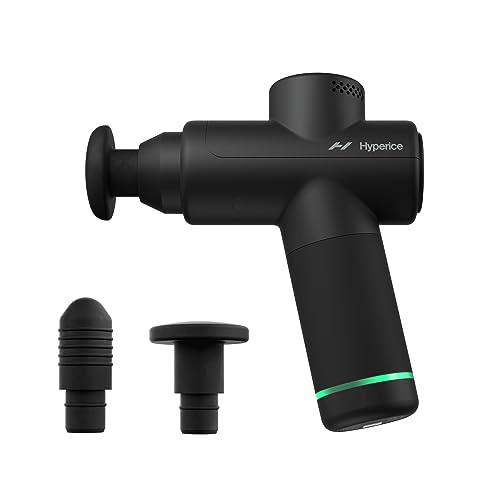
Hyperice Hypervolt Go 2 - Black - Featuring Quiet Glide Technology - Handheld
Three speed settings for everyday recovery
View Today's PriceHow to Choose the Right Massage Guns
Choosing the right massage gun depends on how you’ll use it, the intensity you want, form factor preferences, and battery expectations—trade-offs that shift based on your fitness routine, travel needs, and sensitivity to noise or weight. Generic top-10 lists can’t solve this because a feature that’s perfect for deep recovery is wrong for travel or relaxation. Our recommendation engine evaluates your specific needs across five dimensions and matches you to the right massage gun in under 60 seconds.
About this guide
Massage Guns
Why Massage Gun Shopping Is Trickier Than It Looks
Massage guns in 2026 aren’t just about turning on a motor and hoping for relief. Choosing the right massage guns means decoding specs like amplitude (how deep it punches—16mm is pro-level), stall force (the pressure before it stalls), and balancing those against portability and price. For example, a $350 Hyperice Hypervolt 2 Pro delivers a true deep-tissue experience with high amplitude and stall force, but it’s heavy and overkill for casual users. Meanwhile, the $80 Bob & Brad Mini is a travel champ among massage guns but can’t dig as deep into tight quads. Most buyers fixate on speed (PPM) or number of heads, but overlook how amplitude and stall force in massage guns actually determine muscle relief. Others assume more expensive massage guns mean better results, missing that some $100 minis are perfect for daily aches but useless for athletes. Even handle design—angled for comfort or straight for reach—affects massage guns’ usability. Battery life is another trap: some massage guns with powerhouse motors may last just 90 minutes, while gentler models cruise for five hours. The trade-offs with massage guns are real, and most buyers get at least one of them wrong.
What Actually Sets Massage Guns Apart in 2026
The biggest differentiators between massage guns aren’t always obvious. Amplitude and stall force matter more than raw speed—skip high-PPM mini massage guns if you need deep recovery, and focus on massage guns with 12-16mm amplitude and 40+ lbs stall force. For example, the Pro Physio Massage Gun (7 heads, 16mm amplitude) outperforms many pricier massage guns for actual muscle penetration. Quietness is another make-or-break factor: the Mini Q2 massage gun runs under 50dB, perfect for home use, while some premium massage guns are surprisingly loud. Ergonomics are underrated—angled handles like those on the HoMedics Pro Power massage gun reduce wrist fatigue, while compact minis like the Bob & Brad Q2 Mini are unbeatable for travel but less effective on dense muscle. Don’t pay extra for Bluetooth apps on massage guns unless you want guided routines; most people never use them. Heat or light therapy on massage guns is only worth it if you have chronic pain or want the latest recovery tech. Skip basic percussion-only massage guns if you crave versatility—models with at least five heads and variable speeds are far more adaptable.
How to Weigh Specs, Features, and Your Real Needs
Room in your gym bag, how much intensity you crave, and your willingness to charge batteries all interact to shape your best massage gun pick. A compact mini massage gun is unbeatable for travel, but won’t deliver the stall force needed for post-marathon recovery. If you want long sessions, battery life and handle comfort on massage guns matter more than amplitude. Budget also constrains your massage guns: under $100, expect gentler vibration and shorter battery life, while $150-$250 unlocks pro-level power and accessories. Our quiz evaluates your massage guns use case, intensity preference, grip comfort, desire for extras, and battery priorities in one go. For everyone else, think about which massage guns you’ll actually use—do you want a whisper-quiet massage gun for late-night sessions, or are you chasing the most powerful punch for sore glutes? If you’re a beginner, don’t be lured by 10+ speed settings or app features on massage guns you’ll never touch. And always consider how much weight you want to hold for ten minutes straight—bulkier massage guns wear you out fast.
Buyer's guide
How to choose
1Core Performance Criteria
- Amplitude determines how deep the massage gun penetrates—16mm is ideal for athletes, while 8-12mm suits general relief or sensitive users.
- Stall force, measured in pounds, tells you how much pressure a gun can handle before stopping—look for 40+ lbs for dense muscle groups.
- Speed settings (PPM) matter less than depth; high speeds without amplitude just vibrate, not massage, so don’t chase numbers alone.
- Choose a gun with at least five interchangeable heads for versatility; the Pro Physio’s seven heads cover everything from neck to calves.
- Noise level impacts usability—models like the Mini Q2 stay under 50dB, making them suitable for shared spaces or nighttime use.
- Battery life varies widely: two hours is the minimum for full sessions, but some minis trade runtime for lighter weight and portability.
2Build Quality and Durability
- Premium models like HoMedics Pro Power use brushless motors for quiet, long-lasting performance and less risk of overheating during extended sessions.
- Look for reinforced or rubberized handles—angled grips reduce fatigue and improve control, especially on heavier, high-powered units.
- Removable batteries, found in some mid- and high-end models, extend product lifespan and make replacement easier if the battery degrades.
- Check for sturdy attachment mechanisms; cheap heads can rattle or fall off under pressure, especially on budget massage guns under $100.
- Water-resistant or sweatproof casings add durability for gym or outdoor use, but are rare in mini travel models.
- Warranty length and support matter—brands like Bob & Brad and Hyperice offer better coverage than no-name budget options.
3Value Analysis and Pricing
- Budget minis like Bob & Brad Q2 Mini ($80-120) offer unbeatable value for casual users but lack the stall force for deep tissue work.
- The $150-200 range, including Pro Physio, hits the sweet spot for power, accessories, and build quality without unnecessary extras.
- Premium models above $300, such as Hyperice Hypervolt 2 Pro, justify their price only if you need pro-level amplitude and advanced features.
- Rare discounts mean prices stay stable year-round—don’t wait for sales, as Consumer Reports notes these are “always this price.”
- Evaluate what you’ll actually use—skip Bluetooth or app features if you just want basic percussion, as they rarely add value for most users.
- Versatility peaks with models offering five or more heads and variable speeds, making mid-range guns a better long-term investment than single-head budget picks.
4Use-Case Fit and Ergonomics
- Athletes recovering from intense workouts need 16mm amplitude and high stall force, while daily users do fine with gentler, quieter minis.
- Travelers should prioritize compact, lightweight models like the Mini Q2 or Bob & Brad Mini, even if it means sacrificing some power.
- Ergonomic handles, such as those on HoMedics Pro Power, reduce wrist strain during long sessions and are essential for users with grip issues.
- Traditional bar-style guns offer longer reach for back and legs, but can be bulky—choose based on which muscle groups you target most.
- If you want guided routines, look for Bluetooth app integration—otherwise, skip it and save money for more practical features.
- For home use, prioritize noise level and comfort; under 50dB operation and a non-slip handle make regular sessions far more pleasant.
5Common Mistakes and Pitfalls
- Many buyers chase high PPM (percussions per minute) but ignore amplitude—depth matters more than speed for real muscle relief.
- Ignoring stall force leads to disappointment; weak motors stall on dense tissue, making the gun useless for serious recovery.
- Choosing a bulky, heavy gun for travel is a recipe for regret—compact minis are far easier to pack and actually use on the go.
- Assuming more heads equals better performance is a myth; quality and fit matter more than sheer quantity of attachments.
- Overlooking battery life can ruin your routine; short-lived batteries in powerful minis like the M7 Plus mean frequent recharging.
- Skipping ergonomics leads to arm fatigue—angled or rubberized handles make a bigger difference than most first-time buyers expect.
6Maintenance and Longevity
- Removable batteries extend lifespan—replace them as needed instead of discarding the whole unit when battery health declines.
- Clean attachments after each use with sanitizing wipes to prevent bacteria buildup and keep heads in good condition.
- Check for firmware or app updates if your gun has Bluetooth features, as these can improve performance or add routines.
- Avoid dropping or exposing your massage gun to moisture; even water-resistant models aren’t fully waterproof and can be damaged.
- Store your gun in a hard-shell case to protect it and its heads during travel or when not in use.
- Replace worn or cracked heads promptly—unbalanced attachments can damage the motor and reduce massage effectiveness over time.
FAQ
Frequently asked questions
Is high amplitude or high speed more important for deep tissue relief?
High amplitude—ideally 12-16mm—matters far more for deep tissue relief than speed alone. A gun with 16mm amplitude and strong stall force, like the Pro Physio or Hyperice Hypervolt 2 Pro, penetrates muscle more effectively than a high-PPM mini. Speed only increases vibration, not depth, so prioritize amplitude if you want real recovery after tough workouts.
How does the Bob & Brad Mini compare to the Hyperice Hypervolt 2 Pro?
The Bob & Brad Mini is a compact, travel-friendly massage gun with solid power for its size and a lower price ($80-120). The Hyperice Hypervolt 2 Pro, at $350-400, delivers much higher amplitude, stall force, and battery life, making it better for athletes or deep tissue needs. Choose Bob & Brad Mini for portability; Hypervolt 2 Pro for maximum intensity.
What battery life should I expect from a massage gun for daily use?
For regular daily sessions, look for a massage gun with at least two hours of battery life per charge. Premium models like HoMedics Pro Power and Pro Physio often offer 3-5 hours. Minis and budget models may only last 60-90 minutes, so consider your session length and charging habits before choosing.
Are Bluetooth app features worth paying extra for?
Bluetooth app features are only worth it if you want guided routines, progress tracking, or customizable programs. Models like the Bob and Brad M7 Plus Mini offer app integration, but many users never use these extras. If you prefer simple, manual control, skip Bluetooth and invest in better amplitude or battery life instead.
How many attachment heads do I need for versatility?
Aim for at least five interchangeable heads for true versatility. Seven-head models like the Pro Physio Massage Gun cover everything from large muscle groups to sensitive areas. Fewer heads limit what techniques you can use, but more than seven is usually unnecessary unless you have highly specific needs.
What’s the best massage gun for travel?
For travel, prioritize lightweight and compact models like the Bob & Brad Q2 Mini or Mini Q2 Massage Gun. These fit easily in a gym bag or suitcase and run quietly under 50dB. You’ll sacrifice some stall force and amplitude compared to full-size models, but portability and convenience outweigh raw power for most travelers.
How does the Pro Physio Massage Gun stack up against the HoMedics Pro Power?
Both are top-rated in 2026, but the Pro Physio Massage Gun offers seven heads, strong amplitude, and detailed instructions at a mid-range price ($150-200). The HoMedics Pro Power is a premium pick with even quieter operation and a more ergonomic handle, but costs $250-300. Choose Pro Physio for value and versatility; HoMedics for premium build and comfort.
Best Massage Guns By Category
Related Guides
Adjustable Dumbbells
Weight range, adjustment speed, handle style, and space—get matched to adjustable dumbbells that fit your real training needs.
Bike Mats
Matched to your bike type, floor surface, noise needs, material preference, and budget for the perfect indoor cycling mat.
Bike Trainers
Matched to your riding style, noise tolerance, tech needs, and space—get a bike trainer that fits your real routine.
Cold Plunge Tubs
Insulation, chilling method, space, and budget—get matched to the cold plunge tub that fits your recovery style and setup.
Compact Home Gyms
Matched to your space, resistance needs, tech comfort, and how you actually want to train—no more guessing or wasted space.