Skip the research trap. Get your induction cooktops in 60 seconds.
We scored 250+ induction cooktops across 5 dimensions — answer 5 quick questions and we'll match you to YOUR best pick.

Powered by DecisionScore™
Each product is evaluated across 18 weighted criteria — covering performance, value, build quality, and real-world usability. Your quiz answers re-weight the criteria to match what matters most to you, so two people can get different #1 picks from the same data.
See the DecisionScore methodology →Find your perfect induction cooktops
5 quick questions. No quiz-takes-10-minutes trap. A personalized match from 21 scored picks — with clear reasoning for every recommendation.
What do you care about most when choosing an induction cooktop?
Some cooks want sheer heating power for rapid boiling, others value flexible zones that fit odd cookware, while tech‑savvy users prefer smart connected appliances. If you’re mostly after basic functionality at a great price, pick simplicity.
- Built-in cooktops need a 240V outlet and permanent installation—ideal for remodels or new kitchens.
- Portable units are best for renters, RVs, or small spaces where flexibility is key.
- Ranges combine oven and cooktop but require the most space and highest installation cost.
As an Amazon Associate and affiliate partner we earn from qualifying purchases. Links on this page may earn us a commission at no extra cost to you. Full disclosure
Not ready for the quiz? Here are our overall top picks
These are our top-rated picks overall. For a recommendation matched to YOUR specific needs,
Amazon Basics 1800W Portable Electric Induction Cooktop, Burner and Child Lock,

AMZCHEF 30 Inch Built-in Induction Cooktop, 9 Levels Electric Stove, Slide
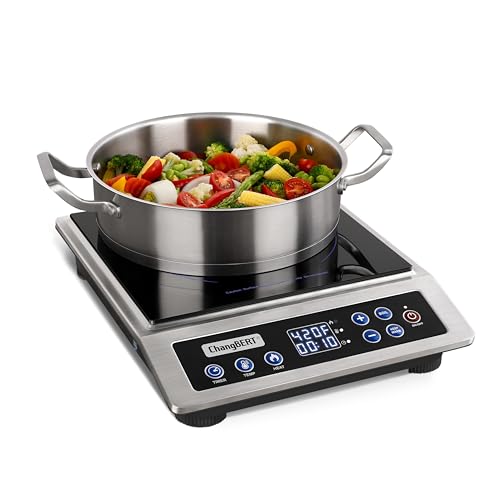
ChangBERT Portable Induction Cooktop Enhanced Version, One-Click Max Power 1800W
How to Choose the Right Induction Cooktops
Choosing the right induction cooktop depends on installation type, zone flexibility, power needs, and cookware compatibility—trade-offs that shift based on your kitchen, cooking style, and budget. A feature that’s perfect for a gourmet kitchen could be overkill for a small apartment or RV. Our recommendation engine evaluates your specific needs across five dimensions and matches you to the ideal induction cooktop in under 60 seconds.
About this guide
Induction Cooktops
Why Induction Cooktop Decisions Are Trickier Than They Look
Choosing induction cooktops in 2026 is much more complicated than most shoppers expect. The price range for induction cooktops alone is staggering: portable single-burner induction cooktops like the Duxtop 8100MC start at $70–$100, while built-in induction cooktops such as the GE Profile or Thermador Freedom can run $1,800 to over $5,000, not including $300–$800 in electrician fees for 240V wiring. Many buyers focus on the headline benefits—induction cooktops’ ability to boil water in half the time and keep surfaces cool—but overlook crucial trade-offs. Burner layout is a minefield: entry-level induction cooktops have fixed zones, while premium brands like Bosch and Hisense offer bridge or flex zones for griddles and oversized pans. Maximum wattage on induction cooktops matters more than most realize; budget models top out at 1,400W, while premium induction cooktops deliver 3,700W per zone for true searing. Cookware compatibility trips up 30% of buyers—only pots with magnetic bottoms work on induction cooktops, so that favorite copper or glass pan is useless. Most buyers also ignore zone flexibility on induction cooktops and end up frustrated when they can’t use large roasters. Even features like Wi-Fi, voice control, and child locks on induction cooktops can be make-or-break, depending on your household. It’s not just about speed—understanding induction cooktops’ specs and installation needs is essential to avoid costly mistakes.
What Actually Separates Induction Cooktops: Real Differentiators
The difference between a $1,200 Hisense induction cooktop and a $2,200 LG smart induction range is about more than just brand name or marketing. Bridge and flex zones, found on GE Profile and Hisense induction cooktops, are game changers if you use griddles or oversized pans—skip standard four-burner induction cooktops if you ever roast or batch-cook. Touch controls are now standard on most induction cooktops, but their responsiveness varies wildly: premium induction cooktops react instantly, while budget touch panels can lag and frustrate during fast-paced cooking. Power boost modes on induction cooktops, which deliver up to 50% more wattage for searing or rapid boiling, matter more than most realize; don’t settle for underpowered induction cooktops if you value speed. Wi-Fi and smart-home integration on induction cooktops are only worth it if you’re already invested in connected routines; otherwise, reliability and warranty (1–5 years) are far more important. Safety features like child locks and residual heat indicators are non-negotiable for families using induction cooktops. Ignore BTU ratings—wattage output (7,000–11,000W total) is what delivers real-world performance on induction cooktops. If your cookware fails the fridge magnet test, budget for new induction-ready pots. Don’t get distracted by flashy screens or Wi-Fi on induction cooktops unless you’ll actually use them; prioritize bridge zones and wattage for daily cooking impact.
Decision Factors and How to Choose the Right Induction Cooktop
Every decision point—installation type, zone count, control style, and feature set—interacts with your actual kitchen and cooking habits when selecting induction cooktops. Room size and cabinet cutout dictate whether you can even install a 30-inch built-in induction cooktop, while renters or small apartment dwellers may only have space for a portable induction cooktop. The number of pans you use at once determines if you need four or five zones on your induction cooktop, or if a single-burner induction cooktop is enough for camping or RV use. Budget is a real constraint: bridge-equipped induction cooktops hit the $1,200–$1,800 sweet spot, but smart induction cooktops climb above $2,500. Our quiz evaluates your installation, zone, control, brand, and feature preferences for induction cooktops in one pass. For substantive guidance: always verify your home’s electrical setup—240V wiring is non-negotiable for built-in induction cooktops. Test your cookware with a magnet before shopping for induction cooktops. If you host or batch-cook, bridge or flex zones on induction cooktops are essential. Prioritize wattage and zone flexibility on induction cooktops over smart features unless you’re deep into a smart-home ecosystem. Don’t let aesthetics or brand alone drive your induction cooktop decision—real performance and compatibility trump looks every time.
Buyer's guide
How to choose
1Core Performance Criteria
- Prioritize induction cooktops with at least 7,000 watts total output for rapid boiling and consistent searing, especially if you cook frequently or entertain guests.
- Bridge or flex zones, as found on GE Profile and Hisense models, are essential for griddles, roasting pans, or multi-pot setups—standard round burners limit flexibility.
- Look for power boost modes that deliver up to 50% extra wattage for short bursts, which can make the difference between a slow simmer and a rolling boil.
- Touch controls are now standard, but the responsiveness varies; premium models react instantly, while entry-level units may lag by a second or more.
- Residual heat indicators and pan detection features are must-haves for safety, especially in homes with children or distracted cooks.
- Ignore BTU ratings—wattage output is the true measure of induction cooktop speed and performance, directly impacting how fast your meals come together.
2Build Quality and Durability
- Stainless steel trim and thick glass tops, like those on Bosch and LG models, resist scratches and withstand heavy cookware better than thinner, budget alternatives.
- Check warranty length—premium induction cooktops offer up to five years on parts, while budget models may only cover one year, impacting long-term value.
- Fan noise varies; high-end models run quieter at full power, while entry-level cooktops can be surprisingly loud during extended high-heat use.
- Look for reinforced frame construction and solid mounting hardware, especially for built-in models, to prevent flexing or rattling over years of use.
- Touch panels should be sealed and easy to clean; cheap models may develop dead spots or lose sensitivity after repeated cleaning or spills.
- Brands like GE and Bosch have better service networks and replacement part availability, which matters if you plan to keep your cooktop for a decade or more.
3Value Analysis
- The value sweet spot in 2026 is $1,200–$1,800 for a 30-inch, four-zone cooktop with bridge elements—avoid paying extra for Wi-Fi unless you use smart routines.
- Entry-level portable units under $100 are great for occasional use but lack the power and flexibility for daily family meals or serious batch cooking.
- Bridge-equipped models like Hisense and GE Profile cost more upfront but prevent future upgrades if your cooking needs expand—think long-term, not just initial price.
- Installation costs add $300–$800 for 240V wiring; factor this into your total budget to avoid surprises after purchase.
- Warranty coverage is a hidden value lever—longer warranties on premium models reduce your risk of expensive repairs or early replacement.
- Buying induction-compatible cookware upfront saves money and frustration; non-magnetic pans simply won’t work, no matter how much you spend on the cooktop itself.
4Use-Case Fit
- Built-in 30-inch models with bridge zones are best for home chefs who regularly cook with multiple pans or host large gatherings.
- Portable single- or double-burner units are ideal for small apartments, RVs, or as a secondary cooktop for outdoor or backup use.
- If you batch-cook or use griddles, prioritize bridge or flex zones—standard four-burner layouts can’t accommodate large or odd-shaped cookware efficiently.
- Smart features like Wi-Fi and voice control matter most if you already use connected home routines; otherwise, focus on core cooking performance.
- Families with kids should look for child locks and automatic shut-off features to minimize accident risk during busy meal prep times.
- If your kitchen lacks a 240V outlet, stick to portable models or budget for professional electrical installation before choosing a built-in cooktop.
5Common Mistakes
- Failing to test cookware with a fridge magnet leads to frustration—non-magnetic pans are incompatible, forcing unexpected extra purchases after installation.
- Overlooking the need for a 240V outlet with built-in models results in costly electrician visits or voided warranties from improper DIY installs.
- Choosing standard four-burner layouts without bridge zones limits flexibility for griddles, roasting pans, or batch cooking sessions.
- Assuming all touch controls are equally responsive—budget models can lag, causing accidental temperature overshoots or missed inputs during fast-paced cooking.
- Ignoring fan noise complaints on lower-cost models can be a dealbreaker in open-plan kitchens or quiet households.
- Letting brand reputation alone drive your decision may overlook better value or features available from less-advertised brands like Hisense or Frigidaire.
6Maintenance and Longevity
- Regularly clean glass surfaces with non-abrasive cleaners to prevent scratches and maintain touch panel sensitivity over years of use.
- Check for removable filters or accessible fan vents—clogged fans reduce efficiency and can cause overheating or premature failure.
- Avoid dragging heavy pots across the surface; even premium glass tops can develop micro-scratches that dull appearance and affect resale value.
- Replace worn or damaged power cords and plugs on portable models promptly to avoid electrical hazards or inconsistent heating.
- Monitor for software or firmware updates on smart models, as these can improve performance or add new features over time.
- Keep warranty documents and service contacts handy—brands like GE and Bosch have established repair networks, making long-term maintenance less stressful.
FAQ
Frequently asked questions
Is Wi-Fi connectivity worth paying extra for in an induction cooktop?
Wi-Fi connectivity is only worth the premium if you actively use smart-home routines or want remote monitoring. For most cooks, core features like bridge zones and high wattage matter more. Unless you already control appliances via phone or voice, skip Wi-Fi and invest in better cooking performance or a longer warranty instead.
How does the GE Profile Induction Cooktop compare to the Hisense model?
Both GE Profile and Hisense induction cooktops offer bridge elements for flexible zone cooking, but GE typically features faster touch controls and a slightly quieter fan. Hisense models often cost $400–$600 less, making them a strong value if you prioritize bridge zones over brand prestige. GE’s service network and five-year warranty are industry leaders.
What wattage should I look for if I cook large meals or batch cook?
For large meals or batch cooking, choose an induction cooktop with at least 3,000 watts per zone and a total output of 7,000–11,000 watts. This ensures rapid boiling and sustained searing, especially when using multiple pans at once. Bridge zones are also crucial for large cookware or griddles.
Do I need special cookware for induction cooktops?
Yes, induction cooktops require cookware with a magnetic base. Test your existing pots and pans with a fridge magnet—if it sticks, they’ll work. Stainless steel and cast iron are typically compatible, while copper, glass, and aluminum are not unless they have a magnetic layer. Investing in induction-ready cookware avoids frustration and maximizes performance.
Are portable induction cooktops powerful enough for daily cooking?
Portable induction cooktops under $100 are suitable for light, occasional use or as a backup, but they typically max out at 1,400–1,800 watts. For daily family meals, a built-in or higher-end portable with at least 2,000 watts per zone is recommended. Entry-level units may struggle with large pots or fast searing.
What’s the real difference between touch and knob controls?
Touch controls offer a sleek look and are easier to clean, but responsiveness varies—premium models respond instantly, while budget panels can lag. Knob controls provide tactile feedback, which some users find more intuitive. Hybrid controls combine both, but are rare in 2026. Choose based on your comfort and speed needs.
How important is a bridge or flex zone for most home cooks?
Bridge or flex zones are essential if you use griddles, roasting pans, or cook multiple dishes at once. Standard fixed burners limit flexibility and can leave large pans half-heated. Models like GE Profile and Hisense with bridge elements solve this issue, making them a worthwhile investment for most serious home cooks.
Related Guides
Air Fryers
Matched to your kitchen space, batch size, cooking style, and must-have features—get an air fryer that truly fits your needs.
Bar Tools
Skill level, tool type, finish, budget, and how you’ll use your bar tools—get matched to the right set for your home bar.
Beginner Espresso Machines
Skill level, hands-on control, milk frothing, and kitchen space—get matched to the perfect beginner espresso machine for your daily ritual.
Best Bread Machines for Home Bakers
Loaf size, bread style, add-ins, and control—get matched to the bread machine that fits your kitchen and baking goals.
Breakfast Cookware
Matches your breakfast routine, kitchen setup, budget, and health priorities to the perfect pan, griddle, or appliance.