Skip the research trap. Get your electric ride-on cars for kids in 60 seconds.
We scored 400+ electric ride-on cars for kids across 5 dimensions — answer 5 quick questions and we'll match you to YOUR best pick.

Powered by DecisionScore™
Each product is evaluated across 18 weighted criteria — covering performance, value, build quality, and real-world usability. Your quiz answers re-weight the criteria to match what matters most to you, so two people can get different #1 picks from the same data.
See the DecisionScore methodology →- Licensed Land Rover 2-seater truck
- Dual 12V batteries for stronger power
- Spring suspension system
Find your perfect electric ride-on cars for kids
5 quick questions. No quiz-takes-10-minutes trap. A personalized match from 39 scored picks — with clear reasoning for every recommendation.
How many kids will ride at once?
2-seater models cost more but eliminate sibling arguments. Single-seaters are more maneuverable and often lighter.
- Two-seater models cost more but prevent sibling arguments and extend usefulness as your family grows.
- Single-seaters are lighter and easier to store, perfect for solo play or tight spaces.
- Always check the weight capacity if you want two kids to ride — 110 lbs minimum is a must.
As an Amazon Associate and affiliate partner we earn from qualifying purchases. Links on this page may earn us a commission at no extra cost to you. Full disclosure
Not ready for the quiz? Here are our overall top picks
These are our top-rated picks overall. For a recommendation matched to YOUR specific needs,
Costzon 2-Seater Ride on Truck, 12V Battery Powered Electric Vehicle w/Remote
Licensed Land Rover 2-seater truck
View Today's Price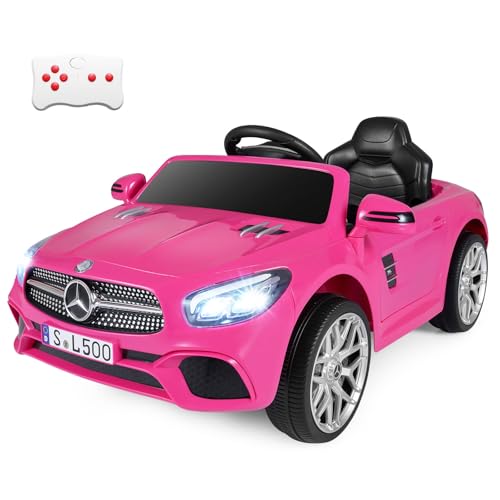
Costzon Ride On Car, 12V Licensed Mercedes Benz Electric Vehicles with Parent
Licensed Mercedes-Benz SL500 sports car
View Today's Price
Costzon Ride on Car, Lamborghini Licensed 12V Battery Powered 4WD Sports Car
Licensed Lamborghini 4WD sports car
View Today's PriceHow to Choose the Right Electric Ride-On Cars for Kids
Choosing the right electric ride-on car for kids depends on voltage, seating capacity, terrain, and budget — trade-offs that shift with your family’s needs and play space. A feature that’s perfect for a single toddler on pavement may be completely wrong for two siblings riding on grass. Our recommendation engine evaluates your specific situation across five key dimensions and matches you to the ideal ride-on car in under 60 seconds.
About this guide
Electric Ride-On Cars for Kids
Why Picking the Right Ride-On Car is Trickier Than It Looks
Choosing electric ride on cars for kids might seem simple, but the trade-offs are real and the stakes are higher than most parents expect. The $100 budget 12V electric ride on cars for kids lure shoppers with low prices, yet these are best for toddlers (ages 2–5) and smooth, flat driveways — push electric ride on cars for kids onto grass and you’ll see wheels spin uselessly. Step up to $350 for a 24V two-seater electric ride on car for kids and you get enough torque for backyard grass, but the added power means heavier frames, more complex controls, and higher weight limits (110–132 lbs for two kids). Most buyers get tripped up by voltage: 12V electric ride on cars for kids top out at 2.5–4 mph and struggle on uneven terrain, while 24V electric ride on cars for kids (like those from Land Rover or Mercedes-Benz) deliver 4–6 mph and can handle gentle slopes. Fun features like Bluetooth speakers, LED headlights, and parental remotes are tempting, but not all electric ride on cars for kids combine these with robust construction. Many parents overlook battery runtime (aim for 60+ minutes) or skip the all-important remote override, only to regret it later. Picking the right electric ride on car for kids means weighing speed, safety, and features against price — and getting it wrong means disappointed kids or wasted money.
What Actually Sets Ride-On Cars Apart: The Specs and Features That Matter
Not all electric ride on cars for kids are created equal, and the differences go way beyond color or flashy branding. Voltage is the single most important spec: 12V electric ride on cars for kids are perfect for beginners and indoor or driveway use, but skip these electric ride on cars for kids if you want to tackle grass or gravel. 24V electric ride on cars for kids, especially those with dual or quad motors, are the only real choice for adventurous kids ages 3–8 who want to drive on mixed terrain. Don’t get distracted by official badges — licensed electric ride on cars for kids from Ford, Lamborghini, and Mercedes-Benz look incredible and thrill kids, but generic electric ride on cars for kids sometimes offer more usable cargo space or easier entry. Weight capacity is non-negotiable if you want two kids to ride: look for electric ride on cars for kids rated for 110–132 lbs minimum, or you’ll risk stalling or overloading the motors. Battery runtime and suspension quality separate the toys from the real-deal mini vehicles; aim for 60+ minutes of drive time and spring suspension if you want a smooth ride in electric ride on cars for kids. Parental remote override isn’t just a nice-to-have — it’s a must for safety, especially with younger drivers using electric ride on cars for kids. Skip electric ride on cars for kids without seat belts or with only single-motor drive unless you’re buying for the lightest, youngest kids.
How to Choose: Matching Power, Capacity, and Features to Your Family
Room for one or two kids? That’s the first decision, since it affects both price and weight capacity for electric ride on cars for kids. Next, match voltage and motor count to your terrain: 12V single-motor electric ride on cars for kids are fine for pavement, but only dual or quad-motor 24V electric ride on cars for kids handle grass or gravel without bogging down. Licensed replicas (Land Rover, Mercedes, Lamborghini) command a premium but bring unmatched style — just know you’re paying extra for the badge on electric ride on cars for kids. Budget is a hard constraint: under $150 means basic 12V single-seater electric ride on cars for kids, $150–$250 unlocks some two-seater electric ride on cars for kids and better features, and $250–$400 gets you top-tier 24V electric ride on cars for kids, two seats, and luxury details. Our quiz evaluates your rider count, power needs, terrain, brand preference, and budget in one shot for electric ride on cars for kids. Don’t forget: bigger batteries mean longer playtime but also longer charging, and more features (like Bluetooth or LED lighting) can drain batteries faster in electric ride on cars for kids. Prioritize safety features — seat belts and remote stop — if your child is on the younger end or you want peace of mind with electric ride on cars for kids. Ultimately, the right electric ride on car for kids balances your must-haves with what your space, budget, and kids’ ages can truly handle.
Buyer's guide
How to choose
1Core Performance Criteria
- Always check voltage first: 12V suits flat driveways and ages 2–5, while 24V is essential for grass, gravel, and kids up to 8 years old.
- Dual or quad motors provide better torque and hill-climbing ability, which is crucial for heavier riders or mixed terrain play.
- Look for a minimum weight capacity of 110 lbs if you want two kids to ride together without stressing the motors.
- Battery runtime should be at least 60 minutes for uninterrupted play; anything less leads to frustration and frequent charging breaks.
- Spring suspension and EVA tires absorb bumps, making a huge difference in comfort and safety on uneven ground.
- Parental remote control with emergency stop is a must for younger kids or crowded areas, offering instant override for safety.
2Build Quality and Durability
- Licensed models from Ford, Mercedes-Benz, or Land Rover often use higher-grade plastics and thicker axles, lasting longer under rough play.
- Check for reinforced chassis and metal frames, especially if your child is near the upper weight limit or you have two riders.
- Look for seat belt quality — padded, adjustable belts stay secure and comfortable, while basic straps can fray or slip loose.
- Water-resistant electronics and sealed battery compartments are essential if the car will be used outdoors or stored in a garage.
- Welded or bolted wheel axles outperform snap-on designs, which can loosen or break after repeated use on rough terrain.
- LED headlights and taillights should be integrated, not glued on, to withstand bumps and accidental impacts over time.
3Value Analysis
- Budget models under $150 deliver basic 12V power and single seating, but often lack suspension and premium safety features.
- The $150–$250 tier unlocks two-seater options, better battery life, and features like Bluetooth speakers and MP3 playback.
- Premium $250–$400 models justify the price with dual 24V motors, licensed branding, and robust construction for years of use.
- Don’t overpay for brand badges alone; some generic models outperform licensed cars in battery life and cargo space.
- Factor in the cost of replacement batteries, which can run $30–$50 and are necessary after 1–2 years of heavy use.
- Warranty coverage varies widely — prioritize brands offering at least 12 months on electronics and 6 months on the battery.
4Use-Case Fit
- If you have two kids close in age, a two-seater with 110–132 lb capacity prevents fights and extends usable years.
- For mostly indoor or driveway use, a 12V single-seater is lighter, easier to store, and less likely to scuff walls.
- Choose 24V quad-motor models for hilly yards, thick grass, or gravel driveways — anything less will struggle and drain batteries fast.
- Licensed replicas make the biggest impression for birthdays and holidays, but generic trucks often offer more storage and easier entry.
- Bluetooth audio and LED lighting add fun, but drain batteries faster — best for occasional use or older kids who want the extra tech.
- If your child is under 3, prioritize models with slow-start acceleration and a responsive parental remote for maximum safety.
5Common Mistakes and Pitfalls
- Many buyers underestimate the importance of voltage, ending up with 12V cars that stall on grass or can’t handle older kids’ weight.
- Skipping the parental remote is a safety risk, especially for younger drivers or crowded neighborhoods with cars and pets.
- Choosing a model with low weight capacity can burn out motors quickly if two kids ride together or if your child is tall for their age.
- Ignoring battery runtime leads to disappointment — always check for at least 60 minutes of play per charge.
- Assuming all licensed models are better is a mistake; some generic brands offer better durability and longer warranties for less.
- Overlooking seat belt quality or missing suspension can result in uncomfortable, unsafe rides on anything but smooth pavement.
6Maintenance and Longevity
- Recharge batteries after every use to maximize lifespan; deep discharges shorten battery life and reduce runtime over months.
- Store ride-on cars indoors or under cover to prevent sun and rain damage to plastics, electronics, and seat fabrics.
- Check tire tread and wheel axles monthly — worn tires reduce traction, and loose axles can cause steering issues or wobbly rides.
- Clean electrical contacts and charging ports regularly to prevent corrosion, especially if the car is used outdoors or in damp garages.
- Replace batteries every 12–24 months for heavy users; most models use standard 12V or 24V lead-acid packs available online.
- Inspect seat belts, steering wheels, and pedal assemblies for wear — replace any frayed or cracked parts to maintain safety standards.
FAQ
Frequently asked questions
Is it worth paying extra for a licensed brand ride-on car like Ford or Lamborghini?
Licensed models from brands like Ford, Lamborghini, and Mercedes-Benz cost $30–$80 more, but deliver authentic styling, premium plastics, and a wow factor kids love. However, some generic models offer better cargo space or longer battery life for less money. Only pay extra if the badge and realistic details matter most to your child or you want a collector-style look.
How does a 12V ride-on car compare to a 24V model for outdoor use?
A 12V ride-on car works well on smooth driveways and indoors, with speeds around 2.5–4 mph. For grass, gravel, or gentle slopes, 24V models are far superior, offering 4–6 mph and much better torque. If your child will ride mainly outdoors or is over age 5, a 24V model is well worth the extra investment for performance and longevity.
What weight capacity should I look for if two kids will ride together?
For two kids sharing a ride-on car, look for a minimum weight capacity of 110 lbs, with 120–132 lbs preferred for older or taller siblings. Models under 100 lbs capacity risk motor burnout and reduced runtime. Two-seaters in the $150–$350 range typically meet this requirement.
Does the parental remote control really make a difference?
Absolutely. Parental remote control is essential for younger kids and crowded spaces. It allows you to steer, stop, or override the car instantly, preventing accidents and giving peace of mind. Models with 2.4G remotes offer better range and responsiveness than older infrared systems. Never skip this feature if your child is under 5 or a beginner driver.
How long does the battery typically last on a single charge?
Most quality ride-on cars deliver 60–90 minutes of runtime per charge, depending on speed, terrain, and features used. Models with LED lights, Bluetooth audio, or heavier loads may see shorter runtimes. Always recharge after each use to maximize battery lifespan, and expect to replace the battery every 1–2 years with regular use.
Are Best Choice Products and Costzon good brands for ride-on cars?
Yes, both Best Choice Products and Costzon consistently offer well-built ride-on cars with reliable motors, solid safety features, and good customer support. Their licensed Land Rover and Mercedes-Benz models are especially popular for two-kid families, offering strong value in the $200–$350 range. Both brands meet ASTM and CPSIA safety standards.
What features matter most for kids ages 2–4 versus ages 5–8?
For ages 2–4, prioritize slow-start acceleration, seat belts, and parental remote control for safety. 12V power is usually sufficient. For ages 5–8, look for 24V models with higher speed, dual motors, and larger seating. Older kids appreciate Bluetooth audio, LED lighting, and more realistic controls. Always match features to your child’s age and confidence.
Related reading
Best Electric Ride-On Cars for Kids By Category
Related Guides
Baby Monitors
Privacy, range, video quality, and smart features—get matched to a baby monitor that fits your space, habits, and security needs.
Best Breast Pumps
Matched to your pumping routine, comfort needs, portability, and cleaning preferences—find the right breast pump for your daily life.
Car Seats
Age, vehicle fit, safety extras, and comfort—get matched to the perfect car seat for your real-world needs, not just brand names.
Convertible Kids Beds
Matched to your room size, budget, safety needs, and how long you want the bed to last.