Skip the research trap. Get your expedition sleeping bags in 60 seconds.
We scored 400+ expedition sleeping bags across 5 dimensions — answer 5 quick questions and we'll match you to YOUR best pick.

Powered by DecisionScore™
Each product is evaluated across 18 weighted criteria — covering performance, value, build quality, and real-world usability. Your quiz answers re-weight the criteria to match what matters most to you, so two people can get different #1 picks from the same data.
See the DecisionScore methodology →Find your perfect expedition sleeping bags
5 quick questions. No quiz-takes-10-minutes trap. A personalized match from 40 scored picks — with clear reasoning for every recommendation.
What is your preferred temperature rating for the sleeping bag?
Temperature rating is crucial for ensuring comfort and safety during your expedition. A bag rated for colder temperatures will keep you warm in harsh conditions, while a lighter bag is suitable for milder climates.
- Always buy a bag rated colder than your expected low—add at least 10°F for safety.
- Four-season bags (0°F or below) are essential for winter or high-altitude trips.
- Three-season bags (15–32°F) cover most spring, summer, and fall backpacking.
As an Amazon Associate and affiliate partner we earn from qualifying purchases. Links on this page may earn us a commission at no extra cost to you. Full disclosure
Not ready for the quiz? Here are our overall top picks
These are our top-rated picks overall. For a recommendation matched to YOUR specific needs,
All Season Sleeping Bag – 32°F Cold Weather Rated, Lightweight, Waterproof &
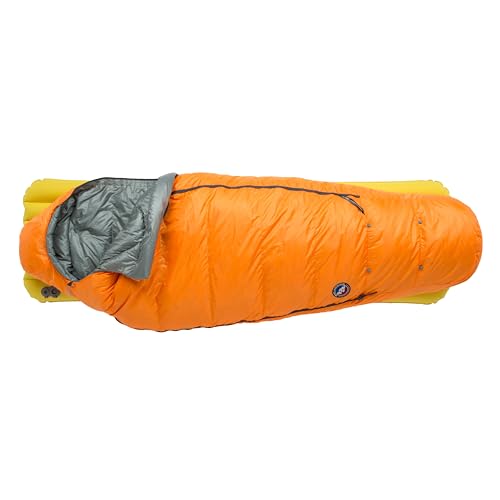
Big Agnes Torchlight EXP - Ultralight Sleeping Bag, 20 Degree, Youth
FireLine synthetic insulation provides warmth when wet
View Today's Price
Elevon Sleeping Bag for Adults Teens Kids Cold Warm Weather, Portable Waterproof
How to Choose the Right Expedition Sleeping Bags
Choosing the right expedition sleeping bag depends on temperature rating, insulation type, pack weight, and your budget—trade-offs that shift based on your climate, trip style, and comfort needs. A bag that’s perfect for high-altitude winter may be overkill for summer backpacking, while budget options often sacrifice warmth or durability. Generic top-10 lists miss these crucial interactions. Our recommendation engine evaluates your unique situation across five dimensions and matches you to the right sleeping bag in under 60 seconds.
About this guide
Expedition Sleeping Bags
The Real Buying Challenge: Specs, Trade-Offs, and What Most Get Wrong
Choosing expedition sleeping bags in 2026 is tougher than most buyers realize. The main challenge with expedition sleeping bags? Balancing warmth, weight, and price without falling for misleading specs. Three-season mummy expedition sleeping bags (15°F–32°F) seem versatile, but push them into a true winter environment and you’ll regret it—always buy expedition sleeping bags rated at least 10°F colder than your lowest expected temperature. Four-season and winter expedition sleeping bags (0°F or below) are essential for high-altitude or deep winter treks, but these expedition sleeping bags are heavier and pricier, often pushing toward $200 for reliable options. Down insulation in expedition sleeping bags is lighter and more compressible, but it loses warmth if wet; synthetic expedition sleeping bags are bulkier but insulate even when soaked, making them a smarter bet for humid climates or if you’re on a budget (think $50–$80). Most buyers focus too much on fill power or brand hype in expedition sleeping bags, missing critical details like zipper quality, draft collars, and shell durability. Don’t get fooled by inflated temperature ratings or ignore the importance of a good hood design in expedition sleeping bags. The right expedition sleeping bag isn’t just about warmth—it’s about the whole package working together.
What Separates the Options: Key Features, Technologies, and Real Performance
The real differentiators in expedition sleeping bags come down to insulation type, fill power, construction, and brand reliability. Down expedition sleeping bags (600FP and above) from brands like Marmot or TETON Sports deliver unmatched warmth-to-weight and pack down tiny, but only if you stay dry. Synthetic expedition sleeping bags—like those using SpiraFil high-loft or HL-ElixR ECO insulation—are heavier but keep you warm even when wet, and they’re often fully recyclable, which matters for eco-conscious buyers. Skip rectangular expedition sleeping bags unless you’re car camping; mummy expedition sleeping bags trap heat far better, especially with features like trapezoidal baffles, 3D footboxes, and insulated draft tubes (look for snag-free YKK zippers). Don’t get distracted by minor differences in EN temperature ratings—real-world warmth in expedition sleeping bags depends more on fit, draft protection, and shell material than a few degrees on paper. Brands like Coleman and MalloMe offer budget-friendly expedition sleeping bags, but you’ll sacrifice packability and long-term durability. If you’re backpacking, prioritize weight and compression in expedition sleeping bags over extras like stash pockets. For winter or high-altitude use, a draft collar and robust shell fabric in expedition sleeping bags are non-negotiable.
Decision Factors and How to Choose: Interactions That Matter Most
Your ideal expedition sleeping bag depends on how temperature rating, insulation type, shape, weight, and budget interact. For example, a 0°F down mummy expedition sleeping bag is perfect for high-altitude treks but overkill (and over budget) for summer backpacking. If you’re hiking long distances, every ounce matters—ultralight down expedition sleeping bags (under 2 lbs) cost more but save your back. On the flip side, synthetic expedition sleeping bags are heavier but much more forgiving if you expect rain or condensation. Roomy rectangular expedition sleeping bags sound appealing, but they bleed heat—stick with mummy or semi-rectangular expedition sleeping bags for real cold. Budget is the biggest constraint: under $80, expect synthetic expedition sleeping bags and more weight; $80–$150 opens up down expedition sleeping bags; $150–$200 gets you premium warmth-to-weight and better durability in expedition sleeping bags. Our quiz evaluates your season, insulation, shape, weight, and budget preferences to match you precisely to the right expedition sleeping bag. Beyond that, think about your typical trip length, how much you’ll carry, and whether you prioritize comfort or raw performance in expedition sleeping bags. Don’t underestimate the impact of shell fabric and zipper quality—these are the first failure points on cheap expedition sleeping bags.
Buyer's guide
How to choose
1Core Performance Criteria
- Always buy a sleeping bag rated at least 10°F colder than your lowest expected nighttime temperature for reliable warmth and safety.
- Down insulation with 600 fill power or higher delivers the best warmth-to-weight ratio, but only if you can keep it dry throughout your trip.
- Synthetic insulation like SpiraFil or HL-ElixR ECO retains heat when wet, making it a safer choice for humid climates or unpredictable weather.
- Mummy-shaped bags trap heat more efficiently than rectangular or semi-rectangular designs, especially in sub-freezing or high-altitude conditions.
- Draft collars, insulated zipper tubes, and 3D footboxes are make-or-break features for minimizing heat loss in true expedition environments.
- EN temperature ratings are helpful, but real-world warmth depends on fit, layering, and how well the bag seals out drafts and moisture.
2Build Quality and Durability
- Look for ripstop nylon shells with at least 20D thickness, as thinner fabrics are prone to tears and abrasion in rugged environments.
- YKK zippers are the industry standard for reliability—cheap zippers snag or break, ruining your bag’s insulation and usability.
- Double or trapezoidal baffle construction prevents cold spots and down migration, which is especially important in sub-zero rated bags.
- External stash pockets and dual hang loops are convenient but not essential; prioritize reinforced seams and robust hood construction instead.
- Brands like Marmot and TETON Sports consistently outperform budget options in long-term durability, especially after multiple wash cycles.
- Water-resistant DWR coatings add a layer of protection, but always use a compression sack or liner for true moisture defense.
3Value Analysis
- Bags under $80 are almost always synthetic, heavier, and bulkier, but they’re a solid choice for occasional use or car camping.
- The $80–$150 range unlocks down insulation and lighter weights, offering the best balance for most backpackers who need versatility.
- Premium bags ($150–$200) deliver top-tier warmth-to-weight and durability, but only pay up if you truly need the performance boost.
- Don’t overpay for extreme temperature ratings unless you routinely camp in sub-zero or high-altitude conditions—most buyers can save money here.
- Eco-friendly features like recycled insulation or fully recyclable bags are increasingly available in the mid-range, adding value for sustainability-minded users.
- Consider total cost: a $120 bag that lasts five years is a better investment than a $60 bag that fails after one season.
4Use-Case Fit
- Three-season mummy bags (15°F–32°F) are the most versatile for spring, summer, and fall backpacking across most of North America.
- Four-season or winter bags (0°F or below) are essential for winter camping, high-altitude expeditions, or shoulder seasons in the Rockies or Sierras.
- Down bags are ideal for long-distance hikers and mountaineers who need to minimize pack weight and maximize warmth per ounce.
- Synthetic bags are better suited for wet, coastal, or humid environments where moisture is a constant threat to insulation performance.
- Rectangular and semi-rectangular bags offer more room but are best reserved for car camping or mild-weather trips where heat retention is less critical.
- If you’re tall or broad-shouldered, look for long or extra-wide models—brands like Coleman and TETON Sports offer Big & Tall options.
5Common Mistakes to Avoid
- Don’t trust optimistic temperature ratings—always buy colder than your expected low and factor in your own sleep tendencies.
- Avoid rectangular bags for true cold-weather trips; they leak heat and add unnecessary weight to your pack.
- Neglecting shell fabric quality leads to rips or moisture leaks—thin, cheap shells are a false economy in the backcountry.
- Skipping the draft collar or insulated zipper tube is a rookie mistake—these features prevent cold spots and heat loss overnight.
- Overlooking pack size and weight can ruin a backpacking trip—heavy, bulky bags are a burden on long hikes.
- Focusing only on fill power or brand name ignores the importance of fit, construction, and real-world user feedback.
6Maintenance and Longevity
- Always store your sleeping bag uncompressed in a large sack or hung up to preserve loft and insulation performance over time.
- Spot clean stains and air out your bag after every trip to prevent odors, mildew, and breakdown of shell materials.
- Use a sleeping bag liner to reduce the need for frequent washing, which can degrade both down and synthetic insulation.
- Wash down bags with a specialized detergent like Nikwax Down Wash to avoid clumping and loss of loft.
- Repair small tears or zipper snags promptly using repair tape or kits—waiting can turn minor issues into major failures.
- Avoid long-term exposure to direct sunlight, which can weaken shell fabrics and degrade DWR water-repellent coatings.
FAQ
Frequently asked questions
Is down insulation worth the extra cost in expedition sleeping bags?
Down insulation is absolutely worth the premium if you need the best warmth-to-weight ratio and packability. Down bags with 600 fill power or higher are significantly lighter and compress smaller than synthetic options, making them ideal for backpacking and high-altitude trips. However, if you expect wet conditions or are on a tight budget, synthetic bags perform better when damp and cost less. For most serious backpackers, down is the gold standard, but only if you can keep it dry.
How does Marmot compare to Coleman for sleeping bags in 2026?
Marmot sleeping bags, such as the Trestles Elite Eco series, offer superior warmth-to-weight ratios, higher quality insulation (including recycled HL-ElixR ECO), and more advanced features like draft collars and trapezoidal baffle construction. Coleman bags, like the Dunnock or Heritage series, are heavier and bulkier but provide good value for car camping or occasional use. If you need a bag for serious backpacking or cold-weather expeditions, Marmot is the better choice for performance and durability.
What temperature rating do I need for winter camping or high-altitude trips?
For winter camping or high-altitude expeditions, choose a sleeping bag rated for at least 0°F or colder. Always select a bag rated 10°F lower than the coldest temperature you expect to encounter. For example, if you anticipate lows around 10°F, opt for a 0°F or -10°F bag. Mummy-shaped bags with draft collars and insulated zipper tubes are essential for these conditions to prevent heat loss and ensure safety.
Are synthetic sleeping bags a good choice for wet or humid environments?
Yes, synthetic sleeping bags excel in wet or humid environments because they retain insulating properties when damp. Options using SpiraFil or HL-ElixR ECO insulation are especially reliable. While synthetic bags are heavier and bulkier than down, they’re also more affordable and less prone to catastrophic insulation loss if they get wet. For coastal treks, rainy climates, or budget-conscious buyers, synthetic is the safer bet.
Do I need a draft collar and insulated zipper tube for mild conditions?
If you’re camping in mild conditions (above 32°F), a draft collar and insulated zipper tube aren’t strictly necessary but still add comfort. For true cold-weather or high-altitude trips, these features are essential. They prevent heat from escaping at the neck and along the zipper, which can make a dramatic difference in warmth and sleep quality. For summer or car camping, you can safely skip them to save weight and money.
How do I choose between mummy, semi-rectangular, and rectangular sleeping bags?
Mummy bags are the warmest and lightest, ideal for cold-weather and backpacking due to their tapered shape and efficient heat retention. Semi-rectangular bags offer a balance between warmth and comfort, suitable for those who move a lot in their sleep. Rectangular bags provide maximum space but are heavier and less thermally efficient, making them best for car camping or mild climates. For expeditions or backpacking, stick with mummy or semi-rectangular.
What’s the best value sleeping bag brand under $150 in 2026?
In 2026, TETON Sports and MalloMe stand out for value in the under-$150 range. TETON’s Trailhead and MalloMe’s 3-season mummy bags offer solid warmth, decent packability, and reliable construction at a reasonable price. While you won’t get the ultralight performance of premium down bags, these brands deliver excellent durability and comfort for most backpackers. Always check for features like draft collars and YKK zippers in this price tier.
Related reading
Best Expedition Sleeping Bags By Category
Related Guides
Advanced Telescopes
Aperture, mount type, portability, and setup—matched to your observing goals and real-life constraints in seconds.
Avalanche Beacons & Transceivers
Skill level, rescue needs, budget, battery type, and Bluetooth—get matched to the safest avalanche beacon for your backcountry trips.
Backyard Playground Sets
Play features, yard size, age range, and installation—get matched to a backyard playground set that truly fits your family.
Backyard Trampolines
We match trampolines to your jumpers’ ages, bounce style, yard size, safety needs, and budget—no more guessing or risky shortcuts.
Bike Lights
Matched to your commute, riding environment, brightness needs, charging style, and budget—get the right bike light for your safety.