Skip the research trap. Get your expedition backpacking packs in 60 seconds.
We scored 200+ expedition backpacking packs across 5 dimensions — answer 5 quick questions and we'll match you to YOUR best pick.
Powered by DecisionScore™
Each product is evaluated across 18 weighted criteria — covering performance, value, build quality, and real-world usability. Your quiz answers re-weight the criteria to match what matters most to you, so two people can get different #1 picks from the same data.
See the DecisionScore methodology →- Ultralight 2.8‑lb pack with tensioned mesh frame for ventilation
- Sturdy AirSpeed suspension transfers load comfortably to the hips
- Great hipbelt pockets and side bottle pockets for easy access
Find your perfect expedition backpacking packs
5 quick questions. No quiz-takes-10-minutes trap. A personalized match from 19 scored picks — with clear reasoning for every recommendation.
What is your preferred backpack capacity?
Backpack capacity is crucial for ensuring you have enough space for all your gear. Larger capacities are better for longer trips or when carrying bulky items, while smaller capacities are suitable for shorter trips or minimalist packing.
- Estimate your heaviest trip load, including food, water, and gear for your longest planned expedition.
- If you carry winter gear or a bear canister, your load may exceed 50 pounds—choose accordingly.
- Ultralight packs are only comfortable under 35 pounds; heavier loads demand robust frames and hip belts.
As an Amazon Associate and affiliate partner we earn from qualifying purchases. Links on this page may earn us a commission at no extra cost to you. Full disclosure
Not ready for the quiz? Here are our overall top picks
These are our top-rated picks overall. For a recommendation matched to YOUR specific needs,
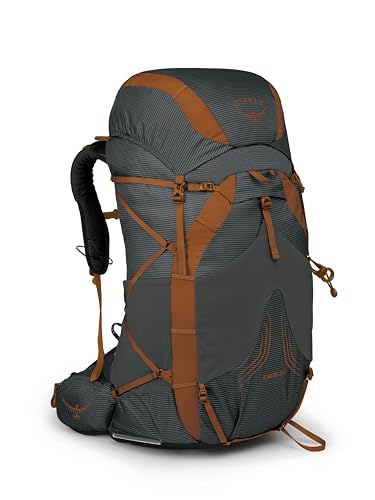
Osprey Exos 58L Men's Ultralight Backpacking Backpack, Dark Charcoal, S/M
Ultralight 2.8‑lb pack with tensioned mesh frame for ventilation
View Today's Price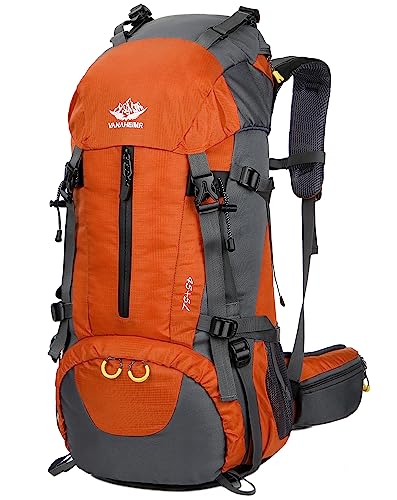
Esup 50L Camping Hiking Backpack Men with rain cover 45l+5l Lightweight
Ultralight 1.9‑lb Dyneema pack designed for thru‑hikes and expeditions
View Today's Price
Granite Gear Blaze 60L Backpack - Women's Black/Black Gingham/Teal Regular
Balances ultralight weight with robust 50‑lb load capacity
View Today's PriceHow to Choose the Right Expedition Backpacking Packs
Choosing the right expedition backpacking pack depends on how much weight you carry, the trip duration, your preferred features, and your body fit—trade-offs that shift based on your specific adventure style. A pack that’s perfect for a summer thru-hike may be totally wrong for a winter traverse or heavy load. Generic top-10 lists fail here because the best pack for one use case can be miserable for another. Our recommendation engine evaluates your unique needs across five dimensions and matches you to the right expedition pack in under 60 seconds.
About this guide
Expedition Backpacking Packs
Why Expedition Pack Shopping Is So Tricky
Selecting expedition backpacking packs in 2026 is far more complex than picking a travel bag. With expedition backpacking packs, you’re balancing comfort for mile-after-mile trekking with the need to haul food, shelter, and clothing for multi-day trips. Packs designed for 30-pound weekend loads simply can’t handle the 60+ pounds required for winter traverses, making the right expedition backpacking packs essential for demanding conditions. Most buyers underestimate how much load capacity and suspension matter in expedition backpacking packs—choosing a 60L pack with a basic frame, then regretting it on day three. Premium expedition backpacking packs like the Osprey Aether 65 or Granite Gear Blaze 60 offer advanced suspension and multiple access points, but that adds both weight and cost (think $300+ versus $120 for a simpler Osprey Daylite, which isn’t built for true expeditions). On the flip side, minimalist ultralight expedition backpacking packs save ounces but demand ruthless packing discipline and often sacrifice comfort or durability. Ventilation is another overlooked trade-off in expedition backpacking packs: mesh frames keep your back dry but rarely match the load-hauling prowess of stiff, internal frames. Materials in expedition backpacking packs range from ultra-tough nylon and Dyneema composites to recycled fabrics, each with unique pros and cons for durability, water resistance, and environmental impact. Most shoppers get tripped up by focusing on capacity over fit or by chasing ultralight specs in expedition backpacking packs that don’t suit their real-world needs.
What Actually Sets Packs Apart
The real differentiators in expedition backpacking packs are suspension design, frame stiffness, material choice, and feature complexity. For example, Osprey’s Aether 65 and Granite Gear Blaze 60 both excel at carrying 50+ pounds, but the Aether’s adjustable harness and beefy hip belt make it better for heavy, uneven loads, while the Blaze 60 saves weight for those who pack lighter. Skip travel-oriented models like the Osprey Daylite or Cotopaxi Allpa 35L if you need true expedition backpacking packs—they lack load lifters, rigid frames, and custom harnesses. Dyneema composite expedition backpacking packs (like Hyperlite Mountain Gear Southwest 55) are ultralight and water-resistant, but cost a premium and require careful handling. Ventilated mesh frames (seen on some Deuter and Osprey expedition backpacking packs) are a godsend for hot climates but can flex under heavy loads. Don’t get distracted by endless pockets or modular add-ons in expedition backpacking packs unless you need them—every zipper and compartment adds weight. In 2026, brands like Osprey, Gregory, and Granite Gear dominate the expedition backpacking packs market for comfort and repairability, but don’t overlook warranty policies: Osprey’s lifetime repair program adds real value over generic expedition backpacking packs. Bottom line: prioritize suspension and fit in expedition backpacking packs over flashy features or ultralight marketing.
How to Choose: Factors That Interact
Capacity, load weight, and frame style interact more than most buyers realize for expedition backpacking packs. A 70L expedition backpacking pack is overkill for summer trips but essential for winter gear or long hauls. If you routinely carry over 50 pounds, only expedition backpacking packs with stiff frames and robust hip belts (like the Osprey Aether or Mystery Ranch Terraframe) will keep you comfortable. Ventilation and comfort features in expedition backpacking packs matter most if you hike in humid climates, but they often add bulk and reduce load capacity. Budget has a direct impact: under $200 usually means simpler expedition backpacking packs, fewer adjustments, and less durability—fine for lighter loads, but not for true expeditions. Our quiz weighs your typical load, desired features, capacity, suspension type, and complexity to match you with the right expedition backpacking packs. Always measure your torso length and hip size before buying expedition backpacking packs; a poorly fitted pack ruins even the best design. Don’t just chase liters—think about how your gear actually packs in expedition backpacking packs, and whether you’ll need modular add-ons or waterproofing. Remember: a minimalist expedition backpacking pack is only as good as your packing discipline, while feature-rich expedition backpacking packs demand a higher budget and add ounces. Choose expedition backpacking packs based on your real-world trips, not just specs on paper.
Buyer's guide
How to choose
1Core Performance Criteria
- A true expedition pack must comfortably carry 40-60 pounds for days; travel packs like Cotopaxi Allpa 35L collapse under this weight and lack support.
- Look for adjustable harnesses and load lifters—Osprey Aether 65 and Granite Gear Blaze 60 both excel here, making a huge difference on long hauls.
- Ventilated mesh frames are great for airflow but can flex under heavy loads, so don’t rely on them for winter or alpine expeditions.
- Ultralight packs under 2 pounds (like Hyperlite Mountain Gear Southwest 55) save weight but require careful packing and discipline to avoid discomfort.
- Multiple access points—side zips, removable lids—improve organization but add weight and complexity, so only pay for what you’ll use.
- Always check the manufacturer’s stated load range; exceeding it by even 10 pounds can cause frame collapse or shoulder pain on multi-day trips.
2Build Quality and Durability
- Packs made from Dyneema composites or 210D+ nylon (e.g., Hyperlite, Osprey) offer superior abrasion resistance and weatherproofing for harsh environments.
- Lifetime repair policies, like Osprey’s, add years of value—skip generic brands that lack robust warranty support for expedition use.
- Stitching quality and reinforced seams are critical; weak points show up fast when carrying 50+ pounds over rough terrain.
- Metal frame stays (aluminum or titanium) outlast plastic frames and prevent sagging under heavy loads, especially in 60L+ packs.
- Water-resistant zippers and roll-top closures protect gear during river crossings or heavy rain, but can be harder to operate with gloves.
- Avoid sub-$100 packs for real expeditions; these often use thin fabrics and cheap buckles that fail quickly under repeated stress.
3Value and Price Analysis
- The $150–$250 range delivers the best balance of durability, comfort, and features—Osprey and Granite Gear dominate here with proven reliability.
- Premium packs ($300+) add advanced suspension and materials, but only pay up if you truly need heavy load support or expedition-grade weatherproofing.
- Lifetime repair programs (Osprey) offset higher upfront costs, making these packs a smarter long-term investment than cheaper, non-repairable models.
- Travel-oriented packs under $120 (Osprey Daylite) are fine for light use, but lack the structure and comfort needed for true backcountry expeditions.
- Wheeled or convertible packs (Osprey Sojourn) cost more and add weight, making them overkill unless you split time between airports and trails.
- Don’t be fooled by flashy features on sub-$100 packs—these often sacrifice stitching, frame quality, and warranty support for price.
4Fit for Your Use Case
- Always measure torso and hip size; even the best pack fails if it doesn’t fit your body—Osprey and Gregory offer the widest size ranges.
- For winter or multi-week trips, 70–80L packs are essential; 50–60L suffices for summer or minimalist hikers with compact gear.
- If you’ll carry 50+ pounds, prioritize stiff frames and robust hip belts—Granite Gear Blaze 60 and Osprey Aether 65 are proven performers.
- Ventilated mesh frames suit hot, humid climates but may flex under heavy loads, so match frame style to your typical environment.
- Minimalist packs require disciplined packing and lightweight gear; if you’re new to expeditions, start with a balanced, feature-rich model.
- If you expect to use modular add-ons (e.g., bear canisters, extra pockets), ensure your chosen pack supports them without compromising fit.
5Common Mistakes and Pitfalls
- Many buyers skip torso fit testing—always try packs loaded before purchase, as poor fit leads to back pain and wasted money.
- Don’t prioritize liters over load distribution; a 65L pack without a real frame will sag and hurt with 40+ pounds inside.
- Ignoring repair policies is costly—Osprey’s free lifetime repairs add years of value, while generic brands leave you stranded if something breaks.
- Buying for airline carry-on limits expedition potential; most true backcountry trips require 50–80L, which exceeds carry-on sizes.
- Heavier base weights (e.g., Osprey Sojourn) tire you out faster on trails, even if the pack offers more features or capacity.
- Neglecting empty pack weight leads to fatigue; always compare base weights, especially if you’re aiming for ultralight or long-distance treks.
6Maintenance and Longevity
- Regularly inspect seams, straps, and buckles for wear—catching issues early prevents catastrophic failures deep in the backcountry.
- Clean zippers and buckles after muddy or sandy trips to prevent jams and corrosion, especially on premium packs with water-resistant hardware.
- Store packs uncompressed and dry to preserve foam padding and prevent mildew—never leave them packed or damp after a trip.
- Dyneema and high-denier nylon resist abrasion, but patch small tears immediately to avoid larger failures on the trail.
- Take advantage of lifetime repair programs (Osprey) for strap, buckle, or zipper fixes—don’t attempt DIY repairs that void warranties.
- Rotate packs if you own several; alternating use extends lifespan and allows you to spot developing issues before they become critical.
FAQ
Frequently asked questions
Is a ventilated mesh frame worth it for long expeditions?
Ventilated mesh frames, like those found on some Osprey and Deuter models, excel in hot or humid climates by reducing back sweat and improving comfort. However, they can flex under heavy loads, making them less ideal for carrying 50+ pounds on rugged terrain. If your expeditions are mostly in warm weather and you rarely exceed 40 pounds, mesh frames are a great choice. For winter or alpine trips with heavier gear, opt for a stiff internal frame instead.
How does Osprey compare to Granite Gear for heavy load hauling?
Osprey packs, such as the Aether 65, offer highly adjustable harnesses, beefy hip belts, and a reputation for comfort under heavy loads. Granite Gear’s Blaze 60 is lighter and nearly as supportive, but its simpler design favors those who pack efficiently. For loads over 50 pounds, Osprey’s advanced suspension provides better long-haul comfort, while Granite Gear saves weight for those who prioritize ounces. Both brands offer excellent durability and warranty support.
What capacity do I need for a week-long backcountry trip?
For most week-long expeditions, a 60–70L pack is ideal, providing enough space for food, shelter, and clothing without excess bulk. If you carry winter gear or a bear canister, consider 70–80L. Minimalist hikers with compact, ultralight gear may get by with 50–60L, but most users will appreciate the extra room for comfort and contingency items. Always factor in your personal packing style and expected weather conditions.
Are ultralight packs like Hyperlite Mountain Gear Southwest 55 durable enough for rough use?
Ultralight packs using Dyneema composites, such as the Hyperlite Mountain Gear Southwest 55, are surprisingly tough and water-resistant. However, they require careful handling—sharp rocks, crampons, or careless packing can puncture the fabric. These packs excel for thru-hikers or experienced users who value weight savings and pack discipline. For bushwhacking, frequent off-trail use, or heavy loads, a heavier nylon pack may offer better long-term durability.
Is the Osprey Daylite Travel Pack suitable for multi-day expeditions?
The Osprey Daylite Travel Pack (32L) is best for short trips or urban travel, not true multi-day wilderness expeditions. It lacks the frame stiffness, load lifters, and harness adjustability needed for carrying 40+ pounds over rough terrain. For extended backcountry use, step up to models like the Osprey Aether 65 or Granite Gear Blaze 60, which are purpose-built for expedition loads and comfort.
How important is a lifetime repair policy when choosing a pack?
A lifetime repair policy, like Osprey’s, adds significant long-term value, especially for packs exposed to harsh conditions. It covers repairs for buckles, zippers, and straps, extending your pack’s usable life and saving money over time. Cheaper brands without repair support may seem like a bargain but often cost more in the long run due to early failures or the need for replacement. For serious expeditions, always choose a brand with a robust warranty.
Should I choose a feature-rich pack or a minimalist design?
If you’re new to multi-day expeditions or value organization and easy access, a feature-rich pack with multiple pockets and access points is worth the extra weight. Experienced ultralight hikers may prefer minimalist designs to save ounces, but this demands careful packing and discipline. Modular packs offer a middle ground, letting you add or remove features as needed. Match the pack’s complexity to your experience level and typical trip requirements.
Related reading
Best Expedition Backpacking Packs By Category
Related Guides
Advanced Telescopes
Aperture, mount type, portability, and setup—matched to your observing goals and real-life constraints in seconds.
Avalanche Beacons & Transceivers
Skill level, rescue needs, budget, battery type, and Bluetooth—get matched to the safest avalanche beacon for your backcountry trips.
Backyard Playground Sets
Play features, yard size, age range, and installation—get matched to a backyard playground set that truly fits your family.
Backyard Trampolines
We match trampolines to your jumpers’ ages, bounce style, yard size, safety needs, and budget—no more guessing or risky shortcuts.
Bike Lights
Matched to your commute, riding environment, brightness needs, charging style, and budget—get the right bike light for your safety.