Skip the research trap. Get your yoga mats in 60 seconds.
We scored 1450+ yoga mats across 5 dimensions — answer 5 quick questions and we'll match you to YOUR best pick.

Powered by DecisionScore™
Each product is evaluated across 18 weighted criteria — covering performance, value, build quality, and real-world usability. Your quiz answers re-weight the criteria to match what matters most to you, so two people can get different #1 picks from the same data.
See the DecisionScore methodology →- 4mm foldable PVC travel mat
- Ultra-lightweight at 2.0 lbs
- Folds to 10x12-inch square
Find your perfect yoga mats
5 quick questions. No quiz-takes-10-minutes trap. A personalized match from 144 scored picks — with clear reasoning for every recommendation.
What thickness do you prefer for your yoga mat?
The thickness of a yoga mat affects comfort and stability. Thicker mats provide more cushioning, which is beneficial for sensitive joints, while thinner mats offer better stability for balance poses.
- If you’re just starting out, a thicker mat can make floor poses more comfortable and forgiving for knees and wrists.
- Intermediate yogis may want a mat that balances cushion with stability, especially if you’re working on standing or balance poses.
- Advanced practitioners often prefer thinner mats for maximum ground-feel and stability during complex or arm-balance poses.
As an Amazon Associate and affiliate partner we earn from qualifying purchases. Links on this page may earn us a commission at no extra cost to you. Full disclosure
Not ready for the quiz? Here are our overall top picks
These are our top-rated picks overall. For a recommendation matched to YOUR specific needs,
Primasole Folding Travel Yoga Mat
4mm foldable PVC travel mat
View Today's Price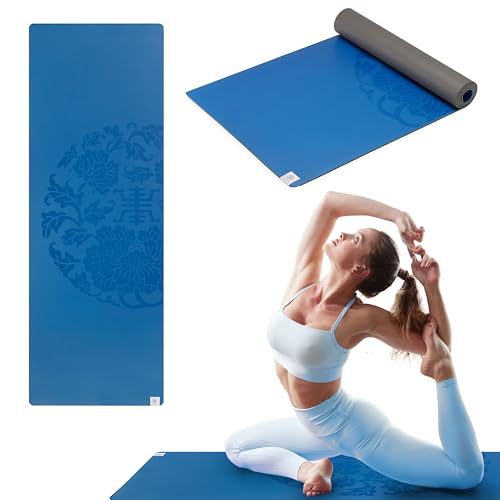
Gaiam Dry-Grip Yoga Mat - 5mm Thick Non-Slip Exercise & Fitness Mat for Standard
Dry-grip coating for hot yoga
View Today's Price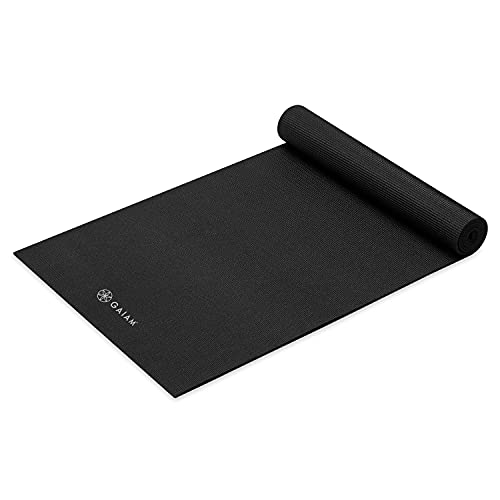
Gaiam Premium Yoga Mat, 5mm Non-Slip Exercise Mat (Black)
5mm non-slip PVC cushioned surface
View Today's PriceHow to Choose the Right Yoga Mats
Choosing the right yoga mat depends on thickness, grip, material, portability, and how these factors interact with your practice style and environment. A mat perfect for restorative yoga may frustrate a hot yoga devotee, and travel-friendly designs often sacrifice comfort. Generic top-10 lists miss these crucial trade-offs. Our recommendation engine evaluates your unique needs across five dimensions and matches you to the right yoga mat in under 60 seconds.
About this guide
Yoga Mats
Why Yoga Mat Shopping Is Trickier Than It Looks
Choosing yoga mats in 2026 is more nuanced than most people expect. The first trap: thickness. Standard yoga mats (3–6mm) offer the best compromise for most, but many beginners reach for extra-thick yoga mats (6–10mm) thinking more cushion is always better—only to find balance poses become wobbly. Sensitive joints do need that extra padding, especially for restorative or yin yoga, but advanced vinyasa practitioners often regret losing ground-feel with thicker yoga mats. Material is another minefield. PVC yoga mats are grippy, durable, and easy to clean, but they’re not eco-friendly—something many buyers overlook until after purchase. TPE yoga mats are lighter and greener, but can wear out faster with daily use. Natural rubber yoga mats, like JadeYoga’s mats, deliver top-tier grip and sustainability, but come at a premium and are heavier to carry. Price tiers matter: $20–$40 gets you basic PVC or TPE yoga mats, $50–$70 brings in better grip and eco options, and $80–$100 is where you’ll find premium natural rubber or specialty travel yoga mats. Many buyers focus on color or branding and ignore grip quality in yoga mats, which is the single biggest factor for safe, frustration-free practice.
What Actually Makes One Mat Better Than Another
The biggest differentiators between yoga mats in 2026 are grip performance, material sustainability, thickness, and portability—not flashy prints or celebrity endorsements. For hot yoga, skip any yoga mats without a moisture-wicking or open-cell surface; PVC yoga mats can become dangerously slick once sweat hits. If you don’t sweat much, closed-cell yoga mats are easier to clean and resist odor buildup. Natural rubber yoga mats, like those from JadeYoga, are the gold standard for grip and eco-friendliness, but they’re heavier and pricier than other yoga mats. TPE yoga mats strike a balance, offering solid grip and being PVC-free, but they can compress over time. Don’t pay extra for alignment lines on yoga mats unless you’re actively working on form; most people ignore them after a few sessions. For travel, yoga mats under 2 lbs that fold flat are essential, but you’ll sacrifice some comfort. Extra-long or wide yoga mats are a must for anyone over 6 feet tall or who wants more room, but they’re less portable than standard yoga mats. If you practice mostly at home, the weight of yoga mats matters less—prioritize cushion and durability. In short: skip eco claims if you need pure performance, but don’t ignore grip quality in yoga mats no matter your style.
How to Choose: Key Factors and Interactions
Thickness, material, grip, and intended use all interact in ways that can make or break your experience with yoga mats. For example, a thick 10mm yoga mat is blissful for knees in restorative yoga but makes standing balances harder and is a pain to lug to class. PVC yoga mats offer unbeatable durability and grip for sweaty vinyasa, but if you’re eco-conscious, natural rubber or TPE yoga mats are better—though rubber is heavier and TPE less durable. Your primary practice location matters: travel yoga mats under 2 lbs are great for commuters, but too thin for home use. The quiz evaluates your experience level, yoga style, thickness preference, material priorities, and where you’ll use your yoga mats to match you to the right fit. For most, balancing grip quality with the right thickness for your joints and the yoga mat’s weight for portability is the real challenge. Don’t be swayed by marketing—focus on the specs that align with your actual practice, not what looks good on Instagram. And remember: a $20 yoga mat can be a false economy if it slips or wears out in six months.
Buyer's guide
How to choose
1Core Performance Criteria
- Grip quality is the most important factor—look for open-cell or textured surfaces if you sweat, especially for hot yoga or vinyasa flows.
- A standard 3–6mm thickness provides the best balance of stability and joint protection for most practitioners and styles.
- Natural rubber mats, like those from JadeYoga, excel in grip and durability but are heavier and cost $80–$100.
- PVC mats are durable and easy to clean, but can become slippery with sweat and are less eco-friendly than TPE or rubber.
- Travel mats under 2 lbs are ideal for portability, but compromise on cushioning and can feel harsh on joints during longer sessions.
- Alignment lines are useful for beginners, but most intermediate and advanced yogis find them unnecessary after a few weeks of practice.
2Build Quality and Durability
- High-density PVC mats resist tearing and last for years, making them a good investment for daily use at home or studio.
- TPE mats are lightweight and eco-friendly, but can compress and lose resilience after 12–18 months of frequent use.
- Natural rubber mats offer unmatched durability and grip, but require more care and can degrade if left in direct sunlight.
- Watch for double-sided non-slip surfaces, which extend mat lifespan by allowing you to rotate and use both sides equally.
- Check for SGS or similar certifications on eco mats to ensure material safety and manufacturing quality standards are met.
- Avoid ultra-budget mats under $20, as they often develop surface flaking, permanent indentations, or lose grip within six months.
3Value Analysis and Price Tiers
- Entry-level mats ($20–$40) are fine for occasional use, but usually lack advanced grip or eco-friendly materials.
- The $50–$70 range offers the best value: reliable grip, thicker options, and greener materials like TPE or basic natural rubber.
- Premium mats ($80–$100) justify their price with superior grip, durability, and eco credentials—ideal for daily or hot yoga practice.
- Don’t pay extra for bundled accessories like knee pads or straps unless you’ll actually use them; most brands include a basic strap.
- A $20 mat that slips or wears out quickly is a false economy—spending $50+ often means fewer replacements over time.
- If you need both portability and cushion, expect to pay a premium for specialty travel mats that balance weight and comfort.
4Use-Case Fit: Matching Mat to Practice
- Hot yoga practitioners should prioritize open-cell or moisture-wicking mats for grip, such as those offered by JadeYoga or Ewedoos.
- Restorative and yin yoga benefit from mats 6–10mm thick, providing extra padding for knees and hips during long holds.
- Dynamic vinyasa or power yoga requires a grippy surface and moderate thickness (3–6mm) for stability in balance poses.
- Travelers need mats under 2 lbs that fold or roll compactly, but should accept less cushioning for portability.
- Taller users or those who want more space should look for extra-long (72–84 inches) or extra-wide mats, though these are heavier.
- Home practitioners can prioritize comfort and size over portability, choosing thicker, heavier mats without worrying about transport.
5Common Mistakes and Pitfalls
- Choosing maximum thickness for comfort can backfire, making balance poses unstable and mats difficult to carry to class.
- Ignoring grip quality leads to frustration—slippery mats are the top cause of abandoned home practice, especially for beginners.
- Assuming all eco-friendly mats perform equally; some TPE mats compress quickly or lack the grip of natural rubber.
- Buying based on color or brand hype instead of real-world specs like grip, density, and weight often leads to regret.
- Overlooking mat weight and portability—heavy mats are a hassle if you commute or travel regularly for yoga sessions.
- Not checking for latex allergies—some natural rubber mats can trigger reactions for sensitive users, so read material specs carefully.
6Maintenance and Longevity
- Open-cell mats absorb sweat and need regular deep cleaning to prevent odor and bacteria buildup, especially after hot yoga sessions.
- Closed-cell PVC mats are easiest to wipe clean, but can develop surface cracks if cleaned with harsh chemicals or left in the sun.
- Natural rubber mats require gentle, non-oil-based cleaners and should be stored away from sunlight to prevent premature degradation.
- TPE mats are low-maintenance but can lose shape if stored rolled tightly for long periods—store flat or loosely rolled when possible.
- Rotate your mat regularly if it’s double-sided to extend its usable life and prevent uneven wear or permanent indentations.
- Always air-dry mats completely after cleaning to avoid mold or mildew, especially for thicker or absorbent open-cell designs.
FAQ
Frequently asked questions
Is a thicker yoga mat always better for joint comfort?
Not always. While mats in the 6–10mm range provide extra cushioning for sensitive joints, they can make balance poses unstable and are harder to carry. For most people, a standard 4–6mm mat offers enough protection without sacrificing stability. If you practice mostly restorative or yin yoga, thicker mats are great, but for dynamic flows or standing balances, stick to standard thickness for better ground-feel and control.
Are eco-friendly yoga mats like TPE or natural rubber worth the higher price?
Eco-friendly mats made from TPE or natural rubber are worth the investment if sustainability and material safety matter to you. TPE mats are lighter and PVC-free, but may wear out faster. Natural rubber mats, such as those from JadeYoga, deliver outstanding grip and durability, justifying their $80–$100 price tag. If you practice daily and want the best grip with minimal environmental impact, natural rubber is the top choice.
How does a JadeYoga mat compare to a standard PVC mat?
JadeYoga mats, made from natural rubber, offer superior grip and eco-friendliness compared to standard PVC mats. They’re heavier and pricier, but the grip is exceptional—even when sweaty. PVC mats are more affordable ($20–$40), easy to clean, and durable, but less sustainable and can get slippery during intense or hot yoga sessions. If grip and environmental impact are priorities, JadeYoga is the clear winner.
What thickness should I choose for hot yoga or vinyasa practice?
For hot yoga or vinyasa, a mat between 3–6mm thick is ideal. This range provides enough cushioning for comfort but maintains stability during fast-paced sequences and balance poses. Thicker mats (over 6mm) can feel unstable and trap heat, while thinner mats may be too hard on joints. Prioritize grip and sweat absorption—open-cell or textured surfaces work best for these styles.
Are travel yoga mats comfortable enough for daily use at home?
Travel mats, typically under 2 lbs and 2–3mm thick, are designed for portability, not maximum comfort. They’re great for occasional use on the go, but most people find them too thin for regular home practice, especially on hard floors. If you need a mat for both travel and home, consider a medium-thick (4–6mm) lightweight TPE mat as a compromise.
Do alignment lines on yoga mats make a real difference?
Alignment lines help beginners learn correct hand and foot placement, especially in the first few months of practice. However, most intermediate and advanced yogis stop relying on them as body awareness improves. Don’t pay a premium for alignment lines unless you’re new to yoga or working on form—they’re a nice-to-have, not a must-have for most.
How long should a good yoga mat last with regular use?
A quality PVC or natural rubber mat can last 2–5 years with regular use and proper care. TPE mats may show wear after 12–18 months, especially if used daily. Always clean your mat according to manufacturer instructions and store it away from sunlight. Rotating double-sided mats and avoiding harsh cleaners will maximize longevity.
Related reading
Best Yoga Mats By Category
Related Guides
Adjustable Dumbbells
Weight range, adjustment speed, handle style, and space—get matched to adjustable dumbbells that fit your real training needs.
Bike Mats
Matched to your bike type, floor surface, noise needs, material preference, and budget for the perfect indoor cycling mat.
Bike Trainers
Matched to your riding style, noise tolerance, tech needs, and space—get a bike trainer that fits your real routine.
Cold Plunge Tubs
Insulation, chilling method, space, and budget—get matched to the cold plunge tub that fits your recovery style and setup.
Compact Home Gyms
Matched to your space, resistance needs, tech comfort, and how you actually want to train—no more guessing or wasted space.