Skip the research trap. Get your home ev charging stations in 60 seconds.
We scored 300+ home ev charging stations across 5 dimensions — answer 5 quick questions and we'll match you to YOUR best pick.
Powered by DecisionScore™
Each product is evaluated across 18 weighted criteria — covering performance, value, build quality, and real-world usability. Your quiz answers re-weight the criteria to match what matters most to you, so two people can get different #1 picks from the same data.
See the DecisionScore methodology →- Ultra-compact design — one of the smallest Level 2 chargers available
- 40A/9.6kW via NEMA 14-50 plug-in, Bluetooth + Wi-Fi dual connectivity
- Wallbox app with power sharing, scheduling, energy tracking
Find your perfect home ev charging stations
5 quick questions. No quiz-takes-10-minutes trap. A personalized match from 28 scored picks — with clear reasoning for every recommendation.
What type of EV do you drive?
Connector compatibility is critical. Tesla vehicles use the NACS (North American Charging Standard) port natively. Most non-Tesla EVs still use J1772, though many 2025–2026 models are transitioning to NACS. Choose accordingly or look for a universal charger.
- Check your EV’s charging port before buying—Tesla uses NACS, most others use J1772, but many 2025+ models are switching to NACS.
- If you plan to switch vehicles soon, consider a universal charger or one with swappable connectors.
- Adapters exist, but native compatibility is more reliable for daily use and future-proofing.
As an Amazon Associate and affiliate partner we earn from qualifying purchases. Links on this page may earn us a commission at no extra cost to you. Full disclosure
Not ready for the quiz? Here are our overall top picks
These are our top-rated picks overall. For a recommendation matched to YOUR specific needs,
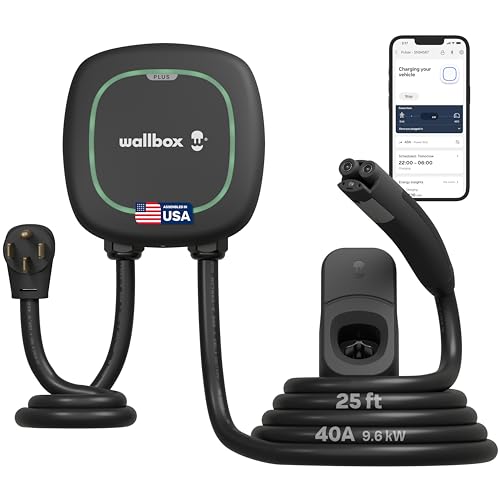
Wallbox Pulsar Plus Level 2 Ev Charger 40A, NACS Electric Car Charger EVSE
Ultra-compact design — one of the smallest Level 2 chargers available
View Today's Price
Autel MaxiCharger Level 2 EV Charger up to 40Amp, 240V, Indoor/Outdoor Fast
40A/9.6kW NEMA 14-50 plug-in, 5-minute plug-in install
View Today's Price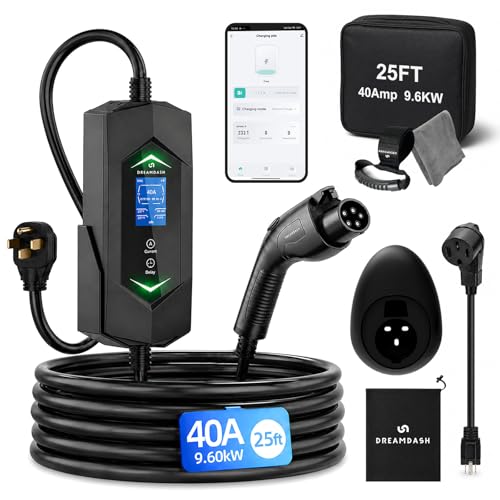
DREAMDASH Level 2 EV Charger 40A(WiFi APP),240V NEMA 14-50P,J1772 Connector
40A/10kW NEMA 14-50 plug-in, up to 6x faster than standard outlet
View Today's PriceHow to Choose the Right Home EV Charging Stations
Choosing the right home EV charging station depends on your EV’s connector, your desired charging speed, installation constraints, and total budget—factors that interact in surprising ways. A feature that’s perfect for a Tesla owner may be useless for a non-Tesla, and amperage overkill can waste money if your panel can’t handle it. Our recommendation engine evaluates your unique setup across five key dimensions and matches you to the ideal home charger in under 60 seconds.
About this guide
Home EV Charging Stations
Why Home EV Charger Shopping Is Trickier Than It Looks
Choosing home EV charging stations in 2026 is more complicated than most buyers expect. The core trade-off with home EV charging stations is between charging speed (amps), connector compatibility, installation type, and price. A Level 2 home EV charging station delivers 15–40+ miles of range per hour, but only if your EV and electrical panel can handle it. Many buyers get tripped up by amperage: a 48A or 50A home EV charging station sounds great, but if your car maxes out at 32A or your panel can’t support it, you’re wasting money. Connector type is another minefield—Tesla and most 2025+ EVs use NACS, while older and non-Tesla models rely on J1772, so choosing the right home EV charging station is crucial. A universal home EV charging station or the right adapter is essential if you plan to switch vehicles. Price tiers for home EV charging stations matter: $300–$400 gets you reliable basics, $400–$550 adds smart features, and $550–$800 unlocks premium build or advanced energy management. Many shoppers focus on Wi-Fi or apps but overlook weather resistance (IP/NEMA ratings) in home EV charging stations, which is crucial for outdoor installs. Federal tax credits (30% up to $1,000) and local rebates can dramatically change your real out-of-pocket cost for home EV charging stations, but only if you choose a qualifying model.
What Actually Sets the Best Home EV Chargers Apart
Not all Level 2 home EV charging stations are created equal—real differences go far beyond price or amperage. ChargePoint stands out among home EV charging stations for seamless app integration and access to its public charging network, making it the go-to for tech-savvy drivers. Emporia’s Pro model is a sleeper hit in the home EV charging station market, offering dynamic load balancing and a bundled home energy monitor—perfect if you want to avoid panel upgrades or track your whole-home usage. Grizzl-E, built in Canada, is the durability king among home EV charging stations: its IP67-rated, cast aluminum enclosure shrugs off snow, rain, and even power surges. Tesla’s Universal Wall Connector is the only major home EV charging station to natively support both NACS and J1772, a future-proof move as more brands shift to NACS in 2026. Skip 48A or 50A home EV charging stations unless your EV and panel can actually use the speed—most cars and homes top out at 32A or 40A. Smart features like Wi-Fi, app scheduling, and energy tracking matter most in home EV charging stations if you want to optimize for off-peak rates or monitor usage; otherwise, a basic, UL-listed home EV charging station is more reliable and less likely to glitch. Weather resistance is non-negotiable for outdoor installs—don’t trust home EV charging stations without at least NEMA 4 or IP66/67 certification.
How to Decide: Matching Specs, Budget, and Installation Realities
The right home EV charging station depends on how your priorities interact: your EV’s connector (J1772 or NACS), your desired charging speed, your home’s electrical capacity, and your budget. If you drive a Tesla or plan to switch to a NACS-equipped EV soon, a universal or NACS home EV charging station is the safest bet. Charging speed is limited by both your car and your panel—don’t pay extra for 48A home EV charging stations if your setup only supports 32A. Plug-in (NEMA 14-50) home EV charging stations are easier to install and portable, but hardwired home EV charging stations support higher amperage and are more permanent. Smart features add convenience and potential savings to home EV charging stations, but also complexity—if you just want plug-and-go reliability, skip the Wi-Fi. Our quiz evaluates your EV type, speed needs, installation plans, smart feature preferences, and hardware budget for home EV charging stations. Beyond that, think about your weather exposure: outdoor installs demand home EV charging stations with IP67 or NEMA 4 enclosures. Factor in total installed cost—hardware is just part of the equation, with electrician fees and possible panel upgrades adding $200–$1,000 to your home EV charging station setup. Rebates and tax credits can narrow the price gap between budget and premium home EV charging stations, so don’t rule out higher-end models if they qualify.
Buyer's guide
How to choose
1Core Performance Criteria
- Look for 32A to 40A chargers for most EVs, as higher amperage only benefits vehicles and panels that can actually use it.
- Charging speed is a function of both the charger's output and your EV’s onboard charger—don’t overpay for unused capacity.
- J1772 connectors work for most non-Tesla EVs, while NACS is now standard on Tesla and many 2025–2026 models.
- Cable length matters: 23–25 feet is ideal for flexible parking, but longer cables can be cumbersome if not needed.
- Smart features like Wi-Fi, app control, and scheduling offer real value for optimizing charging times and tracking energy use.
- Check for UL or ETL certification to ensure electrical safety and eligibility for federal tax credits and utility rebates.
2Build Quality and Durability
- IP67 or NEMA 4-rated enclosures, as seen on Grizzl-E, are essential for outdoor use and harsh weather conditions.
- Heavy-duty cast aluminum or metal housings last far longer than plastic-bodied chargers, especially in extreme climates.
- Look for thick, flexible cables that resist cracking in cold weather—cheap units often fail after a few winters outdoors.
- UL or Energy Star certifications indicate rigorous safety and efficiency testing, which is critical for high-powered devices.
- Brands like Grizzl-E and Tesla have proven track records for reliability—avoid no-name brands with limited support or warranty.
- A three-year warranty is now standard among reputable brands, but some premium models offer five years for extra peace of mind.
3Value and Cost Analysis
- Budget models ($300–$400) like Lectron and basic Emporia offer solid performance but may lack advanced smart features.
- Mid-range chargers ($400–$550) add Wi-Fi, app scheduling, and energy tracking, which can save money on time-of-use rates.
- Premium units ($550–$800) justify their price with dynamic load management, universal connectors, or bundled energy monitors.
- Don’t forget installation costs: plug-in units are cheaper to install, while hardwired models may require panel upgrades.
- Federal tax credits (30% up to $1,000) and local rebates can make premium models nearly as affordable as budget picks after incentives.
- Check if your utility offers rebates for specific brands or smart features—these can tip the value equation in favor of higher-end chargers.
4Matching to Your Use Case
- Tesla owners should prioritize NACS or universal chargers, while non-Tesla drivers need J1772 compatibility unless planning to switch soon.
- Apartment dwellers or renters should choose plug-in models for portability and easier removal if moving.
- Outdoor installations demand high weather resistance—skip plastic chargers and look for IP67 or NEMA 4 ratings.
- If you want to future-proof, select a charger that supports both NACS and J1772, like Tesla’s Universal Wall Connector.
- High-mileage drivers or multi-EV households benefit from 40A+ chargers with dynamic load balancing to avoid tripping breakers.
- Smart features are essential if you want to optimize for off-peak rates or monitor usage, but unnecessary for set-and-forget charging.
5Common Mistakes and Pitfalls
- Overbuying amperage is a waste—most EVs and home panels can’t use more than 40A without upgrades.
- Ignoring connector compatibility leads to frustration—always check if your EV uses J1772, NACS, or needs an adapter.
- Assuming all chargers are outdoor-rated is risky—many budget models lack proper weatherproofing and fail prematurely.
- Skipping UL or ETL certification can void insurance coverage and disqualify you from rebates or tax credits.
- Focusing only on smart features can mean sacrificing reliability—basic models are often more robust for daily use.
- Neglecting installation costs and panel capacity can turn a cheap charger into an expensive headache after electrician fees.
6Maintenance and Longevity
- Wipe down cables and connectors regularly to prevent dust, salt, or moisture buildup that can cause corrosion.
- Check for firmware updates if your charger has Wi-Fi—brands like ChargePoint and Emporia push improvements and bug fixes.
- Inspect weather seals and cable strain relief annually, especially if installed outdoors or in a garage with temperature swings.
- Store excess cable on a dedicated holster to prevent kinks and tripping hazards, extending cable life.
- If your charger is portable, inspect the plug and outlet for signs of heat or wear every few months.
- Most reputable chargers last 5–10 years with minimal maintenance, but cheap models may fail after only a couple of winters.
FAQ
Frequently asked questions
Is it worth paying extra for a 48A or 50A home EV charger?
Only if your EV and your home’s electrical panel can actually use the extra amperage. Most EVs max out at 32A or 40A, and many homes don’t have a 60A circuit available. Unless you have a high-end EV with a large onboard charger and have upgraded your panel, a 32A or 40A charger delivers the same real-world charging speed for less money. Save your budget for features you’ll actually use.
How does ChargePoint compare to Emporia for home EV charging in 2026?
ChargePoint excels with its robust app, integration with a vast public charging network, and Alexa support. It’s ideal for tech-focused users who want seamless scheduling and energy tracking. Emporia’s Pro model, on the other hand, stands out for dynamic load management and a bundled home energy monitor, making it a smart pick if you want to avoid expensive panel upgrades or monitor your whole-home energy use. Both are reliable, but their strengths serve different needs.
What connector do I need for my EV—J1772 or NACS?
If you drive a Tesla or a 2025–2026 EV adopting the North American Charging Standard (NACS), you’ll need a NACS-compatible charger. Most non-Tesla EVs still use the J1772 connector, but many brands are transitioning to NACS this year. Universal chargers or adapters can bridge the gap if you plan to switch vehicles. Always check your car’s port before buying.
Are smart features like Wi-Fi and app control really necessary?
Smart features are valuable if you want to schedule charging for off-peak rates, monitor energy use, or control your charger remotely. Brands like ChargePoint and Emporia offer reliable apps with real-time data and scheduling. However, if you prefer set-and-forget reliability and don’t care about usage stats, a basic, non-connected charger is often more robust and less prone to software glitches.
Can I install a home EV charging station myself, or do I need an electrician?
Plug-in models using a NEMA 14-50 outlet can be installed by homeowners if the outlet already exists, but any new outlet or hardwired installation should be done by a licensed electrician. This ensures safety, code compliance, and eligibility for rebates or insurance coverage. Expect installation costs to run $200–$1,000, depending on panel upgrades and wiring requirements.
How does Grizzl-E compare to Tesla’s Universal Wall Connector for outdoor use?
Grizzl-E is renowned for its rugged, IP67-rated cast aluminum enclosure, making it one of the most weatherproof chargers available in 2026. Tesla’s Universal Wall Connector also offers strong weather resistance and supports both NACS and J1772, but Grizzl-E’s build quality is especially suited for extreme climates or exposed outdoor installs. Both are excellent, but Grizzl-E is the durability champ.
What rebates or incentives are available for home EV charging stations in 2026?
Federal tax credits cover 30% of hardware and installation costs, up to $1,000, for qualifying home EV chargers. Many states and utilities offer additional rebates, sometimes up to $500, especially for Energy Star or smart models. Always check eligibility requirements—UL listing and smart features may be required. These incentives can make premium chargers nearly as affordable as budget picks after discounts.
Related reading
Best Home EV Charging Stations By Category
Related Guides
Car Audio Systems for Every Ride
Matched to your dash size, smartphone habits, audio needs, and must-have features—get the right car audio upgrade, not just any stereo.
Best Dash Cams for Every Driver
Camera angles, video clarity, stealth, parking mode, and smart features—all matched to your driving and parking habits.
Radar Detectors
Driving habits, legal status, alert preferences, and tech features—get matched to the radar detector that actually fits your real-world needs.