Skip the research trap. Get your high end blenders in 60 seconds.
We scored 350+ high end blenders across 5 dimensions — answer 5 quick questions and we'll match you to YOUR best pick.

Powered by DecisionScore™
Each product is evaluated across 18 weighted criteria — covering performance, value, build quality, and real-world usability. Your quiz answers re-weight the criteria to match what matters most to you, so two people can get different #1 picks from the same data.
See the DecisionScore methodology →- 56‑oz glass jar for robust blending
- 1.5‑HP motor with five speeds and pulse
- Three pre‑programmed settings and self‑clean
Find your perfect high end blenders
5 quick questions. No quiz-takes-10-minutes trap. A personalized match from 31 scored picks — with clear reasoning for every recommendation.
What do you blend most often?
Different blenders excel at different tasks. 'Smoothies & juices' are best with high-speed blenders. 'Soups & hot blends' require blenders that can heat. 'Thick foods like nut butter' need powerful motors. 'Frozen or iced drinks' need strong ice-crushing capabilities. 'Mixed use' is for versatile needs. If unsure, choose 'Mixed use'.
- Smoothie blenders excel at crushing ice and frozen fruit with powerful motors.
- Soup-capable blenders generate friction heat to warm ingredients while blending.
- Multi-purpose blenders handle everything from smoothies to nut butters.
As an Amazon Associate and affiliate partner we earn from qualifying purchases. Links on this page may earn us a commission at no extra cost to you. Full disclosure
Not ready for the quiz? Here are our overall top picks
These are our top-rated picks overall. For a recommendation matched to YOUR specific needs,
KitchenAid K400 Variable Speed Blender with Tamper - KSB4028 - Contour Silver
Check today’s price →56‑oz glass jar for robust blending
View Today's Price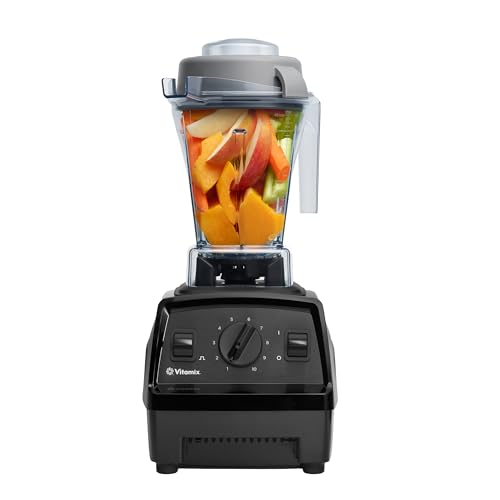
Vitamix E310 Explorian Blender, Professional-Grade, Self-Cleaning 48 oz.
48‑oz BPA‑free Tritan jar fits under cabinets
View Today's Price
Blendtec Total Classic Original Blender and 75 oz FourSide Blender Jar - Kitchen
75‑oz FourSide jar made from BPA‑free copolyester
View Today's PriceHow to Choose the Right High End Blenders
Choosing the right high-end blender depends on your blending habits, batch size, noise tolerance, and desired features—trade-offs that shift based on your kitchen setup and expectations. Generic top-10 lists fail because a feature perfect for one use case is wrong for another. Our recommendation engine evaluates your specific situation across five dimensions and matches you to the right blender in under 60 seconds.
About this guide
High End Blenders
The Real Buying Challenge: Specs, Trade-Offs, and Price Tiers
Shopping for a high-end blender in 2026 is more complicated than most buyers realize. The biggest challenge is balancing the features you’ll actually use against the steep price—premium models like the Vitamix Ascent X4 now reach $1,000, while solid mid-range picks like the KitchenAid K150 hover around $200. Many buyers get tripped up by horsepower marketing or digital displays, but these specs often distract from what truly matters: motor strength (1200–2200 watts), blade design for tough blends, and warranty coverage. Most regret buying a model with features they never use—like app presets or oversized jars—while others miss out on essentials like hot blending or noise reduction. Jar size is another make-or-break factor: a 48-oz Vitamix is perfect for daily use but too small for batch cooks, while Blendtec’s 90-oz jar is overkill for singles. The wrong choice can leave you with an expensive appliance collecting dust. In short, picking the right model means understanding which specs match your real kitchen habits—not just chasing the highest price or fanciest display.
What Separates the Options: Key Differentiators That Matter
Not all high-end blenders are created equal—brands like Vitamix, Blendtec, and KitchenAid each have signature strengths and real-world trade-offs. Vitamix’s Ascent X4 stands out for quiet operation (7.5/10 RTINGS noise score) and small-batch excellence, but its 48-oz jar limits batch size. The Ascent X2, with Self-Detect tech, is better for fibrous greens and future-proofing with accessories. Blendtec’s 90-oz FourSide jar is unbeatable for meal prep, but its blunt blades underperform for nut butters compared to Vitamix’s sharp design. Skip Blendtec if you want the smoothest nut butters or heavy-duty build—RTINGS and TechRadar both favor Vitamix for durability and spreadable results. Hot blending is a must-have for soup lovers, making Ascent and Propel models a smarter pick than KitchenAid, which lacks friction heating. And don’t be fooled by horsepower alone: real test scores (like 9.1 for smoothies, 8.7 for ice) matter more than raw specs. Warranty length is another key differentiator—Vitamix’s 10-year coverage trumps Blendtec’s 8 years, saving money and hassle over time.
Decision Factors and How to Choose
The best high-end blender for your kitchen depends on how you blend, how much you make, and which features you’ll use every week. Batch size influences jar choice: 48-oz for couples or daily smoothies, 64-oz for families, and 90-oz for serious meal prep. If you crave hands-off convenience, look for models with smart presets and self-cleaning cycles, but don’t overpay for app features you’ll never use. Noise sensitivity can be a dealbreaker—if you blend early mornings or in open kitchens, it’s worth paying extra for noise reduction (like the Ascent X4). Jar material also matters: glass resists odors but is heavy, Tritan is lighter and shatter-resistant, and stainless steel keeps ingredients cold but limits visibility. Our quiz evaluates your blending habits, batch size, automation preferences, noise tolerance, and jar material in one quick flow. Ultimately, the right blender is about matching your real-world routine—not just specs on paper. Prioritize performance and warranty for heavy use, and avoid flashy features that won’t improve your daily experience.
Buyer's guide
How to choose
1Core Performance Criteria
- Look for a minimum of 1200 watts or 2.2 peak horsepower—Vitamix Ascent X2 and X4 both meet this, ensuring smooth nut butters and frozen drinks.
- Variable speed control is non-negotiable for texture precision, especially with fibrous greens or chunky salsas—avoid models with only preset cycles.
- Preset programs are handy for smoothies and soups, but manual control often gives better results for thick blends or custom recipes.
- Hot blending capability, as seen in Vitamix Ascent models, is essential if you want to make soups directly in the jar without stovetop prep.
- Jar capacity impacts usability: 48–64 oz covers most needs, but batch cooks may want Blendtec’s 90-oz FourSide jar for large families.
- Don’t be fooled by horsepower marketing—focus on real-world test scores (9.1 for smoothies, 8.7 for ice) to judge actual blending performance.
2Build Quality and Durability
- Prioritize blenders with stainless steel blades and metal drive systems—Vitamix consistently outlasts Blendtec in long-term reliability tests.
- Check for full warranty coverage—Vitamix’s 10-year warranty beats Blendtec’s 8-year, minimizing repair costs over a decade of use.
- Jar material matters: Tritan is shatter-resistant and light, while glass jars are heavier but don’t retain odors or stains.
- A solid, heavy base reduces vibration and keeps the blender stable at high speeds—this is especially important for thick blends or hot soups.
- Look for self-detect or smart jar compatibility if you want to future-proof with accessories—non-Ascent Vitamix models lack this feature.
- Avoid models with plastic gears or lightweight housings, as these fail quickly under repeated ice crushing or nut butter tasks.
3Value Analysis
- The true sweet spot for value is $500–$700—Vitamix Ascent X2 and Propel 510 deliver 90% of X4 performance at a much lower price.
- Don’t pay $900+ for the quietest model unless noise is a daily issue; for most, mid-range models offer nearly identical blending results.
- KitchenAid K150 and Braun TriForce offer strong ice and smoothie performance at $150–$300, but lack hot blending and premium build quality.
- Check if accessories like personal cups or extra jars are included or require separate purchase—these can add $100+ to your total spend.
- Warranty length is a hidden value driver: a 10-year Vitamix warranty can save hundreds in repairs versus 3-year coverage from cheaper brands.
- Discontinued models, like Vitamix A3500, may be tempting on sale but lack future-proofing and support for new accessories.
4Use-Case Fit
- If smoothies and juices are your mainstay, prioritize models with high smoothie scores (9.1+) and strong ice-crushing, like Vitamix Ascent X2.
- For hot soups, ensure your blender can heat via friction—Vitamix Ascent and Propel lines excel here, while KitchenAid K150 cannot.
- Nut butter fans need powerful motors and robust blades—Vitamix outperforms Blendtec and KitchenAid for thick, spreadable results.
- Large families or batch cooks should seek 64-oz or larger jars; Blendtec’s 90-oz jar is unmatched for meal prep, but takes up more space.
- If you want hands-off convenience, look for smart presets and self-cleaning cycles, but don’t overpay for app features you’ll never use.
- Compact kitchens or single-serve needs are better served by smaller jars and lighter models, even if it means sacrificing some power.
5Common Mistakes
- Overpaying for digital displays or Bluetooth features when core blending power and build quality matter far more for daily use.
- Ignoring jar capacity—Vitamix’s 48-oz is limiting for families, while Blendtec’s 90-oz may be overkill for solo users.
- Assuming all high-end blenders are quiet; even the Vitamix Ascent X4, rated 7.5/10 for noise, is louder than most expect.
- Buying discontinued models for a discount, not realizing they lack support for new accessories or future firmware updates.
- Neglecting warranty terms—shorter coverage can mean costly repairs if you blend daily or use tough ingredients.
- Focusing solely on horsepower specs and ignoring real-world test scores for smoothies, nut butters, and ice crushing.
6Maintenance and Longevity
- Self-cleaning cycles save time, but periodic manual cleaning is still needed to prevent buildup, especially after nut butters or hot soups.
- Dishwasher-safe jars are convenient, but hand-washing extends the life of seals and blades—especially with Tritan or glass containers.
- Check and replace gaskets annually if you blend hot or thick foods often—this prevents leaks and maintains blending efficiency.
- Store your blender base in a dry, ventilated area to avoid moisture damage to electronics and prolong motor life.
- Follow manufacturer maintenance schedules—Vitamix’s 10-year warranty is contingent on proper care and cleaning.
- Avoid running the blender empty or overfilling past the max line, as this strains the motor and can void your warranty.
FAQ
Frequently asked questions
Is the Vitamix Ascent X4 worth the investment?
If you want the quietest, most versatile blending experience and plan to use your blender daily for everything from smoothies to hot soups, the Vitamix Ascent X4 justifies its $950–$1,000 price tag. It offers top-tier multi-purpose performance (9.1/10 RTINGS score), friction heating for soups, and a 10-year warranty. However, if you don’t need the quietest operation or advanced presets, the Ascent X2 delivers nearly identical results for $300 less.
How does the Vitamix Ascent X2 compare to the Blendtec Designer 725?
The Vitamix Ascent X2 outperforms the Blendtec Designer 725 in both build quality and blending consistency, especially for nut butters and fibrous greens. While Blendtec offers a larger 90-oz jar, the X2’s 64-oz container and Self-Detect technology provide better accessory compatibility and future-proofing. RTINGS scores favor Vitamix for smoothies (9.1) and overall durability, making the X2 the stronger all-rounder for most kitchens.
What specs do I need for making nut butters at home?
For nut butters, prioritize a blender with at least 2.2 peak horsepower and stainless steel blades—Vitamix Ascent X2 and X4 are standouts. A sturdy jar (Tritan or glass) and manual speed control help achieve smooth, spreadable results. Cheaper models often overheat or struggle with thick blends, so investing in a high-end model ensures consistent, hassle-free nut butter every time.
Is the KitchenAid K150 powerful enough for daily smoothies and ice crushing?
The KitchenAid K150, priced around $150–$200, is a solid upper mid-range pick for smoothies and ice crushing. It handles fibrous ingredients and frozen fruit well, though it lacks hot blending and the heavy-duty build of Vitamix. For daily single-serve or small batch use, it’s a great value, but frequent nut butter or soup makers should consider stepping up to a Vitamix Propel or Ascent model.
Do I need smart features like Self-Detect or app presets?
Smart features like Vitamix’s Self-Detect and app presets add convenience, especially if you use multiple jar sizes or want automated blending cycles. However, they’re not essential for everyone. If you prefer manual control or only use one jar, you can save $200–$300 by choosing a model without these extras. Prioritize performance and warranty over digital bells and whistles unless you love automation.
How loud are high-end blenders, and is noise reduction worth it?
Even the quietest high-end models, like the Vitamix Ascent X4, score only 7.5/10 for noise—expect 85–95 dB during operation. Noise-reducing enclosures help, but add bulk and cost. If you blend early mornings or in open kitchens, it’s worth paying extra for quieter models. Otherwise, accept that power comes with volume and focus on performance instead.
Why do some premium blenders have smaller jars than cheaper models?
Premium blenders like the Vitamix Ascent X4 often use 48–64 oz jars to optimize blending efficiency and heat transfer for hot soups. While Blendtec offers 90-oz jars for large batches, these can be unwieldy and less effective for small servings. Choose jar size based on your typical batch, not just maximum capacity, to avoid waste and ensure the best texture.
Related reading
Best High End Blenders By Category
Compare High End Blenders
Related Guides
Air Fryers
Matched to your kitchen space, batch size, cooking style, and must-have features—get an air fryer that truly fits your needs.
Bar Tools
Skill level, tool type, finish, budget, and how you’ll use your bar tools—get matched to the right set for your home bar.
Beginner Espresso Machines
Skill level, hands-on control, milk frothing, and kitchen space—get matched to the perfect beginner espresso machine for your daily ritual.
Best Bread Machines for Home Bakers
Loaf size, bread style, add-ins, and control—get matched to the bread machine that fits your kitchen and baking goals.
Breakfast Cookware
Matches your breakfast routine, kitchen setup, budget, and health priorities to the perfect pan, griddle, or appliance.