Skip the research trap. Get your camping tents in 60 seconds.
We scored 300+ camping tents across 5 dimensions — answer 5 quick questions and we'll match you to YOUR best pick.

Powered by DecisionScore™
Each product is evaluated across 18 weighted criteria — covering performance, value, build quality, and real-world usability. Your quiz answers re-weight the criteria to match what matters most to you, so two people can get different #1 picks from the same data.
See the DecisionScore methodology →- Spacious three‑person tent with modular Hangout Mode
- Freestanding Tension Ridge pole design yields excellent interior volume
- Large vestibules and doors for easy entry and gear storage
Find your perfect camping tents
5 quick questions. No quiz-takes-10-minutes trap. A personalized match from 29 scored picks — with clear reasoning for every recommendation.
What type of camping will you mainly do?
Backpacking means hiking to your campsite and carrying everything on your back, so light weight matters. Car camping lets you drive to the campsite and prioritize comfort and roominess. Family or base camping involves multiple people and longer stays. Mountaineering/expedition tents handle extreme weather and winter conditions. Glamping or luxury camping involves large canvas tents and extra comfort; pick this if you're looking for a cozy home away from home. If unsure, choose car camping.
- Backpacking tents need to be light and compact for carrying long distances.
- Car camping lets you bring heavier, more spacious tents for extra comfort.
- Family or group camping means prioritizing space and easy setup over weight.
As an Amazon Associate and affiliate partner we earn from qualifying purchases. Links on this page may earn us a commission at no extra cost to you. Full disclosure
Not ready for the quiz? Here are our overall top picks
These are our top-rated picks overall. For a recommendation matched to YOUR specific needs,
Sea to Summit Ikos Evo Tent - Three Person
Spacious three‑person tent with modular Hangout Mode
View Today's Price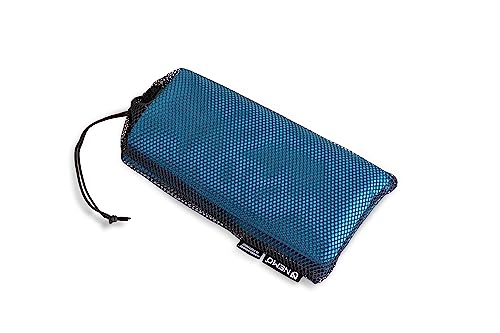
Nemo Equipment Aurora Highrise Footprint - 4-Person - Oasis
Cabin‑like camping tent with steep walls and 75 inch peak height
View Today's Price
ALPS Mountaineering Lynx 2-Person Backpacking and Camping Tent Easy Setup,
Budget 2‑person tent with plenty of features for the price
View Today's PriceHow to Choose the Right Camping Tents
Choosing the right camping tent depends on group size, comfort preferences, weight constraints, weather expectations, and the type of camping you’ll do—factors that interact in complex ways. A tent perfect for backpacking is often a poor fit for family car camping, and vice versa. Generic top-10 lists can’t capture how these trade-offs shift based on your real-world needs. Our recommendation engine analyzes your situation across five dimensions and matches you to the ideal tent in under 60 seconds.
About this guide
Camping Tents
Why Tent Shopping Is Trickier Than It Looks
Buying camping tents in 2026 is a minefield of trade-offs that most shoppers underestimate. Backpackers obsess over shaving ounces, but camping tents that are ultralight—think under 4 lbs—often mean you’re sacrificing headroom, vestibule space, or weather protection. Car campers and families, on the other hand, can haul a 20+ lb camping tent like the NEMO Aurora Highrise 6, but then face setup complexity and storage headaches. Price tiers for camping tents are stark: $150–$250 gets you a value option like the Coleman Skydome 6, but you’ll give up premium fabrics and end up with a heavier, less weatherproof shelter. Step up to $400–$500 (REI Base Camp 6, Snow Peak Alpha Breeze) and you gain stability, headroom, and smarter features in your camping tents, but still face ventilation trade-offs. Most buyers get tripped up by misleading “person” ratings—six-person camping tents rarely fit six adults comfortably—and ignore the importance of vestibule size or pole design. Even seasoned campers can be surprised by how much packed weight, peak height, and setup time matter once you’re out in the wild with your camping tents.
What Actually Sets Tents Apart in 2026
Not all camping tents are created equal, and the differences go far beyond brand logos or colorways. The real differentiators among camping tents are pole design (freestanding vs. tunnel), vestibule size, peak height, and setup intuitiveness. For example, the REI Co-op Base Camp 6 stands out among camping tents with its 6 ft peak and 40+ sq ft vestibule, making it a favorite for families who want to stand up and stash muddy boots outside. NEMO’s Aurora Highrise 6 offers a cavernous 112 sq ft floor and fast pitch system—worth the extra $100–$200 if you hate wrestling with tent poles in your camping tents. Skip four-season or canvas camping tents unless you’re braving snow or extended base camping; they’re overkill for most. Always prioritize peak height over floor area in camping tents if you want livability—being able to stand up is a significant upgrade. Vestibule space is the next most underrated feature in camping tents; 40+ sq ft means your gear stays dry and the sleeping area uncluttered. Don’t get distracted by “person” ratings or flashy modular add-ons in camping tents unless you have a specific need for them.
How to Weigh the Decision Factors That Matter
Every camping tent decision is a balancing act between group size, weight, comfort, weather resistance, and budget. Roomy camping tents like the NEMO Aurora Highrise 6 are only practical if you’re car camping—backpackers need to keep packed weight under 5 lbs per person, which rules out most family-sized camping tents. Weather conditions dictate pole strength and rainfly coverage: frequent storms or wind mean you should skip budget camping tents and look for robust designs like the REI Base Camp 6. Budget is the ultimate constraint: under $250 means you’ll compromise on weight, ventilation, or setup speed in your camping tents, while $400–$600 unlocks premium features but isn’t always necessary for fair-weather trips. Our quiz analyzes your camping style, group size, comfort priorities, weather expectations, and must-have features to shortlist the right camping tents. The key is to consider how these factors interact—choosing a six-person camping tent for four people boosts comfort, but only if your vehicle and site can handle the extra bulk. Think through your real-world needs for camping tents, not just the specs on paper.
Buyer's guide
How to choose
1Core Performance Criteria: Space, Weight, and Weather
- Always check the actual floor area—80 to 112 sq ft is ideal for 4–6 people, but person ratings are notoriously misleading.
- Peak height over 6 feet, like the REI Base Camp 6, allows adults to stand and move comfortably, which transforms longer trips.
- Packed weight matters: under 5 lbs per person is crucial for backpacking, while 20+ lbs is only manageable for car camping.
- Vestibule space over 40 sq ft keeps gear dry and out of the sleeping area, a must-have for muddy or rainy conditions.
- Look for full-coverage rainflies and robust pole structures if you expect wind or storms—budget models often cut corners here.
- Ventilation is often overlooked, but limited airflow in large tents can cause condensation and stuffiness, especially in humid climates.
2Build Quality and Durability
- Premium tents in the $400–$700 range use stronger poles and ripstop fabrics, boosting lifespan and weather resistance compared to budget options.
- Check for reinforced stress points and taped seams—these features prevent leaks and tears after repeated use or in harsh weather.
- Aluminum poles, like those in the NEMO Aurora Highrise 6, are lighter and more durable than fiberglass, which is common in cheaper tents.
- Quality zippers and double-stitched floors are worth the extra cost, as zipper failures are a top complaint in tents under $200.
- Consider the warranty—brands like REI and NEMO offer multi-year coverage, while budget tents often provide only one season of support.
- Canvas and four-season tents are built for longevity, but require more care and are overkill unless you camp in extreme conditions.
3Value Analysis: What Do You Get for Your Money?
- Tents in the $150–$250 range (e.g., Coleman Skydome 6) offer solid value for occasional car camping, but expect heavier weights and simpler features.
- The $400–$500 tier (REI Base Camp 6, Snow Peak Alpha Breeze) delivers better weatherproofing, headroom, and storage, ideal for frequent campers.
- Spending $500–$700 only makes sense if you need extra space (100+ sq ft) or advanced features like fast-pitch poles and ultralight materials.
- Diminishing returns set in above $500—unless you need a specialty tent, mid-range models cover most family or group needs.
- Budget tents often sacrifice ventilation and pole quality, leading to stuffiness or setup headaches—factor in your tolerance for these trade-offs.
- Look for included accessories like footprint, vestibule, or gear lofts, which can add $50–$100 in value if purchased separately.
4Use-Case Fit: Matching Tent to Your Adventure
- Backpacking tents must be under 5 lbs per person and pack down small—skip family models unless you’re splitting weight among several hikers.
- Car camping and family trips can prioritize comfort, with 6 ft+ peak height and large vestibules for gear, as weight is less of a concern.
- Four-season or canvas tents are only necessary for winter camping or expeditions; for most, a three-season tent is lighter and more versatile.
- Choose a tent with intuitive setup if you’ll be pitching in the dark or alone—NEMO’s fast-pitch system saves frustration on arrival.
- If you camp with pets or kids, extra vestibule space and durable floors prevent muddy chaos inside the sleeping area.
- For group camping, always size up—an 8-person tent like The North Face Wawona 8 is more comfortable for six adults and gear.
5Common Mistakes and How to Avoid Them
- Don’t trust manufacturer capacity ratings—always subtract at least one person for real comfort, especially with gear or pets.
- Ignoring vestibule size leads to wet gear and clutter; aim for at least 40 sq ft if you have lots of equipment.
- Overlooking packed weight can ruin backpacking trips—20+ lbs is fine for car camping, but a dealbreaker on the trail.
- Assuming all tents are easy to set up is a mistake; test pole systems at home, as complex frames can add 15 minutes or more.
- Ventilation is critical—large tents without enough mesh or vents get stuffy quickly, especially in humid or rainy weather.
- Buying the cheapest tent often means poor weather resistance and short lifespan; invest in quality if you camp more than once a year.
6Maintenance and Longevity
- Always dry your tent completely before storage to prevent mold and extend the lifespan of fabrics and seams.
- Use a groundsheet or footprint to protect the floor from punctures and abrasion, especially on rocky or rough campsites.
- Regularly check and reseal seams with products like Gear Aid Seam Grip WP to maintain waterproofing after heavy use.
- Clean zippers and lubricate them occasionally—dirt and grit are the top causes of zipper failure in tents used more than one season.
- Store poles and fabrics loosely in a cool, dry place; compression sacks can damage coatings and elastic over time.
- Replace worn guylines and stakes as needed—upgrading to aluminum stakes like MSR Groundhog improves stability in tough conditions.
FAQ
Frequently asked questions
Is it worth paying extra for a tent with a large vestibule?
Absolutely—tents with vestibules over 40 sq ft, like the REI Base Camp 6, keep muddy boots, wet gear, and even pets outside your sleeping area. This extra covered space is invaluable in rainy or muddy conditions and helps keep the interior cleaner and more organized. While it can add $50–$100 to the price, the convenience and comfort are well worth it for most campers, especially on multi-day trips or with groups.
How does the REI Co-op Base Camp 6 compare to the NEMO Aurora Highrise 6?
The REI Base Camp 6 offers 84 sq ft of interior space, a 6 ft peak height, and excellent wind resistance, making it a top pick for families focused on stability and storage. The NEMO Aurora Highrise 6 is even roomier at 112 sq ft and 78-inch peak, with a fast-pitch system but weighs more (20.94 lbs). Choose REI for easier transport and wind performance; pick NEMO for maximum space and quick setup.
What tent specifications should I look for if I mostly car camp with a family?
For family car camping, prioritize a tent with at least 80–100 sq ft of floor space, a 6 ft or higher peak height, and a vestibule of 40+ sq ft for gear. Models like the Coleman Skydome 6 and REI Base Camp 6 fit these criteria. Intuitive pole systems and robust rainflies are also important for quick setup and weather protection, especially if you camp in unpredictable conditions.
Are budget tents under $250 reliable for occasional use?
Budget tents like the Coleman Skydome 6 (typically $150–$250) are solid for occasional car camping or short trips. Expect heavier packed weights and simpler pole designs, but you’ll get reasonable weather protection and space for 4–6 people. Just be aware that ventilation, pole durability, and zipper quality are often weaker points—fine for a few trips per year, but not ideal for frequent or harsh-weather camping.
How important is peak height in a camping tent?
Peak height is more important than most buyers realize. Tents with a 6 ft or higher peak, like the REI Base Camp 6, allow adults to stand and move around, making changing clothes and spending time inside much more comfortable. Lower-profile tents save weight but feel cramped, especially on longer trips or in bad weather when you spend more time inside.
What are the drawbacks of large, high-capacity tents like the North Face Wawona 8?
Large tents like the North Face Wawona 8 offer spacious interiors for groups, but come with trade-offs: heavier packed weights (often 20+ lbs), more challenging setup, and limited ventilation in humid conditions. They’re best for car camping with big families or groups, but not practical for backpacking or sites with small tent pads. Always check your campsite’s size limits before choosing an oversized tent.
Which brands offer the best warranty and after-sales support for tents?
REI and NEMO both offer excellent multi-year warranties and responsive customer support, making them standouts for peace of mind. Coleman provides solid support for budget models, but coverage is typically limited to one year. For premium tents, Snow Peak and The North Face also have strong reputations for honoring repairs and replacements, which is worth considering if you camp frequently or invest in higher-end models.
Related reading
Best Camping Tents By Category
Related Guides
Advanced Telescopes
Aperture, mount type, portability, and setup—matched to your observing goals and real-life constraints in seconds.
Avalanche Beacons & Transceivers
Skill level, rescue needs, budget, battery type, and Bluetooth—get matched to the safest avalanche beacon for your backcountry trips.
Backyard Playground Sets
Play features, yard size, age range, and installation—get matched to a backyard playground set that truly fits your family.
Backyard Trampolines
We match trampolines to your jumpers’ ages, bounce style, yard size, safety needs, and budget—no more guessing or risky shortcuts.
Bike Lights
Matched to your commute, riding environment, brightness needs, charging style, and budget—get the right bike light for your safety.