Skip the research trap. Get your locks in 60 seconds.
We scored 350+ locks across 5 dimensions — answer 5 quick questions and we'll match you to YOUR best pick.
Powered by DecisionScore™
Each product is evaluated across 18 weighted criteria — covering performance, value, build quality, and real-world usability. Your quiz answers re-weight the criteria to match what matters most to you, so two people can get different #1 picks from the same data.
See the DecisionScore methodology →- Apple Home Key tap-to-unlock with iPhone or Apple Watch (even with dead battery)
- Fingerprint scanner + touchscreen keypad
- IP65 weatherproof rating
Find your perfect locks
5 quick questions. No quiz-takes-10-minutes trap. A personalized match from 35 scored picks — with clear reasoning for every recommendation.
What type of lock mechanism do you prefer?
The lock mechanism determines how the lock is operated and secured. Options include keyed, combination, and smart locks. Each type offers different levels of convenience and security features.
- Front doors require Grade 1 deadbolts or robust smart locks for real protection.
- Outdoor locations need weatherproof padlocks with rust-resistant shackles.
- Interior doors can use Grade 2 deadbolts or basic keypad locks—no need for premium models.
As an Amazon Associate and affiliate partner we earn from qualifying purchases. Links on this page may earn us a commission at no extra cost to you. Full disclosure
Not ready for the quiz? Here are our overall top picks
These are our top-rated picks overall. For a recommendation matched to YOUR specific needs,
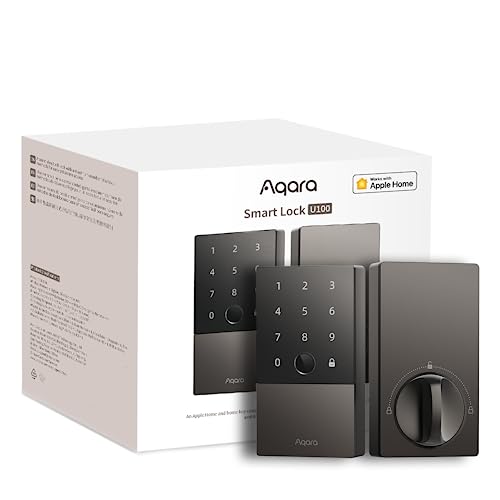
Aqara Smart Lock U100, Apple Home Key, Fingerprint Deadbolt, Gray
Apple Home Key tap-to-unlock with iPhone or Apple Watch (even with dead battery)
View Today's Price
Aqara Smart Lock U100, Apple Home Key, Fingerprint Deadbolt, Silver
Apple Home Key tap-to-unlock (silver finish)
View Today's Price
eufy Security Smart Lock C220, Fingerprint Keyless Entry Door Lock
AI fingerprint recognition, unlocks in under 1.5s
View Today's PriceHow to Choose the Right Locks
Choosing the right lock depends on security grade, installation type, smart home compatibility, and budget—trade-offs that shift based on your door location, living situation, and feature priorities. A lock that’s ideal for a homeowner’s front door could be totally wrong for a renter or a storage shed. Generic top-10 lists can’t account for these nuanced interactions. Our recommendation engine analyzes your specific needs across five dimensions and matches you to the right lock in under 60 seconds.
About this guide
Locks
Why Lock Selection Is Harder Than It Looks
Choosing the right locks in 2026 is a balancing act between security, convenience, and cost—much trickier than it first appears. The price gap is dramatic: a basic keyed deadbolt from Kwikset or Schlage can cost under $25, while premium smart locks from Yale or Eufy run up to $150. But price alone doesn’t tell the full story. Security grade is non-negotiable—Grade 1 ANSI/BHMA is the gold standard, but many buyers mistakenly settle for Grade 2, thinking all deadbolts are equal. Smart locks tempt with remote access and guest codes, yet buyers often overlook battery life or compatibility headaches with Alexa, Google Home, or Apple HomeKit. Installation is another pain point: retrofit models like the August Wi-Fi Lock are renter-friendly but may lack the weather resistance of a full-replacement Schlage Encode. And don’t forget padlocks—Master Lock’s weatherproof models are essential for outdoor storage, but not all locks are truly cut-resistant. Most buyers underestimate how much these trade-offs matter for daily use and long-term peace of mind.
What Actually Sets Locks Apart in 2026
The real differentiators in today’s locks market go far beyond the old key vs. keypad debate. Security grade is still king—skip anything below ANSI/BHMA Grade 1 for your main entry. Smart locks now offer built-in Wi-Fi (like the August Wi-Fi Lock and Schlage Encode), eliminating the need for extra hubs, but beware: not all locks support every smart home ecosystem. Apple HomeKit and Matter compatibility are rare and usually cost more, so only pay for them if your home is built around those platforms. Battery life varies wildly—some Eufy and Yale models last a year, while others need new batteries every few months. Physical build quality is another make-or-break factor: Schlage and Yale deadbolts resist picking and bumping better than most, while cheaper locks are easy targets. For padlocks, Master Lock’s heavy-duty outdoor models stand out for weather resistance and hardened shackles, but don’t expect true cut resistance from bargain brands. Don’t get distracted by flashy features—prioritize security grade, ecosystem fit, and proven reliability.
How to Choose: Decision Factors That Matter Most
Lock selection isn’t just about ticking boxes; it’s about how your needs, door type, and living situation interact. For example, a homeowner can install a full-replacement Schlage smart lock for maximum security and integration, while renters should stick to retrofit locks like the August Wi-Fi Lock to avoid permanent changes. Your front door demands Grade 1 security, while a gate or shed needs a weatherproof padlock like Master Lock’s M175XDLF. Budget is a real constraint—under $40 means sacrificing smart features, while $80–$150 opens up robust, app-enabled locks. Smart home compatibility is a maze: Alexa and Google Home users have more choices, but Apple HomeKit and Matter require careful vetting. Our quiz evaluates your location, lock type, budget, smart home setup, and living situation to pinpoint the right fit. The key is to match lock type and features to your real-world scenario—don’t overspend on features you’ll never use, but don’t skimp on security for your main entry.
Buyer's guide
How to choose
1Core Performance Criteria
- Always check the ANSI/BHMA security grade—Grade 1 is essential for front doors, while Grade 2 is only passable for interior or low-risk doors.
- Smart locks with built-in Wi-Fi, like the August Wi-Fi Lock and Schlage Encode, offer true remote access without extra hubs or bridges.
- Battery life varies: Yale and Eufy models can last up to a year, but some keyless models require battery changes every few months.
- For padlocks, prioritize weather resistance and hardened shackles—Master Lock’s Magnum series is a standout for outdoor durability.
- Look for locks that resist picking and bumping—Schlage and Yale consistently outperform cheaper brands in independent tests.
- Consider the number of user codes or app users supported—20+ is standard for smart locks, but some budget models cap out at five.
2Build Quality and Durability
- Schlage and Yale deadbolts use solid metal housings and reinforced strike plates, which greatly increase resistance to forced entry.
- Weatherproofing is crucial for outdoor padlocks—Master Lock’s brass and stainless steel models resist rust and freezing far better than zinc alloys.
- Smart locks with microban antimicrobial coatings, like select Schlage models, help keep high-touch surfaces cleaner in busy households.
- Keypad buttons should be rubberized or backlit for longevity; cheap plastic pads fade quickly and can reveal common PINs over time.
- Full-replacement smart locks offer superior weather sealing compared to retrofit models, making them a better choice for exposed doors.
- Check for long warranty terms—Schlage and Yale often back their locks with limited lifetime mechanical warranties, a sign of real build confidence.
3Value Analysis
- Budget deadbolts under $25 offer basic security, but expect Grade 2 certification and minimal pick resistance—fine for interior doors, risky for exteriors.
- Mid-range ($40–$80) gets you proven keyed deadbolts from Kwikset or keypad models from Schlage, balancing security and convenience.
- Premium ($80–$150) unlocks smart features, app control, and Grade 1 security—Yale, Schlage, and Eufy dominate this tier with robust options.
- Retrofit smart locks like the August Wi-Fi Lock are ideal for renters—easy install, no door damage, but slightly less weather protection.
- Padlocks under $20 rarely deliver true cut resistance; spend $25+ for Master Lock’s hardened models if outdoor security is critical.
- Don’t pay extra for features you won’t use—fingerprint sensors are cool, but a solid keypad or app access is enough for most users.
4Use-Case Fit
- Front doors demand Grade 1 deadbolts and, if smart, a model with proven battery life and robust app support.
- Renters should choose retrofit smart locks like August, which install over existing deadbolts with zero permanent changes.
- Short-term rental hosts benefit from locks with one-time guest codes and app-based access logs—Schlage Encode and Yale Assure excel here.
- Padlocks are best for garages, gates, and sheds—Master Lock’s weatherproof models are a safe bet for outdoor exposure.
- Interior doors can use Grade 2 deadbolts or basic keypad locks—no need to overpay for exterior-grade security.
- Smart home integration is crucial if you use Alexa, Google Home, or Apple HomeKit—double-check compatibility before buying.
5Common Mistakes
- Settling for Grade 2 deadbolts on front doors—a common shortcut that undermines your home’s primary line of defense.
- Assuming all smart locks work with every ecosystem—many only support Alexa/Google, while HomeKit and Matter are much less common.
- Ignoring battery life—some smart locks die in months, leaving you locked out or relying on backup keys.
- Overlooking weather resistance for outdoor padlocks—cheap models corrode quickly and can seize up in rain or snow.
- Choosing a lock based solely on price—ultra-cheap models often lack real pick or bump resistance, making them easy targets.
- Not considering installation limitations—renters should avoid full-replacement locks that require drilling or permanent changes.
6Maintenance and Longevity
- Replace smart lock batteries every 6–12 months—models like Yale and Eufy alert you via app before power runs low.
- Lubricate mechanical locks annually with graphite or silicone spray to prevent sticking and extend lifespan.
- Check weather seals and gaskets on exterior locks each season—replace if cracked to prevent moisture intrusion and corrosion.
- Update smart lock firmware regularly to patch security vulnerabilities and improve app reliability.
- For padlocks, rinse with fresh water after exposure to salt or chemicals to prevent internal corrosion.
- Keep backup keys in a secure location—smart locks can fail due to dead batteries or software glitches, so always have a manual override.
FAQ
Frequently asked questions
Is it worth paying extra for a smart lock with built-in Wi-Fi?
Yes, if you want true remote access and the ability to manage codes or check lock status from anywhere, built-in Wi-Fi is worth the premium. Models like the August Wi-Fi Lock and Schlage Encode eliminate the need for a separate hub, making setup easier. However, if you only need local keypad access and rarely use remote features, a Bluetooth or keypad-only model can save you money without sacrificing security.
How does Schlage compare to Kwikset and Yale for deadbolts?
Schlage is widely regarded as the most secure for residential deadbolts, consistently earning ANSI/BHMA Grade 1 ratings and outperforming Kwikset and Yale in pick and bump resistance. Kwikset offers user-friendly SmartKey rekeying, making it a solid mid-range choice, while Yale shines in smart lock integration and weather resistance. For maximum physical security, Schlage is the top pick, but Yale leads for smart home compatibility.
What security grade should I look for in a front door lock?
Always choose an ANSI/BHMA Grade 1 lock for your front door. Grade 1 offers the highest resistance to picking, bumping, and forced entry, and is the standard for exterior doors. Grade 2 is only suitable for interior or low-risk doors. Brands like Schlage and Yale consistently deliver Grade 1 deadbolts, while many budget options settle for Grade 2—don’t make that mistake.
Are retrofit smart locks like August secure enough for main entry doors?
Retrofit smart locks such as the August Wi-Fi Lock are generally secure, as they use your existing deadbolt hardware and add keyless convenience. However, their overall security depends on the quality and grade of the underlying deadbolt. For maximum protection, pair a retrofit smart lock with a Grade 1 deadbolt from Schlage or Yale. They’re ideal for renters or anyone who can’t replace the entire lock.
How weatherproof are Master Lock outdoor padlocks?
Master Lock’s Magnum and M175XDLF series are specifically designed for outdoor use, featuring weather-resistant brass or stainless steel bodies and cut-resistant shackles. They hold up well against rain, snow, and freezing temperatures, making them a top choice for gates, sheds, and storage units. However, regular maintenance and occasional lubrication are still recommended to maximize longevity in harsh climates.
Do all smart locks work with Apple HomeKit or Matter?
No, HomeKit and Matter compatibility is still limited in 2026. Most smart locks support Alexa and Google Home, but only select models from Yale and Schlage offer full HomeKit or Matter integration. Always check the compatibility list before buying, especially if your smart home is built around Apple devices. Expect to pay a premium for these features.
How many user codes do I need for a smart lock?
For most households, 10–20 user codes are sufficient for family, guests, and service workers. If you manage a short-term rental or have frequent visitors, look for models supporting 20+ codes and one-time guest access. Schlage and Yale smart locks typically offer generous code limits, while budget models may cap out at five. Prioritize code capacity based on your real usage.
Related reading
Best Locks By Category
Related Guides
Automatic Pet Feeders
Matched to your pet’s food type, number of pets, feeding schedule, and the features you’ll actually use.
Upgrade Your Home Security with DIY Smart Products
We match you to the right cameras, locks, doorbells, and Wi-Fi—based on your home, tech comfort, budget, and security priorities.
Top Products to Make Your Home More Energy Efficient
Matches you to smart thermostats, ACs, and appliances based on your climate, home type, budget, and comfort with tech.
Home Security Cameras
Mounting, power, resolution, storage, and smart features—get a security camera matched to your home, habits, and privacy needs.
Home Weather Stations
Matched to your climate, installation site, data needs, and how serious you are about weather tracking.