Skip the research trap. Get your acoustic panels in 60 seconds.
We scored 250+ acoustic panels across 5 dimensions — answer 5 quick questions and we'll match you to YOUR best pick.

Powered by DecisionScore™
Each product is evaluated across 18 weighted criteria — covering performance, value, build quality, and real-world usability. Your quiz answers re-weight the criteria to match what matters most to you, so two people can get different #1 picks from the same data.
See the DecisionScore methodology →- 5-pack of large 48" x 12" panels for maximum wall coverage
- Self-adhesive polyester fiber, NRC 0.9
- Decorative appearance suitable for studios and living spaces
Find your perfect acoustic panels
5 quick questions. No quiz-takes-10-minutes trap. A personalized match from 24 scored picks — with clear reasoning for every recommendation.
What is the primary material of the acoustic panel?
The material of an acoustic panel affects both its sound absorption capabilities and its visual appeal. Foam panels are typically used for their high sound absorption, while wood panels offer a more decorative look.
- Recording studios need broadband absorption—don’t rely on foam alone for full-spectrum control.
- Home theaters benefit from thicker panels for dialogue clarity and immersive sound.
- Offices and conference rooms can use thinner or decorative panels mainly for echo reduction.
As an Amazon Associate and affiliate partner we earn from qualifying purchases. Links on this page may earn us a commission at no extra cost to you. Full disclosure
Not ready for the quiz? Here are our overall top picks
These are our top-rated picks overall. For a recommendation matched to YOUR specific needs,
10 Pack Self-Adhesive Sound Proof Foam Panels for Walls – 48" x 12" XLarge
5-pack of large 48" x 12" panels for maximum wall coverage
View Today's Price
BUBOS 6-Pack Art Acoustic Panels, Self-Adhesive Sound Panels, 23.6"x23.6"
6-pack 12"x12" premium polyester fiber panels in bold orange
View Today's Price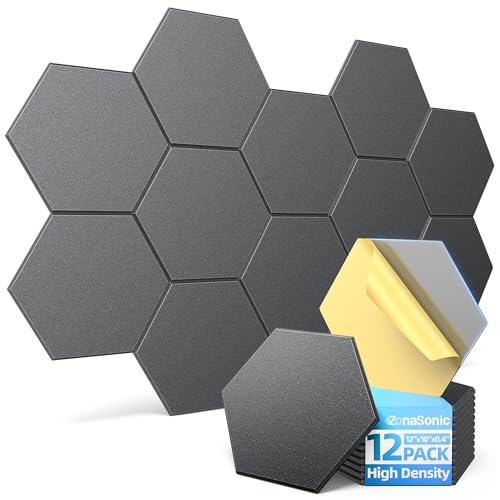
Self-Adhesive Acoustic Panels High Density Sound Proof Foam Panels for Wall
Check today’s price →Self-adhesive peel-and-stick polyester fiber acoustic panels
View Today's PriceHow to Choose the Right Acoustic Panels
Choosing the right acoustic panels depends on your room type, frequency problems, budget, and installation constraints—trade-offs that shift with your specific acoustic goals and decor needs. A panel that’s perfect for a home theater may be wrong for a rental office or a gaming room. Generic top-10 lists can’t account for these nuanced interactions. Our recommendation engine evaluates your setup across five key dimensions and matches you to the ideal acoustic panel solution in under 60 seconds.
About this guide
Acoustic Panels
Why Acoustic Panel Shopping Is Trickier Than It Looks
Most people assume buying acoustic panels is as simple as picking up a foam pack and sticking it to the wall, but the reality in 2026 is far more nuanced. The biggest trap: confusing cheap foam acoustic panels (like those $30 12-packs from JBER or Foamily) with true broadband absorption. Foam wedge and pyramid acoustic panels are lightweight and easy to cut, but they only tame high-frequency flutter—leaving midrange and bass untouched. If you want real clarity for music production, podcasting, or home theater, you need fabric-wrapped fiberglass or mineral wool acoustic panels with NRC ratings of 0.8–1.0, which cost $100–$200 per set from brands like ATS Acoustics or Auralex. Bass trap acoustic panels are a must for taming low-end in corners, yet most buyers skip these acoustic panels and wonder why their room still sounds boomy. Panel thickness, NRC, and coverage area all interact with your room’s size and shape, so a one-size-fits-all approach rarely works for acoustic panels. Many buyers also overlook installation—adhesive is easy but can ruin walls, while hardware mounting is more secure but less renter-friendly for acoustic panel setups. The result: wasted money on acoustic panels that don’t solve your actual acoustic problems.
What Really Sets Acoustic Panels Apart
Not all acoustic panels are created equal, and in 2026, the differences go deeper than just foam versus fiberglass acoustic panels. NRC rating is the single most important spec—skip any acoustic panels under 0.8 if you want meaningful absorption. ATS Acoustics and Auralex acoustic panels routinely hit NRC 1.0, while cheap foam acoustic panels rarely break 0.5. Thickness matters: 2" acoustic panels are the minimum for broadband coverage, but if you’re chasing bass control, only 4" acoustic panels or dedicated bass trap panels (like those from TroyStudio or Knightsacoustic) will do the job. Decorative wood slat acoustic panels from Art3d or BUBOS look stunning and add moderate absorption, but they won’t replace proper acoustic panels in a studio or theater. Fire rating is non-negotiable for permanent acoustic panel installs—look for Class A per ASTM E84, especially in offices or commercial spaces. Don’t pay extra for fancy shapes or colors on acoustic panels unless aesthetics are a top priority; performance comes from core materials and construction, not visual flair. If you’re on a tight budget, foam acoustic panels are a solid quick fix for gaming or streaming rooms, but don’t expect miracles from these acoustic panels in larger or more demanding spaces.
How to Choose: Balancing Specs, Space, and Budget
Choosing the right acoustic panels means weighing your room’s size, your main acoustic issues, and how much you’re willing to spend. For a small home studio, a dozen 2" foam acoustic panels might be enough for high-frequency control, but a home theater or open-plan office will need multiple 2" or even 4" fabric-wrapped acoustic panels and bass trap panels—raising your budget from $30 to $200+. Coverage area is critical: measure your wall space and aim to treat at least 20–30% with acoustic panels for meaningful results. Installation method also matters: adhesive is simple but can damage paint, while Z-clips or command strips are better for renters or those wanting flexibility with acoustic panels. Visual appearance is a real factor—wood slat acoustic panels and art-printed acoustic panels blend in better than industrial foam panels, especially in multipurpose rooms. Our quiz evaluates your use case, frequency problems, budget, installation needs, and style preferences to match you with the right acoustic panels. The key is to prioritize NRC and thickness for your acoustic goals, then choose the best acoustic panels for your installation and decor.
Buyer's guide
How to choose
1Core Performance Criteria
- Always check the NRC rating—0.8 or higher is essential for serious sound absorption, with ATS Acoustics and Auralex routinely hitting NRC 1.0.
- Panel thickness directly impacts performance; 2" panels are the minimum for broadband absorption, while 4" panels or bass traps are needed for low-frequency control.
- Coverage area matters more than most realize—treating 20–30% of wall space is usually required for noticeable echo reduction in typical rooms.
- Foam panels from JBER or Foamily are fine for taming high-frequency flutter, but they won’t solve bass or midrange issues in larger spaces.
- Fabric-wrapped fiberglass and mineral wool panels outperform foam in both NRC and frequency range, making them the standard for studios and home theaters.
- Bass traps are mandatory for rooms with boomy low end; skip them and you’ll never get truly balanced sound, no matter how much foam you use.
2Build Quality and Durability
- Fabric-wrapped panels from ATS Acoustics and Auralex feature solid wood frames that resist warping and protect corners from damage over time.
- Cheap foam panels can crumble, yellow, or lose shape within a year, especially in sunlight or humid environments—expect to replace them sooner.
- Look for Class A fire rating per ASTM E84 if you’re installing panels permanently or in commercial spaces; this is a safety must-have.
- Panels with stitched or reinforced edges resist fraying and sagging, which is especially important for larger 24" x 48" or 24" x 36" panels.
- Wood slat panels offer a combination of moderate absorption and excellent visual durability, but ensure the backing material is dense enough for real performance.
- Self-adhesive foam is convenient, but the glue often fails over time; mounting hardware or Z-clips provide much longer-lasting, secure installation.
3Value Analysis
- Entry-level 12-pack foam tiles under $30 are cost-effective for small gaming or streaming setups but deliver limited acoustic improvement in larger rooms.
- Spending $100–$200 on ATS or Auralex fabric-wrapped panels yields professional-grade absorption and is a better long-term investment for studios or theaters.
- Bass trap kits in the $50–$120 range from TroyStudio or Knightsacoustic are essential for balanced sound and offer more value than buying extra foam.
- Decorative wood slat panels from Art3d or BUBOS cost more per square foot but double as modern wall art, justifying their premium for design-centric spaces.
- Buying larger panels (24" x 48") often reduces cost per square foot compared to smaller tiles, especially if you need to cover a lot of area.
- Don’t overspend on exotic shapes or colors unless aesthetics are critical—core material and thickness drive performance, not visual gimmicks.
4Use-Case Fit
- Home studios benefit most from a mix of 2" foam for highs and fabric-wrapped panels for midrange and bass, especially in untreated rooms.
- Home theaters need broadband absorption—skip foam-only setups and invest in 2" or 4" fiberglass panels for dialogue clarity and immersive sound.
- Offices and conference rooms can get by with thinner panels or decorative options, focusing on echo reduction rather than full-range absorption.
- Gaming and streaming rooms often need just a few foam tiles for flutter control, making budget packs from JBER or Foamily a smart choice.
- For living rooms or multipurpose spaces, wood slat or art-printed panels blend in with decor while still providing moderate sound absorption.
- Bass-heavy rooms—especially those with subwoofers—require dedicated bass traps in all corners to avoid muddy or uneven low-end response.
5Common Mistakes and Pitfalls
- Relying solely on foam tiles for all frequencies is a classic error—midrange and bass need denser, thicker panels or bass traps.
- Underestimating the amount of coverage required leads to disappointing results; treating just a few square feet won’t fix a reverberant room.
- Ignoring installation method can ruin walls or lead to panels falling off; always match adhesive or hardware to your wall type and rental status.
- Skipping fire rating for permanent installs is risky—always check for Class A per ASTM E84, especially in commercial or high-traffic spaces.
- Focusing on looks over performance leaves many buyers with beautiful panels that do little to improve sound quality.
- Neglecting bass traps in corners is why many home theaters and studios still sound boomy after panel installation.
6Maintenance and Longevity
- Foam panels attract dust and can yellow over time; regular vacuuming and keeping them out of direct sunlight extends their lifespan.
- Fabric-wrapped panels can be spot cleaned with a damp cloth, but avoid harsh chemicals that may degrade the fabric or insulation.
- Check adhesive-backed panels periodically—glue can fail after a year, especially in humid rooms, so consider re-mounting with hardware if needed.
- Wood slat panels require occasional dusting; ensure the backing remains flush to the wall to avoid acoustic leaks and sagging.
- Panels with solid frames and stitched edges last longer and resist warping, making them a better investment for permanent installations.
- Bass traps and thicker panels are heavier—ensure mounts or hardware are rated for their weight to prevent accidents and maintain alignment.
FAQ
Frequently asked questions
Is it worth paying extra for fabric-wrapped fiberglass panels over foam tiles?
Absolutely, if your goal is broadband absorption or professional-level sound quality. Fabric-wrapped fiberglass panels from brands like ATS Acoustics routinely achieve NRC 1.0, absorbing mid and low frequencies that foam simply can’t touch. While foam tiles (often under $30 for a 12-pack) are fine for taming high-frequency flutter in small rooms, they fall short in larger or more demanding spaces. Investing $100–$200 in quality fabric-wrapped panels delivers a dramatic improvement in clarity and is the industry standard for studios and home theaters.
How does ATS Acoustics compare to Auralex for home studios?
ATS Acoustics and Auralex both offer top-tier acoustic panels, but their strengths differ. ATS specializes in fabric-wrapped fiberglass panels with high NRC ratings (up to 1.0) and a range of sizes and finishes, making them ideal for broadband absorption and visual integration. Auralex is best known for its StudioFoam line, which excels at high-frequency absorption and is very cost-effective for spot treatment. For home studios, ATS is the better choice if you want full-spectrum control and a polished look, while Auralex is great for budget-friendly flutter reduction.
What thickness of panel do I need for bass control in a home theater?
For meaningful bass absorption in a home theater, you’ll need panels at least 4" thick, or dedicated bass traps designed for corner placement. Standard 2" panels are effective for mid and high frequencies but do little for low-end issues. Brands like TroyStudio and Knightsacoustic offer bass trap kits in the $50–$120 range that target frequencies below 250Hz. Always treat all four corners for best results, and supplement with thicker wall panels if your room is especially boomy.
Are decorative wood slat panels from Art3d or BUBOS effective for real sound absorption?
Wood slat panels from Art3d and BUBOS offer moderate sound absorption, mainly in the mid and high frequencies, and double as modern wall art. However, they don’t match the broadband NRC performance of fabric-wrapped fiberglass panels. If your primary goal is acoustic improvement in a studio or theater, use wood slat panels as a supplement rather than the main treatment. They’re a great choice for living rooms or offices where aesthetics matter as much as modest echo reduction.
How much wall coverage do I need for noticeable echo reduction?
Aim to cover at least 20–30% of your room’s wall area with acoustic panels for a significant reduction in echo and reverb. For a typical 12' x 15' room, that means treating 36–54 square feet. Using fewer panels will provide only subtle improvements. Larger panels (24" x 48") from ATS Acoustics or Auralex cover more area efficiently and are ideal for bigger spaces. Always distribute panels evenly and prioritize first reflection points for best results.
Can I use self-adhesive foam panels in a rental apartment?
Self-adhesive foam panels are convenient but can damage paint or drywall when removed, especially after several months. If you’re renting, consider using command strips for lighter panels or opt for panels with removable mounting hardware. Foam tiles from JBER or Foamily are lightweight enough for temporary solutions, but always test a small area first. For heavier panels, hardware mounting is more secure but may not be allowed in rentals, so check your lease before installation.
What’s the difference between NRC 0.5 and NRC 1.0 panels?
NRC (Noise Reduction Coefficient) measures how much sound a panel absorbs. NRC 0.5 panels, typical of budget foam, absorb about half the sound energy that hits them—mainly high frequencies. NRC 1.0 panels, like those from ATS Acoustics or Auralex’s premium lines, absorb nearly all sound across a broad frequency range. The difference is dramatic: NRC 1.0 panels deliver much more effective echo and reverb reduction, especially in larger or acoustically challenging rooms.
Related reading
Best Acoustic Panels By Category
Related Guides
Audio Interfaces
Matched to your workflow, input needs, computer ports, and how critical low-latency performance is for your sessions.
Digital Audio Recorders
Matched to your recording style, mic setup, budget, and portability needs—get the right audio recorder for your workflow.
Field Recorders
Matched to your skill level, channel needs, budget, and whether you’ll use it for music, film, or fieldwork.
Professional Studio Headphones
Matched to your workflow, budget, comfort, and whether you need isolation for tracking or accuracy for mixing.