Skip the research trap. Get your electric skateboards in 60 seconds.
We scored 250+ electric skateboards across 5 dimensions — answer 5 quick questions and we'll match you to YOUR best pick.

Powered by DecisionScore™
Each product is evaluated across 18 weighted criteria — covering performance, value, build quality, and real-world usability. Your quiz answers re-weight the criteria to match what matters most to you, so two people can get different #1 picks from the same data.
See the DecisionScore methodology →- 604 Wh battery for solid range and power
- Dual 2100 W belt motors enabling 31 mph top speed
- Double kingpin trucks and flexible deck for carving
Find your perfect electric skateboards
5 quick questions. No quiz-takes-10-minutes trap. A personalized match from 24 scored picks — with clear reasoning for every recommendation.
Where will you primarily ride your electric skateboard?
Electric skateboards excel on different surfaces. Some boards are best on smooth city streets, others handle mixed paths and occasional dirt trails, while all‑terrain models tackle rough terrain. Choose the option that matches your usual environment; if unsure, pick mixed terrain.
- City streets suit lighter, hub-motor boards with smaller wheels for easy maneuvering.
- Mixed terrain riding benefits from double kingpin trucks and larger wheels for stability.
- Off-road and rough paths require all-terrain models with beefy tires and high-capacity batteries.
As an Amazon Associate and affiliate partner we earn from qualifying purchases. Links on this page may earn us a commission at no extra cost to you. Full disclosure
Not ready for the quiz? Here are our overall top picks
These are our top-rated picks overall. For a recommendation matched to YOUR specific needs,
CLOUDWHEEL ROVERS 110R Urban All Terrain Off Road Electric Skateboard Wheels for
604 Wh battery for solid range and power
View Today's Price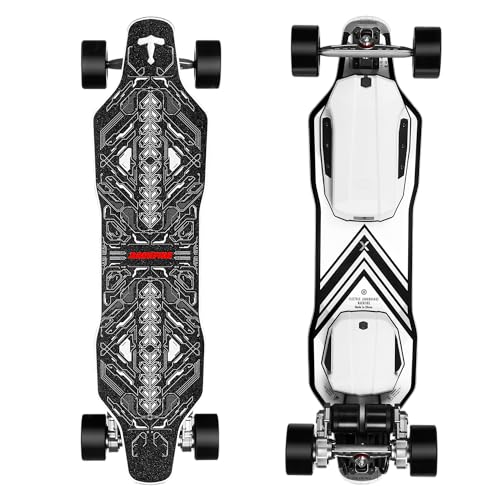
Backfire Zealot X2
Planetary gear drive for powerful acceleration
View Today's Price
CLOUDWHEEL ROVERS 110R Hub Motor Sleeve Urban All Terrain Off Road Electric
Upgraded hub motors and 28 mph top speed
View Today's PriceHow to Choose the Right Electric Skateboards
Choosing the right electric skateboard depends on terrain, portability, performance priorities, drive system, and tech features—trade-offs that shift with your commute, storage, and riding style. A feature perfect for off-road adventures can be a burden for city commuters, and vice versa. Our recommendation engine evaluates your specific needs across five key dimensions and matches you to the right board in under 60 seconds.
About this guide
Electric Skateboards
Why Electric Skateboard Shopping Is So Tricky
Electric skateboard buyers in 2026 face a maze of trade-offs that go far beyond picking a board that 'looks cool.' The electric skateboards market stretches from nimble 17-pound street cruisers like the Backfire G5 to 40-pound off-road beasts such as the Evolve Bamboo GTR All‑Terrain. Price tiers for electric skateboards are stark: $350 gets you a basic dual-hub commuter, while $1,200–$2,000 unlocks all-terrain torque, suspension, and premium batteries. Most electric skateboard buyers underestimate how much battery size and motor type affect both range and ride feel—chasing top speed without considering comfort or stability. Deck construction is another overlooked factor with electric skateboards: rigid decks maximize acceleration but punish your feet on rough roads, while flexible bamboo or suspension systems absorb bumps for a smoother ride. Weight is a double-edged sword for electric skateboards: lighter boards are portable but less stable at speed, while heavier models offer adventure-ready range at the cost of being a pain to carry. Many newcomers also get tripped up by drive system differences in electric skateboards—belt, hub, and gear drives each have their own quirks and maintenance needs. Add in smart features like Bluetooth apps and LED lighting, and it’s easy to see why so many end up with electric skateboards that are wrong for their real-world use.
What Actually Sets Boards Apart: Specs That Matter
Not all electric skateboards are created equal—and the differences go way beyond just brand names. For example, Backfire’s G2 Black delivers reliable value with dual hub motors and a 24 mph top speed, but if you want 25+ mile range or crave off-road capability, you’ll need to step up to electric skateboards like the WowGo AT2 Plus or Evolve’s Bamboo GTR All‑Terrain. Drive system is a make-or-break choice for electric skateboards: belt drives give punchy torque and acceleration (great for hills and carving), but require more upkeep, while hub drives are nearly silent and low-maintenance but lack the same off-the-line power. Gear drives, though less common in electric skateboards, blend torque and efficiency for those who want both. Skip fancy LED lighting and app connectivity on electric skateboards unless you’ll actually use them—these features add cost and complexity but don’t improve ride quality for most riders. Focus instead on deck flex, wheel size (96 mm+ for rougher surfaces), and battery capacity if you care about comfort and range in electric skateboards. Don’t be fooled by marketing hype: a 28 mph top speed is useless if electric skateboards feel sketchy above 20 mph. Bottom line: match electric skateboard features to your real terrain, commute, and appetite for maintenance—not just the spec sheet.
How to Choose: Factors That Interact and Real-World Guidance
Selecting the right electric skateboard isn’t just about picking a single feature—it’s about understanding how your needs, environment, and budget interact. For example, if you’re riding mostly city streets, a lightweight hub-motor electric skateboard like the Backfire G2 Black or WowGo 3E makes sense, but if you crave carving or off-road adventures, you’ll need a heavier, more capable electric skateboard with double kingpin trucks and a beefier battery. Room for storage and how often you’ll carry electric skateboards affects what weight class is realistic—don’t buy a 40-pound all-terrain electric skateboard if you live in a walk-up apartment. Budget is a hard constraint: under $600, you’re looking at value-focused electric skateboards with fewer smart features and less range, while $1,000+ unlocks premium electric skateboards with longer battery life. Our quiz evaluates terrain, portability, performance priorities, drive system, and appetite for smart features in one go for electric skateboards. The best advice: prioritize the spec that most impacts your daily ride, but don’t ignore the trade-offs—range, weight, and maintenance all shift dramatically based on your electric skateboard choices. Always consider how these factors interact for your specific commute, storage, and riding style when shopping for electric skateboards.
Buyer's guide
How to choose
1Core Performance Criteria
- A top speed of 24 mph is more than enough for most street riders, but off-road boards often prioritize torque and hill-climbing over pure speed.
- Battery capacity directly determines range—aim for at least 200 Wh for city commutes, but 350 Wh or more for longer rides or hilly terrain.
- Dual motor setups, like those in Backfire and WowGo boards, provide better acceleration and hill performance than single-motor designs.
- Wheel size matters: 96 mm or larger wheels offer smoother rides on rough pavement and light trails, while smaller wheels are best for smooth streets.
- Deck flex and material affect comfort—flexible bamboo decks absorb bumps, while rigid composite decks maximize stability at speed.
- Torque and acceleration are critical for heavier riders or those tackling hills; belt and gear drives outperform hub motors in these conditions.
2Build Quality and Durability
- Premium brands like Evolve and Backfire use higher-grade trucks and bushings, which last longer and provide more precise control over time.
- Look for water resistance ratings, especially if you’ll ride in wet conditions—few boards are truly waterproof, so check for at least IP54 protection.
- Aluminum or reinforced composite enclosures protect batteries better than plastic housings, especially on rough terrain or in the event of a drop.
- Hub motors are nearly maintenance-free, but belt and gear drives require periodic belt or gear replacement—factor this into long-term durability.
- Check for quality bearings and wheel cores; cheap bearings wear out quickly and can make the board feel sluggish after a few months.
- Warranty terms matter: reputable brands offer at least 6–12 months coverage, while budget boards may only have 90 days or limited parts support.
3Value Analysis and Price Tiers
- Entry-level boards under $400, like the Backfire G2 Black, are ideal for beginners or short commutes but sacrifice range and premium features.
- Mid-range models ($600–$900) typically add better motors, longer range, and improved ride comfort—WowGo 3E is a standout in this bracket.
- Premium boards ($1,200+) deliver high-capacity batteries, advanced drive systems, and all-terrain capability, but are heavy and expensive to maintain.
- Don’t overpay for features like app connectivity or LED lighting unless you’ll use them daily—these add cost but not always value.
- Consider total cost of ownership: replacement belts, wheels, and batteries can add up over a year, especially for high-mileage riders.
- Resale value is higher for trusted brands like Evolve and Backfire, so spending more upfront can pay off if you plan to upgrade later.
4Use-Case Fit and Rider Needs
- City commuters should prioritize lightweight boards (under 20 lb) with hub motors for easy carrying and low maintenance.
- Long-range riders or those tackling hills need higher battery capacity and belt or gear drives for consistent performance.
- If you ride mixed terrain, look for double kingpin trucks and larger wheels for stability and comfort on rough paths.
- Casual riders may prefer flexible bamboo decks for shock absorption, while speed enthusiasts benefit from stiff composite decks.
- Frequent travelers should consider board length and weight—shortboards fit in more places but sacrifice stability at speed.
- If you value tech, choose boards with Bluetooth apps and digital remotes, but skip these if simplicity and reliability are your priorities.
5Common Mistakes and Pitfalls
- Chasing the highest top speed often leads to disappointment—most riders rarely exceed 20 mph due to safety and stability concerns.
- Ignoring board weight is a classic mistake; a 40-pound all-terrain board is a nightmare to carry up stairs or onto transit.
- Overlooking drive system maintenance: belt drives need regular attention, while hub motors are nearly maintenance-free but less powerful.
- Buying for features you’ll never use, like advanced app controls or flashy lighting, can inflate the price without improving your ride.
- Assuming all boards are waterproof—most are only water-resistant, and riding in heavy rain can void warranties or damage electronics.
- Skipping safety gear is risky; even experienced riders should always use a certified helmet and pads, especially at higher speeds.
6Maintenance and Longevity
- Belt and gear drives require regular belt or gear checks—expect to replace belts every 300–500 miles depending on terrain and riding style.
- Hub motors need less attention but can suffer from overheating if pushed hard on hills or long rides—let them cool between sessions.
- Battery health affects range over time; avoid full discharges and store boards at 50–70% charge for maximum longevity.
- Check trucks and bushings every few months; loose hardware or worn bushings can cause wobbles and reduce ride safety.
- Keep bearings clean and lubricated, especially if you ride in wet or dusty conditions—neglecting this can halve their lifespan.
- Update firmware and apps as recommended by the manufacturer to maintain optimal performance and avoid compatibility issues with remotes.
FAQ
Frequently asked questions
Is it worth paying extra for a belt-drive electric skateboard?
Belt-drive boards are worth the premium if you want punchy acceleration, strong hill-climbing, and a more customizable ride feel. They do require more maintenance—expect to replace belts every 300–500 miles. If you mostly ride flat streets or want low upkeep, hub motors are quieter and simpler, but lack the torque needed for steep hills or aggressive carving. For mixed terrain or heavier riders, the extra cost for a belt-drive model is usually justified.
How does Backfire compare to Evolve for reliability and value?
Backfire is known for delivering strong value, especially in the $350–$900 range, with reliable dual hub motors and solid build quality. Evolve, on the other hand, commands premium prices ($1,200+) but offers advanced features like double kingpin trucks and all-terrain capability. For most commuters, Backfire offers better bang for the buck, while Evolve is ideal if you want maximum range, off-road ability, and are willing to pay for premium components and support.
What battery size do I need for a 10-mile daily commute?
For a reliable 10-mile round trip, look for a battery rated at least 200 Wh, preferably 250 Wh or more for extra margin. Factor in real-world conditions—hills, rider weight, and speed can all reduce range. Models like the WowGo 3E and Backfire G5 offer batteries in this range, making them good choices for daily commutes without frequent charging. Always check the manufacturer’s claimed range against independent user reviews for accuracy.
Are smart features like Bluetooth apps and LED lighting actually useful?
Smart features can be genuinely helpful if you want to track rides, customize speed modes, or improve night visibility. Bluetooth apps let you monitor battery health, change acceleration curves, and even lock the board. Built-in LED lighting boosts safety for night riding. However, these features add cost and complexity—if you’re a set-and-forget rider, you might prefer a simpler board without the potential for app glitches or connectivity issues.
Which models are best for mixed terrain riding?
For mixed terrain, look for boards with double kingpin trucks, larger 96 mm+ wheels, and at least a 350 Wh battery. The Evolve Bamboo GTR All‑Terrain and WowGo AT2 Plus are standouts in 2026, offering stability, comfort, and enough power for light trails as well as city streets. Avoid entry-level street boards for mixed surfaces—they lack the suspension and wheel size needed for a smooth, safe ride on rough paths.
How much maintenance do belt and gear drives require compared to hub motors?
Belt and gear drives need regular inspection—belts may need replacing every 300–500 miles, and gears should be checked for wear. Lubrication and tension adjustments are routine. Hub motors, by contrast, are nearly maintenance-free and only require occasional bearing checks. However, hub motors can overheat on long hill climbs, so allow cooling breaks. If you want minimal upkeep, hub motors are best; for performance and torque, accept the extra maintenance of belt or gear drives.
What’s the best choice for a lightweight, portable electric skateboard?
If portability is your top priority, focus on boards under 20 pounds with compact decks and hub motors. The Backfire G5 and WowGo 3E are excellent in this category, offering a good balance of speed (up to 24 mph) and range without being a burden to carry. Avoid all-terrain or premium models—they’re often 30–40 pounds and cumbersome for daily transit or storage in small apartments. Always check the board’s actual weight before buying.
Related reading
Best Electric Skateboards By Category
Related Guides
Electric Mountain Bikes for Beginners
Matched to your trail type, power needs, battery range, and riding priorities for the perfect first e‑MTB.
Bike Helmets
Matched to your riding style, head size, safety tech needs, and budget—get a helmet you’ll actually want to wear.
Electric Scooters Buying Guide
Range, weight, terrain, and comfort—matched to your commute, storage, and safety needs for the perfect electric scooter.
Folding Electric Bikes
Matched to your commute, storage space, tire preference, and real-world portability—get the folding e-bike that actually fits your lifestyle.