Skip the research trap. Get your eco-friendly attic insulation kits in 60 seconds.
We scored 1050+ eco-friendly attic insulation kits across 5 dimensions — answer 5 quick questions and we'll match you to YOUR best pick.

Powered by DecisionScore™
Each product is evaluated across 18 weighted criteria — covering performance, value, build quality, and real-world usability. Your quiz answers re-weight the criteria to match what matters most to you, so two people can get different #1 picks from the same data.
See the DecisionScore methodology →- Material: Radiant Barrier with 40% recycled or renewable content
- R-value per inch around 1.0
- Coverage: approximately 1500 sq ft per kit with 1 bag(s) or panels
Find your perfect eco-friendly attic insulation kits
5 quick questions. No quiz-takes-10-minutes trap. A personalized match from 102 scored picks — with clear reasoning for every recommendation.
What type of insulation material do you prefer?
The type of insulation material affects thermal performance, environmental impact, and installation method. Different materials offer varying levels of soundproofing, fire resistance, and eco-friendliness.
- Cellulose is the top recycled-content choice and is easy to blow in for large attics.
- Natural wool and hemp are best for low VOCs and allergy-sensitive homes.
- Spray foam offers the highest R-value per inch but costs more and may require pro installation.
As an Amazon Associate and affiliate partner we earn from qualifying purchases. Links on this page may earn us a commission at no extra cost to you. Full disclosure
Not ready for the quiz? Here are our overall top picks
These are our top-rated picks overall. For a recommendation matched to YOUR specific needs,
RadiantGUARD® Radiant Barrier Xtreme Attic Insulation 1000 sq ft, 4 x 250ft
Material: Radiant Barrier with 40% recycled or renewable content
View Today's Price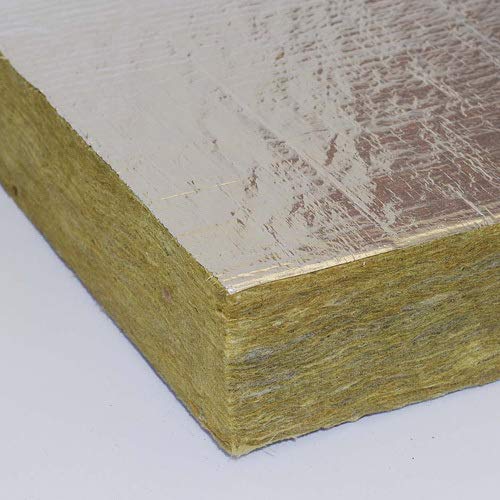
Rockwool 8# Density Foil-Faced Stone Wool Insulation Mineral Wool Panels, Batts
Material: Hemp with 90% recycled or renewable content
View Today's Price
BEEST FullStop Spray Foam Insulation Kit - 480 Board ft/sq.ft. Fire Rated Spray
Material: Spray Foam with 30% recycled or renewable content
View Today's PriceHow to Choose the Right Eco-Friendly Attic Insulation Kits
Choosing the right eco-friendly attic insulation kit depends on insulation material, R-value per inch, attic size, and installation method—trade-offs that shift based on your climate, health priorities, and DIY skills. A feature that’s perfect for a large, cold-climate attic may be overkill or impractical for a small, mild-zone space. Our recommendation engine evaluates your specific needs across five key dimensions and matches you to the best insulation kit in under 60 seconds.
About this guide
Eco-Friendly Attic Insulation Kits
Why Attic Insulation Choices Are Tricky in 2026
Choosing the right eco friendly attic insulation kits in 2026 is more complex than it first appears. The trade-offs are real: eco friendly attic insulation kits made from cellulose and recycled newsprint are affordable (around $0.60 per sq ft) and easy for DIYers, but they settle 5-15% in humid climates, potentially dropping your R-value by 10-20% after a year. High-performance eco friendly attic insulation kits like Icynene ProSeal Eco spray foam deliver R-6.5 per inch and unmatched air sealing, but cost over $1,200 for a 600 sq ft kit—double or triple the price of cellulose or hemp eco friendly attic insulation kits. Buyers often overlook the importance of matching R-value to climate zone (R-49+ for most attics) and underestimate the need for proper venting, which causes 30% of eco friendly attic insulation kits failures according to Consumer Reports. Many mistake radiant barrier foils as a standalone solution, not realizing they only reflect heat and must be paired with eco friendly attic insulation kits for year-round comfort. Most buyers focus on upfront cost or recycled content in eco friendly attic insulation kits, but ignore factors like VOC emissions, ease of installation, or long-term performance. The result: wasted money, underperforming eco friendly attic insulation kits, and missed energy savings.
What Actually Sets Eco Insulation Kits Apart
The biggest differentiators between eco friendly attic insulation kits in 2026 are material type, R-value per inch, fire/mold resistance, and installation method. HempWool eco friendly attic insulation kits (R-3.7/inch, $650-750 per kit) offer 100% hemp content, zero VOCs, and natural mold resistance—ideal for those prioritizing health and sustainability. Roxul RockBoard mineral wool eco friendly attic insulation kits deliver R-4.2/inch and non-combustibility up to 2,150°F, making them the go-to for fire safety and soundproofing, but they’re denser and harder to cut for DIYers. Blown-in cellulose eco friendly attic insulation kits (like Greenfiber) are the easiest for large attics and cost less, but create dust and settle more than mineral wool. Skip radiant barrier foils unless you’re in a hot climate; they reflect 97% of radiant heat but do little for winter insulation compared to eco friendly attic insulation kits. Spray foam eco friendly attic insulation kits (like Icynene ProSeal Eco) excel in air sealing and R-value, but require careful application and a bigger budget. Certifications like Greenguard Gold or Energy Star on eco friendly attic insulation kits are worth paying for—they guarantee low emissions and verified performance. Don’t get distracted by “natural” marketing; untested hemp eco friendly attic insulation kits can off-gas terpenes and fail air quality tests.
How to Choose: Factors That Really Matter
Attic size, target R-value, installation skills, and your priorities for recycled content or health all interact to shape the right eco friendly attic insulation kits. For example, a large attic (1,500+ sq ft) with steep rafters may make blown-in cellulose or mineral wool eco friendly attic insulation kits more practical, while a small space can justify pricier batts or spray foam eco friendly attic insulation kits. Your climate zone dictates the minimum R-value—aim for R-49+ in most U.S. regions, but don’t overspend on R-6/inch foam eco friendly attic insulation kits if you’re in a mild zone. DIYers should factor in the need for blowers (often rented for $100/day) and protective gear, especially with dusty cellulose eco friendly attic insulation kits. If you care most about soundproofing or fire safety, mineral wool eco friendly attic insulation kits are a smarter pick than cellulose or hemp. Our quiz evaluates material preference, R-value, install method, extra benefits, and attic size to pinpoint your best eco friendly attic insulation kits fit. Ultimately, balancing budget, sustainability, and performance means weighing not just specs but also your willingness to handle dust, settle for lower R-values, or pay more for health and durability with eco friendly attic insulation kits.
Buyer's guide
How to choose
1Core Performance Criteria
- Prioritize R-value per inch—cellulose and hemp offer R-3.5 to R-3.7, while mineral wool reaches R-4.2 and closed-cell spray foam tops out at R-6.5.
- Match insulation type to your climate zone; R-49+ is recommended for most attics, but radiant barrier foils alone underperform in cold regions.
- Look for third-party certifications like Greenguard Gold or Energy Star, which ensure low VOC emissions and consistent R-value retention.
- Consider air sealing: spray foam excels at blocking drafts, but batts and loose fill require careful installation to avoid gaps and cold spots.
- Soundproofing and fire resistance matter in multi-family homes—mineral wool is non-combustible up to 2,150°F, outperforming cellulose and hemp.
- Factor in settling rates: cellulose and hemp can lose 5-15% of their R-value after a year, while mineral wool and foam retain performance longer.
2Build Quality and Durability
- HempWool and Roxul RockBoard kits use dense fibers that resist sagging and moisture, maintaining their shape over a decade or more.
- Cellulose settles over time, especially in humid attics, leading to voids and reduced thermal performance if not topped off every few years.
- Spray foam forms a rigid, air-tight barrier but can crack if attic framing shifts or if applied unevenly by a novice installer.
- Mineral wool is naturally mold and pest resistant, but absorbs water if not paired with a vapor barrier, risking degradation in unvented spaces.
- Check for robust packaging and clear instructions—premium kits include pre-cut batts or labeled bags, minimizing waste and installation errors.
- Avoid entry-level foil kits under $0.50/sq ft; they tear easily and require layering, which increases labor and total cost by up to 50%.
3Value and Cost Analysis
- Blown-in cellulose kits remain the most budget-friendly at $0.60 per sq ft, but expect to spend extra on blower rental and protective gear.
- Hemp and wool batts cost $0.80–1.00 per sq ft, offering a balance of sustainability, R-value, and ease of handling for DIYers.
- Mineral wool and spray foam kits command $1.20–2.00 per sq ft, justified by superior fire resistance and long-term R-value retention.
- Bulk purchases or multi-bag kits often include a 15% discount, making them cost-effective for attics over 1,500 sq ft.
- Beware of overpaying for small attics—kits sized for 600 sq ft may leave up to 30% unused material in compact or oddly shaped spaces.
- Factor in energy savings: R-49 insulation typically pays for itself in 5–7 years through $300–500 annual utility bill reductions.
4Fit for Your Use Case
- DIYers with basic tools should favor blown-in cellulose or batts; spray foam requires more skill and can be messy without experience.
- If you need soundproofing or fire safety, mineral wool is worth the premium, especially for attics above bedrooms or in wildfire zones.
- Hemp and wool batts are ideal for those prioritizing low VOCs and allergy-friendly materials, but require precise cutting to fit joists.
- Radiant barrier foils excel in hot, sunny climates but should be paired with fiber insulation for year-round comfort and efficiency.
- Large attics (1,500+ sq ft) benefit from loose-fill kits and blower rentals, while small spaces justify higher-cost, easy-install batts.
- If you plan to finish your attic later, choose insulation that’s easy to remove or upgrade, such as batts or board panels.
5Common Mistakes and Pitfalls
- Underestimating attic voids and rafters leads to buying too little material—add 20% to your square footage calculation for accurate coverage.
- Neglecting climate zone R-value minimums causes 30% of buyers to overspend or under-insulate, especially in regions requiring R-49 or higher.
- Skipping third-party certifications risks poor indoor air quality—uncertified hemp can off-gas terpenes, failing air quality tests in 20% of homes.
- Manual spreading of loose-fill insulation without a blower results in 15–20% lower R-values due to compaction and uneven coverage.
- Relying on radiant foil alone in cold climates delivers only 5–10% energy savings, compared to 25% when combined with fiber insulation.
- Ignoring vapor barriers with mineral wool can result in mold growth in 25% of unvented attic installs, according to Consumer Reports.
6Maintenance and Longevity
- Inspect cellulose and hemp insulation annually for settling; top off with fresh material every 3–5 years to maintain target R-value.
- Spray foam and mineral wool require minimal maintenance but should be checked for moisture intrusion after roof leaks or severe storms.
- Wool and hemp naturally resist mold and pests, but still benefit from periodic visual inspection, especially in humid or coastal climates.
- Replace or repair torn radiant barrier foils promptly, as even small rips can reduce heat reflection by 20–30%.
- Check for signs of dust, irritation, or off-gassing—especially in older or uncertified kits—and ventilate the attic if symptoms appear.
- Keep installation manuals and certification labels for future reference, especially if you plan to sell your home or claim energy rebates.
FAQ
Frequently asked questions
Is paying extra for Greenguard Gold or Energy Star certification worth it?
Absolutely—certifications like Greenguard Gold and Energy Star ensure your insulation meets strict standards for low VOC emissions and verified R-value retention. In 2026, uncertified hemp and cellulose kits have been linked to indoor air quality issues in up to 20% of homes. Certified products also qualify for utility rebates and are more likely to deliver the advertised energy savings, making the upfront cost worthwhile for most buyers.
How does blown-in cellulose compare to mineral wool for DIY installation?
Blown-in cellulose, such as Greenfiber kits, is easier for DIYers to install over large areas and costs less—about $0.60 per sq ft. However, it settles 5–15% over time and creates dust that requires masks and protective gear. Mineral wool, like Roxul RockBoard, offers higher R-value per inch (R-4.2) and superior fire and sound resistance but is denser, heavier, and more labor-intensive to cut and fit. Choose cellulose for budget and speed, mineral wool for durability and safety.
What R-value per inch do I need for a cold climate attic?
For cold climate attics, aim for an R-value per inch of at least R-4.2 or higher. Mineral wool and closed-cell spray foam deliver R-4.2 to R-6.5 per inch, making them ideal for reaching the recommended R-49+ total. Cellulose or hemp batts (R-3.5 to R-3.7 per inch) require greater thickness to achieve the same insulation level, so factor in available headroom and joist depth.
Are radiant barrier foil kits effective as standalone insulation?
Radiant barrier foils, like RadiantGUARD, excel at reflecting up to 97% of radiant heat in hot climates, reducing attic temperatures by 10–15°F. However, they provide little to no thermal resistance in cold weather and should always be paired with fiber insulation for year-round effectiveness. Used alone, foils yield only 5–10% energy savings in winter, compared to 25% when combined with cellulose or mineral wool.
How does HempWool compare to Roxul RockBoard for mold and fire resistance?
HempWool batts are naturally mold-resistant and contain zero VOCs, making them excellent for allergy-sensitive households. However, Roxul RockBoard mineral wool is non-combustible up to 2,150°F and offers superior fire resistance, making it the safer choice for attics above living spaces or in wildfire-prone areas. For maximum safety, mineral wool is the clear winner, but hemp excels in sustainability and indoor air quality.
What are the most common installation mistakes with eco-friendly insulation kits?
The most frequent mistakes include underestimating attic voids (leading to insufficient coverage), skipping blower rental for cellulose (causing poor R-value), and failing to install vapor barriers with mineral wool (resulting in mold). Many DIYers also overlook the need for protective gear with dusty materials and misapply radiant barrier foils, leaving air gaps or tears that reduce effectiveness by up to 30%.
Do eco-friendly spray foam kits really outperform other insulation types?
Eco-friendly spray foam kits like Icynene ProSeal Eco deliver the highest R-value per inch (up to R-6.5) and create a superior air seal, minimizing drafts and heat loss. They outperform cellulose, hemp, and mineral wool for energy efficiency, especially in tight or irregular attics. However, they cost $2.00 per sq ft or more and require careful, often professional, installation to avoid cracks or voids. For most homeowners, the premium is justified only in challenging spaces or extreme climates.
Related reading
Best Eco-Friendly Attic Insulation Kits By Category
Related Guides
AC Units
Room size, installation, noise, budget, and smart features—get matched to the AC unit that fits your space and lifestyle.
Best Ceiling Fans
Room size, ceiling height, style, and lighting—get matched to the perfect ceiling fan for your space and comfort.
Compact Air Purifier Fans
Room size, filtration, climate control, and smart features—get matched to the compact air purifier fan that truly fits your lifestyle.
Dehumidifiers
Room size, drainage, noise, and convenience—get matched to the dehumidifier that actually fits your space and lifestyle.
Door Sweeps
Door location, installation method, seal type, and budget—all matched to your needs for the perfect draft and pest barrier.